Sheet Mask vs Moisturizer: Optional Ritual or Everyday Step?
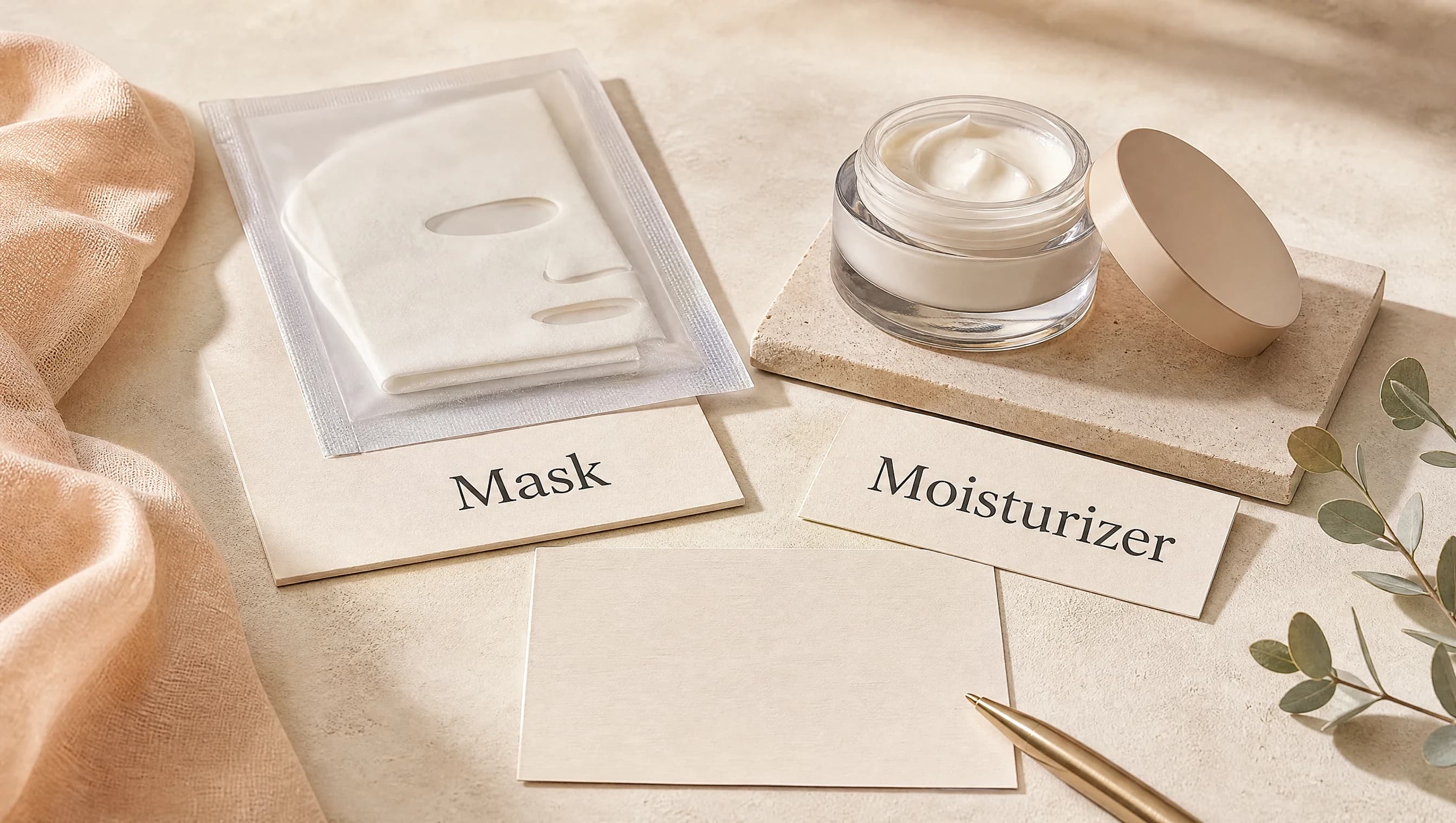
A sheet mask is an optional product experience; it does not automatically replace the moisturizing step your skin relies on. Choose it if you enjoy the format and the particular formula serves a purpose. Keep your everyday moisturizer based on how it fits your routine, rather than assuming a wetter or more dramatic-looking product must provide everything you need.
The comparison is about routine roles, not whether masks are good or bad. A mask can be enjoyable without being necessary, and a moisturizer can be useful without making a visible event out of application.
Compare the practical differences
| Decision point | Sheet mask | Moisturizer |
|---|---|---|
| How it fits your day | A timed optional step | A regular step applied as directed |
| What to read | Wear time, removal and aftercare instructions | Application and area instructions |
| Shopping question | What does this particular mask add? | Does this formula meet my everyday needs? |
| Cost comparison | Price per actual use | Cost over the uses you get from the package |
| Main mistake | Leaving it on longer to get more value | Assuming every formula must feel equally rich |
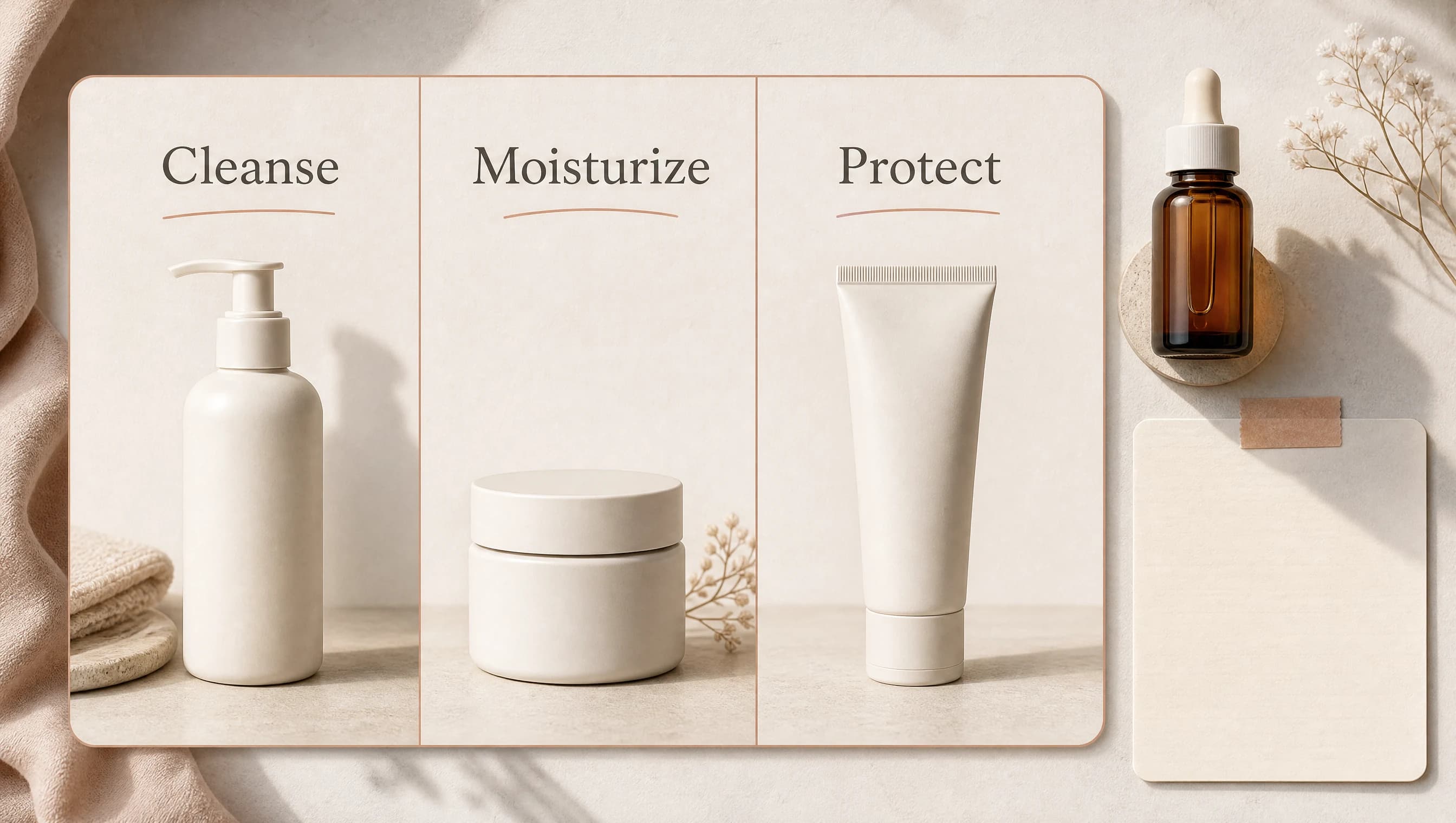
The AAD states that facial masks do not substitute for a daily routine of cleansing, moisturizing and sun protection. It also advises removing a mask if itching, burning or stinging occurs. Use those boundaries before considering a mask's individual claims.
Read the mask as a complete product
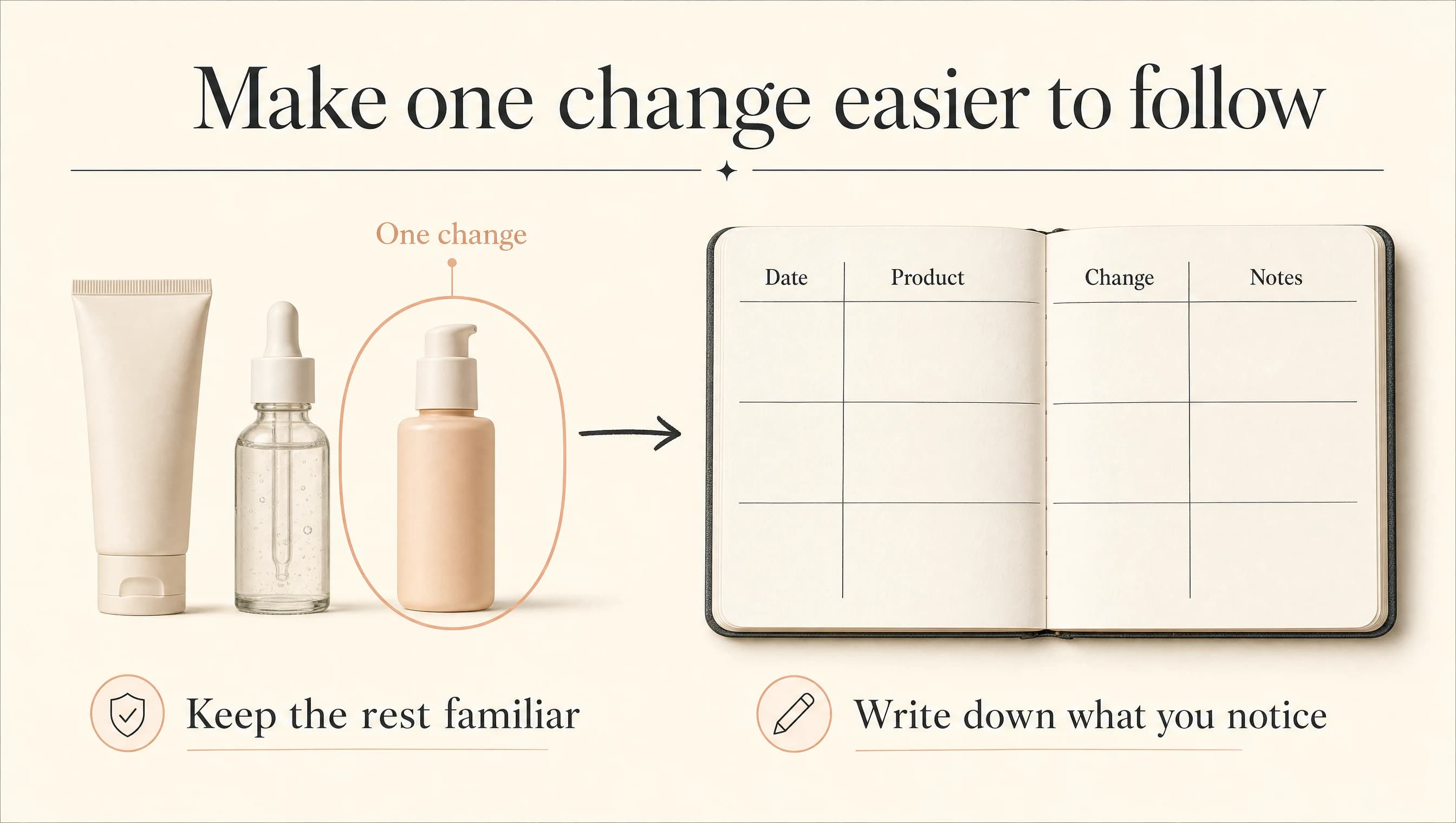
Do not choose only by the hero ingredient printed on the sachet. Read the full formula, the intended purpose and the directions. A hydration-focused mask, an exfoliating mask and a product with fragrance can present different considerations even when the packaging looks similar.
Follow the stated wear time. A longer session is not a reliable way to obtain more benefit, and an ordinary sheet mask should not become an overnight product unless its directions explicitly describe that use.
If another product already provides the same optional active, ask whether the mask is adding a distinct purpose or simply another exposure. The AAD specifically cautions about duplicating exfoliating ingredients across routine products and masks.
Use a before-and-after routine check
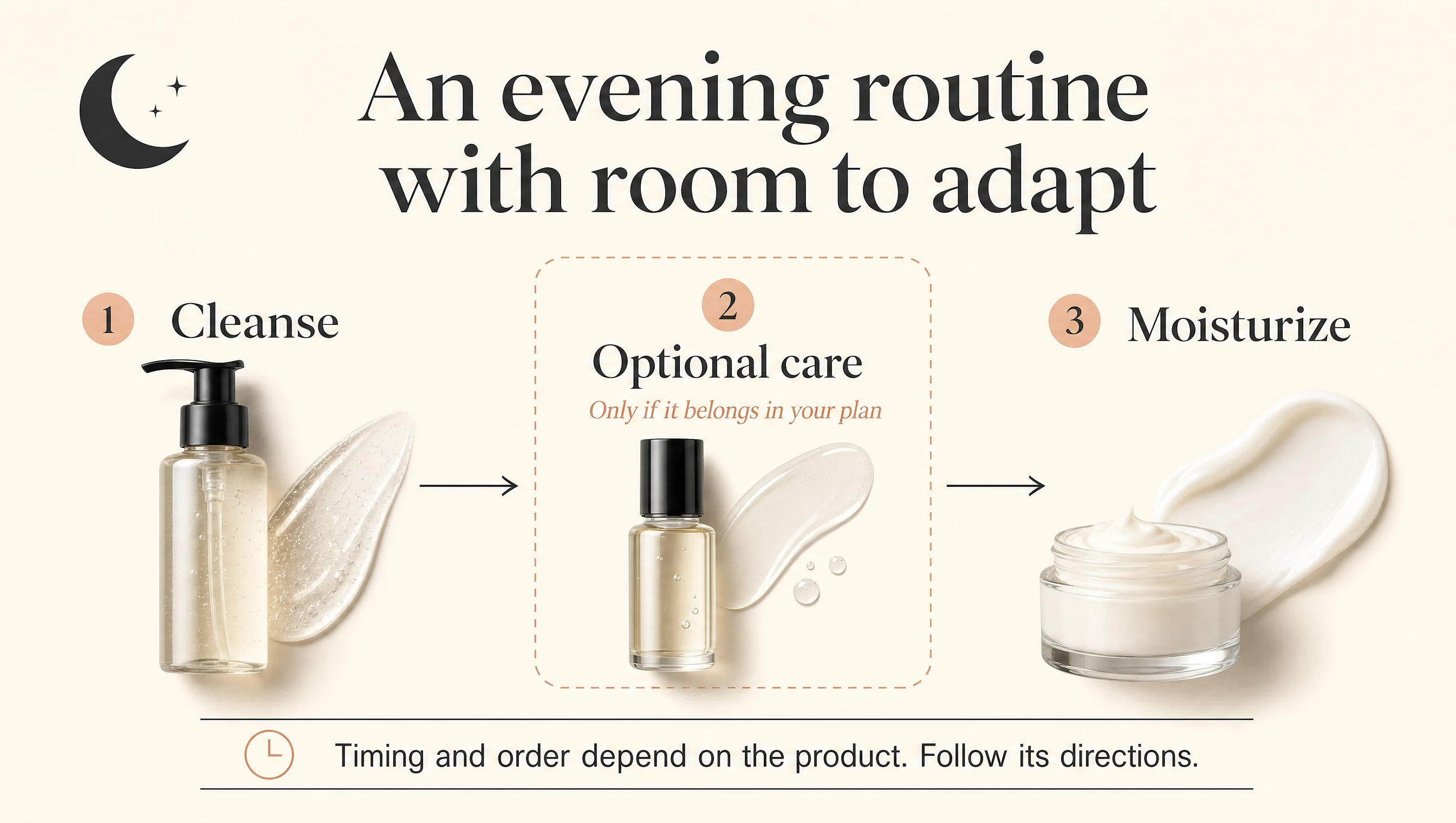
Before the mask, ask whether your skin is comfortable and whether the formula fits the rest of the routine. Afterward, follow its removal instructions and continue the appropriate ordinary steps. Do not assume that leftover liquid means you should skip all other guidance.
The AAD recommends moisturizer after a wash-off facial mask. For a sheet mask with a leave-on essence, follow that product's aftercare directions and assess the complete routine rather than borrowing instructions from a different mask format.
To understand the roles of fluid products, see serum versus moisturizer. For ingredients that bind water, soften skin or help reduce water loss, read humectants, emollients and occlusives. These roles can coexist in one product; they do not create a need for a separate purchase for each category.
Decide whether to keep the optional step
Choose a concrete reason: you enjoy a quiet timed ritual, you prefer how that formula feels, or it provides a particular cosmetic effect you can describe without exaggeration. If you dislike the fit, find the sachets wasteful or see no useful difference, skipping the mask is a reasonable choice.
Compare spending over the same period. As a fictional arithmetic example, four $3 single-use masks cost $12 in a month; a moisturizer jar needs its own price and your actual usage period before the two costs are comparable. These figures are not current product prices or a suggested mask frequency. The calculation only makes the recurring purchase visible.
Our beginner routine guide helps establish the basics. Our sensitive-skin product guide is relevant if ingredient restrictions shape your choices. If the everyday moisturizing step is what you need to change, our moisturizer guide for dehydrated-feeling skin addresses that purchase directly.
Frequently asked questions
Does a sheet mask replace moisturizer?
Do not assume so. Read the mask's aftercare instructions and consider your regular routine. The category name does not prove that the product provides the same role as your moisturizer.
Should I sleep in a regular sheet mask?
Only use a product that way if its directions explicitly permit it. Ordinary timed masks should not be turned into overnight treatments by improvisation.
Is daily masking necessary for hydrated-looking skin?
There is no general requirement to mask daily. Keep the optional step only if its specific formula, instructions, cost and experience fit the routine you want.
Sources
AAD: Facial masks and skin care (aad.org) — https://www.aad.org/public/everyday-care/skin-care-secrets/routine/facial-masks-and-skin-care
AAD: Choosing a moisturizer (aad.org) — https://www.aad.org/public/everyday-care/skin-care-basics/dry/pick-moisturizer
FDA: Using cosmetics safely (fda.gov) — https://www.fda.gov/cosmetics/resources-consumers-cosmetics/using-cosmetics-safely
Clear guidance, checked before publication.
Solvi articles are structured by our editorial team and reviewed for clarity, consistency, and responsible health language. We update pages when guidance or product information changes.