A minimalist guide to skin care products for sensitive skin


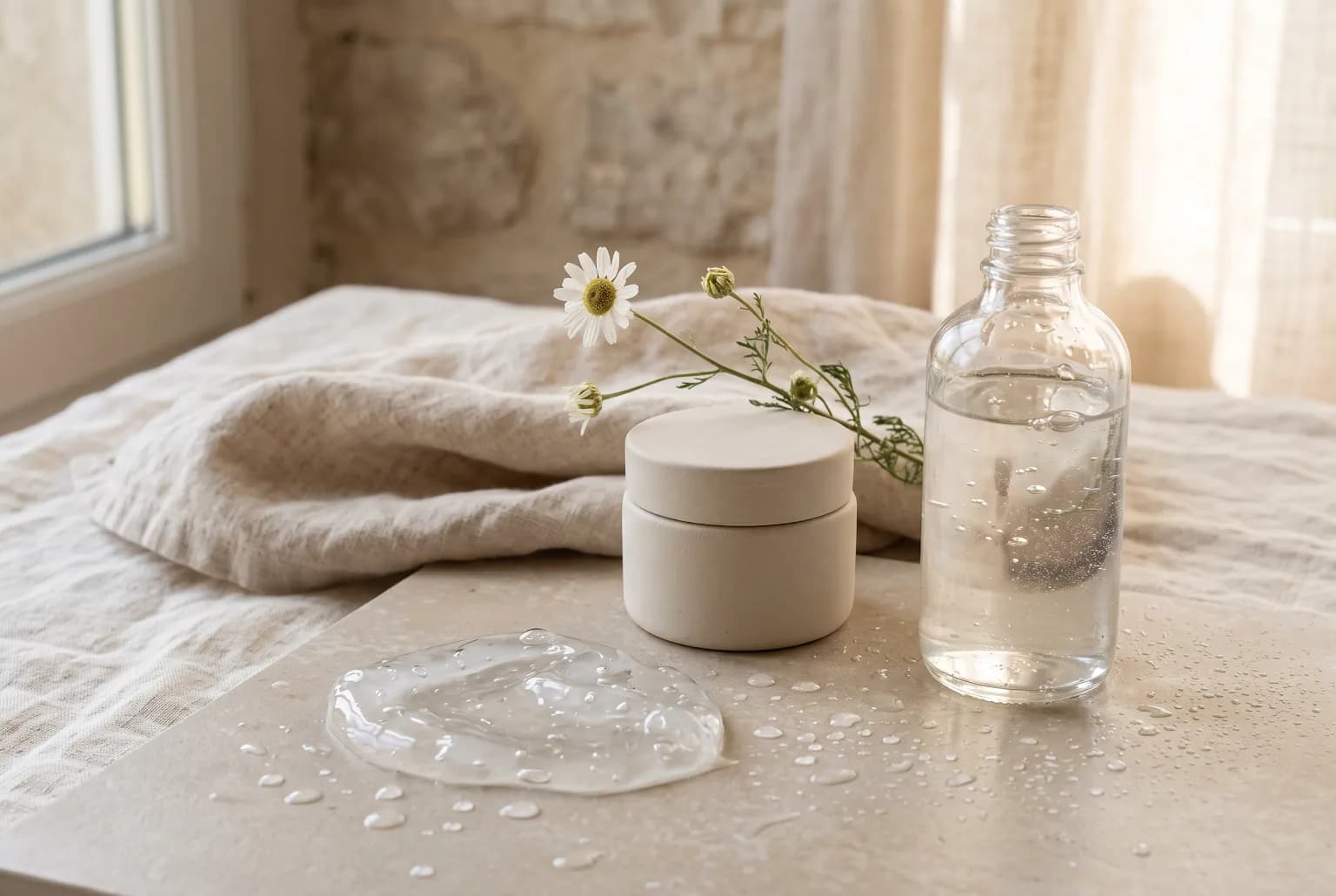
Start with three simple categories: a gentle, fragrance‐free cleanser, a barrier‐repair moisturizer (ceramides, glycerin, humectants), and a mineral sunscreen. Those basics reduce daily insult and protect the skin while you decide whether to add a single targeted active like low‐dose niacinamide or azelaic acid. Introduce new actives slowly and patch‐test; if you have rosacea or eczema, consult your clinician before escalating OTC options.
Build a minimal sensitive-skin toolkit
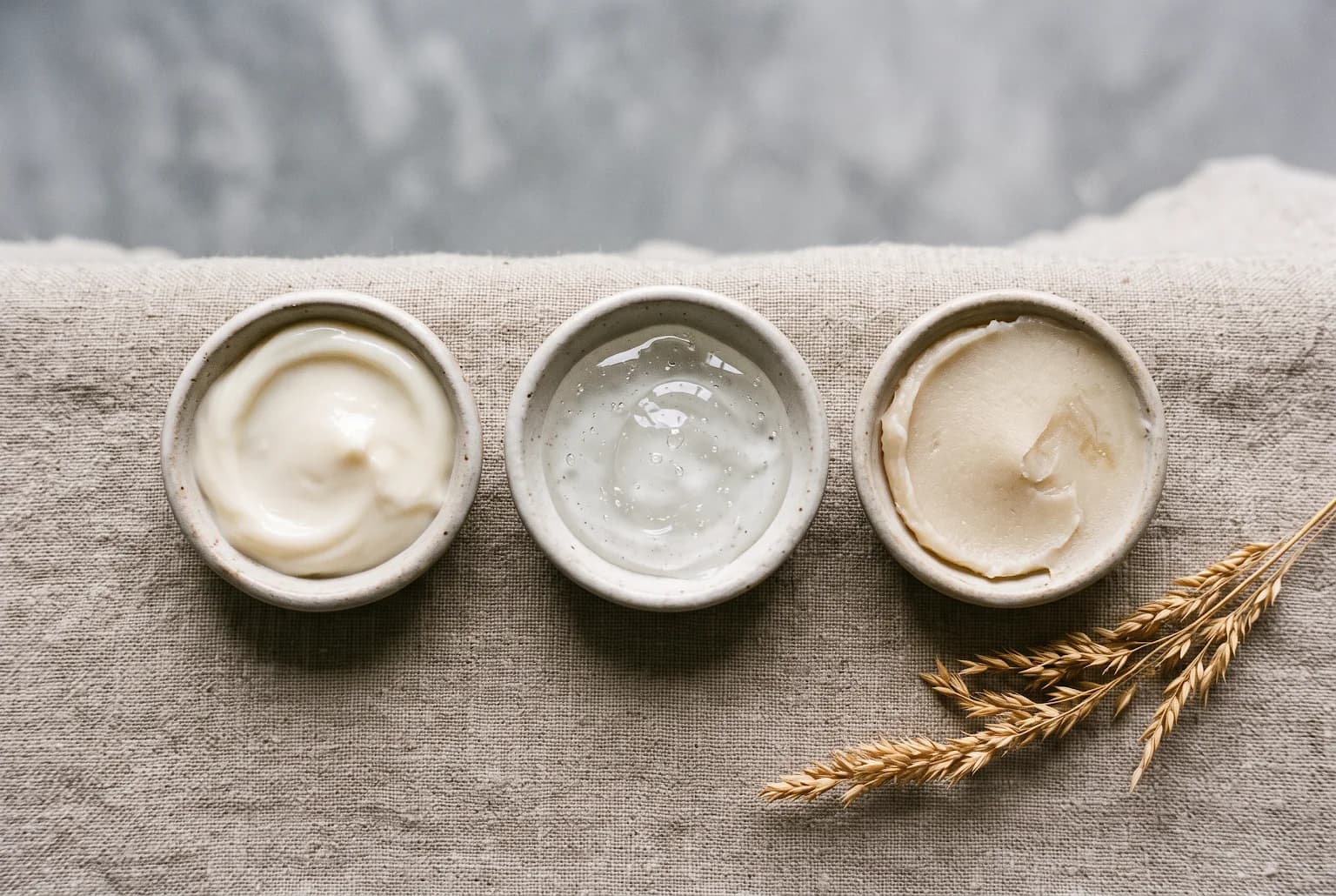
A minimal toolkit trims exposure and narrows the variables that trigger irritation. The priority is gentle cleansing, followed by hydration that restores lipids and a physical sunscreen for daily protection. Keep product count to three to five: cleanser, moisturizer, sunscreen, and an optional single active or targeted balm. That small roster lowers cumulative preservative and fragrance exposure, which are common culprits in reactive skin.
Texture matters. Cream and balm cleansers are indulgent and gentle for dry, reactive skin; low‐foaming gels can suit combination skin that still reacts. For moisturizers, look for ceramides, glycerin, and fatty acids in the ingredient panel. If acne is also a concern, opt for non‐comedogenic formulas. Value-wise, a more concentrated cream lasts longer than many lightweight lotions, but a lighter lotion can improve layering in humid climates.
How to pick a cleanser: texture, surfactants, and tradeoffs
The clean step should remove debris and sunscreen without stripping the barrier. Choose fragrance‐free, dye‐free cleansers that list glycerin or other humectants near the top and avoid high‐pH soaps. Tradeoffs depend on texture: cream cleansers and cleansing balms often leave lipids behind and suit dry, sensitive skin; micellar waters and gentle gel cleansers feel lighter and rinse clean for oilier types.
Watch the surfactants. Mild, amphoteric surfactants (often labeled on the panel) are less aggressive than strong anionic detergents. Another practical decision: pump dispensers reduce contamination risk compared with open jars. If you want a deeper dive into cleanser choices and routines for makeup removal, see our guide to the best face cleansers for sensitive skin ().
| Cleanser format | Who benefits | Tradeoffs | Example names |
|---|---|---|---|
| Cream/Balm | Dry, barrier‐compromised skin | May feel heavy in heat | Cetaphil Gentle Cleanser (example), cleansing balms |
| Low‐foam gel | Combination, mildly oily skin | Can be too drying if high detergent | La Roche‐Posay Toleriane Hydrating Cleanser (example) |
| Micellar/No‐rinse | Quick removal, sensitive in a hurry | Might not remove thick sunscreens | Micellar water formats |
Choosing a moisturizer: barrier repair vs hydration
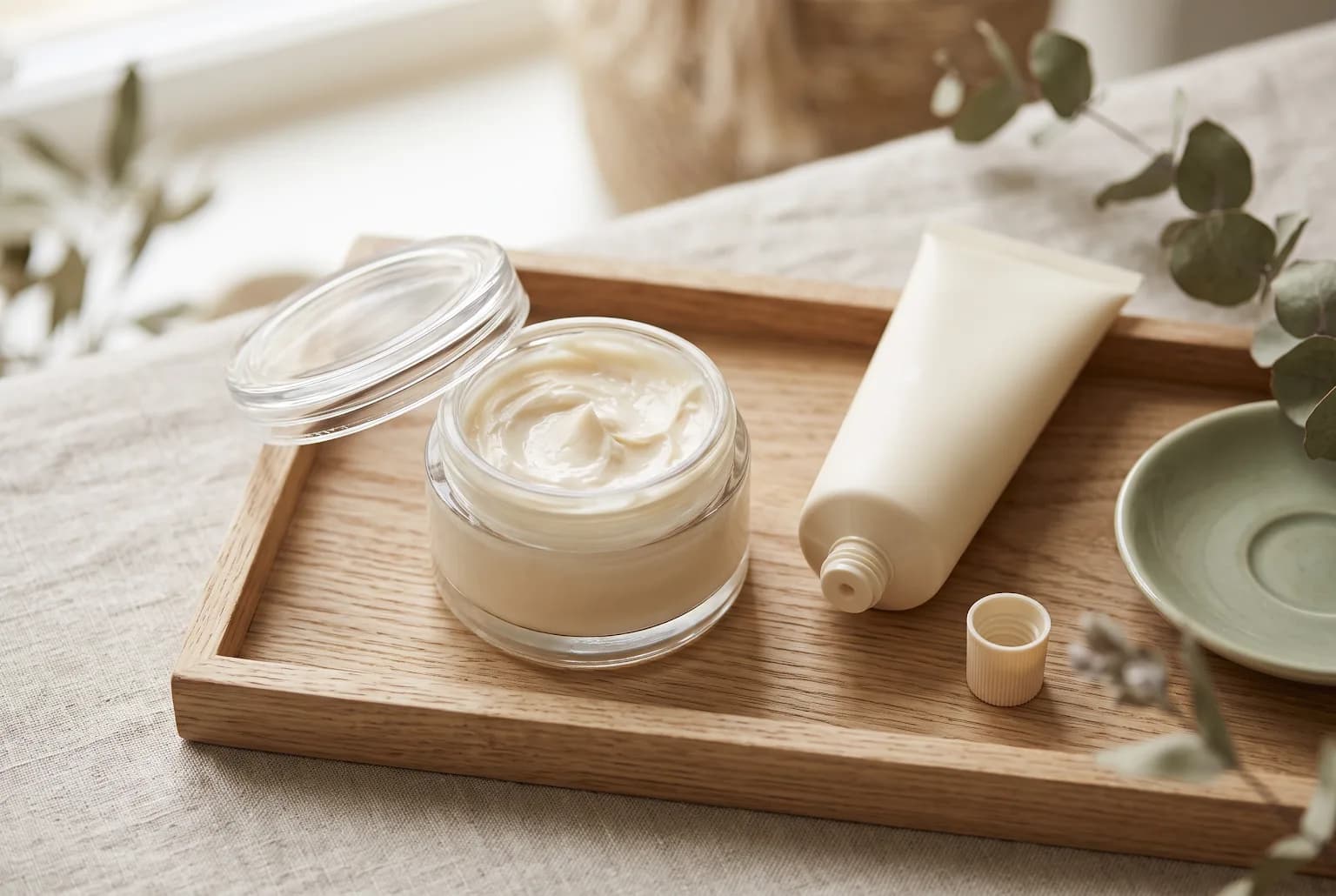
Moisturizers for sensitive skin should prioritize barrier repair ingredients such as ceramides, cholesterol, and fatty acids plus humectants like glycerin and hyaluronic acid. A barrier‐repair cream focuses on replenishing lipids and sealing moisture; a hydration‐forward lotion emphasizes lightweight humectants and faster absorption. Your choice depends on skin’s baseline: chronically dry or topical steroid‐treated skin fares better with richer creams, while mildly sensitive, combination skin may prefer lighter emulsions.
Consider comedogenicity if acne is a parallel concern; non‐comedogenic labeling is a useful decision tick. Value and texture tradeoffs matter: dense creams are concentrated and economical, but layering can feel occlusive in humid weather. For nighttime barrier repair, a richer cream is often recommended; for daytime, choose a formula that layers well under sunscreen. For more product options tailored to night repair, consult our best night moisturizer for sensitive skin roundup ().
Sunscreen decisions: mineral vs chemical for reactive skin
Mineral sunscreens that use zinc oxide or titanium dioxide are the first choice for many reactive skin types because they sit on the skin surface and reflect UV rather than penetrating the skin. The research brief highlights zinc oxide specifically as a soothing mineral option. The tradeoff is cosmetic finish: mineral SPFs can leave a white cast on deeper tones, though modern micronized formulas reduce this issue.
If sensitivity is severe, pick a mineral SPF with minimal additives—fragrance‐free, dye‐free and formulated for sensitive skin. Look for simple preservative systems and a shorter ingredient list to minimize potential irritants. For those who wear makeup or sweat a lot, powder zinc options or mineral sticks can be convenient touch‐ups. If you’re unsure which mineral formula suits your complexion and texture preference, our sensitive-skin face wash guide links to compatible cleansing and sunscreen pairing strategies ().
Introducing actives slowly: niacinamide, azelaic acid, and timing

Targeted actives can help redness, texture, and pigmentation, but they’re not first‐line for sensitive skin. Niacinamide is generally well tolerated and can strengthen the barrier and reduce redness when used at low concentrations. Azelaic acid (topical at 10% in some OTC options) is a recognized choice for rosacea‐type redness and mild acne; introduce it cautiously and patch‐test for three to seven days on a discreet area before facial application.
Timing matters: add one new active every two to four weeks while monitoring for irritation. Start with low concentrations and apply on alternate nights, increasing frequency only if there’s no reaction. If you experience stinging, burning, or persistent flaking, stop and wait for recovery; consult a dermatologist if symptoms persist. For guidance on gentle exfoliation and sensitive-compatible actives, see our exfoliator guide for sensitive skin ().
Layering, textures, and routines for morning and night
A simple AM routine reduces exposure and ensures protection: cleanse lightly, apply a lightweight hydrating moisturizer, then mineral SPF. In the PM, cleanse to remove sunscreen and pollutants, then apply a richer barrier cream and any tolerated active (applied to dry skin after thin serums). Textures should be matched to your climate and oiliness: pick creams for dry winters and lotions or gel creams in humid summers.
Morning routine (example):
- Gentle, fragrance‐free cleanser.
- Lightweight moisturizer with ceramides/glycerin.
- Mineral sunscreen (zinc oxide).
Night routine (example):
- Gentle cleanse or double‐cleanse with a balm if wearing sunscreen/makeup.
- Optional low‐dose active (niacinamide or azelaic acid) applied to clean, dry skin.
- Rich barrier cream to seal hydration.
Shopping checklist and decision examples
When shopping, evaluate product panels with these concrete criteria: fragrance‐free, dye‐free, short ingredient list, presence of ceramides/glycerin, and mineral SPF if applicable. Here are direct decision examples to reflect common scenarios:
- If you are dry and reactive: choose a cream cleanser, a dense ceramide cream (look for ceramides listed in top five ingredients), and a mineral SPF stick for reapplication.
- If you are oily yet reactive: pick a low‐foam gel cleanser with glycerin, a lighter ceramide lotion labeled non‐comedogenic, and a mineral powder SPF for touch‐ups.
- If redness/rosacea is the main issue: keep to a minimal routine and patch‐test azelaic acid at low frequency; prioritize zinc oxide SPF daily.
Practical shopping checklist table:
| Decision point | What to look for | Red flags |
|---|---|---|
| Label claims | Fragrance‐free, dye‐free, non‐comedogenic | "Fragrance" or "perfume" listed |
| Barrier ingredients | Ceramides, glycerin, fatty acids | Alcohol denat., essential oils |
| Sunscreen | Zinc oxide or titanium dioxide | Chemical SPF with fragrances |
Frequently asked questions
Can people with rosacea use over‐the‐counter sensitive‐skin products?
Many people with mild rosacea tolerate OTC, fragrance‐free, barrier‐repair products, but rosacea can be unpredictable. Start with a minimalist routine (cleanser, ceramide moisturizer, mineral SPF) and introduce anything stronger—like azelaic acid—only slowly and with patch testing. If inflammation is pronounced or persistent, consult a dermatologist because prescription options and tailored treatment plans may be necessary.
How do I patch‐test a new product safely?
Apply a small amount of the product to an inconspicuous area such as the inner forearm or behind the ear for three to seven days. Observe for redness, itching, burning, or visible irritation. If none occurs, test on a small area of the face for several days before full application. Keep a log of ingredient lists if you have a history of reactions; introduce only one new product at a time.
Are mineral sunscreens always better for sensitive skin?
Mineral sunscreens containing zinc oxide or titanium dioxide are often better tolerated because they sit on the skin’s surface and have fewer chemical penetrants. However, formula additives—fragrance, alcohol, or preservatives—can still irritate. Choose mineral SPFs labeled for sensitive skin, and test for any white cast or cosmetic concerns before committing to a full‐size purchase.
Can I use retinol or stronger actives if I have sensitive skin?
Stronger actives like retinol can be used by some people with sensitive skin but require a barrier‐first approach: establish a robust moisturizing regimen, start with very low concentrations or buffered formulations, and introduce them on a slow schedule (every few nights). Consider consulting a dermatologist first, especially if you have eczema or rosacea, because prescription regimens and supportive therapies can reduce irritation risk.
Related Reading
- The best diapers for sensitive skin: a lab-minded buyer’s guide
- Best electric shaver for sensitive skin: choose foil, rotary, or adjustable settings
- The best face exfoliator for sensitive skin: a gentle guide
Sources
- American Academy of Dermatology — Sensitive skin guidance (https://www.aad.org)
- La Roche‐Posay — Sensitive skin product range and claims (https://www.laroche-posay.us/our-products/skin-concern/sensitive-skin?geo=false)
- NBC/Select testing roundup — sensitive‐skin product recommendations (https://www.nbcnews.com/select/shopping/100-best-sensitive-skin-care-products-rcna254025)
Clear guidance, checked before publication.
Solvi articles are structured by our editorial team and reviewed for clarity, consistency, and responsible health language. We update pages when guidance or product information changes.

Maya Bennett
Senior Beauty Editor. Maya is the skincare obsessive who turns big beauty questions into clear, grounded guidance. She is especially interested in routines that respect real skin, real schedules, and realistic budgets.


