How to pick the best moisturizer for dehydrated skin


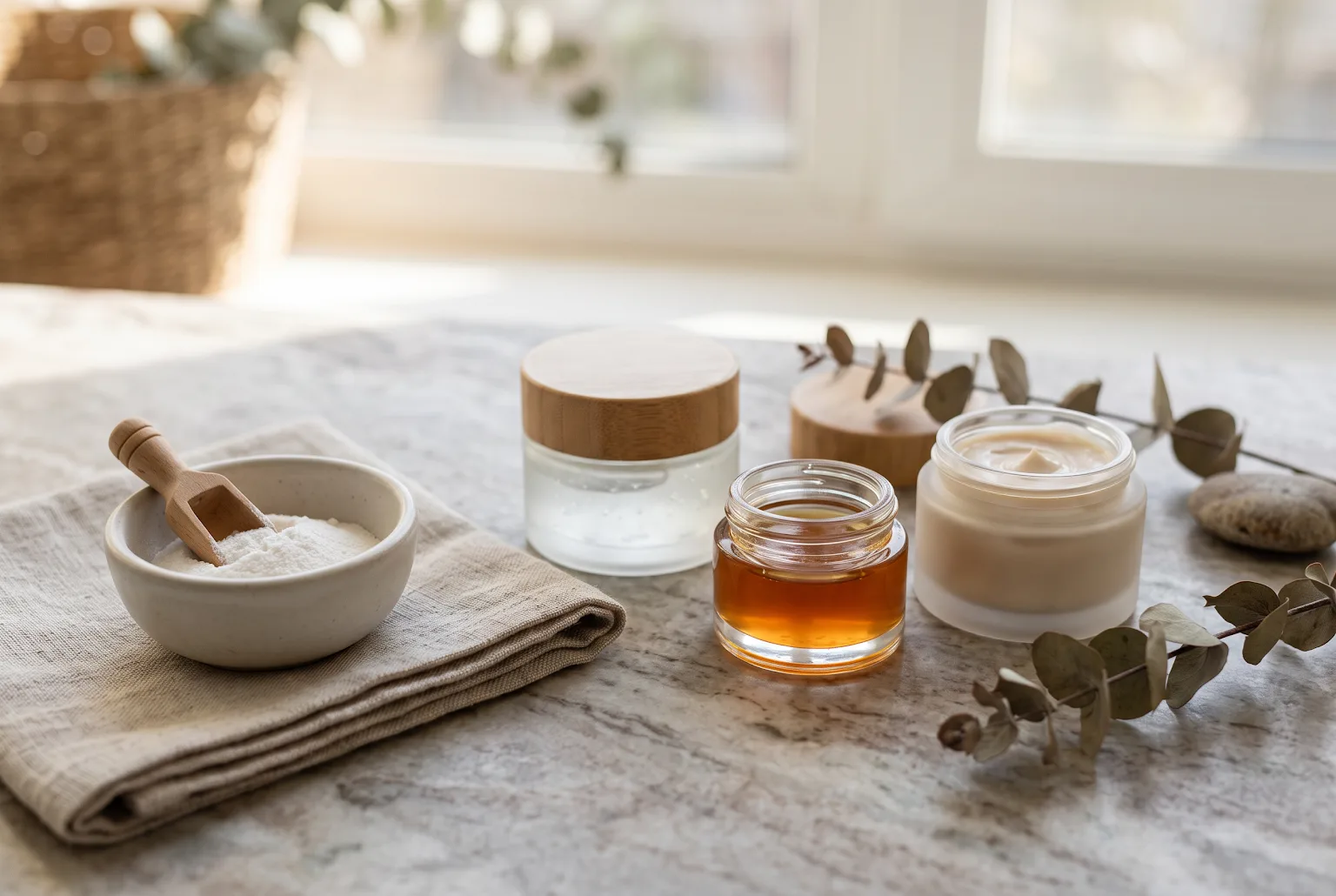
Use a moisturizer that combines multiple humectants (hyaluronic acid, glycerin, polyglutamic acid), barrier lipids like ceramides, and a light occlusive to seal hydration. For oily but dehydrated skin, pick a gel‐cream; for chronically dry or winter skin, choose a richer cream and a gentle occlusive. Apply morning and night and always layer sunscreen in the AM.
What the best moisturizer for dehydrated skin actually does
Dehydration is a loss of water in the skin, not necessarily a lack of oil. The best moisturizer for dehydrated skin targets three tasks: attract water into the outer layers, repair the skin’s lipid barrier, and slow water loss with an occlusive finish. Look for products that combine those three mechanisms rather than relying on a single thick emollient.
This matters because a heavy oil alone can feel moisturizing but won’t replace water content; conversely, a humectant-only serum can draw moisture toward the surface and increase transepidermal water loss unless you follow it with a barrier repair step. Decide by texture and season: a lightweight gel-cream can deliver multiple humectants without pore-clogging oils, while a cream with ceramides and a small percentage of squalane or dimethicone will be more effective in cold, dry air.
Hero image
The ingredient checklist: humectants, ceramides, and occlusives
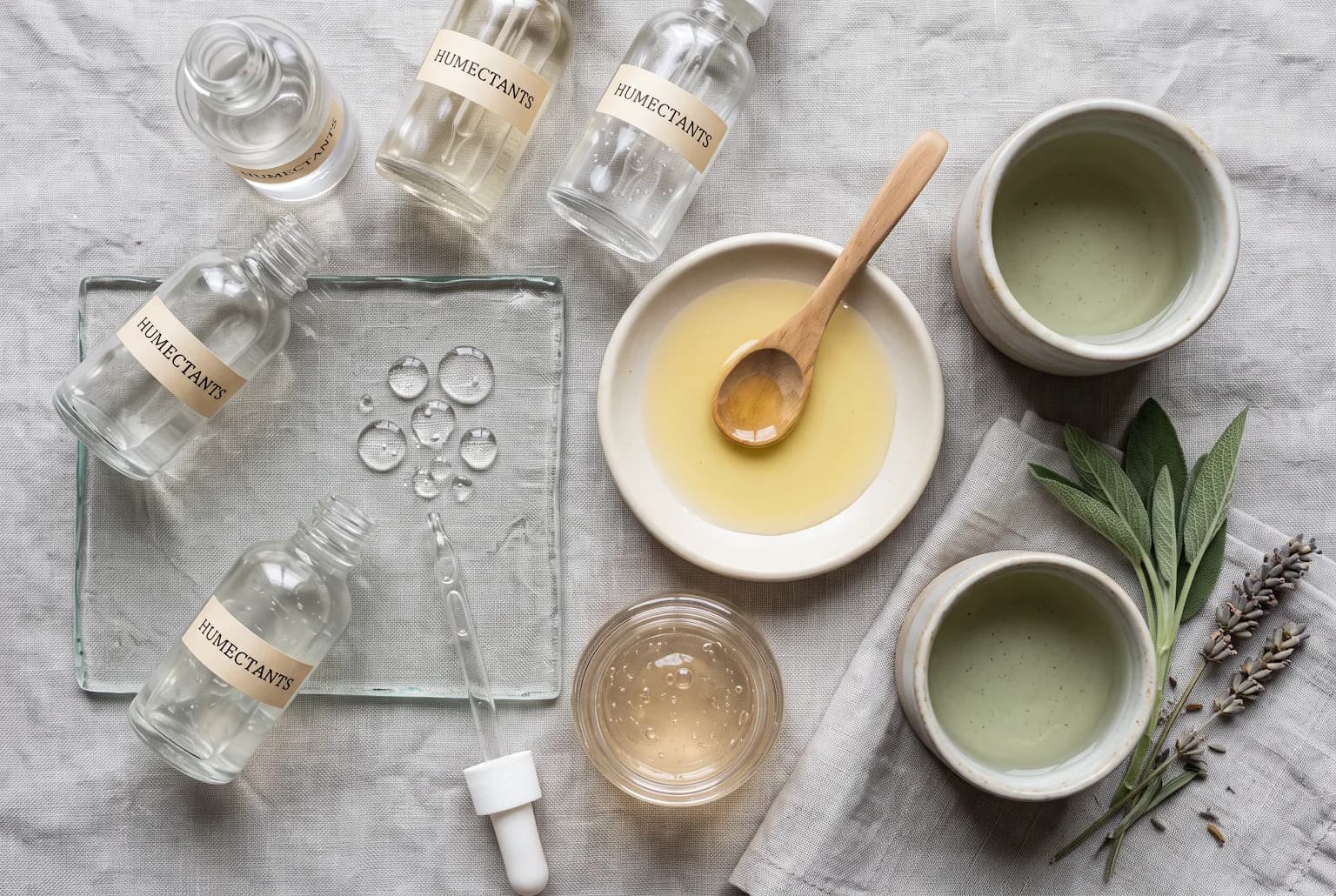
Understand ingredient roles before you buy. Humectants like hyaluronic acid (HA), glycerin, and polyglutamic acid (PGA) pull and hold water in the stratum corneum. Ceramides and cholesterol restore the lipid matrix and are essential for long-term barrier repair. Light occlusives — squalane or a small amount of dimethicone — form a breathable film that reduces water loss without a heavy satin finish.
| Ingredient | Primary role | What to look for |
|---|---|---|
| Hyaluronic acid (HA) | Hydration reservoir | Multiple molecular weights or sodium hyaluronate, not just "HA" generically |
| Glycerin | Humectant and skin feel | High in concentration and listed near front of INCI if hydrating is priority |
| Polyglutamic acid (PGA) | Long-term water retention | Often paired with HA for synergistic hold |
| Ceramides | Barrier lipids | Ceramide NP/NS/AP listed in formula; helpful for chronic dehydration |
| Squalane / dimethicone | Occlusive/sealant | Lightweight occlusives to lock in humectants with minimal pore‐clog risk |
These are decision criteria you can check on the ingredient list: humectant concentration and variety, ceramide presence, and a light occlusive. If you want a product with multiple humectants, compare where HA and glycerin sit in the INCI list—ingredients near the top are present in higher concentrations. Brands often balance cost by pairing one high‐concentration humectant with smaller amounts of others, so prioritize formulas that list at least two humectants in the top third of the ingredient list.
Texture and format: gel-cream, light cream, and rich creams who should use each
Texture matters because it determines how a formula feels, layers, and interacts with skin type. Gel‐creams: best for oily or combination skin with dehydration. They combine water-based humectants with light emollients, absorb fast, and reduce surface shine. Light creams: a midweight option for combination to normal skin; these offer more ceramides or fatty acids and are versatile across seasons. Rich creams: denser, often with higher occlusive content and thicker emollients; ideal for sensitive, very dry, or aging skin in cold climates.
Tradeoffs: gel‐creams may need reapplication or a PM boost in winter; rich creams can feel heavy in heat and may not suit acne-prone complexions. A practical approach is to own two formats: a gel‐cream for daytime or summer and a richer cream for night or winter. If you have combination skin, try zone-specific application—light gel-cream across the T-zone, richer cream on the cheeks—and consult a simple zone-first plan like the one in our guide to Best Face Moisturizer for Combination Skin: The Smart Gel-Cream Guide.
How to layer a moisturizer for faster rehydration
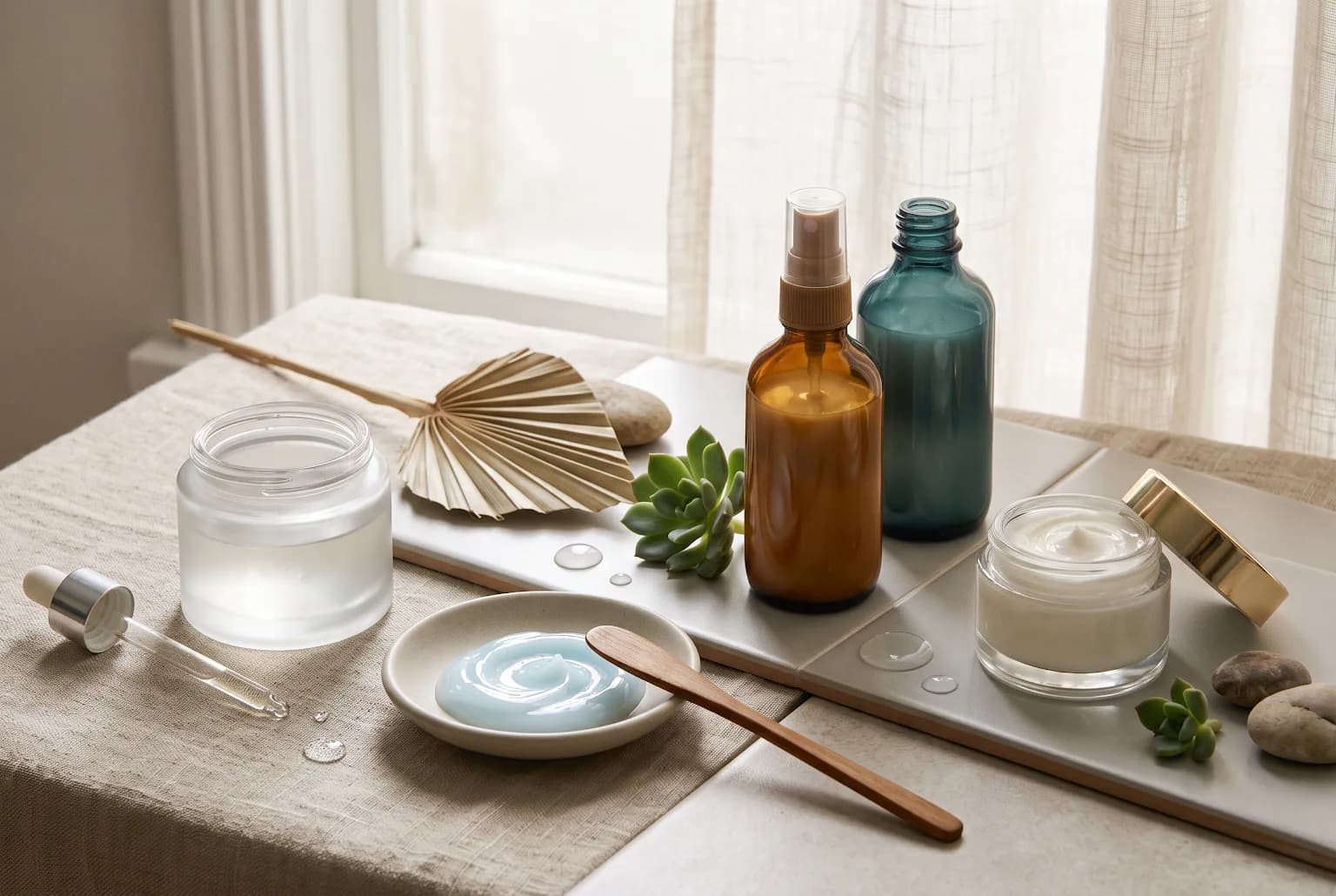
The order of application changes effectiveness. Start with a hydrating serum containing humectants (HA, glycerin, PGA), while skin is slightly damp after cleansing to maximize uptake. Next, apply a ceramide-rich moisturizer to rebuild the lipid barrier, and finish with a light occlusive if needed to lock everything in. For mornings, follow with sunscreen; at night, consider a richer occlusive if your environment is dry.
A routine example for oily but dehydrated skin: gentle foaming cleanser → water-based humectant serum → gel-cream with HA + ceramides → sunscreen. For very dry skin: cream cleanser → leave-on hydrating toner or serum with glycerin → rich cream containing ceramides and squalane → facial oil or balm as a final seal when needed.
Inline image
Shopping decision examples and price tradeoffs
Concrete examples help when comparing shelves. If you want the best hydration-per-dollar, prioritize formulas that list glycerin and HA in prominent positions—those ingredients are inexpensive to produce but effective. Pay a premium for multiple targeted humectants (HA + PGA) and clinical packaging, but balance that against active concentrations and ceramide content.
Three practical shopping scenarios:
- Budget-focused: choose a cream with glycerin high in the INCI and added ceramides for barrier support. It’s better to have good glycerin + ceramides than a luxury product with a single trendy humectant.
- Active-first: if you also want anti‐aging benefits, pair a humectant-rich moisturizer with actives (retinoid at night, vitamin C in AM under sunscreen) and consult guides like Best Cream for Fine Lines for layering.
- Acne-prone but dehydrated: opt for non‐comedogenic gel‐creams that list humectants first and avoid heavy oils; our barrier-first guides such as Best Moisturizer for Dry, Sensitive, Acne-Prone Skin can help narrow choices.
Texture troubleshooting: oiliness, flakiness, and acne-prone concerns
If your skin feels both oily and tight, you're likely dehydrated and producing surface oil to compensate. Fix the water deficit first with humectants and a lightweight ceramide formula rather than stripping cleansers. For visible flaking, add a richer emollient on the drier zones at night and consider a gentle chemical exfoliant once weekly to remove dead surface layers so humectants can penetrate.
For acne-prone skin, avoid high concentrations of heavy oils and waxes; instead, choose non‐comedogenic labels and formulas that use squalane (a lighter oil) or dimethicone as the occlusive. A tiny percentage of dimethicone reduces transepidermal water loss with a matte finish. If you’re balancing acne treatments like benzoyl peroxide or topical retinoids, layer a humectant serum first and use a non-irritating ceramide cream to reduce sensitivity.
Inline image
Nighttime strategies for repairing long-term dehydration
Night is when barrier repair is most active. For sustained improvement, use a multi‐mechanism approach: a humectant serum (HA + glycerin or PGA) followed by a ceramide-rich cream. Twice-weekly targeted treatments — an overnight mask with higher occlusive content or a leave-on hydrating mask containing glycerin and ceramides — can accelerate improvement when your environment or medication history contributes to chronic dehydration.
If you take medications or live in very dry climates, address environmental factors alongside topical care. For a programmatic approach, create an AM/PM protocol documented over 4–6 weeks and track changes in texture and tightness rather than expecting overnight transformation. For routine ideas that keep things simple across skin types, see our primer on Create a skincare routine you’ll actually follow: a short audit and simple AM/PM plan.
Frequently asked questions
How does dehydrated skin differ from dry skin?
Dehydrated skin lacks water in the stratum corneum and can feel tight, dull, and may overproduce oil; dry skin lacks oil and tends to feel rough or flaky. Treat dehydration with humectants first, then support the barrier with ceramides and a light occlusive. If unsure which you have, a short routine trial—humectant serum plus barrier cream—can reveal whether oiliness decreases once water balance improves.
Which humectants should I look for in a moisturizer?
Prioritize glycerin and hyaluronic acid (or sodium hyaluronate) and look for products that pair them with polyglutamic acid (PGA) when possible. Multiple humectants with different molecular sizes hold water at different skin depths. Check the ingredient order: higher placement suggests higher concentration and typically better hydration performance.
Can I use face oil if my skin is dehydrated?
Yes—face oils like squalane can be a useful light occlusive when layered over humectants and ceramide creams. Oils alone won’t resolve dehydration because they don’t add water; use them as the final sealing step only. Avoid heavy oils if you’re acne-prone; choose lightweight, non‐comedogenic oils instead.
How often should I apply moisturizer for dehydration?
Apply a humectant-containing product morning and night. In dry environments or during winter, you may need to reapply a light hydrating serum or mist during the day and use a richer cream at night. Consistency over weeks is what restores skin water content, rather than a single heavy application.
Related Reading
- Best moisturizer for dry flaky skin: a practical guide
- Moisturizer for oily acne skin: a practical texture-first guide
- The best daytime moisturizer for mature skin: smart picks and how to choose
Sources
- DermApproved — Best moisturizer for dehydration (2026 guide)
- NBC Select — Best face moisturizers for dry skin (derm quotes, 2026)
- Find My Skin Routine — Moisturizer ranking & rationale (2026)
Clear guidance, checked before publication.
Solvi articles are structured by our editorial team and reviewed for clarity, consistency, and responsible health language. We update pages when guidance or product information changes.

Amara Lewis
Sensitive Skin Writer. Amara is fascinated by calm, barrier-first skincare and the small details that make a routine easier to tolerate. She favors thoughtful formulas, slow introductions, and less guesswork.


