Serum vs Moisturizer: Different Jobs, Sometimes Overlapping Ingredients
A serum is usually an optional formula chosen for a particular cosmetic purpose. A moisturizer is chosen to provide the moisturizing role in your routine. Their ingredients can overlap, but the words on the bottles do not make them interchangeable or establish that everyone needs both.
Start with the job you need done. If your routine is comfortable and you have no clear reason for another active or hydrating layer, buying a serum is not a required upgrade.
Compare roles rather than a texture rule
| What is missing? | Useful first decision | What does not follow |
|---|---|---|
| A comfortable everyday moisturizing step | Evaluate a moisturizer for that role | A serum is automatically required beside it |
| A specific optional cosmetic goal | Evaluate an exact product for that goal | The word serum establishes stronger results |
| A simpler routine | Keep useful steps and question duplication | Every product category needs its own bottle |
The Ordinary describes serums as targeted products and places them before its moisturizing step in the brand's routine. That is useful context for its products, not a rule that every formula from every manufacturer must follow solely because it says serum.
Check the overlap before adding a bottle
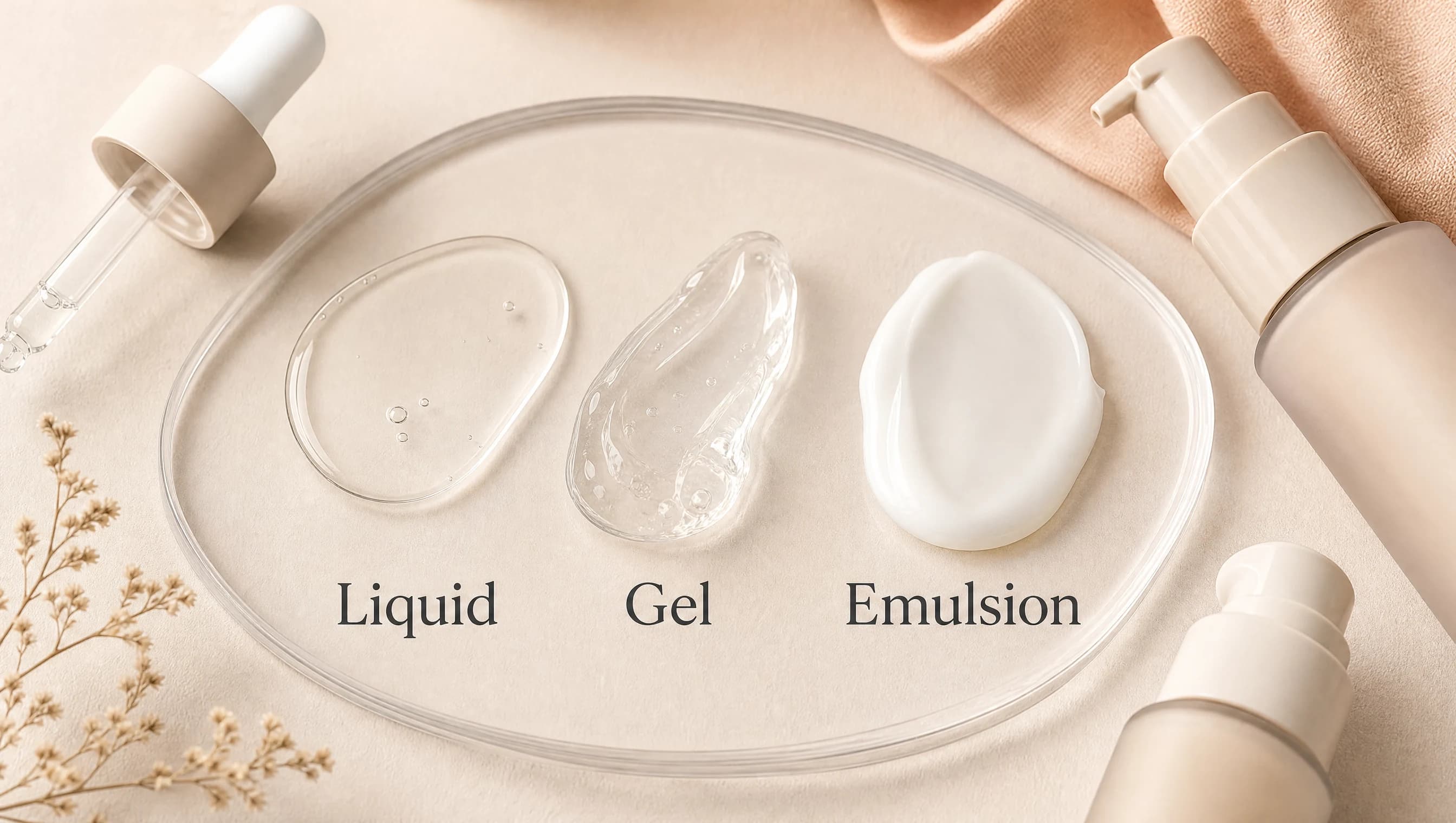
Look for ingredients you already have in existing products. Niacinamide, glycerin or a form of hyaluronic acid can appear in more than one product type. Seeing the same ingredient twice is not inherently a problem, but it should prompt the question: what distinct contribution do I expect from the new product?
A list of recognizable ingredients is not a score. A moisturizer containing several familiar ingredients does not automatically replace a treatment prescribed for a condition, and a highly promoted serum does not automatically replace ordinary moisture support.
For the underlying moisturizing roles, see humectants, emollients and occlusives. For another optional format, compare sheet masks with moisturizer. Both guides can help you avoid buying a separate bottle for every term you encounter.
Three routine decisions with different answers
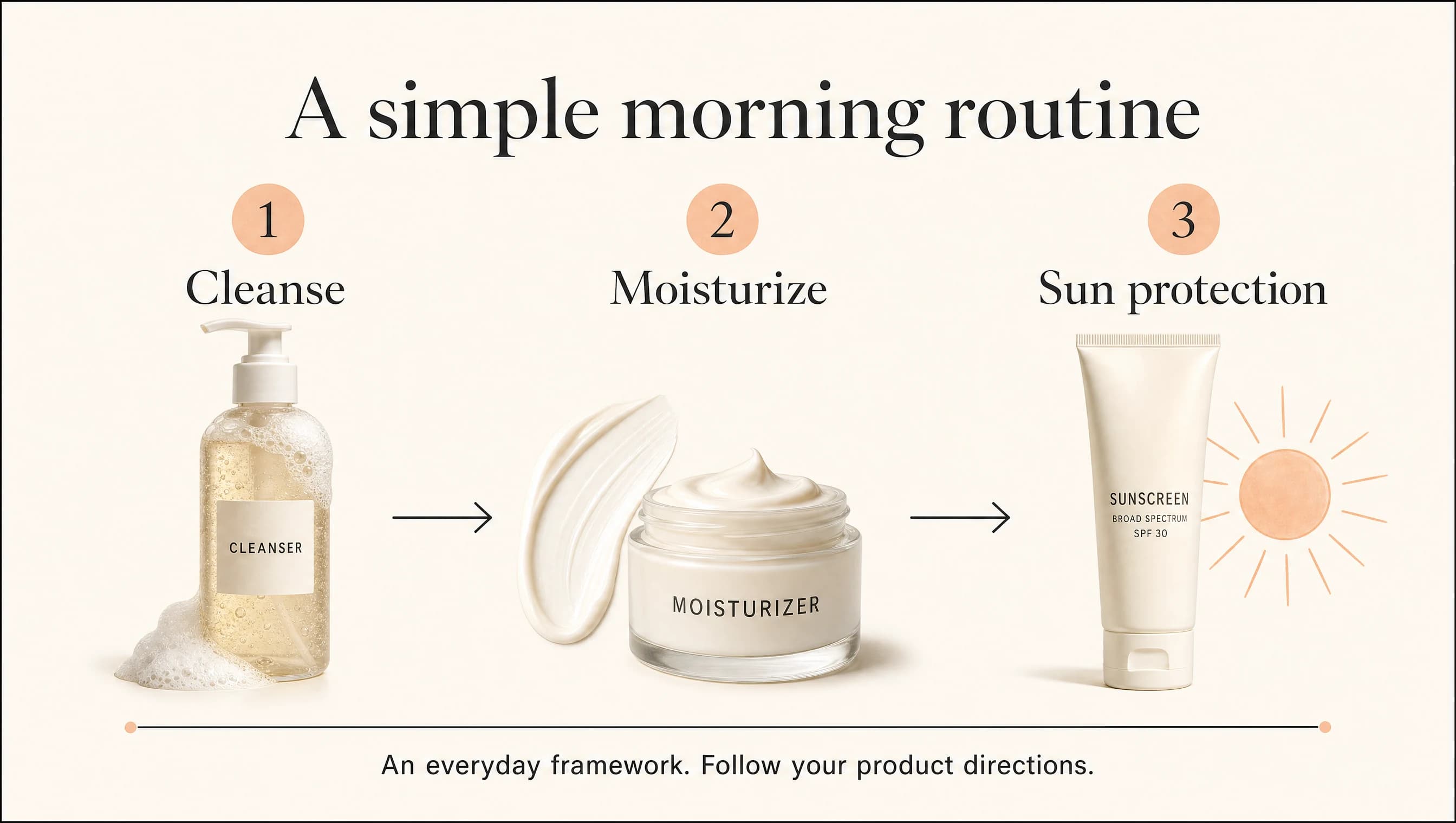
You want a simpler routine: keep the useful essentials and identify optional products that do not have a clear purpose. The AAD's budget framework centers on cleansing, moisturizing and sun protection, not on a compulsory serum step.
You want a particular optional active: select the exact product around that goal, check its restrictions and introduce it in an interpretable way. The decision concerns the formula, not a need to own something labeled serum.
Your skin feels uncomfortable despite many layers: adding another serum may make the routine harder to assess. Review the cleanser, moisturizer, recent changes and products that sting. Persistent symptoms deserve appropriate advice rather than an endless search for the next hydration ingredient.
Our beginner routine guide helps organize the basics. The sensitive-skin product guide is useful when your shortlist needs to account for particular restrictions or uncomfortable experiences.
Follow product directions for layering
Water-based serums are often directed before heavier moisturizing products, but the actual instructions take priority. An oil-based serum, an acid product and a prescription treatment can involve different handling or restrictions. Do not use a universal “thin to thick” slogan to ignore them.
If the routine pills, feels unpleasant or is difficult to maintain, examine whether every layer is needed before buying another product to fix the layering. Reducing redundant steps can make the practical comparison easier.
The AAD describes moisturizers in several forms, from lighter gels to thicker creams and ointments. A product feeling lighter does not automatically make it a serum, and a serum feeling rich does not establish that it fulfills every role you need from a moisturizer.
If discomfort rather than shopping is the central issue, the skin-barrier observation checklist can help describe it.
Frequently asked questions
Do I need a serum before moisturizer?
No universal requirement exists. Use a serum when a specific product has a useful role in your routine, and follow its directions rather than adding it only to complete a sequence.
Are serums always more concentrated than moisturizers?
The category name alone does not establish the concentration of a particular ingredient or the product's results. Compare disclosed information about the actual formulas.
Can I choose one product containing several useful ingredients?
Yes, a formula may combine several roles or ingredients. Decide whether it meets your actual needs without assuming that more separate products must produce a better routine.
Sources
The Ordinary: What is a skin serum? (theordinary.com) — https://theordinary.com/en-gb/blog/what-is-a-skin-serum.html
AAD: Choosing a moisturizer (aad.org) — https://www.aad.org/public/everyday-care/skin-care-basics/dry/pick-moisturizer
AAD: Skin care on a budget (aad.org) — https://www.aad.org/public/everyday-care/skin-care-basics/care/skin-care-budget
Clear guidance, checked before publication.
Solvi articles are structured by our editorial team and reviewed for clarity, consistency, and responsible health language. We update pages when guidance or product information changes.