Do You Need Toner? A Keep-or-Skip Guide for Your Routine
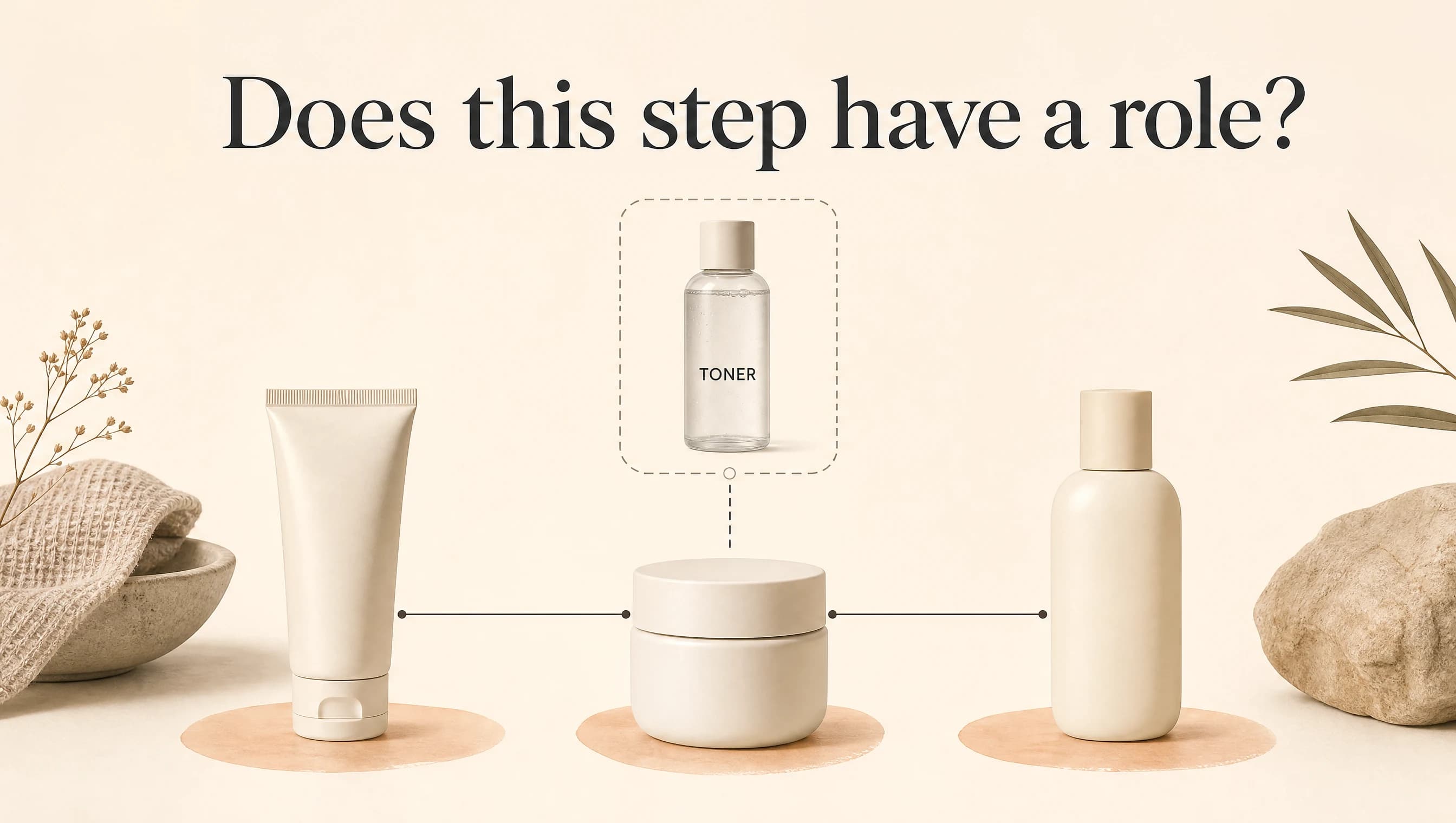
You do not need a toner simply because you use a cleanser. Keep one if it has a specific purpose, suits your skin and is pleasant to use. Skip it if you cannot identify what it adds, it duplicates another product, or it makes your routine harder to maintain.
The word toner is too broad to tell you what a bottle does. A hydrating toner and an exfoliating acid toner can share a shelf while having very different ingredients, instructions and warnings.
Identify which kind of toner you have
| Product type | Question to ask | When skipping makes sense |
|---|---|---|
| Hydrating toner | Does this extra liquid layer improve my routine experience? | Moisturizer already leaves skin comfortable |
| Exfoliating toner | Do I want this particular exfoliating product? | Another step already fills that role |
| Astringent-style toner | What exactly is the intended effect and formula? | You are choosing it only for a tight or squeaky feeling |
| A bottle from a matching set | Would I buy this on its own? | Its only purpose is completing the set |
Two real labels illustrate why the distinction matters. CeraVe Hydrating Toner is described as a leave-on hydrating formula containing ceramides, niacinamide and hyaluronic acid. The Ordinary Glycolic Acid 7% Exfoliating Toner is an acid exfoliant with specific exclusions for sensitive, peeling or compromised skin. They should not be treated as interchangeable “prep” waters.
Start from a routine with a job for every step
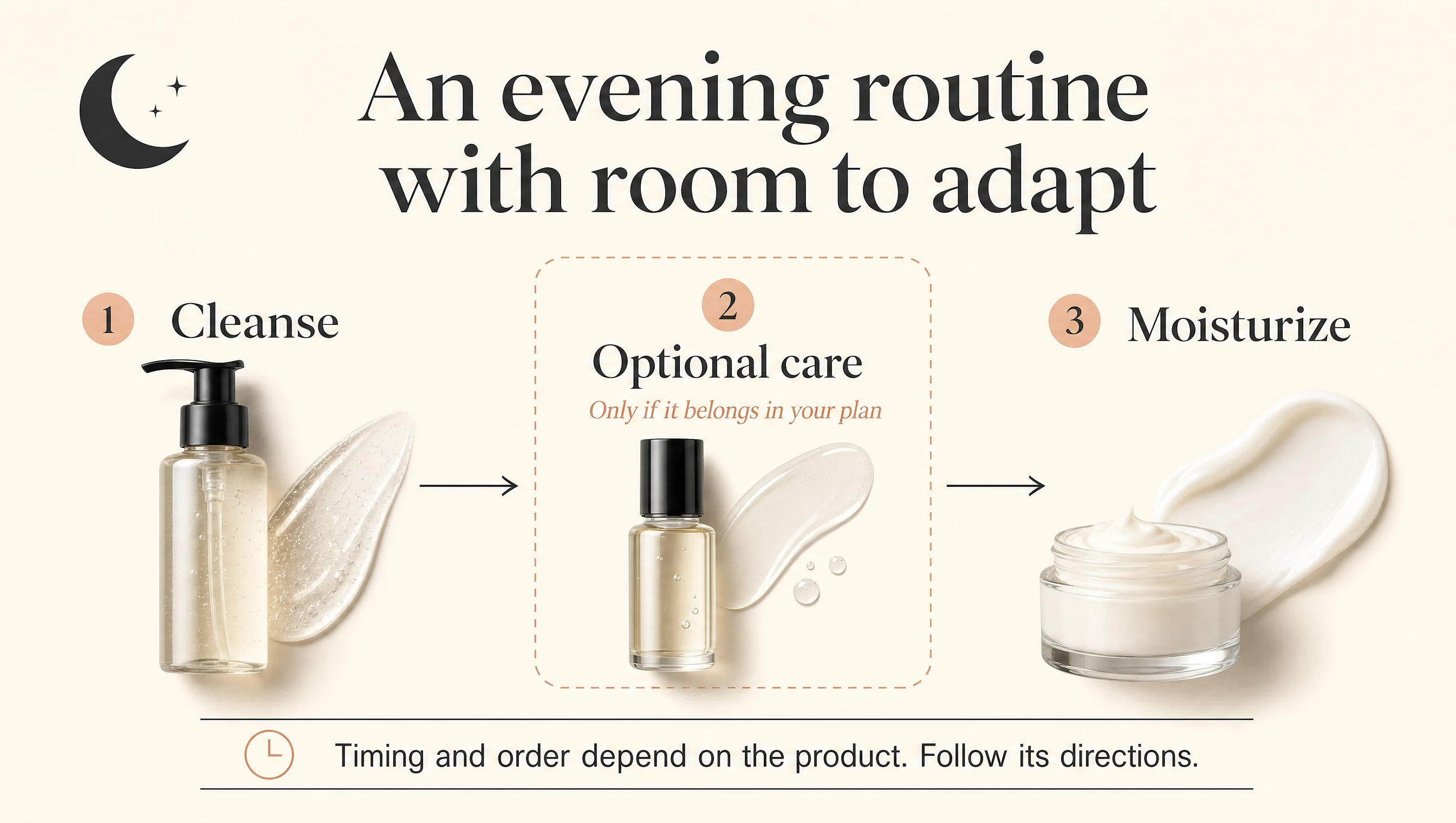
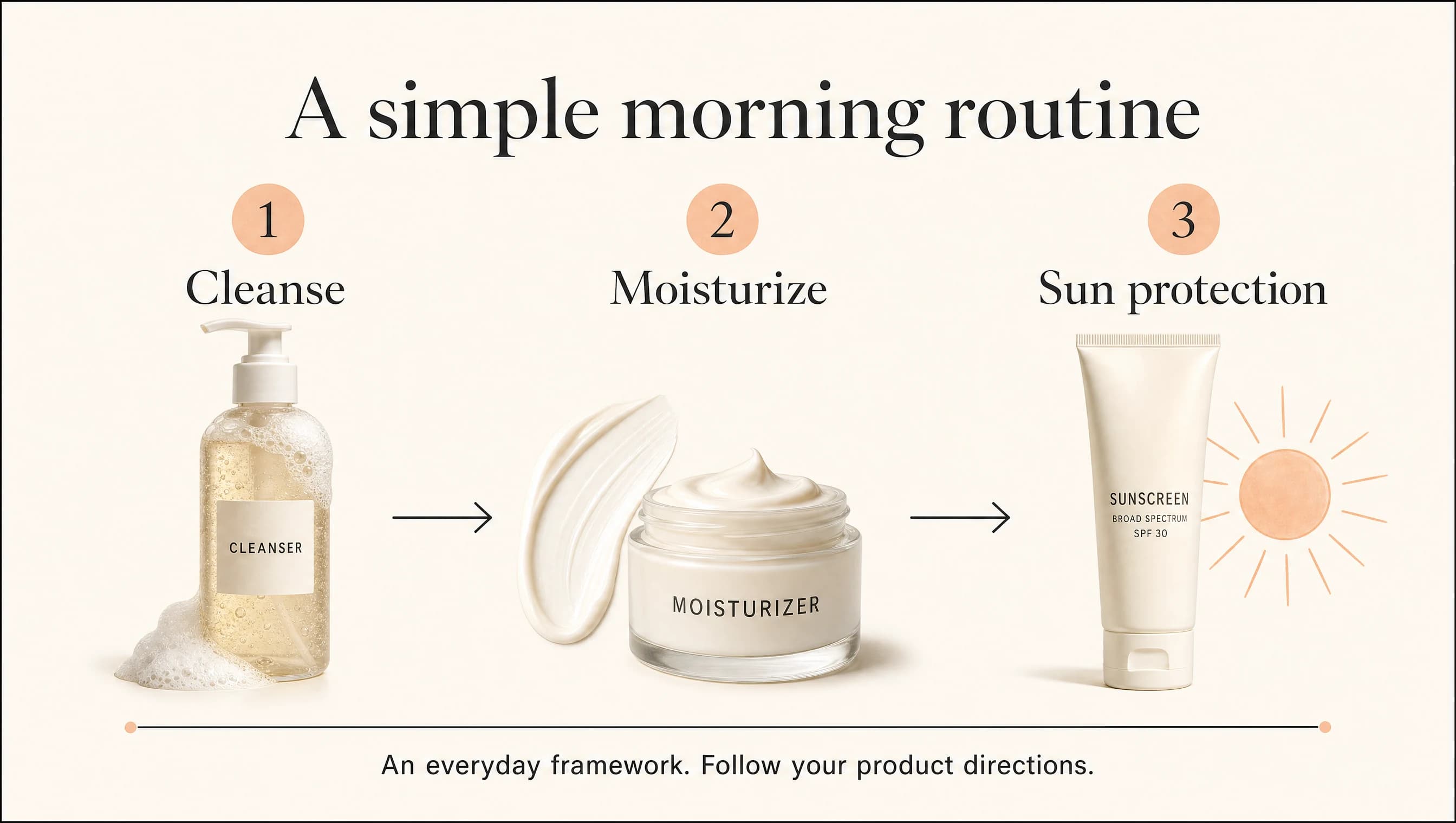
The AAD's simple budget approach consists of cleansing, moisturizing and protecting the skin. A toner is therefore an optional addition to evaluate, not a missing compulsory stage.
Write your current morning and evening steps in order. Beside each, write the reason you keep it. If your moisturizer already gives you the comfortable finish you want, “hydration” may not justify an extra bottle. If you deliberately chose an acid product for an exfoliating purpose, assess it as that optional treatment rather than as a harmless cleansing accessory.
Our beginner routine guide is useful if this exercise produces a long list of overlapping products. The aim is a routine you understand well enough to adjust, not the smallest possible number of bottles at all costs.
Three reasons a toner might earn its place
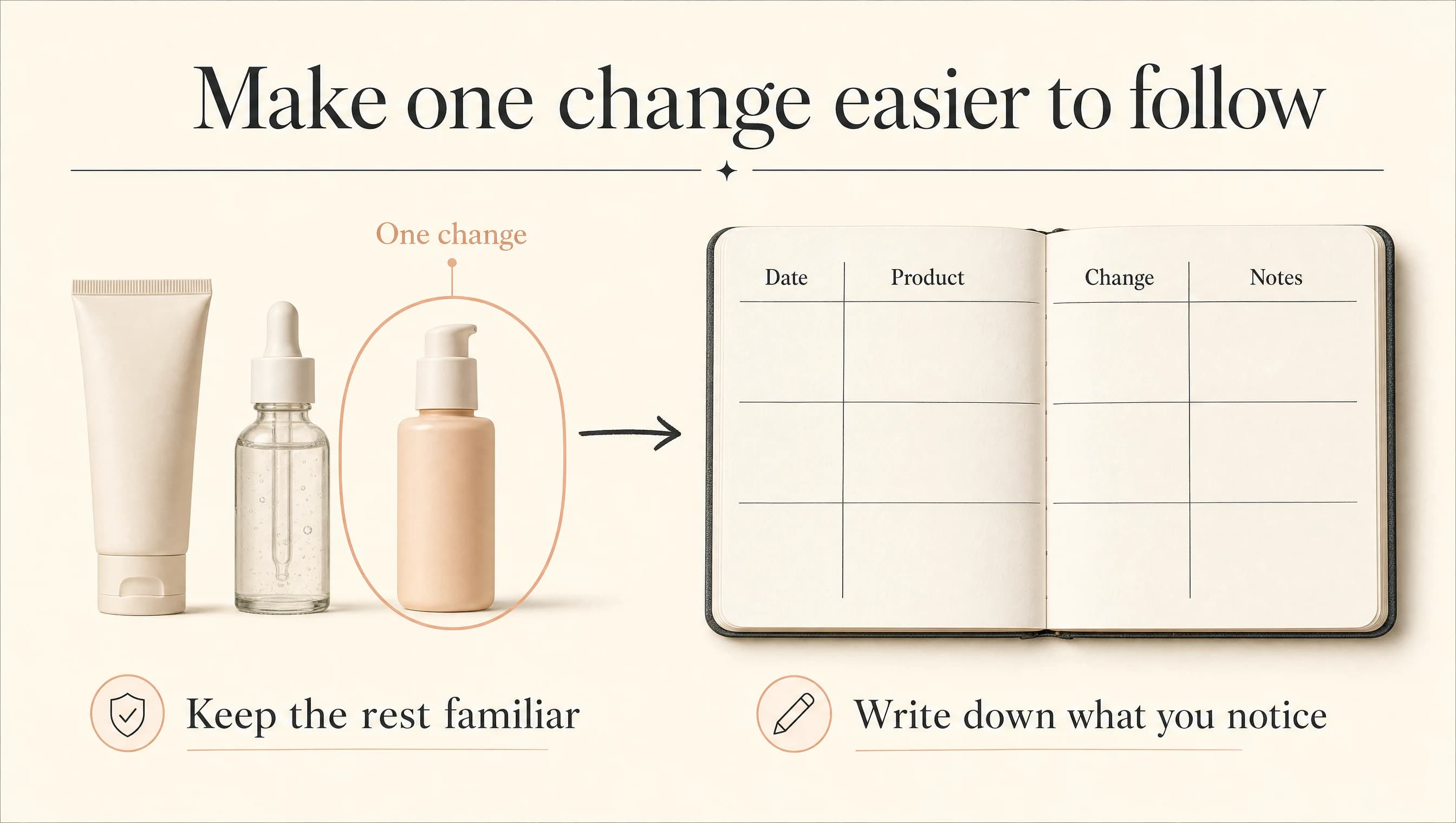
First, you may enjoy its handling and finish. That is a legitimate preference if the formula is comfortable and the expense fits your budget. It does not require a claim that everyone else's skin is missing the same step.
Second, the toner may be the specific format you chose for an optional active. In that case, its value comes from the intended product role and directions, not from the category name. Read hydrating versus exfoliating toner before treating the two as equivalents.
Third, you may have a clearly observed benefit in your own routine, such as preferring how later products apply. Keep the observation specific. It is more informative than assuming the toner allows every subsequent ingredient to penetrate better.
If a formula repeatedly causes discomfort, that outweighs the desire to finish the bottle. Our sensitive-skin product guide and guide to an uncomfortable skin barrier help frame the broader review.
A low-effort keep-or-skip worksheet
Use these three examples to make a keep-or-skip decision before buying another toner.
- “My cleanser, moisturizer and sunscreen already feel comfortable; I cannot name a toner benefit”: skip buying one for now.
- “I enjoy one hydrating layer and it fits comfortably”: that experience can justify keeping the specific product.
- “I chose an acid toner for a defined exfoliation purpose”: keep its active-product directions and check overlap with other exfoliants.
If you are unsure whether a serum would serve a different role, read serum versus moisturizer first.
Frequently asked questions
Can I go straight from cleanser to moisturizer?
Yes, a basic routine can do that. Follow any specific treatment instructions that apply to you, and keep appropriate sun protection in the daytime routine.
Does a toner replace an inadequate cleanser?
Do not buy one only to compensate for a cleansing step that does not meet your needs. Review the actual makeup or sunscreen removal task and choose products suited to it.
Is every toner an exfoliant?
No. Read the ingredients and stated purpose. The category includes hydration-focused products as well as acid exfoliants, so the bottle's name alone cannot determine how often to use it.
Sources
AAD: Skin care on a budget (aad.org) — https://www.aad.org/public/everyday-care/skin-care-basics/care/skin-care-budget
CeraVe: Hydrating Toner (cerave.com) — https://www.cerave.com/skincare/cleansers/hydrating-toner
The Ordinary: Glycolic Acid 7% Exfoliating Toner (theordinary.com) — https://theordinary.com/en-us/glycolic-acid-7-exfoliating-toner-100418.html
Clear guidance, checked before publication.
Solvi articles are structured by our editorial team and reviewed for clarity, consistency, and responsible health language. We update pages when guidance or product information changes.