Sunscreen stinging your eyes: what to do and what to change
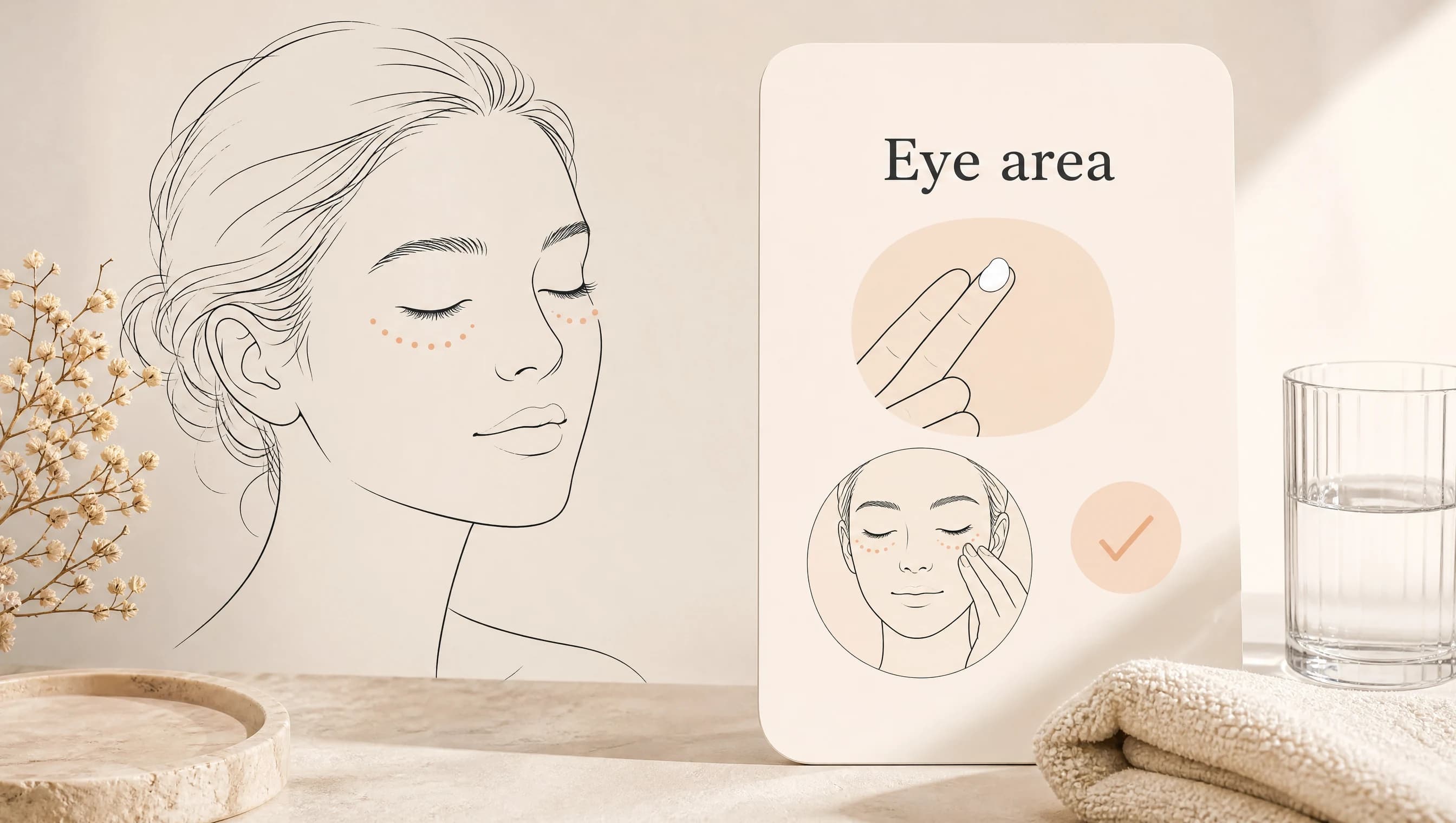
If sunscreen gets into your eyes and stings, rinse with water and stop the exposure. Seek professional advice for persistent, severe or unexpected symptoms, especially eye pain or a change in vision. For future use, review how the product is applied and whether it moves toward your eyes; stinging does not identify a specific allergy by itself.
Deal with the eye exposure first

The National Capital Poison Center advises rinsing sunscreen from the eye with water. Water-resistant formulas can be harder to remove, so a brief splash may not resolve the exposure. Use poison-center or medical advice if you are uncertain or symptoms continue.
Do not use another skincare product to neutralize the sunscreen. Keep the container so you can identify the exact formula if you need help. Knowing the product is more useful than deciding that every ingredient in a broad category must be responsible.
Notice when the problem happens
Separate immediate accidental contact from a product that seems to migrate later. Also distinguish discomfort in the eye from a rash on the surrounding skin. Those observations help you describe the problem; they do not establish a diagnosis.
| Observation | Useful detail to record | Next practical step |
|---|---|---|
| Product entered the eye during application | How it was applied | Rinse and avoid repeating that method |
| Stinging began during sweating | Exact formula and activity | Review application and activity suitability |
| Skin around the eye becomes itchy or rashy | Appearance and timing | Seek advice if persistent or recurring |
| Pain or altered vision | Severity and duration | Obtain prompt professional help |
Improve control around the eyes
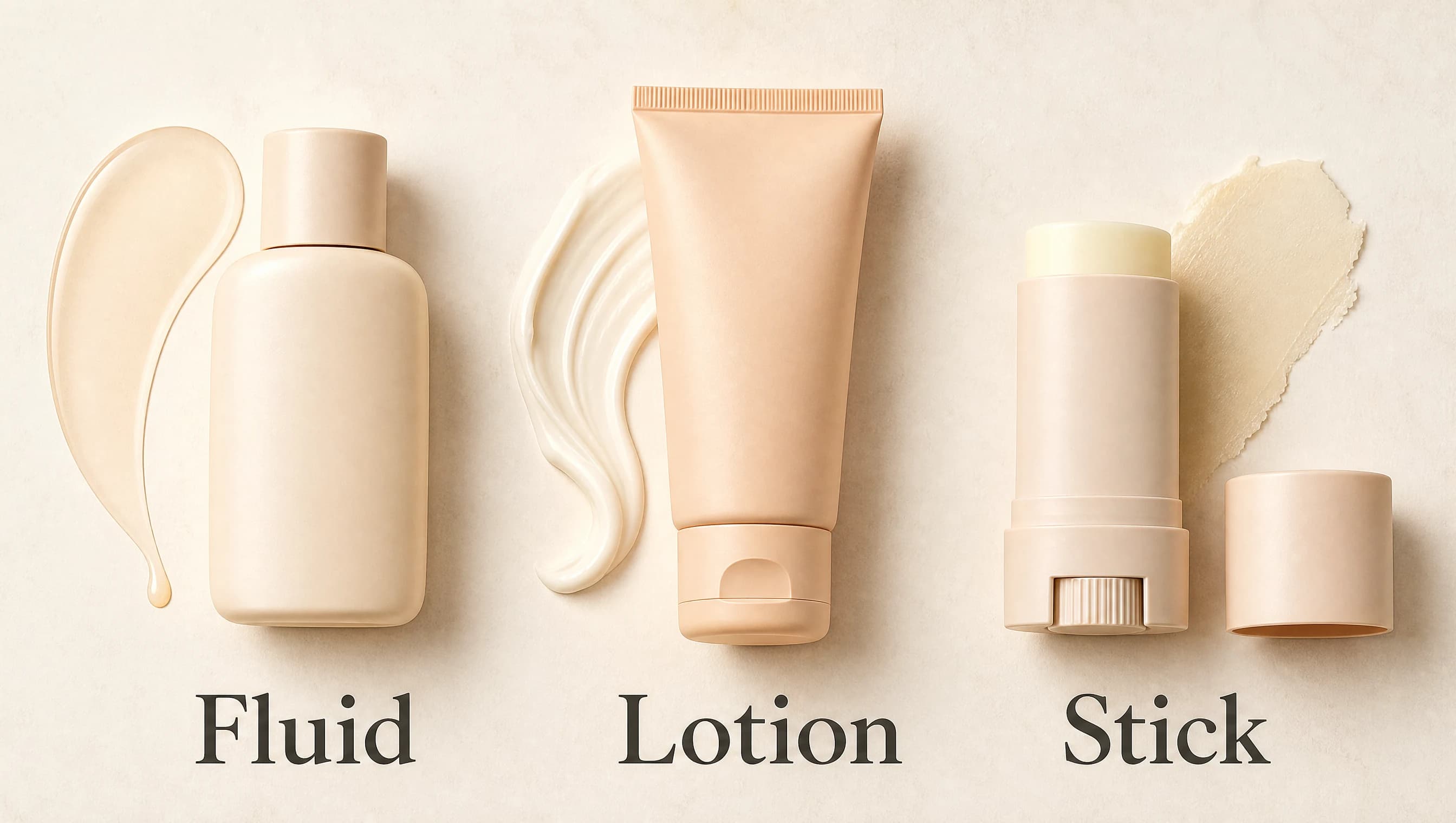
AAD guidance suggests a sunscreen stick as one option to reduce dripping near the eyes. That is an application option, not proof that every stick is non-irritating or suitable for direct contact with the eye.
Read the finished product's precautions. Avoid spraying sunscreen toward the face or eyes. A product intended for the face still requires careful application; face labeling does not mean it belongs on the eye's surface.
Imagine someone who applies a runny formula immediately before exercise and repeatedly wipes their forehead. The next useful comparison is not simply mineral versus chemical. The format, placement, sweating and wiping all deserve attention.
- Address an actual eye exposure first using the advice above; obtain help for persistent, severe or unexpected symptoms.
- For future use, identify when the problem occurred: during application, later during sweating, or on the surrounding skin.
- Read the exact product’s eye-avoidance directions and choose a controlled application method.
- If the problem recurs, bring the container and timing notes to an appropriate professional rather than repeatedly testing an uncomfortable formula.
Choose the next product without making promises
If a formula repeatedly causes a problem, do not keep forcing it into the routine. A pharmacist, dermatologist or other appropriate professional can help distinguish an application issue from a skin reaction.
AAD also offers product-selection advice for skin that burns or stings with sunscreen. That guidance concerns tolerability; it is not an allergy test. No ingredient list can guarantee that a particular person will never experience eye irritation.
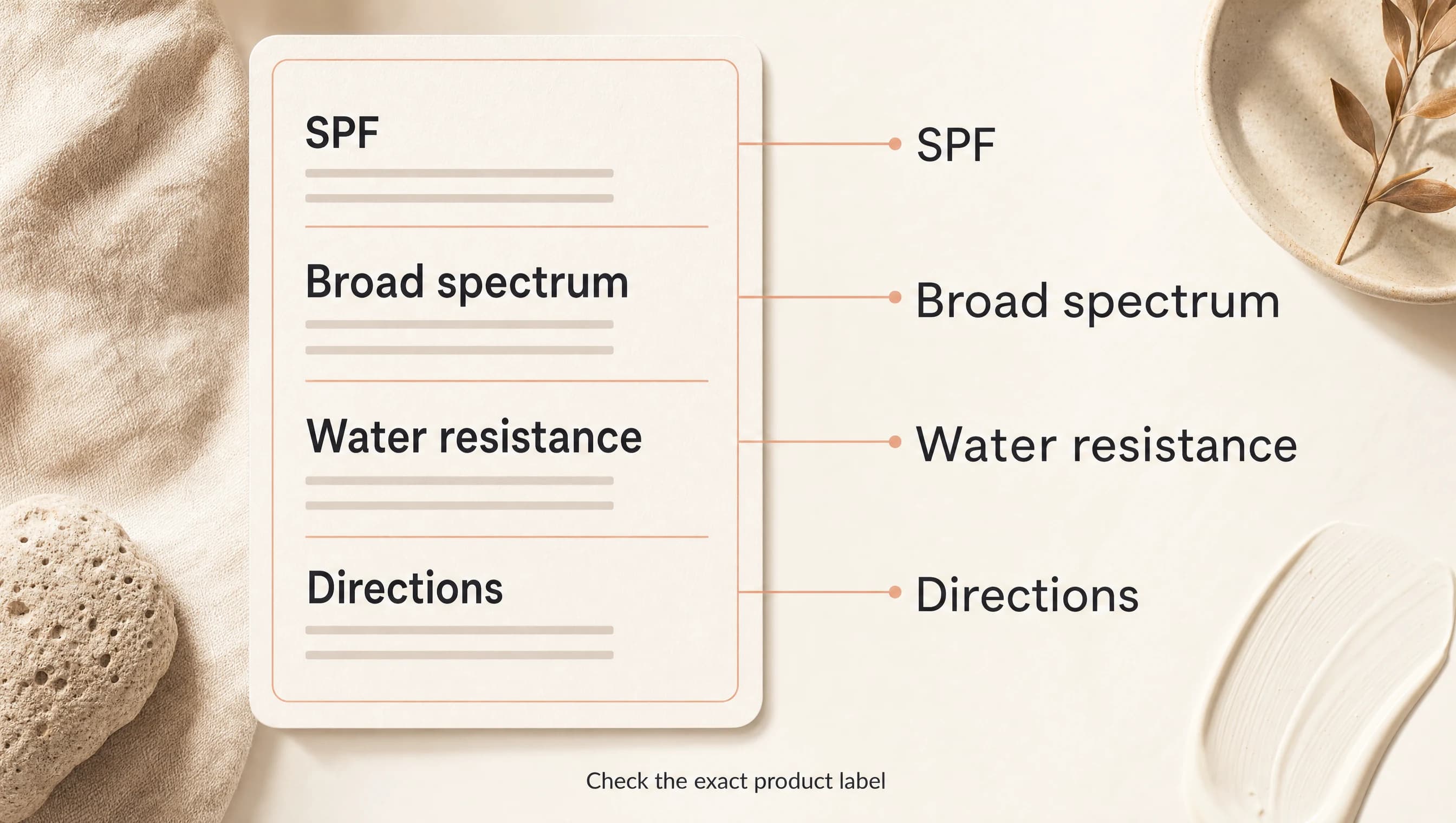
For outdoor activity, check the sunscreen's activity-related directions as well. La Roche-Posay's US Melt-In Milk example separately specifies water resistance and reapplication. Such labeling does not claim that sunscreen is safe to get into the eyes.
Frequently asked questions
Does stinging prove I am allergic to sunscreen?
No. Accidental eye exposure can irritate, and symptoms alone do not identify an allergy. Recurring skin reactions warrant appropriate assessment.
Will a mineral formula definitely stop the problem?
There is no individual guarantee. Consider the whole product, format and application rather than assuming one filter label answers every tolerability question.
Should I stop protecting the eye area from the sun?
Do not make repeated exposure the alternative to an uncomfortable formula. Consider suitable sunglasses, a hat and professional guidance on a tolerable sunscreen approach.
Related decisions
- Best Sunscreen for Combination Skin: Find the Finish That Works on Every Zone
- How to Stop Sunscreen From Pilling: A Layering Troubleshooting Guide
- Best Sunscreen for Melasma: Why Tinted SPF Is the Smartest Daily Buy
- Spray sunscreen vs lotion for face — Review face-application precautions when a spray format is involved.
- Sunscreen after shaving face — Distinguish eye-area stinging from discomfort on recently shaved skin.
Sources
National Capital Poison Center: Sunscreen exposure and irritation (poison.org) — https://www.poison.org/articles/sunscreen
AAD: Choosing sunscreen for different needs (aad.org) — https://www.aad.org/public/everyday-care/sun-protection/shade-clothing-sunscreen/choosing-right-sunscreen
La Roche-Posay US: Anthelios Melt-In Milk SPF 60 directions (laroche-posay.us) — https://www.laroche-posay.us/our-products/sun/body-sunscreen/anthelios-melt-in-milk-sunscreen-spf-60-antheliosmeltinmilk.html
Clear guidance, checked before publication.
Solvi articles are structured by our editorial team and reviewed for clarity, consistency, and responsible health language. We update pages when guidance or product information changes.