Best Sunscreen for Combination Skin: Find the Finish That Works on Every Zone


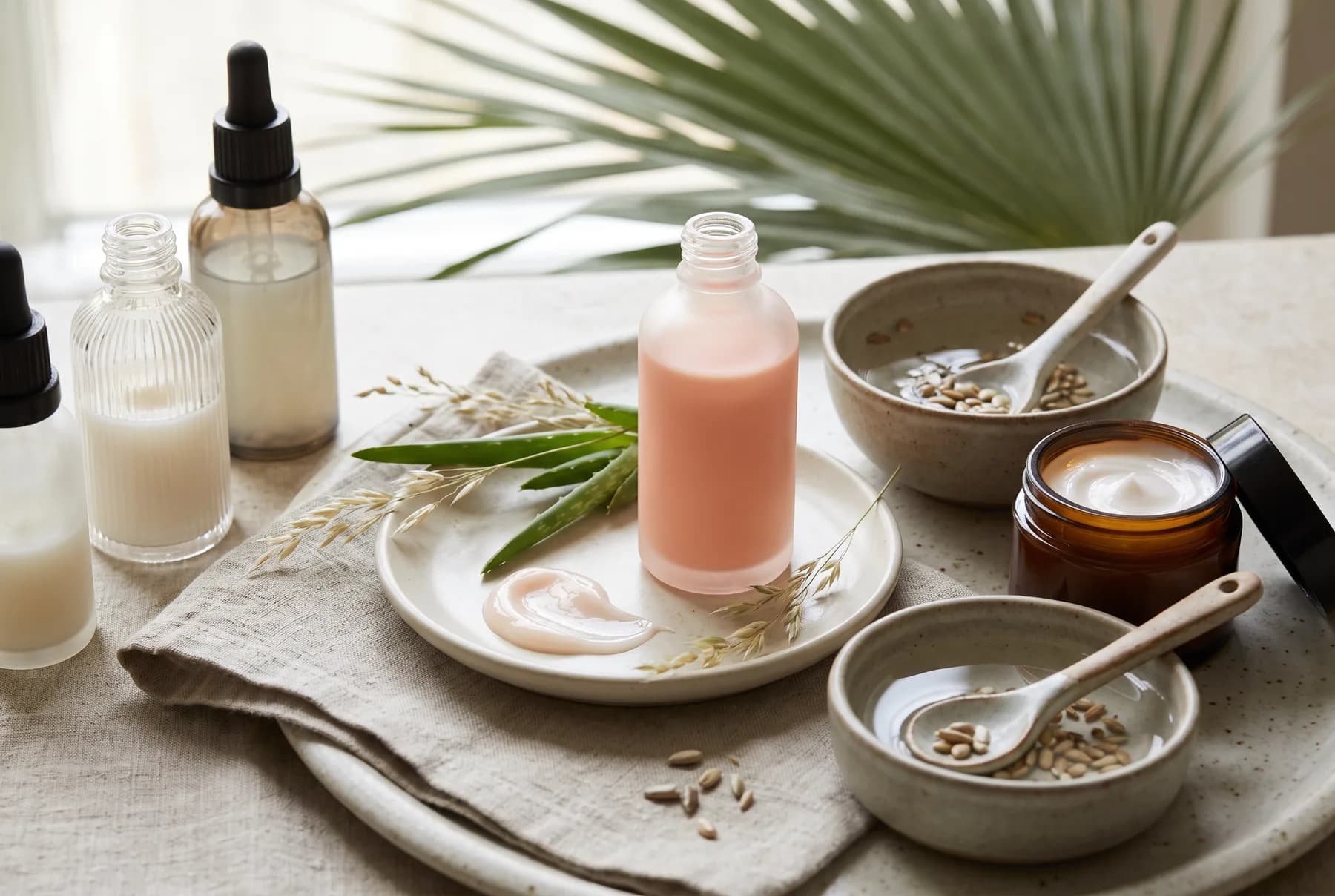
The best sunscreen for combination skin is usually a broad-spectrum SPF 30 to 50 with a lightweight fluid, gel, or easy-spreading lotion texture. Look for a formula that feels low-shine through the T-zone but has enough glide and humectant support that your cheeks do not feel papery by lunch.
Combination skin is less a single skin type than a map: forehead, nose, and chin may get glossy while the perimeter of the face prefers a more cushioned finish. The smart shopping move is to choose sunscreen by how it wears across those zones—not by chasing the driest matte label or the richest cream on the shelf.
The combination-skin sunscreen brief
A daily facial sunscreen needs to clear the non-negotiables before its finish earns a place in your routine. The American Academy of Dermatology advises choosing a broad-spectrum sunscreen with SPF 30 or higher and using a water-resistant formula when swimming or sweating. For a combination complexion, SPF 50 can be an appealing upper end of the everyday range when you want a little more margin without automatically moving into a heavier texture.
The phrase “non-comedogenic” is a useful label cue for people who are prone to clogged pores, especially around the nose, chin, or hairline. It is not a guarantee that every individual will find a formula compatible, so a measured trial on your own skin remains more informative than marketing language alone.
| What to assess | A combination-skin-friendly direction | Tradeoff to know |
|---|---|---|
| Protection | Broad spectrum, SPF 30–50 | Higher SPF does not remove the need to use enough or reapply outdoors |
| Texture | Watery fluid, gel, gel-cream, or thin lotion | Ultra-matte textures may leave dry areas feeling tight |
| Shine control | Silica or a naturally velvety, quick-set finish | Strong oil-control can emphasize flaky patches |
| Comfort | Glycerin or hyaluronic acid in the base | A hydrating finish may read dewier on the T-zone |
| Filters | Mineral, organic/“chemical,” or hybrid | Sensitivity, cast, and finish vary formula by formula |
| Coverage | Clear or tinted | Tinted formulas can transfer to collars or masks |
The goal is a formula you will apply generously and keep applying. A beautiful finish that is so drying you use a whisper-thin layer—or so greasy that you skip it entirely—does not serve the routine.
The five label details worth your time
- Confirm “broad spectrum” and choose SPF 30 or higher; SPF 30–50 is a practical facial-shopping window.
- Look for a stated facial texture such as fluid, gel, serum-like lotion, or gel-cream if your T-zone gets shiny.
- Consider non-comedogenic positioning if congestion is part of your combination-skin pattern.
- Scan for silica when you prefer a more diffused, less slick finish; scan for glycerin or hyaluronic acid when cheeks run dry.
- Check whether the product is water resistant if workouts, heat, swimming, or long outdoor stretches are part of the plan.
Choose your texture by zone
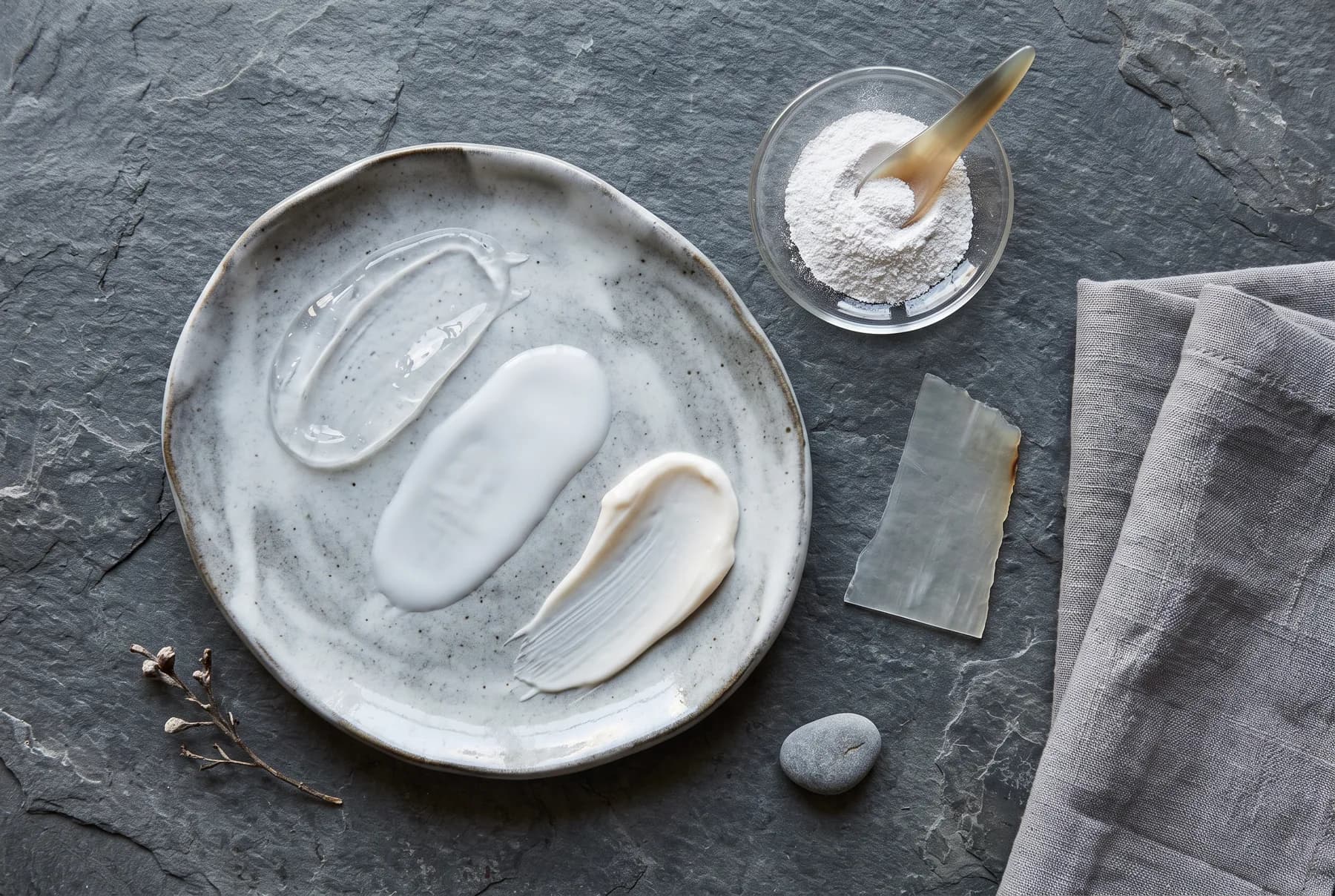
The best sunscreen for combination skin is often not a category winner; it is the texture that disappears most gracefully into your particular face. Think in terms of surface behavior. A fluid tends to spread in a thin, fast layer, a gel can feel clean and light, and a lotion or cream can make dry cheeks look and feel more comfortable.
A mineral sunscreen uses zinc oxide, titanium dioxide, or both as UV filters. Organic filters, often casually called chemical filters, use different approved UV-filter ingredients; hybrid formulas combine mineral and organic filters. None of these categories can predict your perfect finish on their own, which is why the vehicle—the complete formula around the filters—deserves equal attention.
Fluid sunscreen
A fluid is the most versatile first stop for a classic oily-center, dry-edge complexion. Its thin, shake-before-use style can settle quickly over the nose and forehead while still spreading evenly across the cheeks. Choose it if you dislike the feeling of product sitting on the skin or need a sunscreen that layers readily under makeup.
Potential downside: very fast-setting fluids may catch on dry patches if you apply them over bare, dehydrated cheeks. Use a light moisturizer there first and give it a brief moment to settle.
Gel or gel-cream sunscreen
Gels and gel-creams make sense when shine is your top complaint and you want a cool, nearly weightless finish. A formula with silica can be particularly appealing for a T-zone that becomes reflective during the day. Gel-creams split the difference: less cushion than a traditional cream, more comfort than a very lean gel.
Potential downside: an aggressively matte gel can feel taut on the jawline or around the mouth. If that happens, keep the sunscreen and change the layer beneath it rather than immediately assuming you need an all-over richer SPF.
Lotion or cream sunscreen
A thin lotion or cream is a strong choice when your cheeks are visibly drier, your routine includes potentially drying actives, or your base makeup catches on texture. Look for “lightweight” rather than “rich” if your forehead is prone to midday shine. A well-made lotion can still have a natural, non-greasy finish.
Potential downside: a dewy cream may make the nose and forehead look shiny sooner. Consider applying a slightly smaller amount of moisturizer to those zones underneath—not less sunscreen on top.
Tinted mineral sunscreen
Tinted mineral formulas can offer light coverage and may help soften the look of uneven tone or shine without adding a separate complexion product. A tint can also be helpful when you want to avoid the pale cast some mineral formulas can leave, particularly on deeper skin tones. Match and transfer are the practical questions: assess the shade in daylight and test it around a collar before committing.
How to build a combination-skin sunscreen routine

A zone-tailored routine is not fussy; it is simply more accurate. Your sunscreen layer should remain consistent across the entire face, while the skincare beneath it can be adjusted for comfort. This lets you protect dry cheeks without turning the T-zone into a reflective zone by midmorning.
Morning
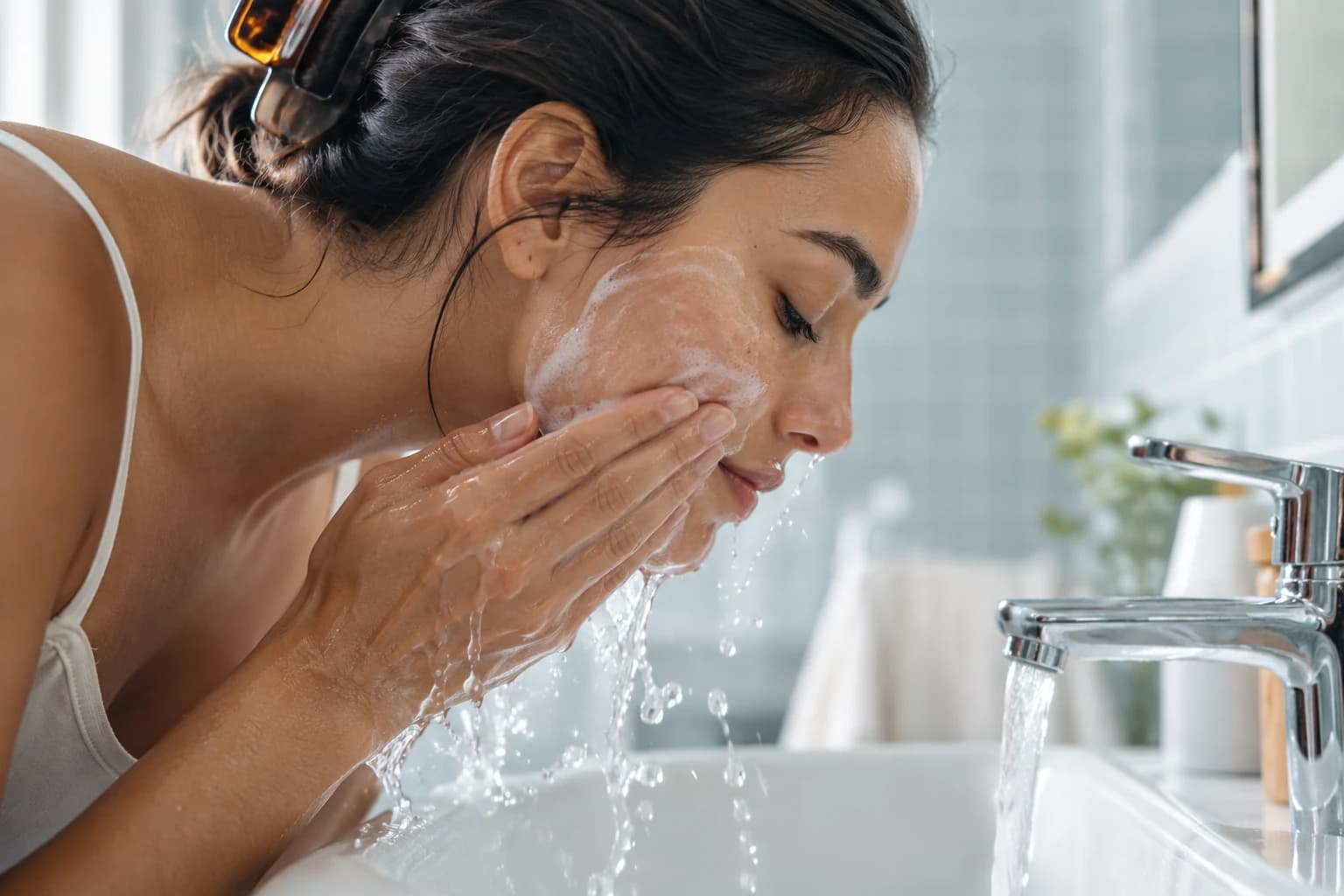
- Cleanse according to your skin’s needs, using a gentle approach if your cheeks already feel dry or sensitive.
- Apply a lightweight hydrating layer where you need it. Keep richer moisturizer focused on cheeks, around the mouth, or other dry areas rather than coating every zone by default.
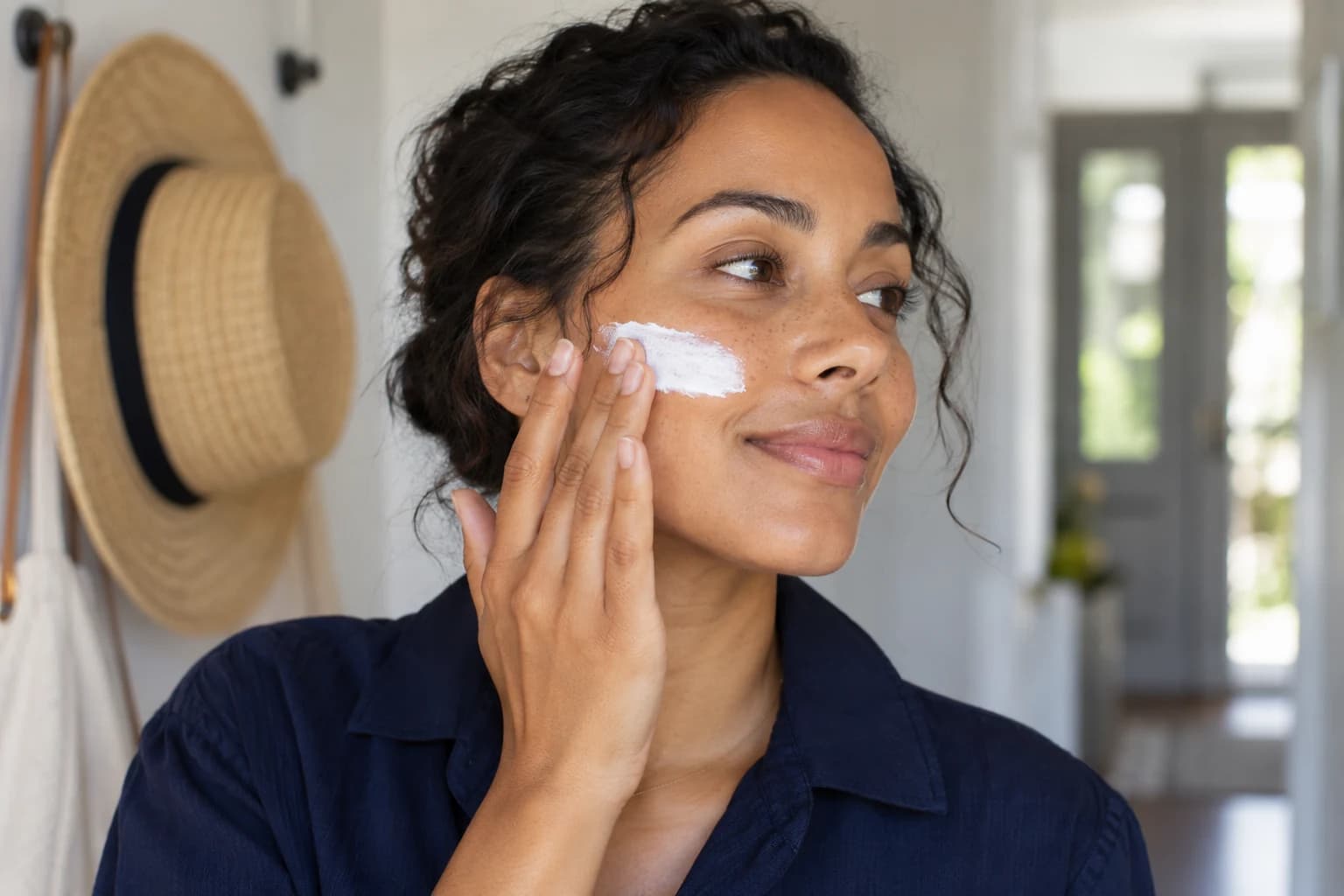
- Apply broad-spectrum sunscreen evenly over the face, ears, neck, and other exposed skin. Do not deliberately skimp on the T-zone in pursuit of a matte look.
- Let the formula settle before makeup. If shine is your concern, choose a compatible finishing product afterward rather than reducing the amount of SPF.
For outdoor exposure, reapplication is part of choosing the right sunscreen. The AAD recommends reapplying about every two hours when outdoors, and also after swimming or sweating. A formula that layers without pilling over your moisturizer, makeup, or both is therefore a genuine value feature—not a minor luxury.
A practical reapplication plan
- Keep the same broad-spectrum sunscreen in your bag when possible so your skin does not have to adapt to a new texture midday.
- If your forehead is shiny, gently blot excess oil first; then apply sunscreen rather than relying on blotting alone as sun protection.
- For beach days, sports, or sweating, prioritize the product’s water-resistant labeling and reapply as directed after water exposure or sweating.
- If a tinted formula is part of your routine, test how it layers and whether it transfers before depending on it for a long day away from home.
Sensitive, acne-prone, and deeper-skin-tone considerations

Combination skin can overlap with sensitivity, breakouts, or concerns about visible cast. These are not reasons to abandon lightweight textures; they are reasons to narrow the field with more intention. One person may prefer a mineral formula, another may find a hybrid fluid more elegant, and a third may be happiest with a clear-finish organic-filter sunscreen.
If your skin is sensitive
Filter category alone does not determine tolerance. Start with a short ingredient list only if that aligns with your preferences, avoid adding several new leave-on products at once, and introduce one sunscreen consistently enough to understand how it behaves. If you have a history of skin reactions or a persistent concern, a dermatologist can offer individualized guidance.
If clogged pores or breakouts are a concern
Non-comedogenic labeling, a lightweight base, and careful makeup layering are sensible places to start. Pay attention to patterns rather than blaming sunscreen automatically: a heavy moisturizer, a new primer, or incomplete cleansing at the end of the day can complicate the picture. If the product does not feel workable, move toward a fluid or gel-cream rather than forcing a dense finish.
If white cast is the deal-breaker
Zinc oxide and titanium dioxide can leave a visible cast in some formulas, especially at higher mineral-filter loads. Tinted or micronized mineral options may improve the cosmetic result, while clear-finish organic or hybrid formulas are other routes to explore. Daylight is the real fitting room; check your face near a window rather than judging only under a bathroom bulb.
Three scenarios, three starting points
- Oily T-zone, comfortable cheeks: Start with a silica-containing fluid or gel SPF 30–50 with a natural-to-matte finish.
- Shiny forehead, dry or flaky cheeks: Try a lightweight lotion or gel-cream SPF 30–50, with moisturizer placed mainly on the cheeks first.
- Combination skin plus a strong preference for mineral filters: Look for a thin, tinted mineral fluid and assess its cast, shade, and transfer in daylight.
- Combination skin plus frequent outdoor activity: Prioritize broad-spectrum, water-resistant SPF 30 or higher in a finish you can reapply without resistance.
What value actually looks like in a facial SPF
Value is not just the price on the tube. A sunscreen earns its place when the format makes daily use easy, the finish works with your makeup or bare-skin preference, and the bottle is convenient enough to use the product generously. A less expensive option that you avoid because it pills is not a bargain; neither is a luxurious one that only works in ideal weather.
Use this short decision sequence before buying a full-size formula:
- Choose your protection baseline: broad spectrum, SPF 30–50, plus water resistance when your lifestyle calls for it.
- Pick your dominant finish concern: oil control, dry-cheek comfort, invisible wear, or tint and light coverage.
- Select the format that answers that concern: gel, fluid, gel-cream, lotion, or tinted mineral.
- Check the practical details: how it sits over moisturizer, whether it pills under makeup, whether tint transfers, and whether you can imagine reapplying it.
- Reassess by season. A fluid that is ideal in humid July may need more supportive skincare underneath in a dry winter climate.
Related reading
- How to Stop Sunscreen From Pilling for Good
- Mineral vs. Chemical Sunscreen for Sensitive Skin
- Best Face Moisturizer for Combination Skin
Frequently asked questions
Is SPF 50 better than SPF 30 for combination skin?
Either can fit a combination-skin routine when it is broad spectrum and comfortable enough to use properly. SPF 30–50 is a useful range to shop; let finish, wear, and reapplication practicality help make the final decision.
Should I use different sunscreens on my T-zone and cheeks?
You can, but you do not have to. It is often simpler to use one flexible facial sunscreen all over and tailor moisturizer underneath: lighter on the T-zone, more supportive on dry cheeks.
Is mineral or chemical sunscreen better for combination skin?
Neither category is universally better. Mineral, organic-filter, and hybrid formulas can all come in light or rich textures; choose based on your comfort, sensitivity considerations, desired finish, and whether visible cast is a concern.
Why does sunscreen pill on combination skin?
Pilling can happen when layers do not sit well together, when too much product is rubbed repeatedly, or when a fast-setting formula is placed over a product that has not settled. Streamline the layers, allow each one to set, and press rather than overwork the sunscreen.
Sources
- American Academy of Dermatology: Sunscreen FAQs and guidance
- Mayo Clinic: Sunscreen basics
- Allure: Sunscreen coverage and product reporting
Clear guidance, checked before publication.
Solvi articles are structured by our editorial team and reviewed for clarity, consistency, and responsible health language. We update pages when guidance or product information changes.

Naomi Chen
Skincare Ingredients Writer. Naomi reads ingredient lists for fun and loves translating formulation language into advice that makes sense at the bathroom mirror. Hydration, barrier care, and sensitive-skin formulas are her favorite rabbit holes.