Spray sunscreen vs lotion for your face: prioritize control
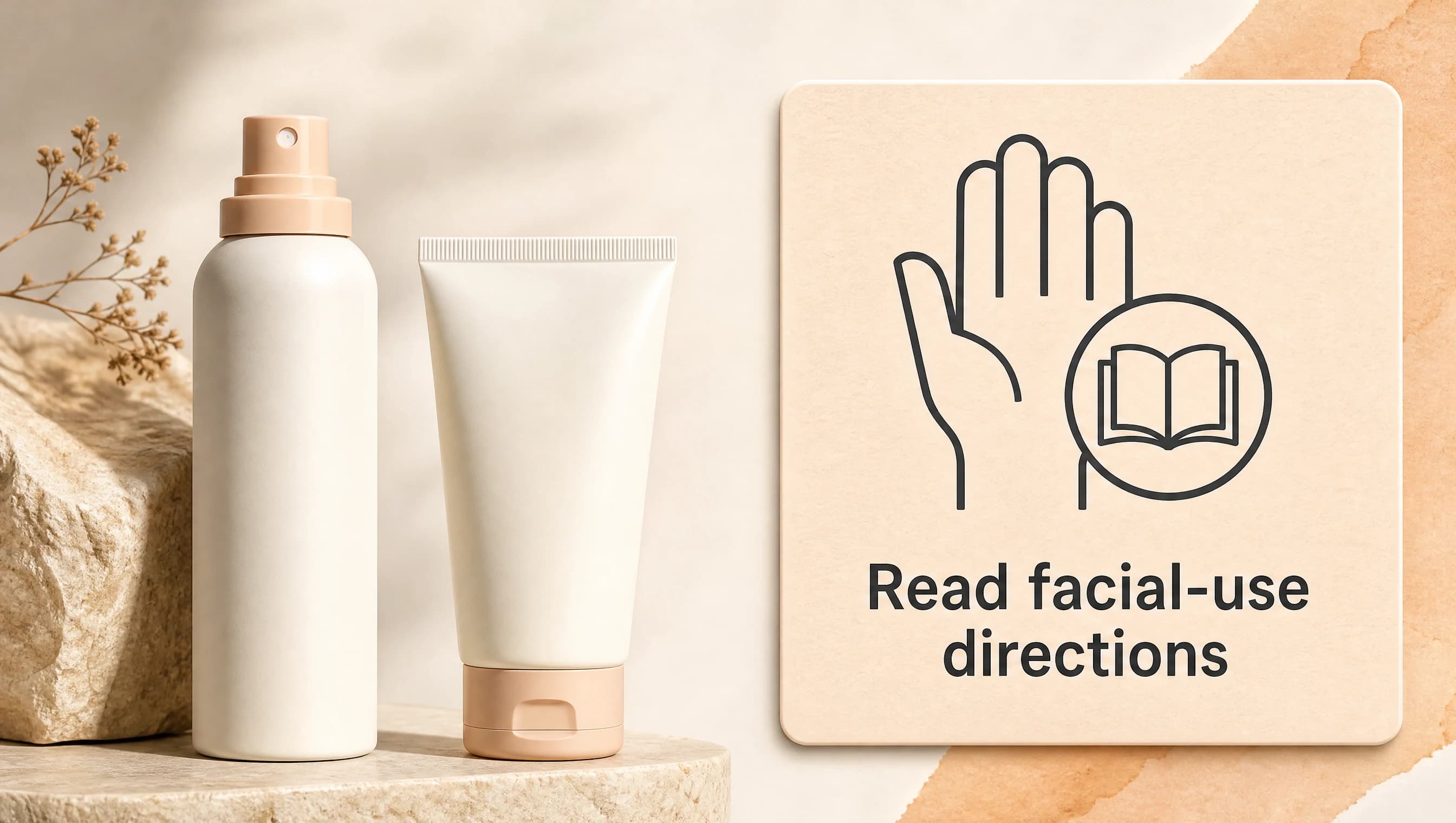
For your face, a lotion usually makes application easier to control. If using a general spray sunscreen, do not spray it directly toward your face; follow its directions for applying from your hands instead. Convenience does not remove the need for adequate, even application or the spray's safety precautions.
The face changes the format decision
A spray can seem quick when covering a large area, but the eyes, nose and mouth make facial application a different task. A product floating through the air is harder to control than a lotion placed on your fingertips.
AAD's spray guidance says to avoid inhalation and direct spraying around the face or mouth. The National Capital Poison Center similarly describes applying from the hands as a way to reduce accidental eye exposure.
| Question | Lotion | Spray |
|---|---|---|
| Can I see where I placed it? | Usually straightforward | Airborne application can be less clear |
| Is direct facial spraying appropriate? | Not applicable | Follow precautions; do not aim at the face |
| Does the format remove the need to spread evenly? | No | No |
| Are flame warnings relevant? | Read its label | Particularly important for flammable sprays |
Follow the complete spray instructions
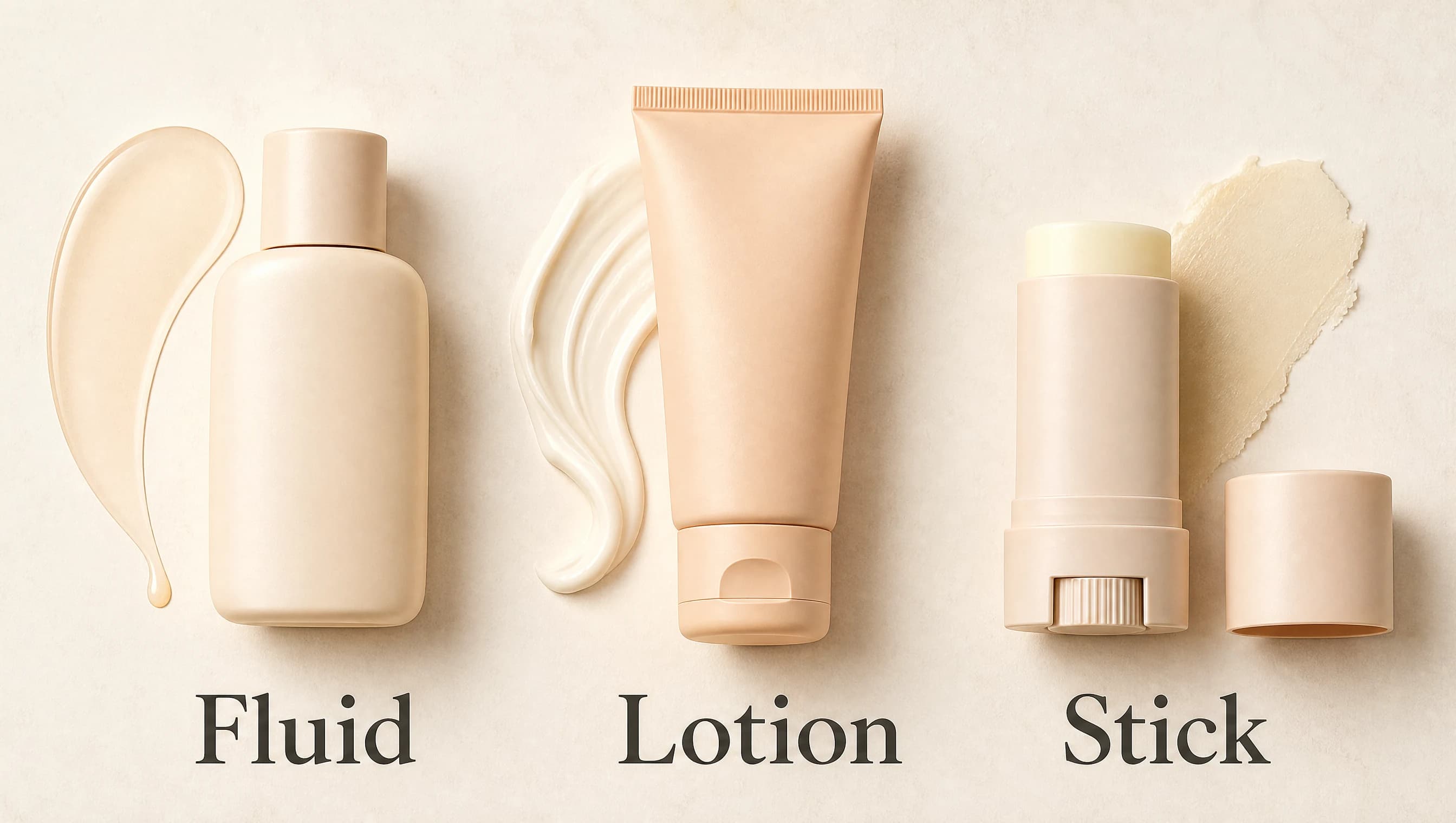
Do not borrow a number of sprays from a different product. No universal spray count establishes the right amount across different nozzles, distances and formulas.
Avoid windy conditions that make control more difficult. If the instructions require rubbing in, do so. A quick mist that feels refreshing is not evidence that a complete sunscreen application has been achieved.
Take flammability warnings seriously
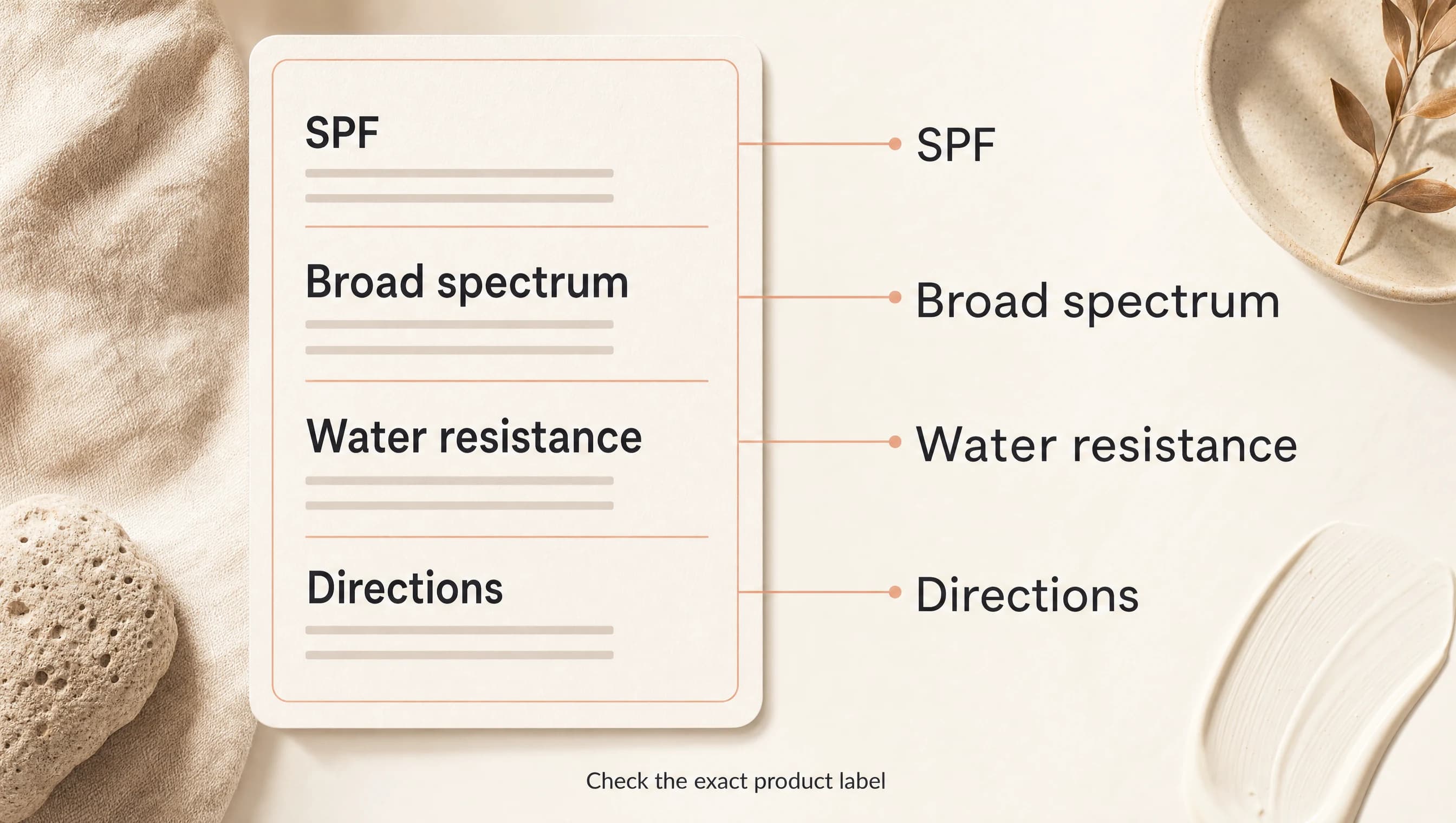
FDA consumer advice warns that some spray sunscreens contain flammable ingredients. Keep products with those warnings away from flames and follow the label while applying and wearing them.
Think about where you will use the product. A picnic beside a barbecue is not the same setting as applying lotion at home. Choosing a nonflammable alternative when relevant can be simpler than trying to fit an unsuitable spray into the situation.
This is a product-and-setting decision, not a reason to abandon sun protection. A lotion or other suitable format can serve the purpose without the same application problem.
Compare what you will actually do
Imagine choosing between a lotion you can apply carefully and a spray you prefer because it seems to preserve makeup with almost no contact. The apparent cosmetic advantage is not useful if it depends on applying too little.
- Check that the product is intended for the areas you plan to cover and read all warnings.
- For facial use, apply a suitable spray from your hands as directed; never aim it at your face or mouth.
- Spread the product as directed and keep application adequate; a light refreshing mist does not complete the task.
- Use a lotion or another suitable option when wind, an open flame or the setting makes the spray difficult to use safely.
If sunscreen enters the eye or an unexpected reaction occurs, follow appropriate first-aid or professional advice. Do not continue spraying toward the face to see whether the next attempt feels better.
Frequently asked questions
Can I close my eyes and spray directly at my face?
Closing your eyes does not resolve inhalation or all accidental-contact risks. Follow the product directions and the guidance against direct facial spraying.
Does a spray give the same protection with less product?
Do not assume that. Labeled protection depends on proper use, and the format does not create a universal reduced amount.
Can I use a spray for facial reapplication over makeup?
Only use it in the manner directed. If preserving makeup requires ignoring application or safety instructions, choose a different approach and accept the need for cosmetic touch-ups.
Related decisions
- Mineral vs. Chemical Sunscreen for Sensitive Skin: The Formula-First Guide
- The best facial sunscreen for mature skin: a hydrating, low-settle guide
- Best Sunscreen for Combination Skin: Find the Finish That Works on Every Zone
- How much sunscreen to use on face — Review coverage requirements before assuming a quick spray provides enough product.
- Sunscreen stinging eyes — Consider eye-area application when comparing spray and lotion for the face.
Sources
AAD: How to use stick and spray sunscreens (aad.org) — https://www.aad.org/public/everyday-care/sun-protection/shade-clothing-sunscreen/how-to-use-stick-spray-sunscreens
National Capital Poison Center: Sunscreen exposure and irritation (poison.org) — https://www.poison.org/articles/sunscreen
FDA: Sun safety and sunscreen precautions (fda.gov) — https://www.fda.gov/consumers/consumer-updates/tips-stay-safe-sun-sunscreen-sunglasses
Clear guidance, checked before publication.
Solvi articles are structured by our editorial team and reviewed for clarity, consistency, and responsible health language. We update pages when guidance or product information changes.