How to Stop Sunscreen From Pilling: A Layering Troubleshooting Guide


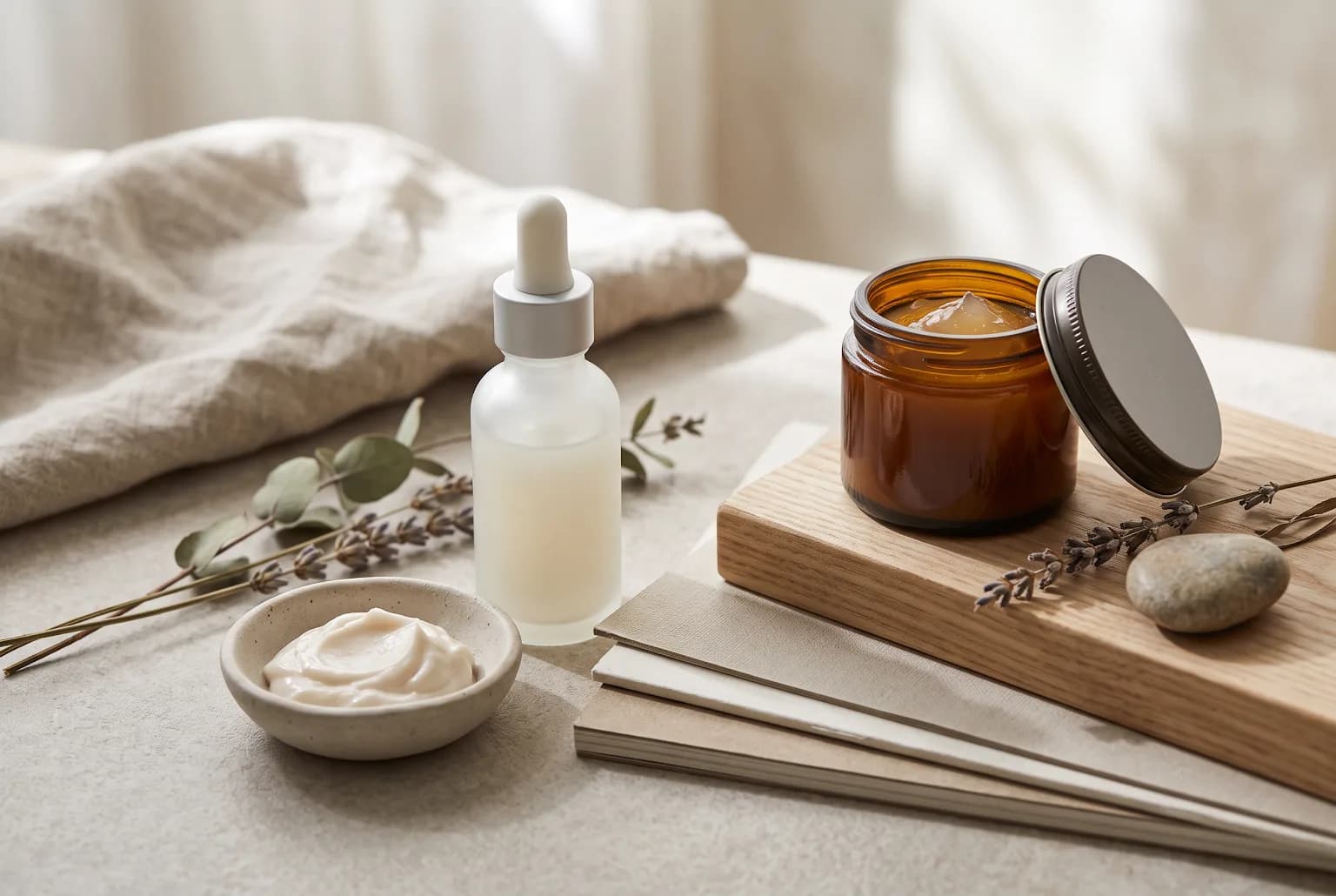
Sunscreen pills when the layers underneath it—or the way it is applied—make the finished film roll into little flakes. The fastest fix is to apply SPF over fully dry, lighter layers, use a press-and-smooth motion rather than vigorous rubbing, and simplify the routine until you find the conflicting texture.
Those soft gray, white, or skin-toned crumbs are frustrating because they can make a careful morning routine look undone just before makeup. But pilling is a mechanical issue: product films catch, drag, and gather on the surface. It does not automatically mean your sunscreen is ineffective, and it is not the same thing as an allergic reaction.
Why sunscreen pills in the first place
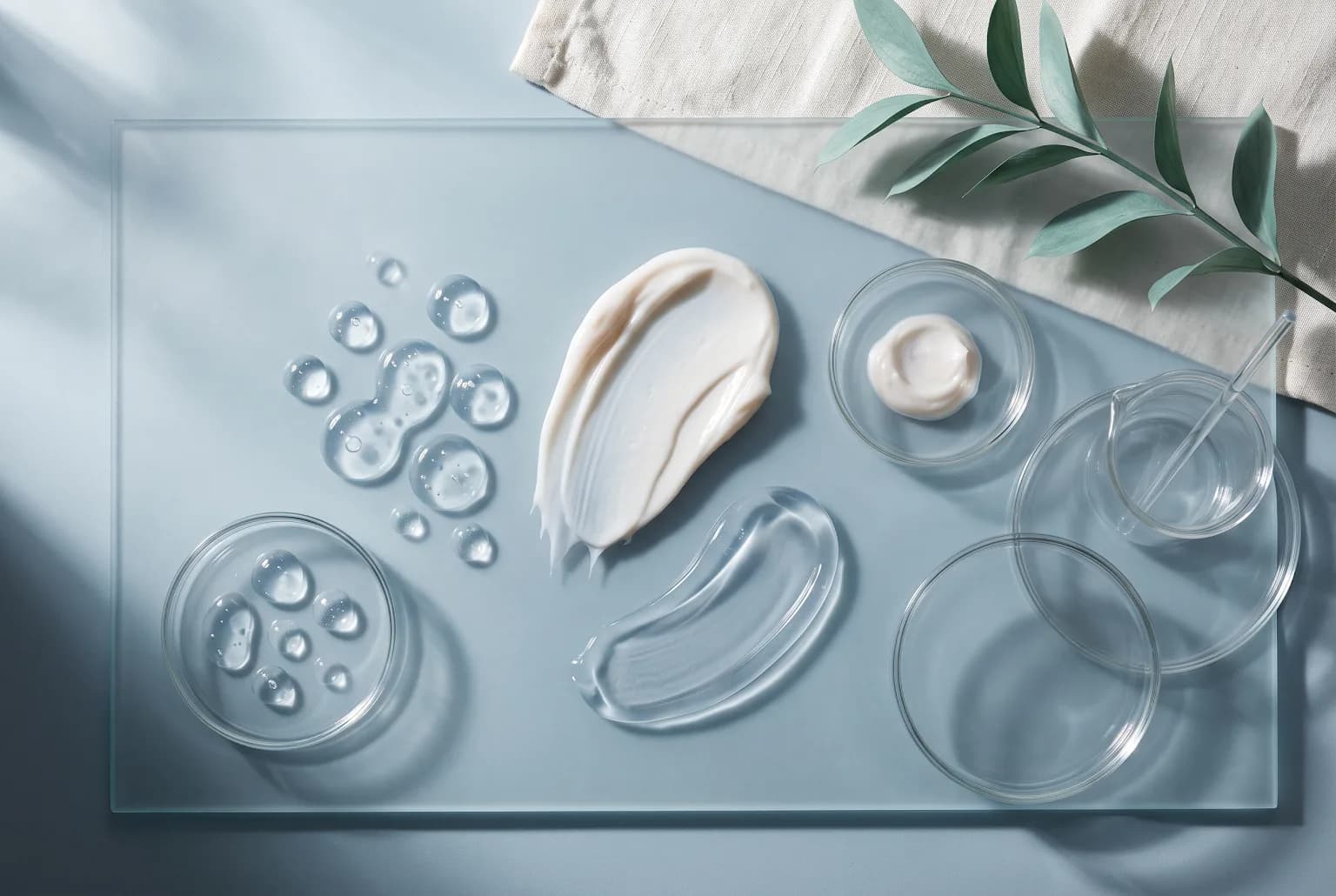
Think of a sunscreen as the final flexible veil in your morning skin-care routine. It needs to form a continuous layer. When a serum, cream, primer, or makeup base below it is still wet, very slippery, very waxy, or otherwise incompatible with that veil, rubbing can make the layers ball up instead of settle.
A review available through PubMed Central discusses pilling as a formulation and film phenomenon. In real-life routines, the most useful clue is often simpler: did the SPF pill on bare, dry skin, or only after you added the rest of your products? That one distinction can keep you from replacing everything at once.
| What you see | More likely explanation | First adjustment to try |
|---|---|---|
| Rolls appear as soon as SPF goes on | Too much product at once, friction, or the SPF formula itself | Apply in two thin passes and press to spread |
| Rolls appear only over serum | Serum has not dried down or the textures are clashing | Use less serum and wait until it feels tack-free |
| Rolls appear over rich cream | An occlusive cream is leaving a mobile surface | Switch to a lighter moisturizer or a moisturizing SPF |
| Rolls appear after primer or foundation | Multiple film-forming makeup layers are competing | Test SPF under makeup with primer removed |
| Tiny flakes happen with every formula | Surface dryness, residue, or application pressure may be involved | Revisit cleansing, hydration, and rubbing technique |
The texture collisions to watch
No single ingredient guarantees pilling. Instead, look for a pattern in the formats you combine. A plush, balm-like cream under a velvety silicone-heavy SPF may feel elegant separately but shift when rubbed together. A powdery mineral sunscreen can also show more visible rolling if it is worked repeatedly over a still-tacky hydrating layer.
Common high-friction pairings include:
- A generous layer of rich face cream followed immediately by a matte or blurring sunscreen.
- Several hydrating serums layered one after another under a sunscreen with a fast-setting finish.
- A smoothing primer placed beneath, or rubbed aggressively over, a sunscreen film.
- Mineral SPF followed by a dense complexion product applied with a dragging brush.
- A sunscreen reapplied over makeup and skin care without first accounting for the layers already on the face.
The goal is not to eliminate every silicone, polymer, or mineral filter from your shelf. It is to reduce competing layers and friction. A more fluid sunscreen often has an easier time sitting over a simple, well-dried routine than over a dense pile of products.
It may be technique, not the tube
More sunscreen is necessary for reliable coverage, but depositing a large blob and rubbing it around for a long time can create pilling. Instead, divide your usual face-and-neck amount into manageable portions. Smooth each portion across a zone with light fingers, then press your palms over the face to settle the surface.
Fast rubbing is especially likely to disturb a sunscreen that has begun to set. The same principle applies to makeup: tap, bounce, or glide minimally once the SPF has formed its film. Treat the layer as something to preserve, not endlessly blend.
The five-minute reset test
Before you buy a new sunscreen, isolate the variable. Do this on a morning when you do not need a full makeup look. The test is not a lab assessment, but it offers a practical, low-waste way to tell whether the issue belongs to the sunscreen, the product beneath it, or the interaction between them.
- Cleanse as you normally would, then let skin dry completely. Do not apply toner, serum, moisturizer, primer, or makeup for the first pass.
- Apply your normal amount of sunscreen in two thin applications, using a gentle spread followed by a pressing motion. Avoid polishing the same spot repeatedly.
- Wait until the finish feels set rather than wet. Look closely in natural light before touching your face again.
- Repeat the test another day with only your usual serum beneath the sunscreen; use a smaller amount of serum and wait until it is tack-free.
- On a third day, add moisturizer back in. If pilling returns here, the cream, the amount, or the wait time is the likely pressure point.
- Add primer and complexion makeup last, one category at a time, until you locate the layer that changes the result.
Read the results without overcorrecting
If sunscreen pills on clean, dry skin despite a gentle application, it may simply not be a good format for your preferences—or that particular tube may not agree with how you apply it. Consider trying a different sunscreen base rather than stripping your routine bare indefinitely. If it stays smooth alone but pills after a serum, cream, or primer returns, you have found a compatibility issue worth solving.
Do not respond by using too little sunscreen. A thinner-looking finish is not the same as applying an inadequate amount. Better options are to pare back a preceding layer, allow a longer dry-down, or switch to a sunscreen that delivers some of the hydration you were getting from a separate product.
The small adjustments that matter
Make one change at a time for a few days. That provides a clearer answer than replacing cleanser, serum, moisturizer, SPF, and foundation all in one shopping trip.
- Apply leave-on skin care sparingly; a serum should not remain wet or slide around for minutes.
- Give each layer roughly 30 to 60 seconds, or longer when a formula remains obviously damp, before the next one.
- Press sunscreen into the high-motion areas around the nose, mouth, and hairline rather than repeatedly rubbing there.
- Keep hands clean and dry before application so leftover product from another step does not transfer into the SPF layer.
- Patch-test new combinations when possible, especially if your skin is reactive.
Build a sunscreen routine that stays put

The best no-pill routine is usually shorter, not stricter. Start with the skin need you actually have that morning—dehydration, dryness, shine, or a desire for makeup grip—then choose the minimum number of compatible layers to meet it. Sunscreen should be the last step of skin care and the layer that makeup sits on.
Choose a format for your finish
| SPF format | Texture and layering profile | May suit | Tradeoff to consider |
|---|---|---|---|
| Water-based fluid or lotion | Thin, spreadable, often quicker to layer | People who use serum and makeup | Can feel less cushioning on dry skin |
| Lightweight gel sunscreen | Fresh, bouncy, low-bulk feel | Oily or combination skin and humid days | May not replace moisturizer for very dry skin |
| Cream sunscreen | More emollient, comforting slip | Dry skin or a minimal routine | Can pill over a rich moisturizer if layers are rushed |
| Mineral fluid | Often shakeable, fluid, and more visibly opaque while applying | Those who prefer mineral filters and light layers | May show rolling or texture more readily if overworked |
| Hydrating sunscreen | Combines SPF with a moisturizer-like feel | Anyone looking to eliminate a morning layer | May be too rich if paired with a separate heavy cream |
If your current SPF is beautiful on bare skin but unreliable under makeup, do not assume you need a different filter category. Start with the base and finish. A lighter water-based or gel format can reduce bulk beneath foundation; a creamier sunscreen may be the better swap when the real issue is dry, flaky skin catching at the surface.
A three-layer morning blueprint
This sequence gives sunscreen room to form its own layer while keeping the routine adaptable. If you are comfortable without one of the first two steps, skip it rather than adding product out of habit.
- Apply a light serum or treatment only if you use one, then wait until it no longer feels wet on the fingertips.
- Apply a thin moisturizer only where your skin needs it; allow it to settle before moving on.
- Apply broad-spectrum sunscreen evenly to face and neck in two light passes, smoothing with minimal friction and then pressing to settle.
- Wait for the sunscreen finish to set before applying makeup with tapping or gentle gliding motions.
If makeup is the tipping point
Primer is optional, not mandatory. If foundation pills, first try sunscreen directly under makeup. If that works, the primer was likely adding a film your makeup and SPF could not move across comfortably.
If you prefer primer, match by feel rather than marketing language alone. Use a very small amount, let it settle, and apply complexion products with a damp sponge or a light tapping motion instead of buffing hard with a dense brush. Keep powder minimal over areas that are already textured or dry.
For daytime reapplication, avoid trying to rub a fresh full layer of lotion vigorously across a finished face. Consider your setting, makeup level, and the product instructions; a sunscreen format intended for reapplication can be easier to work with, but it still needs to be applied evenly enough to be useful. A hat, sunglasses, and shade remain helpful additions to a sun-protection plan.
When to change the sunscreen—and when not to
Give a formula a fair test on clean skin and with a simplified routine. Then decide based on repeatable behavior, not one rushed morning. A switch makes sense when the sunscreen pills by itself, consistently disrupts your makeup despite careful application, or requires you to abandon skin-care steps your skin genuinely benefits from.
Keep the formula and adjust the supporting routine when it wears smoothly alone or with one simple layer. That approach is often less expensive and gives you a clearer understanding of what your skin and makeup prefer.
Use these decision criteria before replacing a product:
- Change the application method first if you tend to rub, layer quickly, or use a large amount all at once.
- Change the product beneath SPF if pilling starts only after a specific serum, cream, or primer.
- Try a different base—such as fluid, gel, cream, or mineral fluid—if the sunscreen pills on clean, dry skin.
- Reduce the number of morning layers if several products have similar moisturizing or smoothing jobs.
- Reassess skin comfort if flaking persists across multiple formulas; surface dryness and product residue can make any film look less smooth.
Related reading
- Best Sunscreen for Combination Skin: Finish Guide
- Mineral vs. Chemical Sunscreen for Sensitive Skin
- Good Morning Skincare Routine: Simple Steps
Frequently asked questions
Why does my sunscreen pill even after I wait?
Waiting helps, but it cannot solve every texture mismatch. Test the sunscreen alone on clean, dry skin; if it still rolls, try applying it in two thin passes with less rubbing or consider another formula base.
Should sunscreen go before or after moisturizer?
Sunscreen goes after moisturizer as the last skin-care step. If a moisturizer makes SPF pill, use less, choose a lighter texture, wait longer for it to settle, or consider a hydrating sunscreen that lets you simplify.
Can I pat sunscreen on instead of rubbing it?
Yes. Light smoothing gets the product distributed, and pressing can help settle it without overworking the layers below. Avoid using only spotty tapping that leaves obvious gaps; even coverage still matters.
Does mineral sunscreen pill more than chemical sunscreen?
Either category can pill. The complete formula, the products underneath it, and how much friction you use are more useful clues than filter type alone.
Sources
- PubMed Central (PMC): journal article on sunscreen pilling and formulation film behavior
- ResearchGate: skin-care layering and pilling discussions
- Reddit: consumer sunscreen-layering troubleshooting discussions
Clear guidance, checked before publication.
Solvi articles are structured by our editorial team and reviewed for clarity, consistency, and responsible health language. We update pages when guidance or product information changes.

Maya Bennett
Senior Beauty Editor. Maya is the skincare obsessive who turns big beauty questions into clear, grounded guidance. She is especially interested in routines that respect real skin, real schedules, and realistic budgets.