The Ordinary NMF + HA vs Beta Glucan: Cream or Gel?
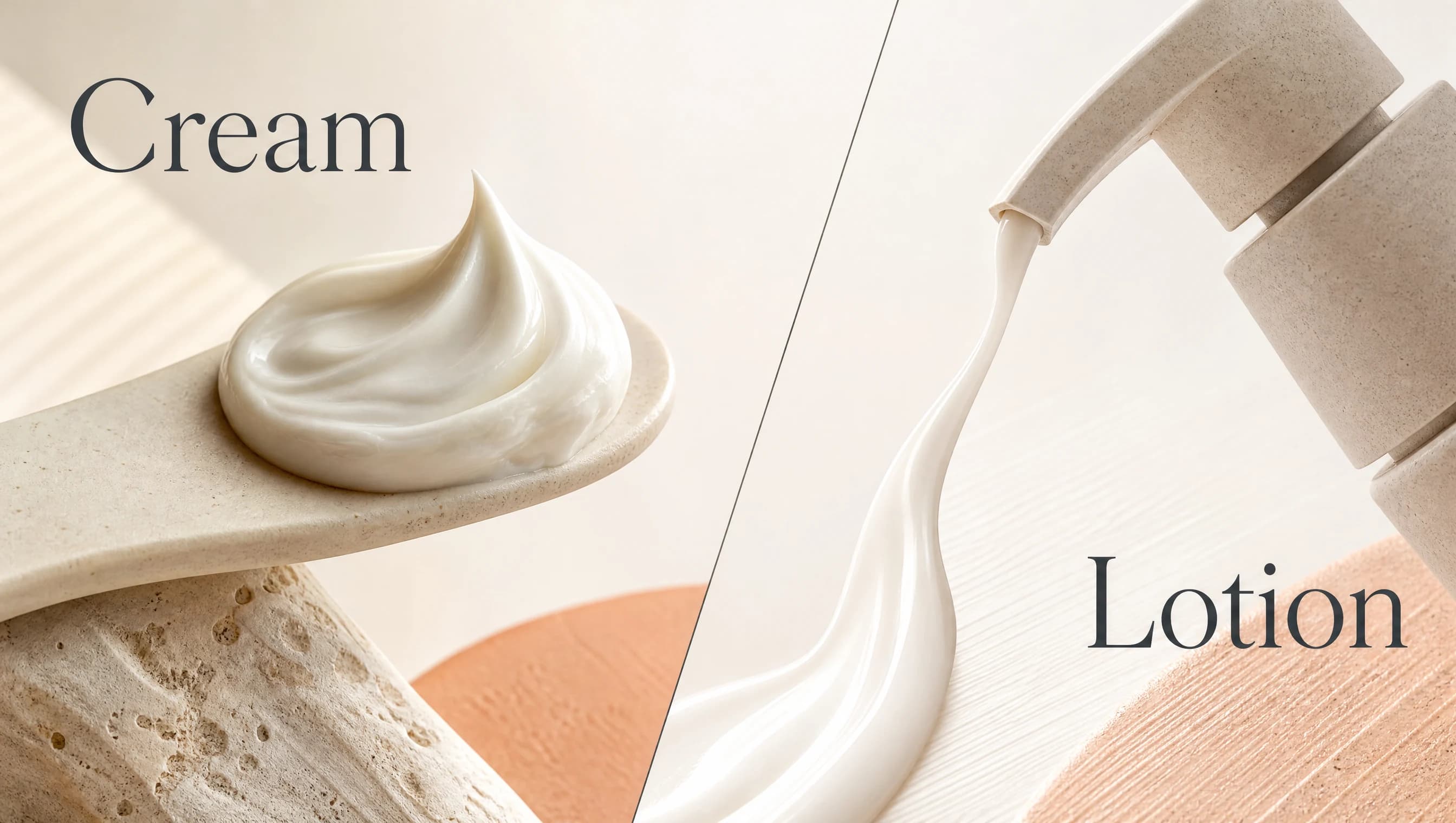
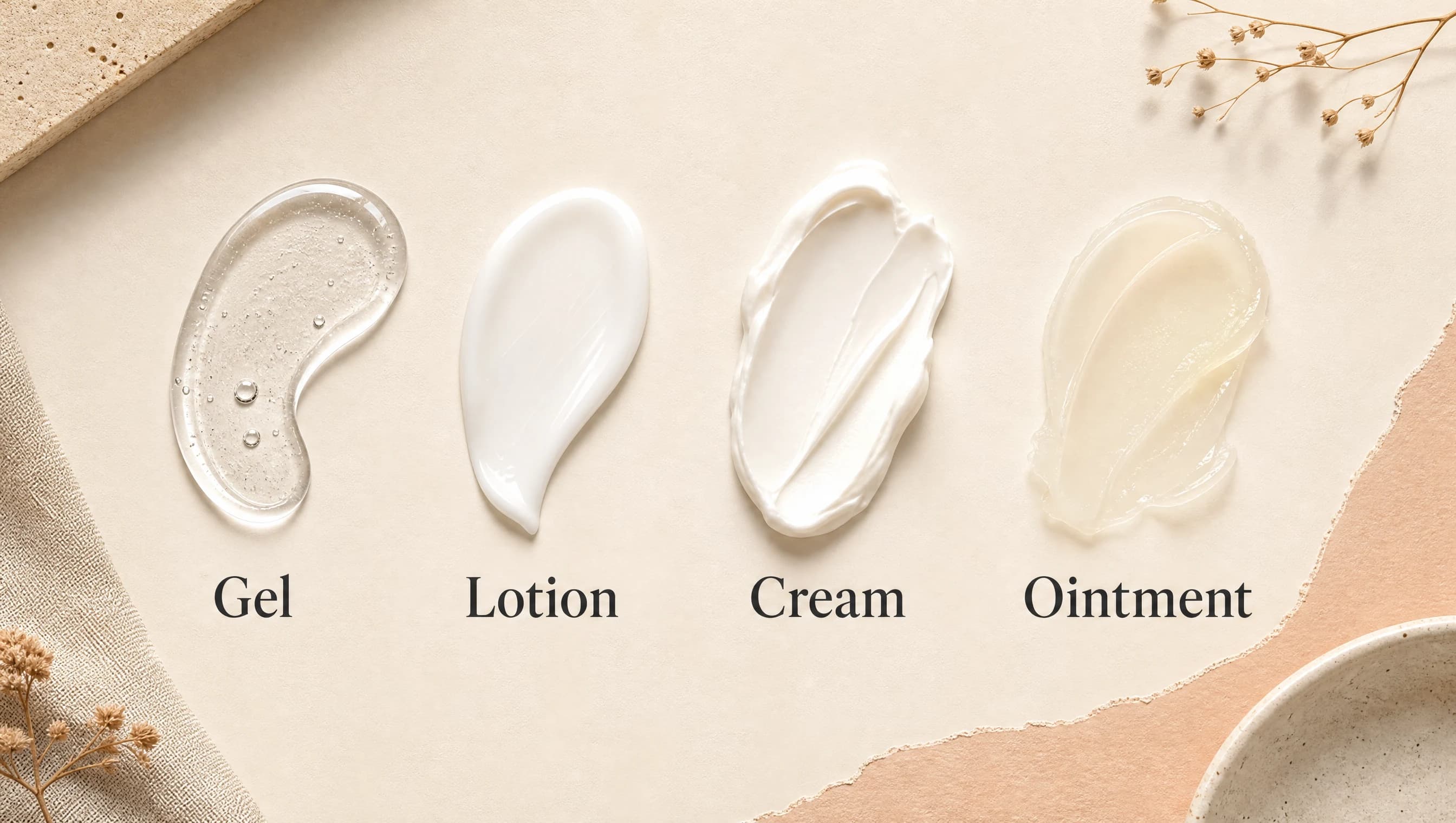
The clearest difference between The Ordinary Natural Moisturizing Factors + HA and + Beta Glucan is cream versus gel. Consider + HA if you want the cream format; consider + Beta Glucan if a lightweight gel is the preference guiding your purchase. Both are complete moisturizers, not bottles containing only the ingredient named on the front.
In particular, the reviewed + Beta Glucan list also contains sodium hyaluronate. Choosing it does not mean choosing a formula without a hyaluronic-acid-related ingredient.
Compare the format before the headline ingredient
| Question | Natural Moisturizing Factors + HA | Natural Moisturizing Factors + Beta Glucan |
|---|---|---|
| Manufacturer format | Cream moisturizer | Gel moisturizer |
| Useful starting preference | You want a conventional cream | You prefer a lightweight gel |
| Reviewed ingredient overlap | Glycerin, sodium hyaluronate, amino acids and urea | Glycerin, sodium hyaluronate, amino acids and urea |
| Front-label distinction | Highlights HA | Highlights beta-glucan |
The current + HA page and + Beta Glucan page provide the format descriptions and lists. The brand describes the gel as particularly relevant to oily or combination skin, but that positioning is not a guarantee about your experience.
Turn a vague preference into a useful choice
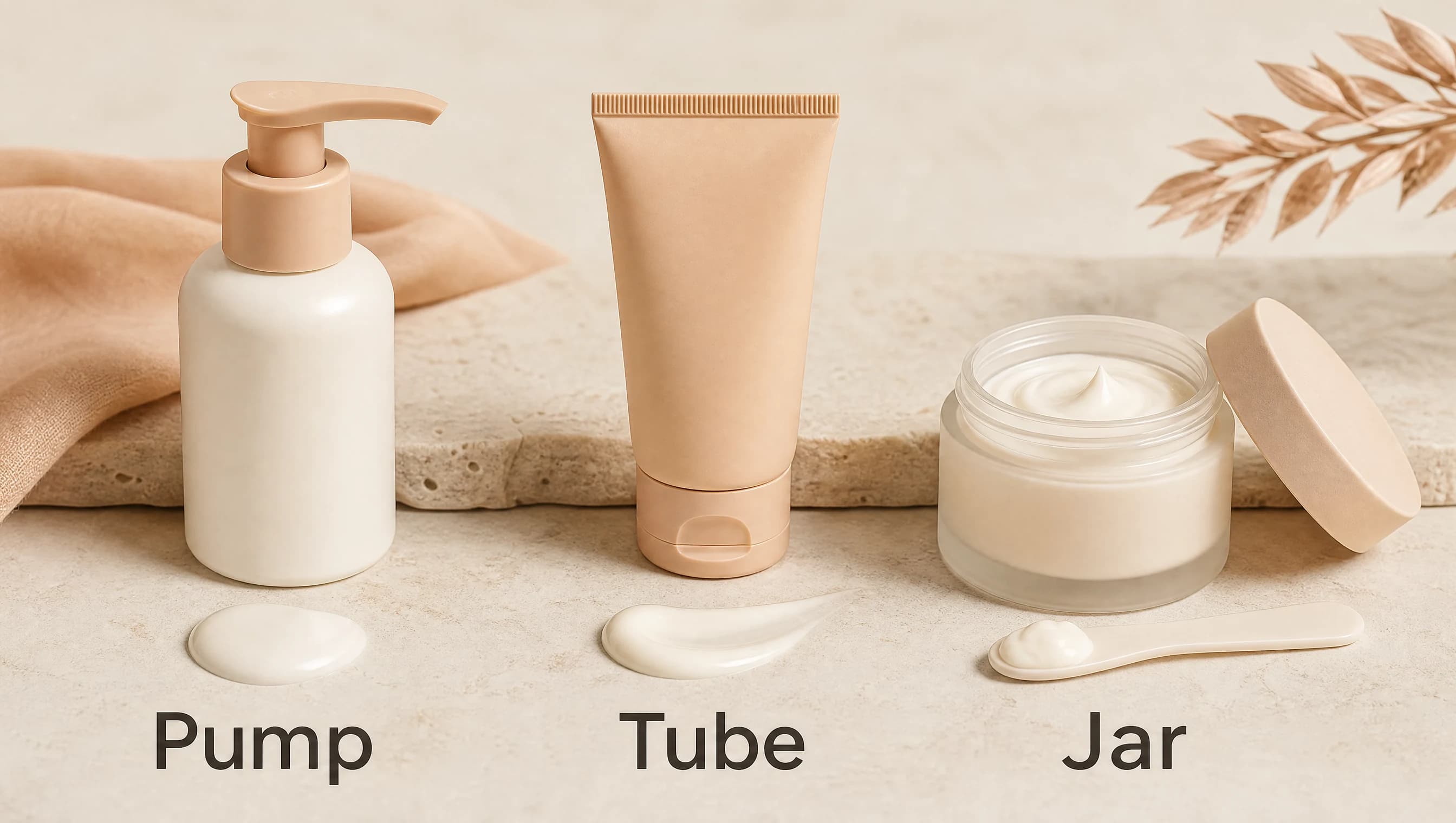
Think about the moisturizer you use now. If you dislike a rich or coated feeling, a gel is a reasonable format to compare. If the texture you enjoy is a cream, the + HA format may be a more direct candidate. The objective is to choose something you will use consistently and comfortably, not to select the more interesting ingredient name.
For a mixed T-zone and cheeks, our combination-skin moisturizer guide provides broader options. The gel-versus-cream guide explains the general format question without assuming that every gel or every cream behaves alike.
You can also keep your current product. If it already fits the role and the new purchase would not solve a specific problem, this comparison does not establish that you need to switch or add a second moisturizer.
Read the list for a question it can answer
Ingredient lists are useful for checking whether a known ingredient is present, recognizing overlapping products, and avoiding a purchase based on an incomplete name. They are much less useful for guessing how much of each ingredient is present or predicting an individual's result.
For example, seeing several moisturizing ingredients in the cream does not mean you need separate bottles of each. Seeing glycerin and sodium hyaluronate in a product can also help you notice that a proposed extra serum may overlap with the role of your moisturizer. Our glycerin versus hyaluronic acid comparison explores that label-reading decision.
If you have a known exclusion, use the exact ingredient name and check the package in your region. The manufacturer warns that lists can differ with updates and purchase timing. Our sensitive-skin moisturizer guide offers broader selection criteria without treating a marketing category as a tolerance guarantee.
Where these moisturizers fit in the routine
The reviewed manufacturer guidance places these moisturizing products after serums. That is a role distinction, not a requirement to own a serum first. If you do not need a separate serum, its place in a layering diagram can simply remain empty.
Keep other product-specific directions in view, especially for treatments and sunscreen. Do not assume that choosing a moisturizer from one brand requires you to replace unrelated products with matching bottles. A routine can be evaluated step by step.
If your current issue is dryness despite several hydrating layers, our guide to moisturizing dehydrated-feeling skin may help you review the overall setup. Adding both of these moisturizers without a clear purpose can make that review less informative.
Check size and value without inventing a price winner
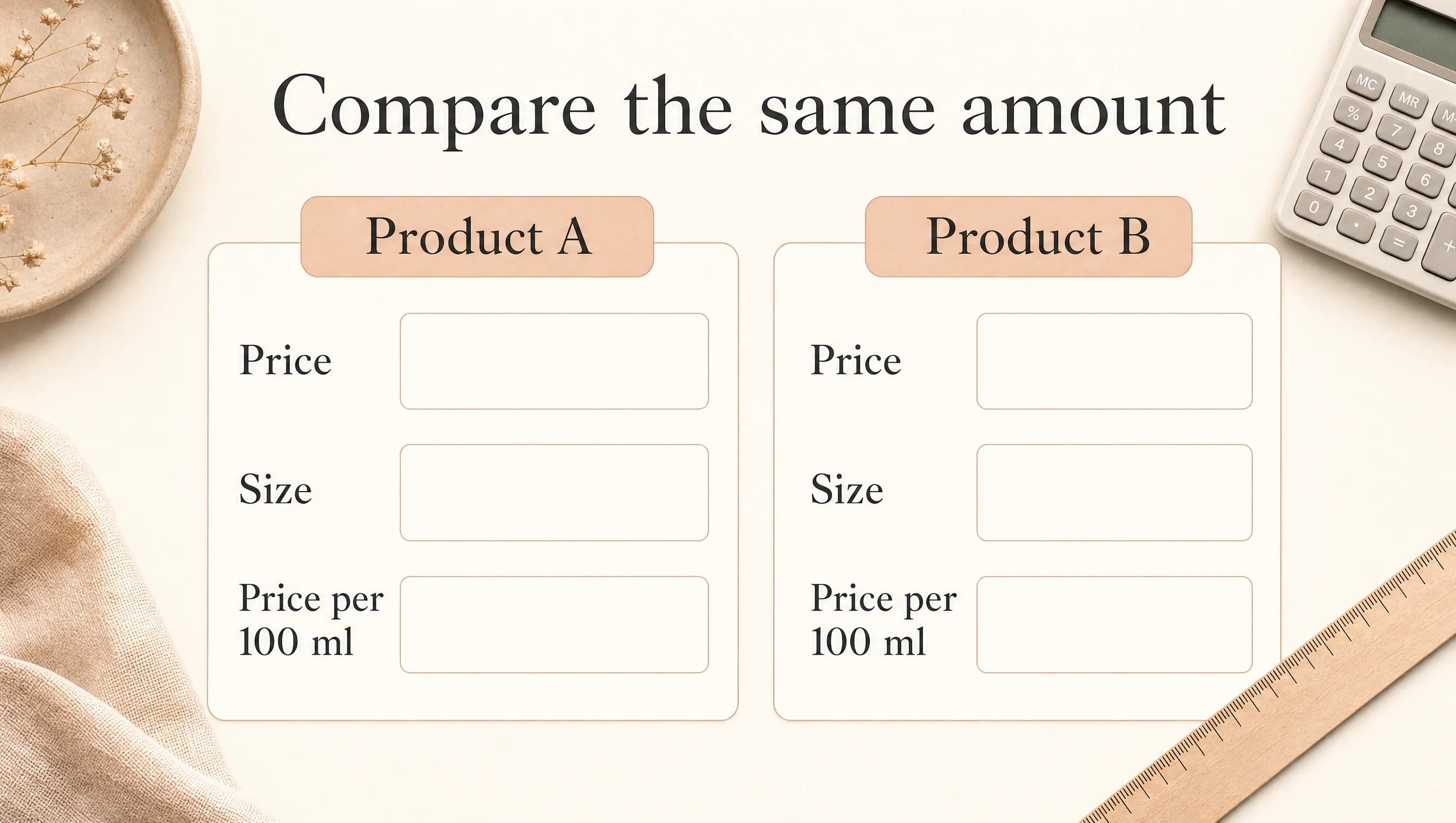
Both reviewed US pages offer more than one package size. Compare the size selected in your own basket, not the lowest price shown beside a product name. The default price may correspond to a different size from the one you intend to buy.
| What matters to you | Starting choice | Check before ordering |
|---|---|---|
| You prefer a conventional cream | NMF + HA | Full name: this is not the PhytoCeramides version |
| You prefer a lightweight gel | NMF + Beta Glucan | The label still includes sodium hyaluronate |
| You mainly want a lower unit cost | Choose a suitable format first | Compare the selected size and same quantity units |
| Your existing moisturizer is already comfortable | Keep it unless the new product fills a clear gap | Two names do not create two required steps |
For example, a fictional 50 mL pack at $8 costs $16 per 100 mL; a 100 mL pack at $12 costs $12 per 100 mL. These are arithmetic examples, not The Ordinary’s current prices. The larger pack is worthwhile only when you want that exact format and quantity.
Frequently asked questions
Does Beta Glucan contain hyaluronic acid?
Its reviewed list contains sodium hyaluronate, a hyaluronic-acid-related ingredient. The product name should not be read as an exclusion statement.
Do I need to use both together?
The reviewed labels do not create that requirement. Decide which moisturizing role is missing before buying overlapping products.
Is a gel always better for oily skin?
No. The gel format may match a preference for a lighter feel, but the complete formula and your experience still matter. Skin-type positioning is a starting point, not a universal rule.
Sources
The Ordinary: Natural Moisturizing Factors + HA (theordinary.com) — https://theordinary.com/en-us/natural-moisturizing-factors-ha-moisturizer-100435.html
The Ordinary: Natural Moisturizing Factors + Beta Glucan (theordinary.com) — https://theordinary.com/en-us/natural-moisturizing-factors-beta-glucan-moisturizer-100612.html
FDA: Using Cosmetics Safely (fda.gov) — https://www.fda.gov/cosmetics/resources-consumers-cosmetics/using-cosmetics-safely
Clear guidance, checked before publication.
Solvi articles are structured by our editorial team and reviewed for clarity, consistency, and responsible health language. We update pages when guidance or product information changes.