Best Face Moisturizer for Combination Skin: The Smart Gel-Cream Guide
The best face moisturizer for combination skin is usually a lightweight, fragrance-free gel-cream or lotion with humectants for dry cheeks and a non-greasy finish for an oily T-zone. The smarter approach is to choose by finish and layering behavior—not simply


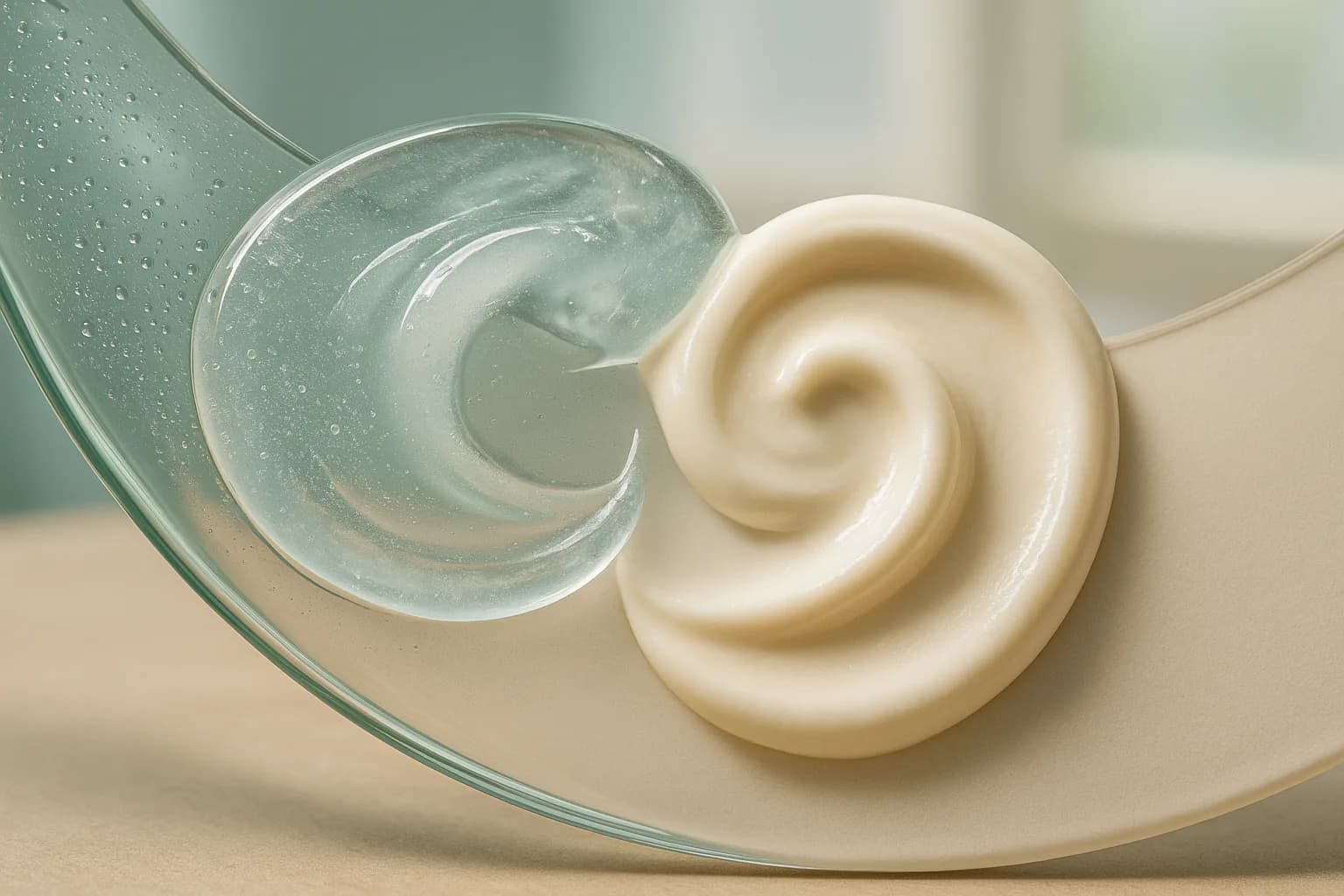
The best face moisturizer for combination skin is usually a lightweight, fragrance-free gel-cream or lotion: enough humectant-driven hydration for dry cheeks, with a fast-drying finish that does not make an oily T-zone feel coated. Rather than hunting for one mythical “perfect” jar, shop by the finish you want at noon, how it behaves under sunscreen, and whether your cheeks need a little more cushion than your forehead.
Combination skin is not a request to dry out the shiny areas. The American Academy of Dermatology notes that even oily skin benefits from moisturizer, while its skin-type guidance distinguishes lighter gels and lotions from more oil-rich creams.
The combination-skin brief
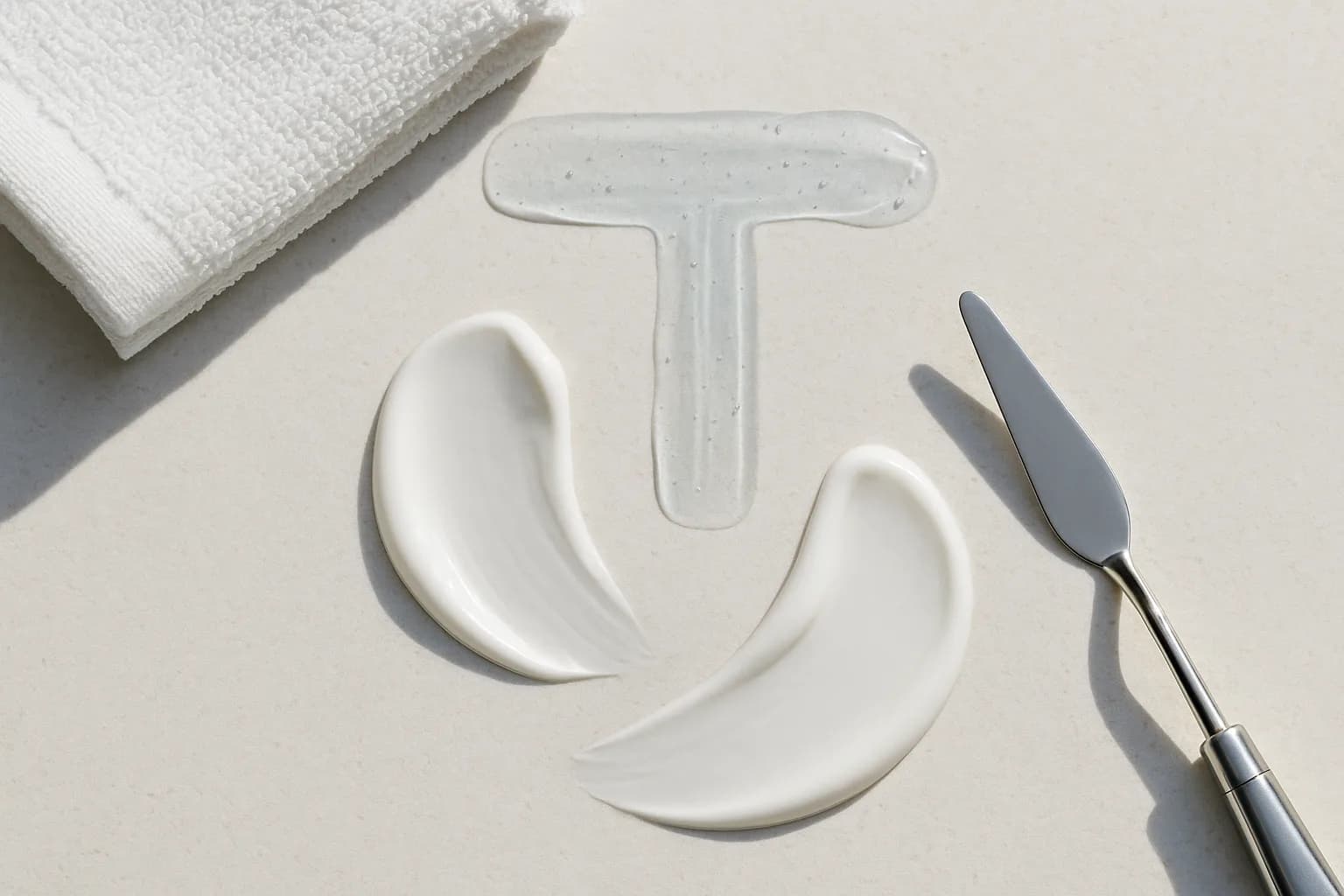
Combination skin often means oil through the forehead, nose, and chin with normal-to-dry cheeks. But oil production is your skin type; tightness, flakes, and temporary dullness are conditions that can shift with weather, cleansing, exfoliating products, and indoor air. That distinction changes the shopping brief.
A moisturizer that feels featherlight on the T-zone can be too spare on cheeks after a retinoid night. Conversely, a plush cream that makes cheeks feel calm can leave a reflective film around the nose by lunchtime. This is why the most useful answer to “what is the best face moisturizer for combination skin?” is often a finish-first formula, plus permission to apply it unevenly.
Look for three jobs in one formula:
- Water-binding hydration: glycerin, hyaluronic acid, beta-glucan, or similar humectants help make a gel or lotion feel immediately comfortable.
- A flexible emollient layer: ingredients such as squalane or lightweight fatty alcohols can soften dry cheek texture without requiring a dense balm-like finish.
- Barrier support: ceramides and niacinamide are common supporting ingredients in combination-skin-friendly formulas, especially when cheeks feel reactive or over-cleansed.
Oil-free and non-comedogenic labels can be useful filters for acne-prone areas, but texture still matters. AAD specifically recommends oil-free, non-comedogenic options for oily skin and advises choosing a moisturizer after cleansing rather than skipping hydration altogether.
The best face moisturizers for combination skin, by finish
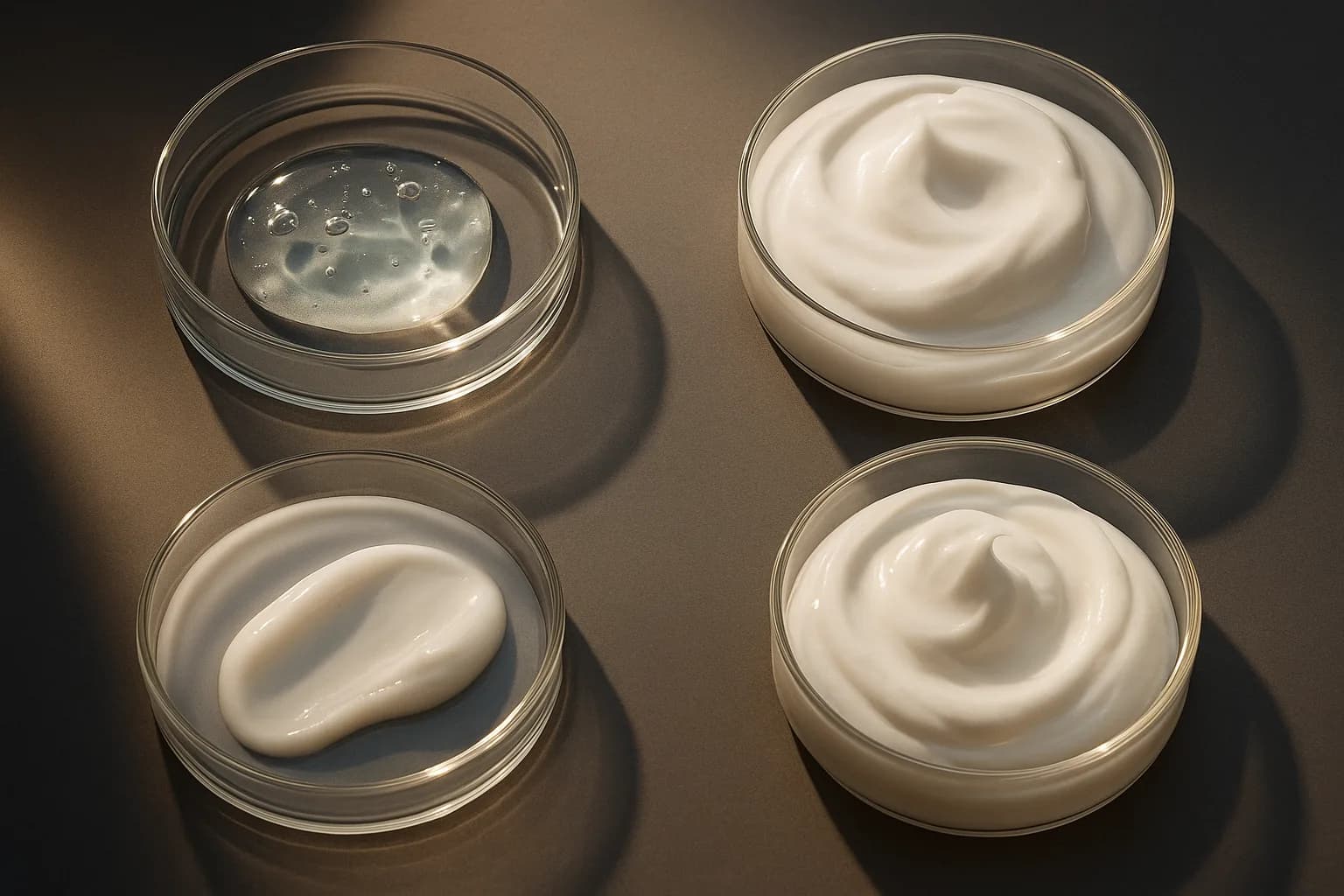
There is no single winner for every dry-cheek/oily-T-zone combination. These five are well-matched options to compare because each represents a distinct texture strategy, not because one will suit every routine. Product positioning and ingredient lists can change, so check the current package and brand page before buying.
| If your priority is... | Consider | Texture and formula profile | Best suited to | Tradeoff to consider |
|---|---|---|---|---|
| A shine-reducing daytime finish | CeraVe Oil Control Moisturizing Gel-Cream | Lightweight gel-cream with oil-absorbing technology; fragrance-free, oil-free, and non-comedogenic according to the brand | Oily T-zones, humid climates, makeup days | Its more matte direction may not feel sufficient alone on very dry cheeks |
| A minimalist water-gel feel | The Ordinary Natural Moisturizing Factors + Beta Glucan | Refreshing non-greasy gel format positioned for oily and combination skin | People who dislike a traditional cream residue | A gel may need a richer cheek-only layer during cold or dry months |
| Lightweight barrier-minded lotion | Vanicream Daily Facial Moisturizer | Rich-but-lightweight lotion with glycerin, squalane, hyaluronic acid, and five ceramides; no botanical extracts or essential oils | Combination skin that also leans sensitive or easily unsettled | More satin than matte; very oil-prone users may prefer it at night |
| Oil-free hydration alongside blemish routines | Paula’s Choice CLEAR Oil-Free Moisturizer | Weightless, oil-free moisturizer with niacinamide, ceramides, and antioxidants | Breakout-prone combination skin that wants light hydration | It is intentionally light; dry cheeks may require more than one layer |
| A refined matte gel-cream texture | La Roche-Posay Toleriane Double Repair Matte Face Moisturizer | Fast-absorbing gel moisturizer with glycerin, niacinamide, and ceramide-3; fragrance-free and oil-free according to the brand | Combination skin concerned with midday shine and visible texture | The matte finish is a preference, not a requirement; it can feel too dry for compromised cheeks |
Best for a visibly oily T-zone: a true gel-cream
Start with a gel-cream when the forehead and nose get glossy quickly, sunscreen tends to slip, or you simply dislike feeling product on your skin. The strongest candidates have a cool, bouncy slip at application, then settle without the lingering sheen of a richer cream. CeraVe’s Oil Control Gel-Cream is the category’s practical benchmark: it is specifically positioned for combination-to-oily skin and pairs a light texture with oil-absorbing technology.
The tradeoff is easy to miss: “mattifying” does not automatically mean “more moisturizing.” If your cheeks are flaky after cleansing, use this kind of formula as an all-over base, then press a half-pump of a lotion or cream over the cheek area only.
Best for heat, humidity, and makeup: a clear water gel
A water gel earns its place when you want hydration with nearly no tactile weight. The Ordinary Natural Moisturizing Factors + Beta Glucan is a useful example: the brand describes it as a non-greasy gel that is particularly beneficial for oily and combination skin. Its value is less about an elaborate active story than about a simple, layerable texture that can disappear under sunscreen.
Use this format if your cheeks are mostly normal and your T-zone is the louder concern. On a dry-cheek day, a gel can be the first layer—not necessarily the only layer.
Best for dry cheeks and a reactive streak: a light lotion
For combination skin that flips from shiny to tight—especially after active treatments—a light lotion can outperform a gel. Vanicream Daily Facial Moisturizer has a more cushiony profile, with glycerin, squalane, hyaluronic acid, and five ceramides in a formula the brand describes as non-greasy and free of botanical extracts and essential oils.
Think of it as the “quietly competent” choice: not necessarily a zero-shine finish, but a more forgiving base when your cheeks are asking for softness. Its tube format also makes it easy to control quantity—a genuine value advantage when a small amount covers the entire face.
How to choose without getting distracted by the label
A good moisturizer earns its place by making the next skincare step easier. The most useful in-store or online checklist is short:
- Choose your finish first. Want a velvety, less reflective T-zone? Compare matte gel-creams. Want skin to look softly dewy but not slick? Look for a lightweight lotion or classic gel-cream.
- Scan for fragrance, especially if you are reactive. “Fragrance-free” is clearer than “unscented,” which can still involve masking fragrance.
- Match the formula to your hardest day, not your best day. If cheeks become tight after a night treatment, choose enough emollient support to manage that reality.
- Consider the rest of the routine. A hydrating serum plus rich sunscreen may make a matte moisturizer unnecessary. A drying cleanser or acne treatment may make a plain gel too little.
- Do the sunscreen compatibility check. In daylight, let moisturizer settle, then use a separate broad-spectrum SPF 30 or higher unless you know you will apply enough of a moisturizer-SPF hybrid. AAD recommends broad-spectrum SPF 30 or higher for sun protection.
Value is not simply price per ounce. A pump or tube that dispenses a consistent pea-size amount can prevent overapplication; a jar may be perfectly functional, but dense cream jars are easier to overuse on an oily T-zone. Also consider seasonality. A light gel that works beautifully in August may become a cheek-only layer in January.
[Editor’s Note] Combination skin does not need equal amounts of moisturizer everywhere. Applying less across the nose and more over the cheekbones is technique, not product failure.
A zoned routine for dry cheeks and an oily T-zone
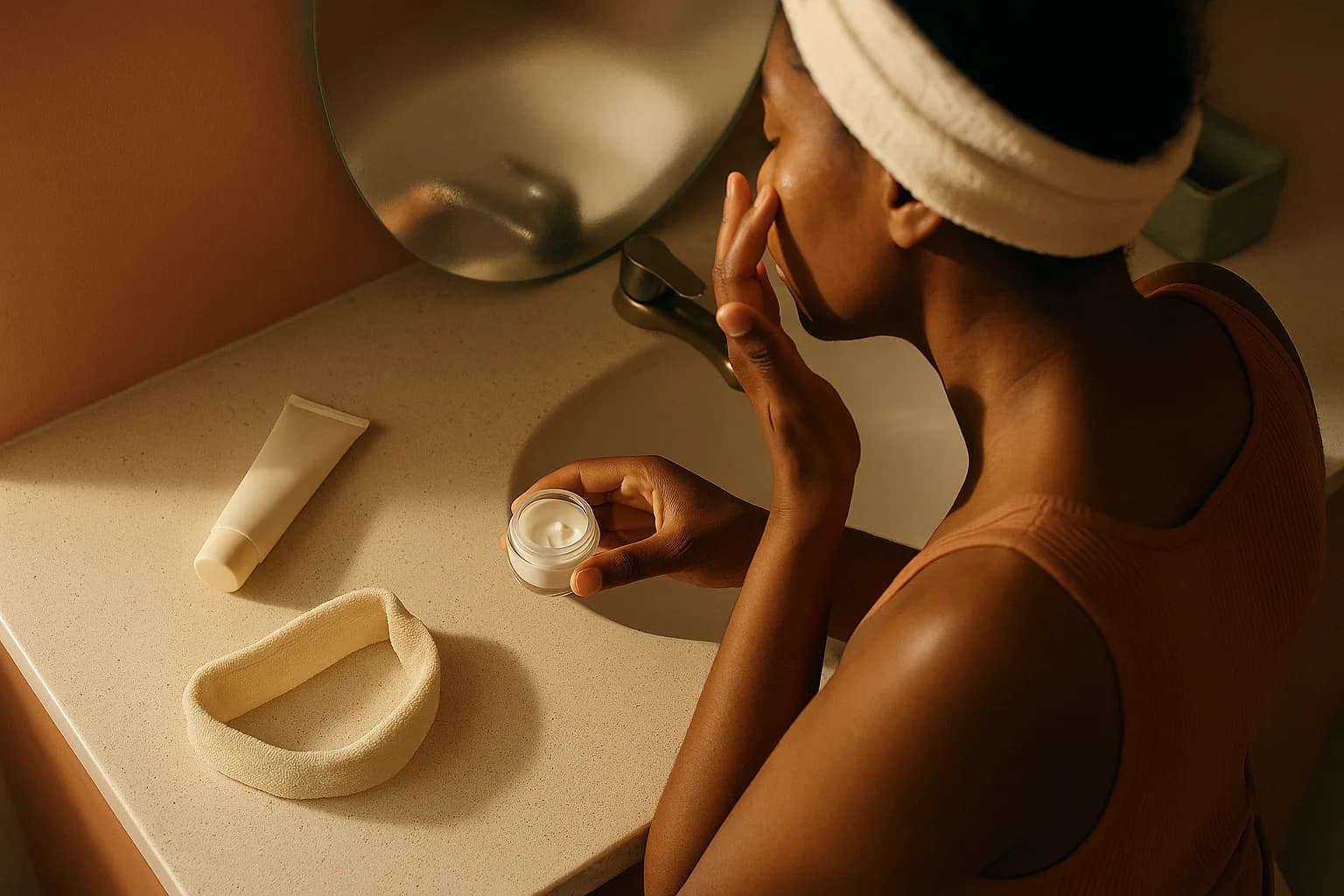
The most polished combination-skin routine has a simple principle: one all-over base, then selective reinforcement. It avoids turning a shiny T-zone into a stripping project while allowing dry areas to receive the support they actually need.
Morning
- Cleanse gently if needed; avoid scrubbing or repeatedly washing away oil. AAD recommends cleansing oily skin up to twice a day and after sweating, rather than over-cleansing.
- Apply a gel, gel-cream, or light lotion in a thin, even layer.
- If cheeks still feel tight after a minute, tap a rice-grain-to-pea-size amount of lotion over cheeks and around the mouth—not necessarily over the entire face.
- Finish with broad-spectrum sunscreen SPF 30 or higher. Let each layer settle before makeup to reduce pilling.
Evening
- Remove sunscreen and cleanse without leaving skin squeaky.
- Apply treatment products, if used, according to their directions.
- Use your lightweight moisturizer all over.
- On dry cheeks, add a slightly richer lotion or cream only where you need it. This is particularly useful in cold weather or after treatments that leave those zones feeling taut.
The payoff of zoning is flexibility. You can keep a matte or water-gel texture through the center of the face while giving cheeks the satin finish they prefer. It is often more economical than endlessly replacing one product in search of a formula that behaves like two different moisturizers at once.
Related reading
- Products for Combination Skin: Shopping Guide
- Best Sunscreen for Combination Skin: Finish Guide
- Best Night Moisturizer for Sensitive Skin
Frequently asked questions
Is gel cream good for combination skin?
Often, yes. Gel-creams sit between a clear water gel and a conventional cream, so they can offer a light feel with more cushion than a basic gel. They are especially useful when cheeks are normal-to-dry but the T-zone dislikes rich residue.
Should combination skin use moisturizer twice a day?
Many people can use it morning and night, adjusting the amount and texture by area. If your T-zone feels overloaded in the morning, apply a thinner layer there rather than skipping moisture everywhere.
Is an oil-free moisturizer always better for combination skin?
No. Oil-free can be a helpful preference for an oily or blemish-prone T-zone, but dry cheeks may be comfortable with lightweight emollients such as squalane. The better metric is how the formula wears across your whole face.
What if my cheeks are dry but my nose is shiny after moisturizer?
Try less product over the nose and a second, richer layer on cheeks. Also check whether your sunscreen or foundation is supplying extra shine; moisturizer is only one layer in the finished result.
Sources
- American Academy of Dermatology — moisturizer and oily-skin guidance.
- CeraVe — Oil Control Moisturizing Gel-Cream product information.
- Vanicream — Daily Facial Moisturizer product information.
- The Ordinary — Natural Moisturizing Factors + Beta Glucan product information.
- La Roche-Posay — Toleriane Double Repair Matte Face Moisturizer product information.
Clear guidance, checked before publication.
Solvi articles are structured by our editorial team and reviewed for clarity, consistency, and responsible health language. We update pages when guidance or product information changes.

Zoe Mitchell
Beauty Trends Editor. Zoe keeps a close eye on viral routines, new launches, and the skincare conversations moving fastest online. She asks which trends are useful, which need context, and which can be skipped.