CeraVe Moisturizing Cream vs Lotion: Pick the Texture You Want
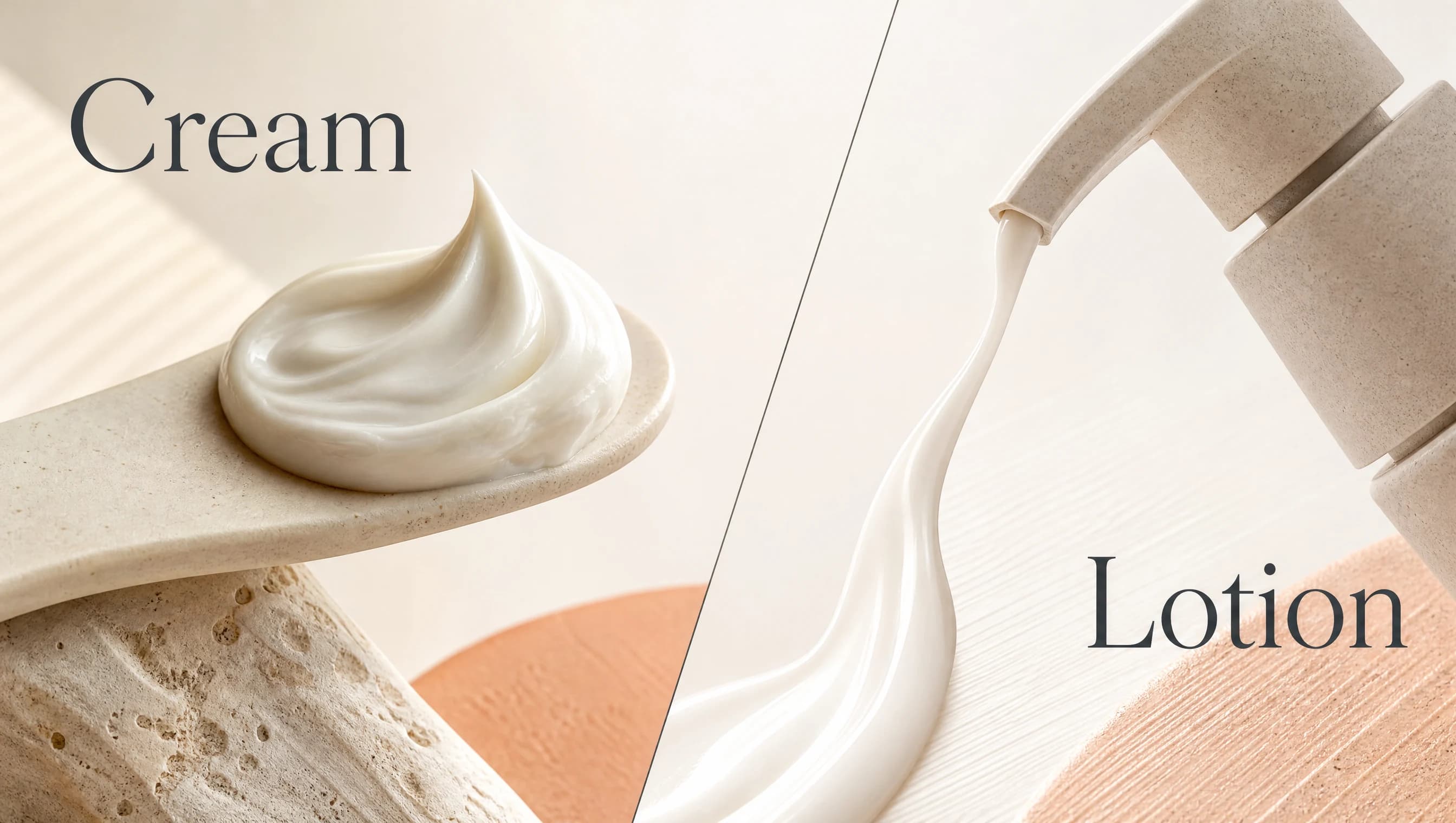
Choose CeraVe Moisturizing Cream if you want a richer cream texture. Choose CeraVe Daily Moisturizing Lotion if you prefer a lighter lotion. Both current US product pages position the formulas for normal-to-dry skin, and both identify the face and body as areas of use.
That makes this a choice about the formula you want to use—not a rule that the cream belongs on the body and the lotion belongs on the face. The cream lists petrolatum; the lotion’s displayed ingredient list does not. That difference does not establish a universal winner or predict whether either product will suit you.
The differences worth comparing
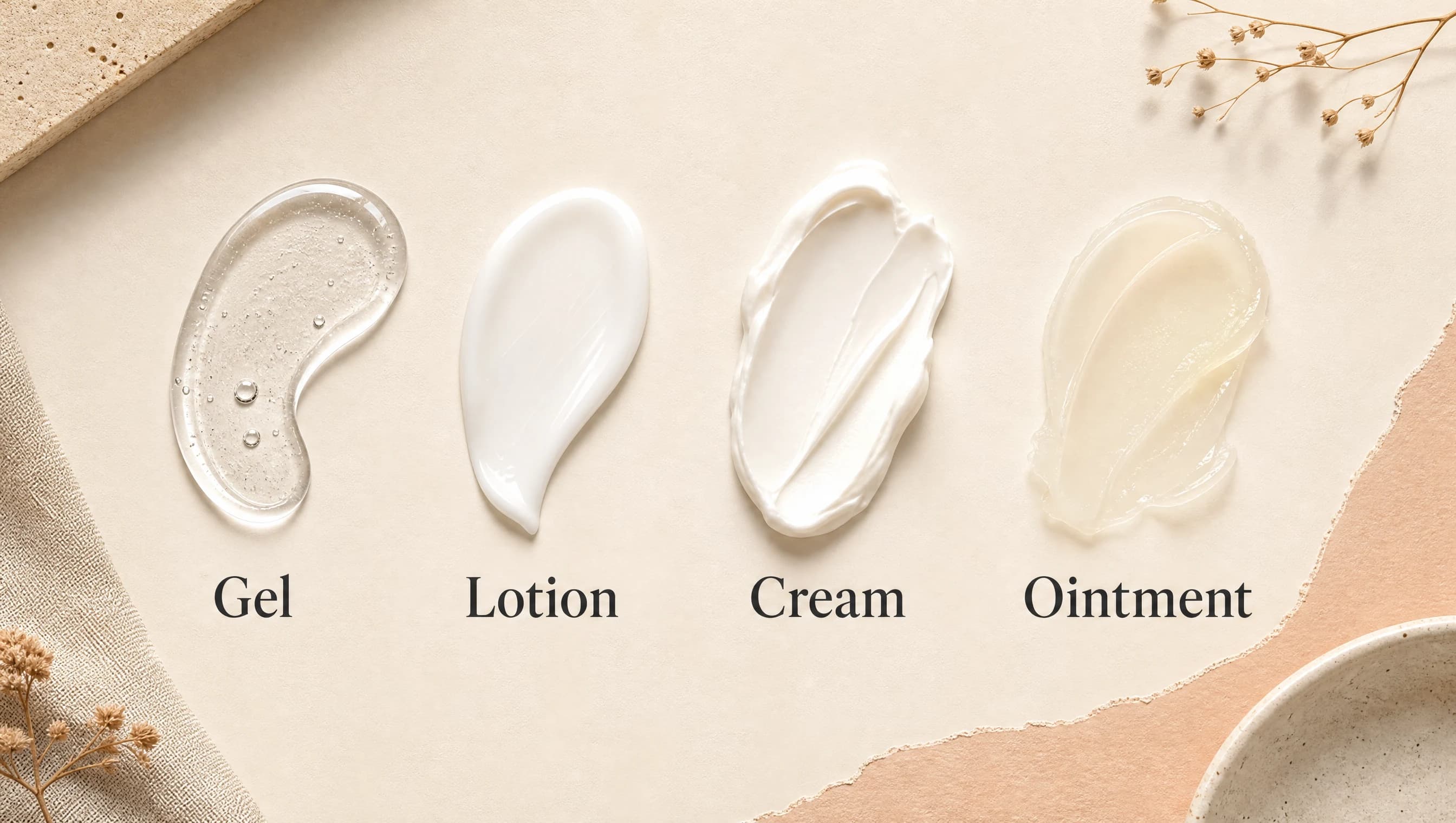
This page compares Moisturizing Cream with Daily Moisturizing Lotion. CeraVe PM, AM with SPF, and the brand’s other specialized moisturizers are different products.
| Decision point | Moisturizing Cream | Daily Moisturizing Lotion |
|---|---|---|
| Manufacturer’s texture description | Rich cream | Lightweight lotion |
| Main product-page skin-type label | Normal to dry | Normal to dry |
| Listed areas of use | Face and body | Face and body |
| Petrolatum in the displayed ingredient list | Yes | No |
| Other shared listed ingredients | Glycerin, dimethicone, ceramides and sodium hyaluronate | Glycerin, dimethicone, ceramides and sodium hyaluronate |
| Useful starting preference | You want a richer cream | You want a lighter lotion |
| Non-comedogenic claim | Manufacturer makes the claim | Manufacturer makes the claim |
The Cream product page and Lotion product page support those distinctions. They do not provide a head-to-head result showing that one is more effective for every face.
One source detail matters: the main Lotion page identifies normal-to-dry skin, even though wording elsewhere on the brand’s site can differ. Use the page and package for the exact product you are considering rather than an abbreviated comparison card.
Choose the texture you will actually use
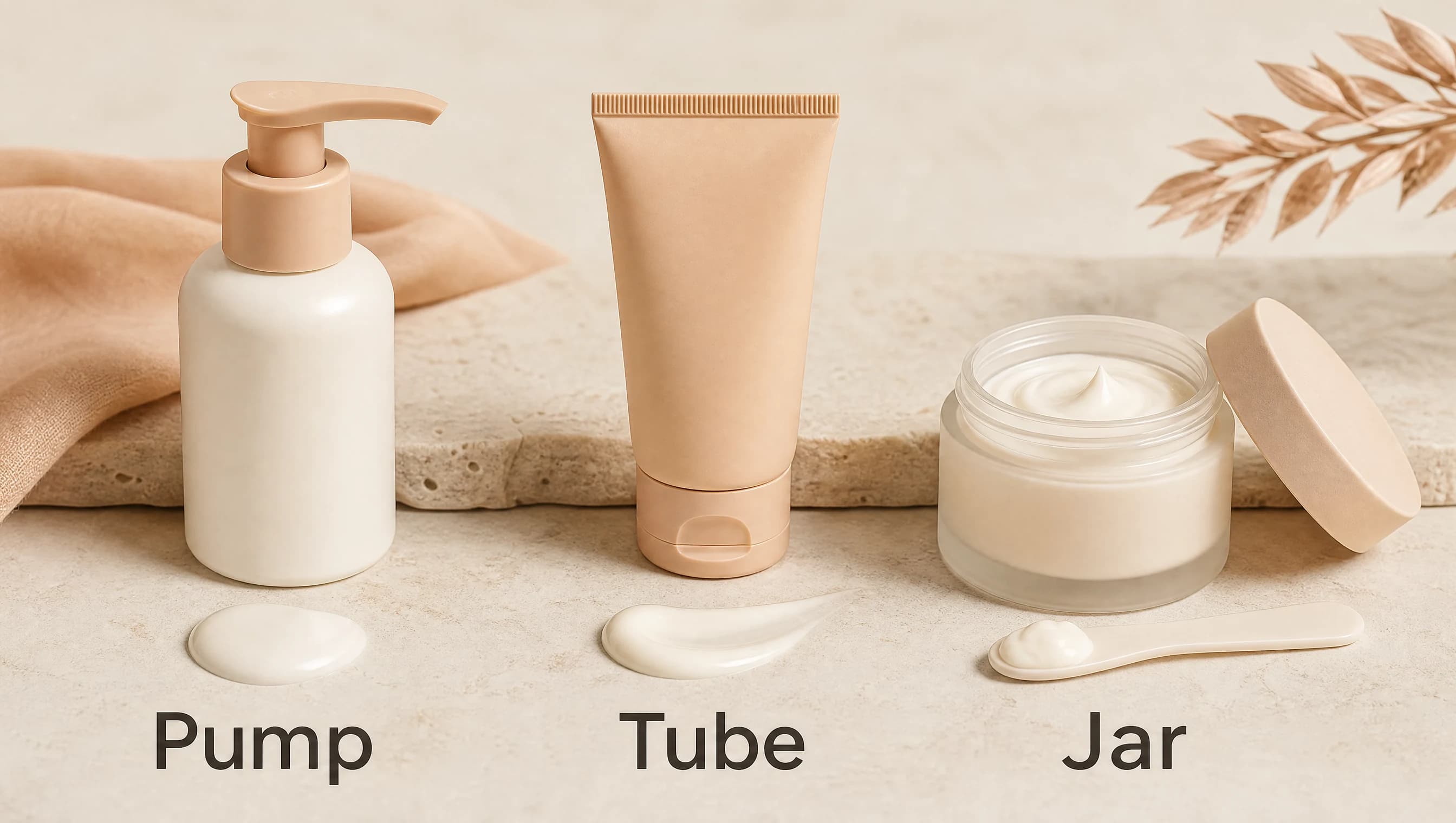
The American Academy of Dermatology’s moisturizer-selection guidance discusses texture and skin needs. For this particular pair, turn that general advice into a practical preference instead of assigning yourself a rigid category.
Start with Cream if you want a richer texture. That may mean you enjoy a cream in your evening routine or prefer it on areas that feel dry. You do not have to reserve it for severe dryness, and the label does not restrict it to the body.
Start with Lotion if you want a lightweight texture. It is a reasonable first product to compare when richer creams are not what you enjoy applying. “Lighter” is a texture description here, not proof that the lotion is inadequate for dry skin.
Keep the one you already like if it does the job. You do not need to upgrade from lotion to cream because cream sounds more intensive, or switch away from cream because another product sounds more modern.
If your cheeks and T-zone lead you in different directions, our combination-skin moisturizer guide expands the options beyond these two. A single brand comparison should not become a reason to force either product into your routine.
Shared ingredients do not make the formulas identical
The reviewed ingredient lists share glycerin, dimethicone, ceramides NP, AP and EOP, and sodium hyaluronate. Cream also lists petrolatum. Lotion does not list petrolatum in the formula displayed on its US page.
These differences help identify the products, but an ingredient list is not a comparative performance test. It does not disclose enough to calculate how much more moisturizing one formula is, and it does not establish how either will feel under your makeup.
The Lotion is described by CeraVe as oil-free. That phrase should not be expanded into a claim that the formula contains no fatty ingredients of any kind. Likewise, the presence of petrolatum in Cream is not evidence that the finished product will automatically cause breakouts.
Both products carry a non-comedogenic claim from the manufacturer. Treat that as product information, not a guarantee about your individual experience. If you know a particular ingredient is unsuitable for you, check the full current package list rather than assuming the richer or lighter option avoids it.
For a broader shortlist focused on tolerance, see our sensitive-skin moisturizer guide. The relevant question is the exact formula, not whether a product name sounds gentle.
Face, body, morning or evening?
Both products identify face and body use. Cream’s directions allow use as needed, day or night; Lotion also directs application as needed. Neither is limited to an evening routine simply because it has a richer or lighter texture.
A practical way to choose is to describe the use case before the product:
- One moisturizer for face and body: both labels allow those areas, so texture preference becomes a useful differentiator.
- A face product for a simple morning routine: consider which texture you prefer alongside your existing products rather than assuming lotion always sits better underneath them.
- A cream for selected dry areas: Cream is an option to compare, without needing to replace a lotion you already enjoy elsewhere.
- A replacement for CeraVe PM: first read our CeraVe PM versus Daily Moisturizing Lotion comparison; these are different formulas, despite sharing the word “lotion.”
None of these examples requires owning both Cream and Lotion. Start with the product that serves the clearest job in your actual routine.
Make the comparison without adding more variables
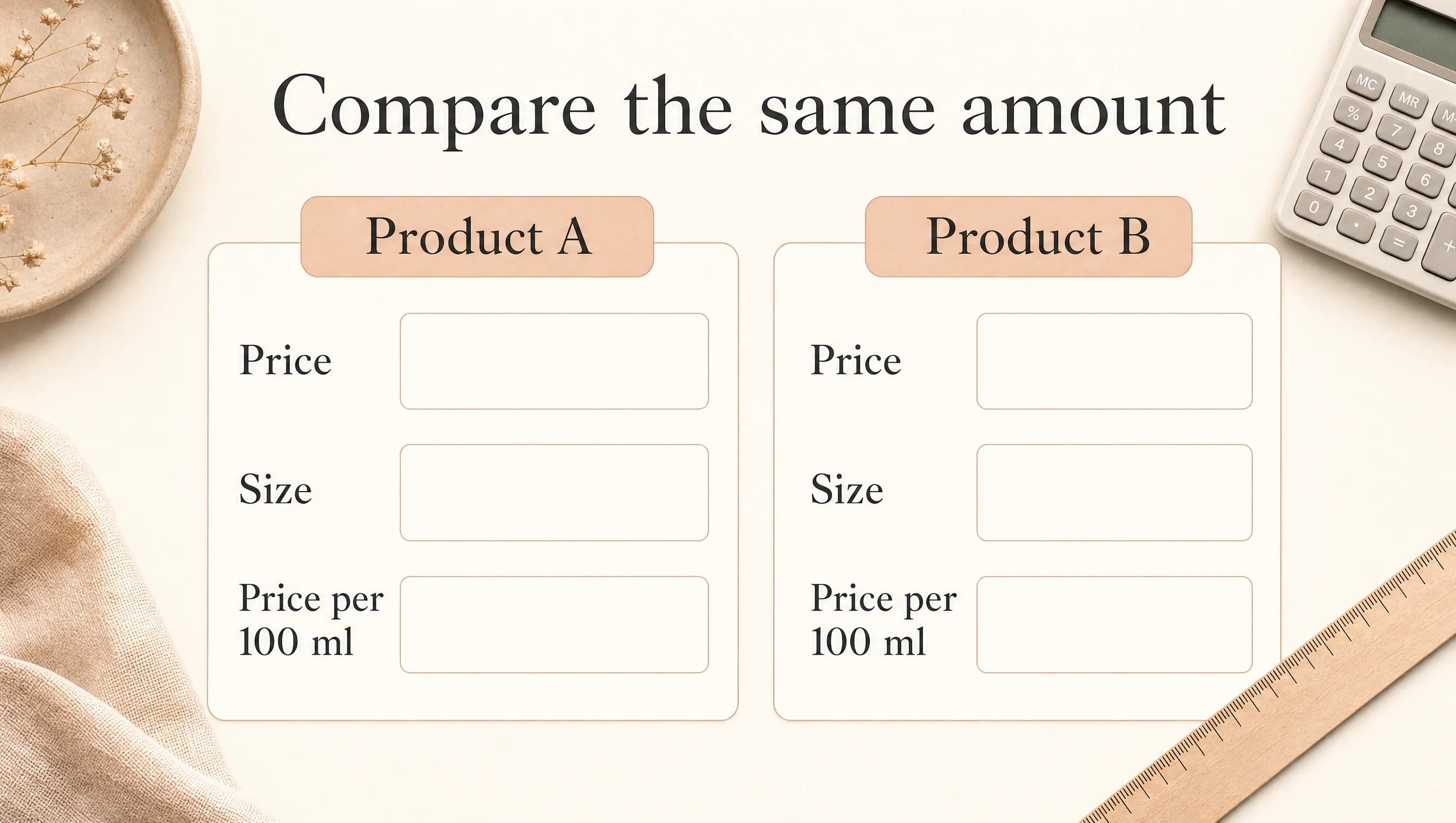
Use a brief comparison note: “I need one moisturizer for face and body; I prefer a lightweight finish; I already like my sunscreen.” That points toward evaluating Lotion’s described format while keeping the sunscreen unchanged. If the note instead says “I want a richer cream,” Cream is the relevant starting candidate. Compare the selected package quantity only after settling that role.
Then keep the comparison focused:
- Confirm the complete name and current ingredient list.
- Follow the product directions rather than a fixed amount invented for this comparison.
- Notice comfort and whether you like using the texture alongside your existing routine.
- Avoid introducing several other new products at the same time.
If dryness remains the main concern, our dehydrated-skin moisturizer guide provides a wider selection framework. Do not assume the answer is automatically more layers or a richer version of the same brand.
If you are comparing brands, the Cetaphil cream-versus-lotion guide examines a different pair. Its conclusion must come from those product labels; “cream” and “lotion” are not universal formulas across brands.
Frequently asked questions
Is Moisturizing Cream too heavy for the face?
The label includes facial use. Whether you enjoy its richer texture is a separate question, and the answer cannot be predicted from the word “cream” alone.
Is Daily Moisturizing Lotion only for oily skin?
No. Its current US main product page identifies normal-to-dry skin. The lightweight description does not change that positioning.
Does the cream contain more ceramides?
The reviewed ingredient lists do not provide the concentrations needed to make that comparison. Both list three named ceramides; an exact quantity claim would go beyond the information checked here.
Sources
CeraVe Moisturizing Cream: product details, ingredients and use (cerave.com) — https://www.cerave.com/skincare/moisturizers/moisturizing-cream
CeraVe Daily Moisturizing Lotion: product details, ingredients and use (cerave.com) — https://www.cerave.com/skincare/moisturizers/daily-moisturizing-lotion
American Academy of Dermatology: How to pick the right moisturizer (aad.org) — https://www.aad.org/public/everyday-care/skin-care-basics/dry/pick-moisturizer
Clear guidance, checked before publication.
Solvi articles are structured by our editorial team and reviewed for clarity, consistency, and responsible health language. We update pages when guidance or product information changes.