Aquaphor vs Vaseline for Face: Compare the Labels
Aquaphor Healing Ointment and US Vaseline Original Healing Jelly both offer a petrolatum-based option for reducing moisture loss from dry-feeling skin. Their formulas differ: Aquaphor lists 41% petrolatum alongside other ingredients, while the reviewed US Vaseline Original page lists 100% white petrolatum. Choose the exact formula, not just the familiar brand name.
This comparison covers moisturizing intact facial skin. Wounds, burns and recently treated skin need their own instructions.
Compare the two specific products
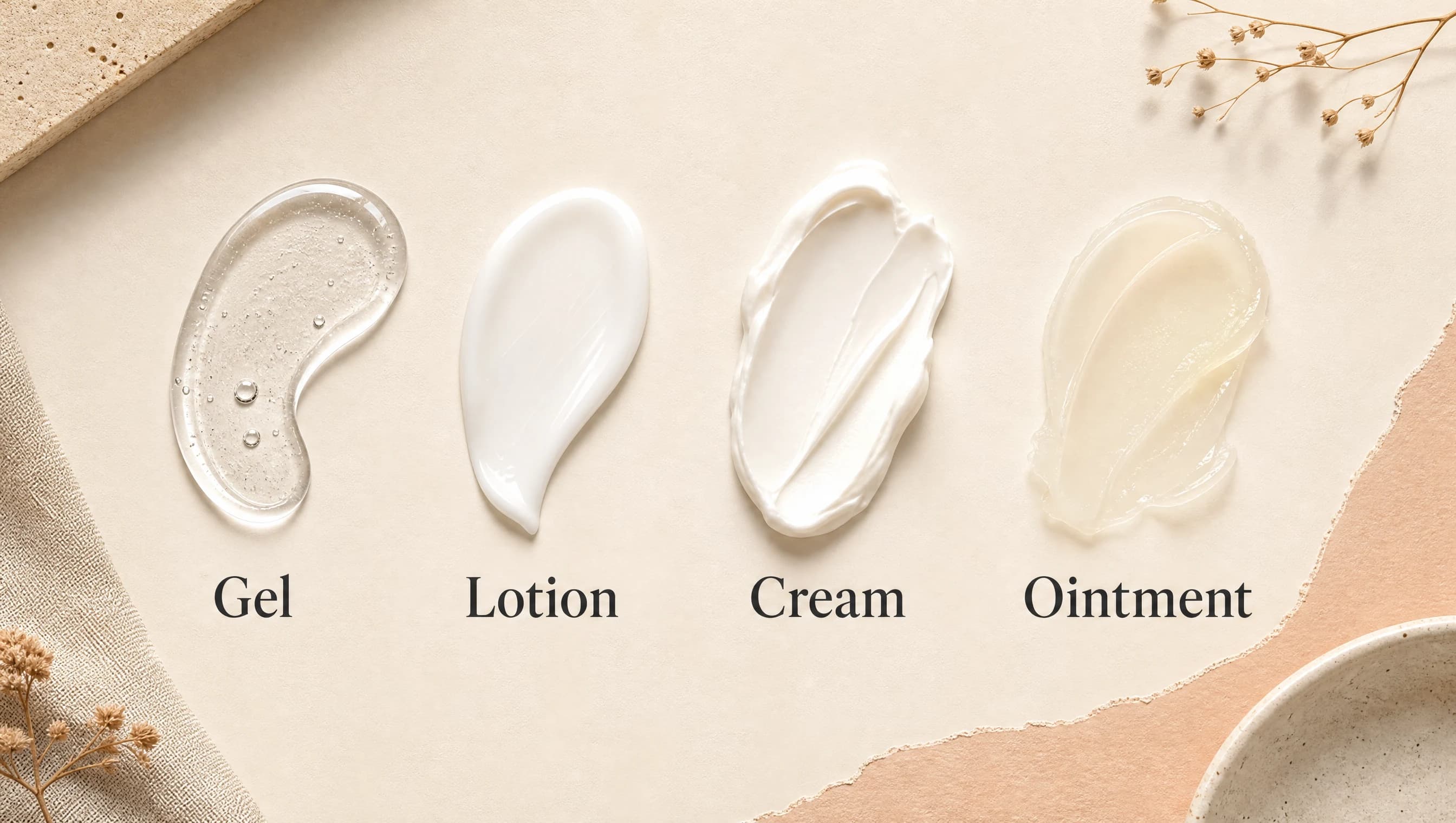
The names on the packages matter because both brands sell other products. A lip balm, lotion, fragranced jelly or regional version is not interchangeable with the two formulas reviewed here.
| Your requirement | Which label is relevant | Limit of that choice |
|---|---|---|
| A single disclosed ingredient | US Vaseline Original lists 100% white petrolatum | A shorter list does not guarantee tolerance |
| An ointment that also includes glycerin and panthenol | Aquaphor Healing Ointment lists these alongside 41% petrolatum | Additional ingredients do not establish better results |
| A known lanolin-alcohol exclusion | Aquaphor lists lanolin alcohol; check your personal avoidance guidance | Do not diagnose a new allergy from this comparison |
| Your current moisturizer is comfortable | Keep it unless an extra occlusive layer has a defined purpose | Neither ointment is a compulsory final step |
See Aquaphor's formulation explanation and the US Vaseline Original label. This table does not apply to every product carrying either brand's name. Your package remains the relevant reference when ingredients differ.
Understand what an ointment adds
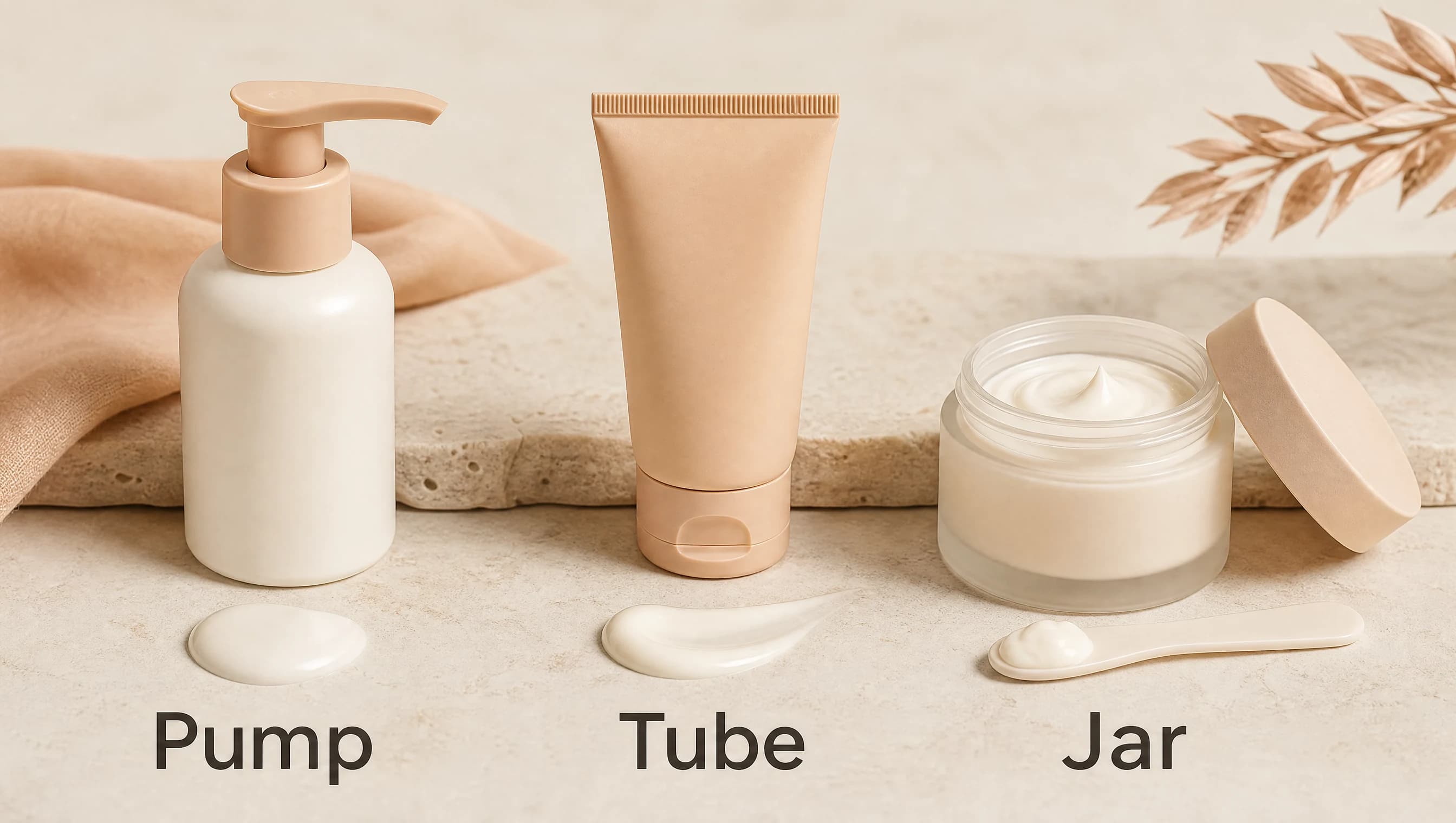
Petrolatum is an occlusive ingredient: it helps limit water loss. That role differs from choosing a light lotion because you prefer its everyday finish. A thicker final layer is optional, and a routine can remain useful without it.
Aquaphor's additional ingredients do not demonstrate that it will outperform Vaseline on your face. Likewise, a shorter ingredient list does not establish universal tolerance. The number of ingredients and the petrolatum percentage are label facts, not a direct ranking of finished-product results.
If a regular moisturizer already leaves your face comfortable, identify what is missing before adding an ointment. Our combination-skin moisturizer guide is useful when the main issue is choosing a lighter or richer format for different areas. For a broader explanation of layering, read the role of slugging in a routine.
Use ingredient history to narrow the choice
A known ingredient allergy or previous reaction matters more than brand popularity. Aquaphor's list includes lanolin alcohol; do not overlook that name when checking exclusions. At the same time, its presence does not mean that everybody will react to the formula.
Compare the full label with products you already tolerate. If you cannot identify what caused a previous reaction, avoid turning an ingredient list into a self-diagnosis. A dermatologist can help evaluate recurring problems and relevant testing.
The AAD's product-testing advice offers a way to assess a new product on a small area before wider use. Such a check cannot prove that a product will never cause a problem. Our sensitive-skin moisturizer guide can help you organize alternatives without assuming that a particular label guarantees comfort.
Decide whether you need either one
A useful shopping brief is: “I want an optional richer layer for an intact, dry-feeling area, and I need to check this ingredient exclusion.” That identifies both the job and the constraint. If the actual problem is an unpleasantly heavy finish, investigate a different moisturizer format before buying an ointment.
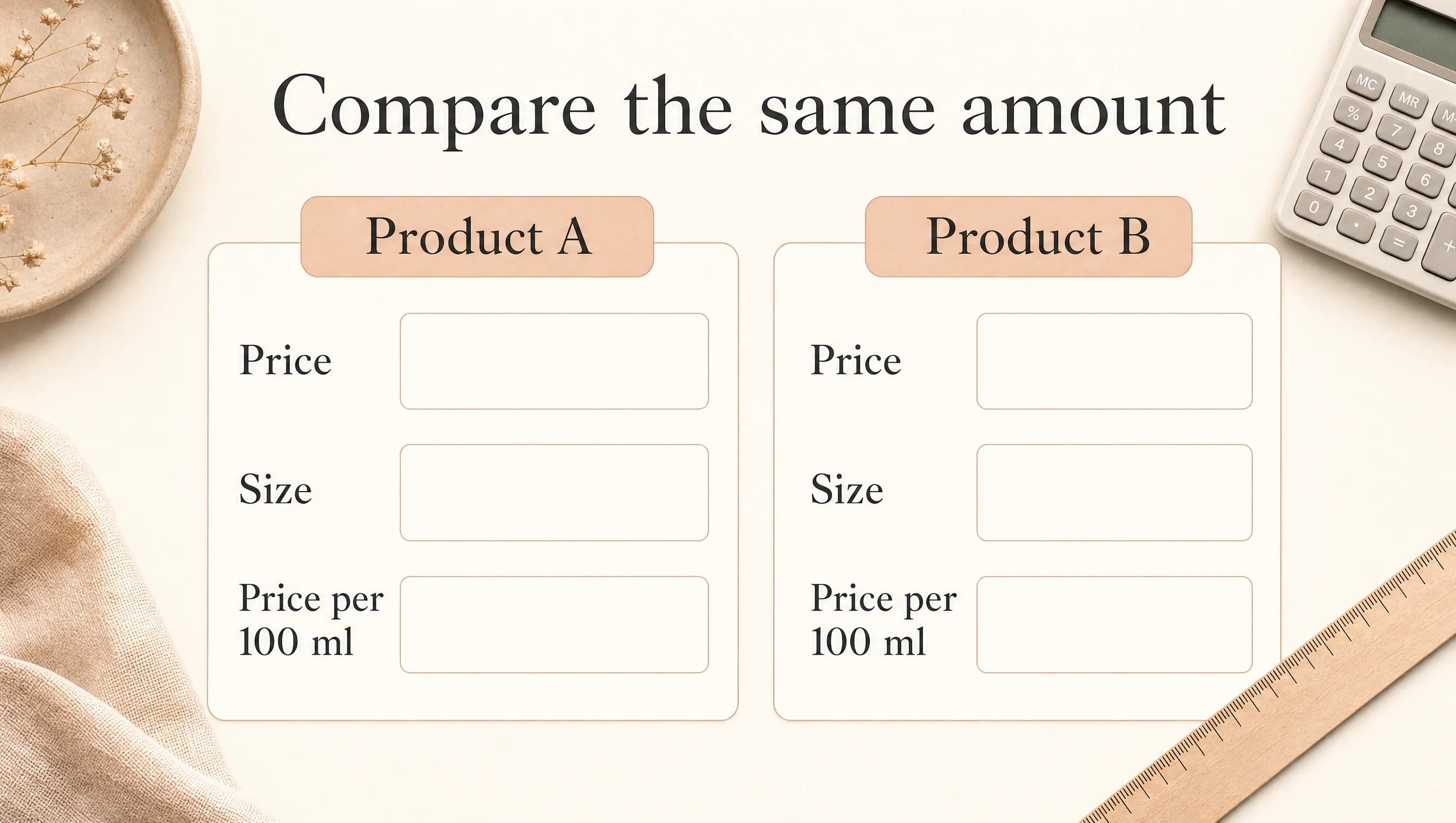
Once the formula fits, compare the quantity you expect to use. For an occasional small facial area, a large package is useful only if it suits your storage and use pattern; calculate unit cost from the same units on the actual packages.
- Confirm that the intended use is ordinary moisturizing on intact skin.
- Read the full name and ingredient list on the actual package.
- Check for ingredients you have been told to avoid.
- Decide which area needs the additional layer.
- Keep the rest of the routine stable enough to notice a problem.
Neither product name establishes that the ointment treats acne. If an oily or congested-feeling finish is already your main complaint, a lighter moisturizer may be a more relevant category to compare. For persistent tightness despite moisturizer, read our dehydrated-feeling skin guide and Cicaplast Baume B5 versus moisturizer.
Recognize the limits of this comparison
Stop using a new product if it causes irritation, and seek advice for persistent or worsening symptoms. Do not use an online comparison to decide care for a burn, infected area, open wound or recent procedure. Those situations fall outside this intact-skin guide.
Frequently asked questions
Is Aquaphor just another name for petroleum jelly?
No. The reviewed Healing Ointment contains petrolatum plus several other ingredients. Read the whole formula when comparing it with the reviewed US Vaseline Original product.
Does more petrolatum mean better facial results?
The percentage alone cannot answer that. Product role, tolerance and whether you want an occlusive layer remain relevant.
Can I assume every Vaseline jar is fragrance-free?
No. This comparison concerns the specific US Original Healing Jelly page. Other named or regional versions require their own label check.
Sources
Aquaphor: How Healing Ointment works (aquaphorus.com) — https://www.aquaphorus.com/specials/how-it-works
Vaseline US: Original Healing Jelly (vaseline.com) — https://www.vaseline.com/us/en/p/vaseline-healing-jelly-original.html/00305212352009
American Academy of Dermatology: Testing skin-care products (aad.org) — https://www.aad.org/public/everyday-care/skin-care-secrets/prevent-skin-problems/test-skin-care-products/
DermNet: Emollients and moisturisers (dermnetnz.org) — https://dermnetnz.org/topics/emollients-and-moisturisers
Clear guidance, checked before publication.
Solvi articles are structured by our editorial team and reviewed for clarity, consistency, and responsible health language. We update pages when guidance or product information changes.