Oily vs dry skin: the clear, zone-first guide to diagnosing and treating both


Oily skin produces visible sebum, persistent shine, and enlarged pores; dry skin feels tight, flakes, or itches and rarely re-shines after cleansing. A simple immediate test: wash with a gentle cleanser, wait 1–2 hours — if shine returns and pores look oil-filled, you’re likely oily; if skin feels taut or shows flakes, you’re likely dry.
How to tell if your skin is oily or dry
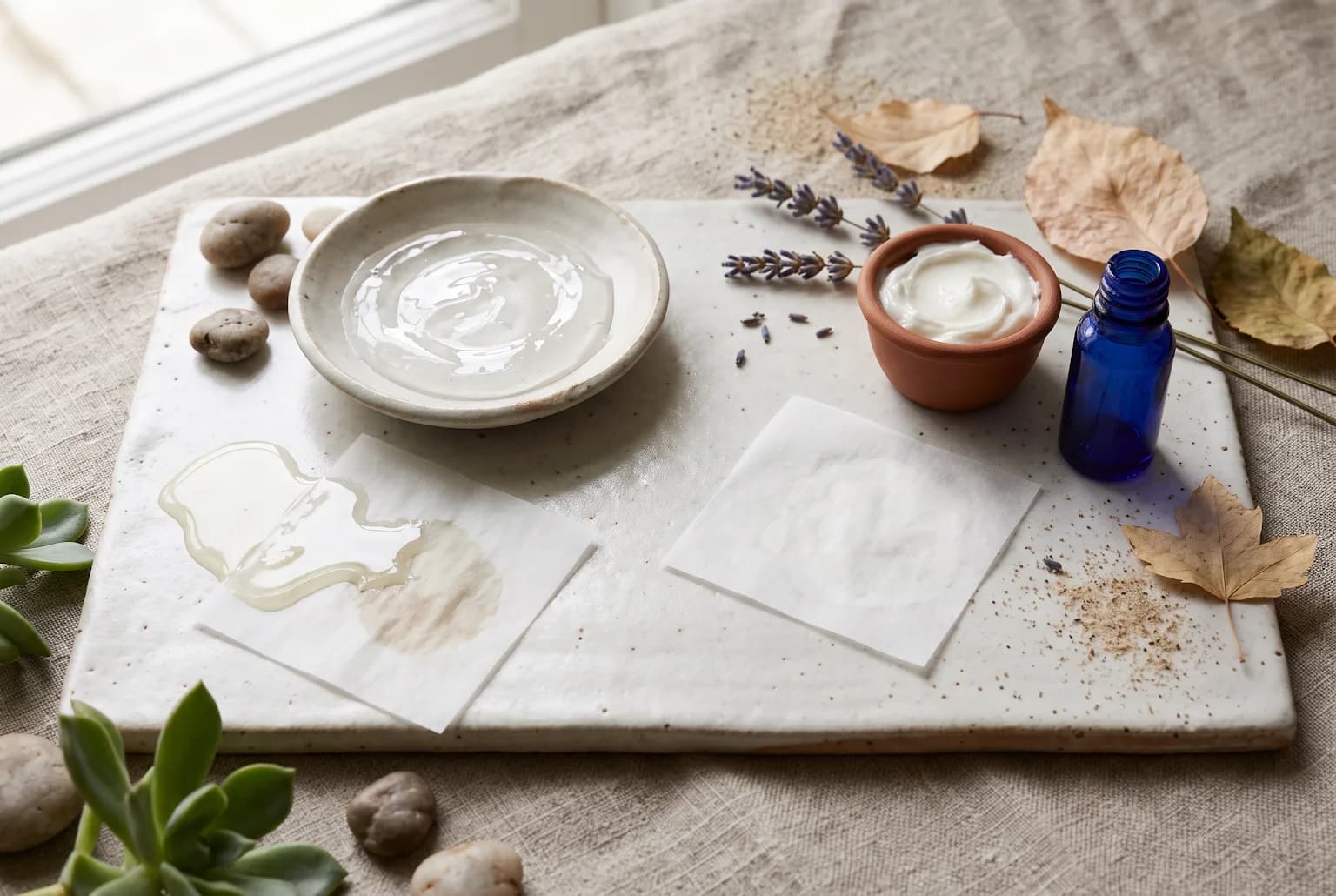
Start with the quick post-wash check and two visual cues. After cleansing, pat skin dry and avoid any product for 60–120 minutes. Oily skin: noticeable shine, especially on the T‐zone, visibly enlarged pores, and a tacky or slick surface when you touch it. Dry skin: a pulled or tight feeling, visible flakes, faint redness, or fine lines that look emphasized by dryness.
Feel is as telling as appearance: oily skin often tolerates lightweight textures without discomfort, whereas dry skin responds to richer creams and occlusives. Don’t confuse surface oil with healthy hydration — an oily person can still be dehydrated; that means lightweight humectants matter even for oily types.
Signs and instrumental clues to check

Clinical signs and simple instruments line up when you know what to observe. Look at pore size and shine pattern: generalized shine across the face or rapid re-shine in 1–2 hours suggests sebum overproduction; localized tightness, rough texture, and flaking point to low oil and compromised barrier. A blotting paper test (press for 2 seconds on the forehead or nose) gives a quick read: translucent oil spots mean sebum; no spot but visible roughness suggests dryness.
If you have access to a sebumeter or a magnifying loupe, a clear metric is the sebum index and comedo presence. Use the following table to map signs to likely needs and product swaps.
| Sign observed | Likely texture need | Quick product swap to try |
|---|---|---|
| Persistent shine, visible oil on blotter | Oil control, lightweight hydration | Gel or water‐based moisturizer; BHA 0.5–2% for pore clearing |
| Tightness, flakes, micro‐peeling | Barrier repair, occlusion | Cream cleansers, ceramide/hyaluronic layered moisturizer, occlusive at night |
| Mix of T‐zone shine and cheek dryness | Combination care, zone approach | Gel on T‐zone, cream on cheeks; avoid harsh stripping cleansers |
Oily skin strategies: texture, actives, and tradeoffs
If you identify as oily, your goal is to control excess sebum without triggering rebound oil production. Tradeoffs: over‐stripping cleansers reduce immediate oil but increase sebum synthesis later; heavy oil removers can worsen acne or irritation. Favor lightweight textures: water‐gel moisturizers, fluid emulsions, and serums that hydrate without occlusion.
Active choices: BHA (salicylic acid) targets oil‐filled pores and exfoliates inside the follicle; niacinamide helps regulate sebum and refines pores. Look for non‐comedogenic labels and oil‐control cleansers that don't leave skin tight (that can be a sign of over‐stripping). If acne is a concern, choose gel creams with humectants rather than thick creams.
Decision example: if your T‐zone re‐shines 2 hours post‐wash and blotting paper shows oil, swap a heavy cream for a gel moisturizer plus weekly clay mask. For makeup wearers, a mattifying primer or setting powder can help, and our guide to the best concealer for oily skin covers finish-first choices: Concealer for oily skin
Dry skin strategies: layering, textures, and tradeoffs
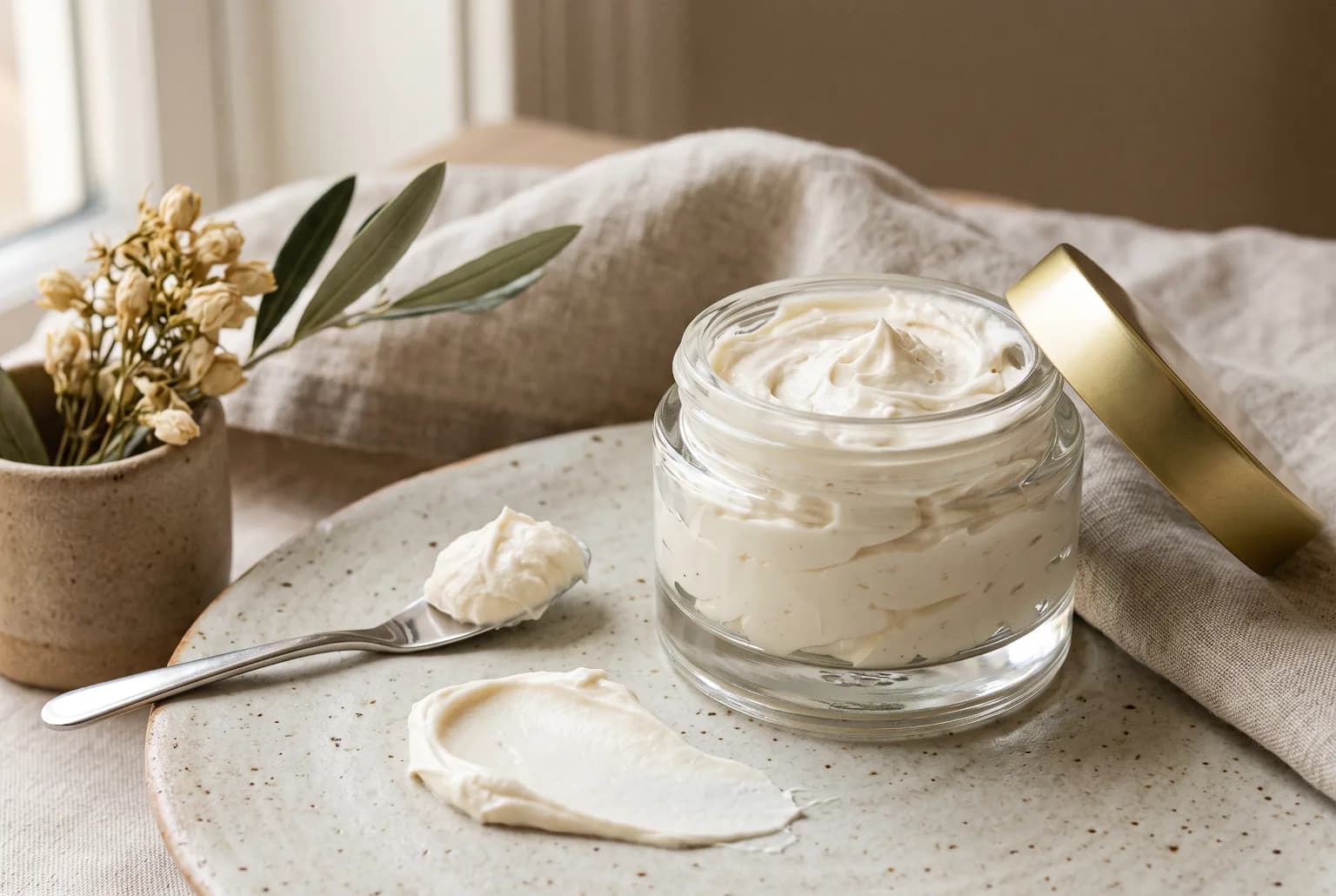
Dry skin requires a humectant→emollient→occlusive hierarchy to rebuild and lock in hydration. Tradeoffs include heavier feel and potential pilling with multiple layers; the goal is function over finish. Start with a creamy, non‐stripping cleanser, then a hydrating serum (hyaluronic acid) followed by a ceramide‐rich cream and a nighttime occlusive like petrolatum or a balm for severe dryness.
Avoid high‐alcohol toners, physical scrubs, or too‐frequent use of drying acids. If you still want active exfoliation, reduce frequency and pair with a hydrating, lipids‐rich moisturizer afterward. A decision example: if cheeks feel tight after an hour and you see flaking, swap foaming cleansers for a cream cleanser and add a 2‐step moisturizer: a humectant serum plus a rich cream.
If you’re shopping, look for ingredient layers rather than single heavy products; our barrier-first night moisturizer guide explains how to prioritize ceramides and occlusives for mature or dry skin: Night moisturizer for sensitive skin
Combination skin: how to treat by zone
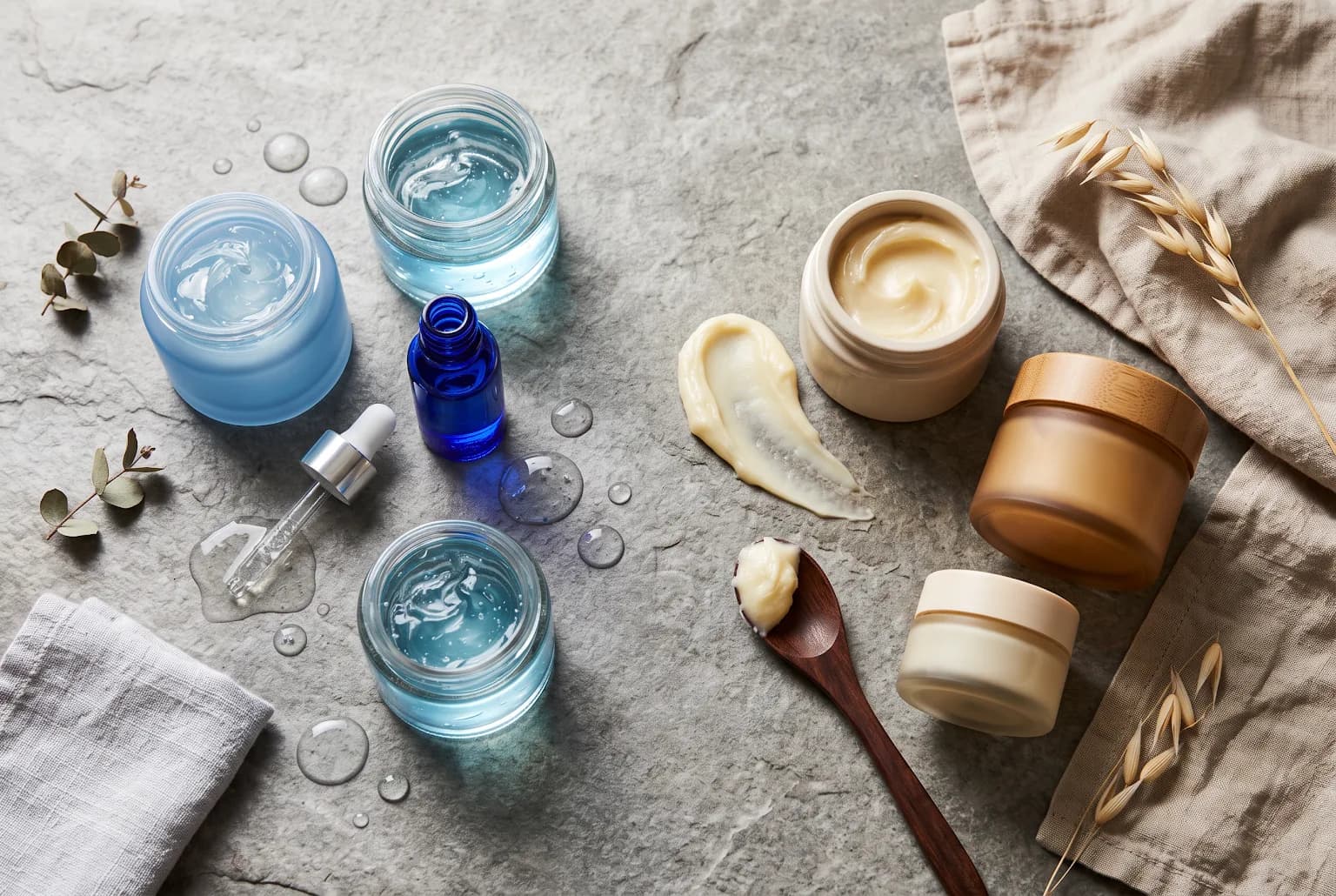
Combination skin is common and requires a zone‐first approach. Identify zones: T‐zone (forehead, nose, chin) often oily; cheeks commonly drier. The practical move is product zoning rather than product piling. Use a lightweight gel or lotion on the T‐zone, and a richer cream or balm on the cheeks and jawline.
Texture and layering examples: morning — hydrating serum across the face, gel moisturizer on the T‐zone, cream on cheeks, broad‐spectrum sunscreen that suits both zones (or a matte finish on the T‐zone). Evening — BHA or retinoid on oily zones only, richer emollients on dry zones. For shopping simplicity, our gel‐cream guide for combination skin explains balanced textures that work across zones: Moisturizer for combination skin
A practical test: assign two products—one gel and one cream—and use them for two weeks in a zone split. Track comfort, shine control, and any new breakouts to refine choices.
How to choose products and what to review before buying
When you’re comparing formulas, prioritize three criteria: texture (how it feels layered), ingredient function (humectant vs occlusive), and non‐comedogenic labeling for oily or acne‐prone types. For each product read the first five ingredients for clues: water/glycerin/hyaluronic acid indicate humectant focus; dimethicone or lightweight esters signal a non‐occlusive finish; petrolatum and heavier butters indicate occlusive potential.
Tradeoffs to weigh: cost per ounce versus potency of actives (a concentrated serum may justify price), and multi‐use products versus single‐purpose ones (a gel‐cream might simplify a combination routine but won’t provide heavy occlusion for very dry skin). If you need sunscreen recommendations that work across zones, see our guide: Sunscreen for combination skin
Decision example: if you’re oily with dehydration, choose a gel moisturizer with glycerin plus a lightweight occlusive at night rather than a heavy daily cream.
A simple zone-first routine to test and adapt
Keep testing short and measurable: use a 4‐week trial window and one change at a time. Morning routine (oily focus): gentle cleanser, hydrating serum, gel moisturizer, sunscreen. Night routine (dry focus): cream cleanser or balm, hyaluronic serum if needed, richer cream or targeted occlusive on dry zones. For combination skin, split products by zone rather than mixing in different ratios.
Routine checklist (try this for two weeks):
- Week 1: Single change — swap cleanse for non‐stripping formula and track discomfort
- Week 2: Introduce target texture (gel or cream) and note shine or flaking after 2 hours
- Week 3: Add an active (BHA on oily zones or retinoid on alternate nights) and monitor tolerance
- Week 4: Decide to continue, tweak frequency, or introduce an occlusive at night
For product selection cues, sample small sizes where possible and prioritize full ingredient lists over marketing claims. If your needs cross acne and dryness, see the balanced routine for acne and oily skin: Routine for acne and oily skin
Frequently asked questions
How quickly can I tell if I'm oily or dry?
A practical in‐home check gives a reliable signal within a few hours. Cleanse with a gentle cleanser, avoid applying products, and observe for 60–120 minutes: re‐shine and oil on blotting paper point to oily; tightness, flaking, and visible dryness point to dry. Repeat the test once more on a different day to confirm, and map patterns across seasons.
Can I be oily and dehydrated at the same time?
Yes — surface oiliness and water deficiency are different issues. Oily skin can lack water, showing fine lines, sensitivity, or midday tightness despite a shiny finish. Treat dehydration with humectants (glycerin, hyaluronic acid) alongside light oil‐controlling textures rather than skipping hydration altogether.
What's the simplest routine for combination skin?
Adopt a zone‐first approach: a gentle cleanser, a hydrating serum across the face, a gel or lightweight moisturizer for the T‐zone, and a cream on drier cheeks. Use actives targeted by zone (BHA on oily areas, occasional retinoid on drier zones) and choose a sunscreen that matches your finish needs for each zone.
When should I choose an occlusive like petrolatum?
Introduce occlusives at night if you have persistent flaking, cracking, or a compromised barrier that doesn’t respond to creams alone. Start with a thin layer and limit to dry zones; occlusives trap moisture but can feel heavy and are usually unnecessary on oily zones.
Sources
- American Academy of Dermatology — skin types and care basics
- Derm resource on distinguishing oily vs dry and combination care
- ClinicAdvisor — dermatologist moisturizer picks by skin type
Clear guidance, checked before publication.
Solvi articles are structured by our editorial team and reviewed for clarity, consistency, and responsible health language. We update pages when guidance or product information changes.

Maya Bennett
Senior Beauty Editor. Maya is the skincare obsessive who turns big beauty questions into clear, grounded guidance. She is especially interested in routines that respect real skin, real schedules, and realistic budgets.