The best face wash for men with oily skin: what to pick and why



For men with oily skin, the best face wash is usually a pH-balanced gel or foaming cleanser that includes either a light beta-hydroxy exfoliant (salicylic acid) or oil-controlling ingredients such as zinc PCA or niacinamide. Avoid harsh, strip-dry surfactants and always follow cleansing with a lightweight, non-comedogenic moisturizer to prevent rebound oiliness.
A practical pick balances cleansing strength and gentleness: salicylic washes for clogged pores and breakouts, niacinamide or zinc for ongoing oil control and texture, and hyaluronic acid or humectants if you want a matte but hydrated finish. Below is a clear, format-forward guide to textures, tradeoffs, and pairing decisions so you can shop with confidence.
What to look for in a face wash for oily skin
The first decision is performance vs gentleness. If you experience breakouts or blackheads, a cleanser with salicylic acid in the 0.5–2% range can penetrate sebum-filled pores and help loosen debris without necessarily blasting the whole surface. For day-to-day oil control without active exfoliation, choose formulations that list zinc PCA or niacinamide—these target sebum behavior and pore appearance rather than simply stripping oils.
Texture matters: gel and foaming formulas usually lift oil well, while cream cleansers risk feeling heavy. Equally important is surfactant choice and pH; look for cleansers described as pH-balanced or formulated to be non-stripping. Finally, consider your shave routine: aggressive medicated washes used immediately before or after shaving can increase irritation, so timing is part of the decision criteria.
| Ingredient | What it does | Typical use case |
|---|---|---|
| Salicylic acid (0.5–2%) | Beta-hydroxy exfoliant that penetrates oily pores | For clogged pores, blackheads, and acne-prone oily skin |
| Niacinamide | Regulates sebum appearance, soothes, reduces redness | Daily oil-control without dryness |
| Zinc PCA | Helps control surface oil and has anti-microbal properties | For matte finish and less shine |
| Hyaluronic acid | Hydrates without oil; supports barrier | Prevents over-drying after cleansing |
Salicylic acid cleansers: when and how to use them
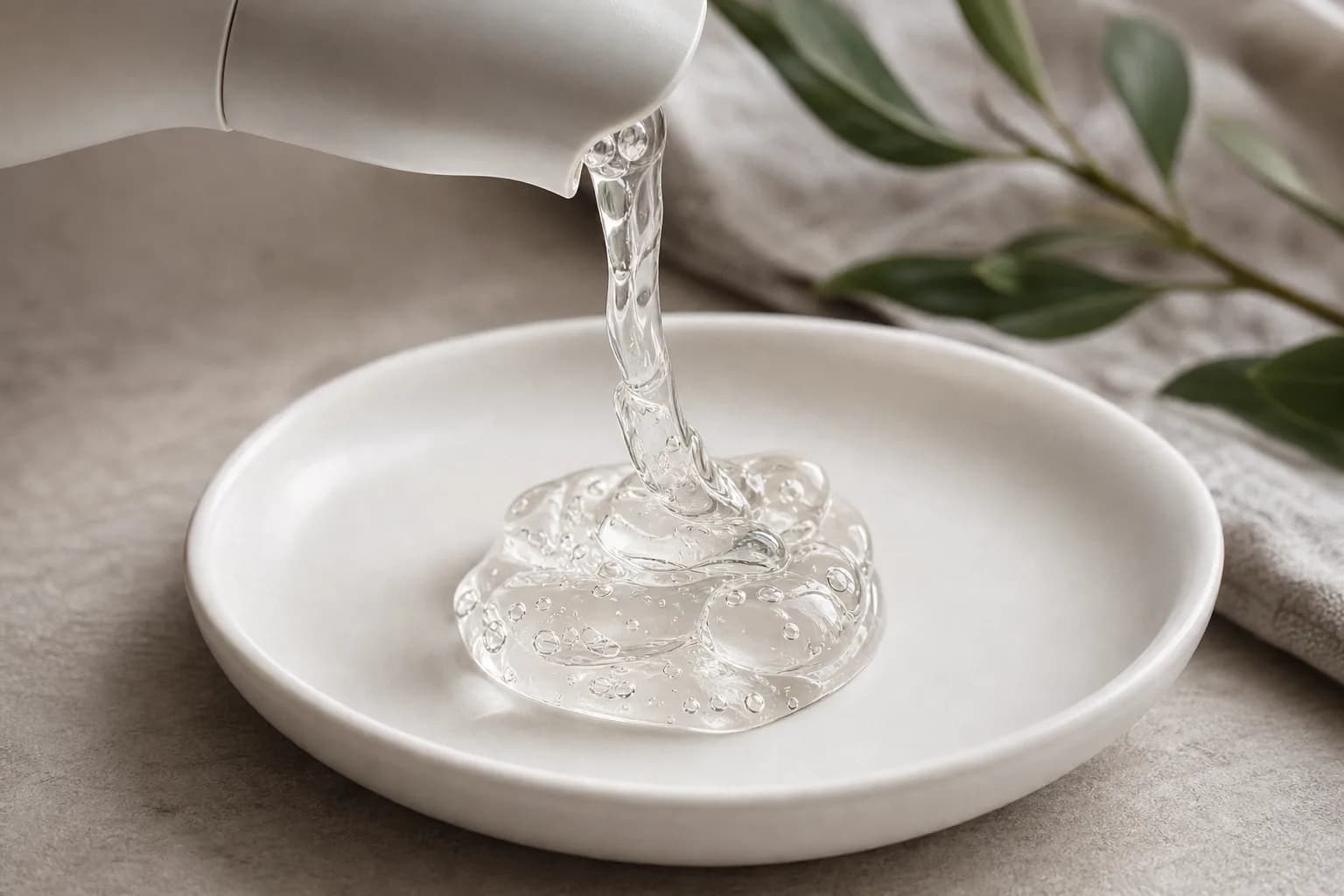
Salicylic acid is the workhorse for oily men who contend with clogged pores or recurrent whiteheads and blackheads. Use it in the morning or evening, but not both if you experience sensitivity; a twice-daily regimen can be fine for many, yet the acid's exfoliating action can irritate freshly nicked skin from shaving. The brief rule: if you shave every morning, try salicylic washes in the evening or pick milder concentrations for AM use.
Texture and format influence effectiveness—salicylic is commonly found in clear gels and foaming formulas that produce a light lather. Expect a clean, slightly matte finish rather than a squeaky-dry one; if your skin feels cracked or tight after, switch to a gentler option and introduce a moisturizer right away. For advice on targeting blackheads specifically, see this primer on salicylic selection: Best face wash for blackheads: a practical salicylic guide.
Gel and foam textures: who they suit and tradeoffs
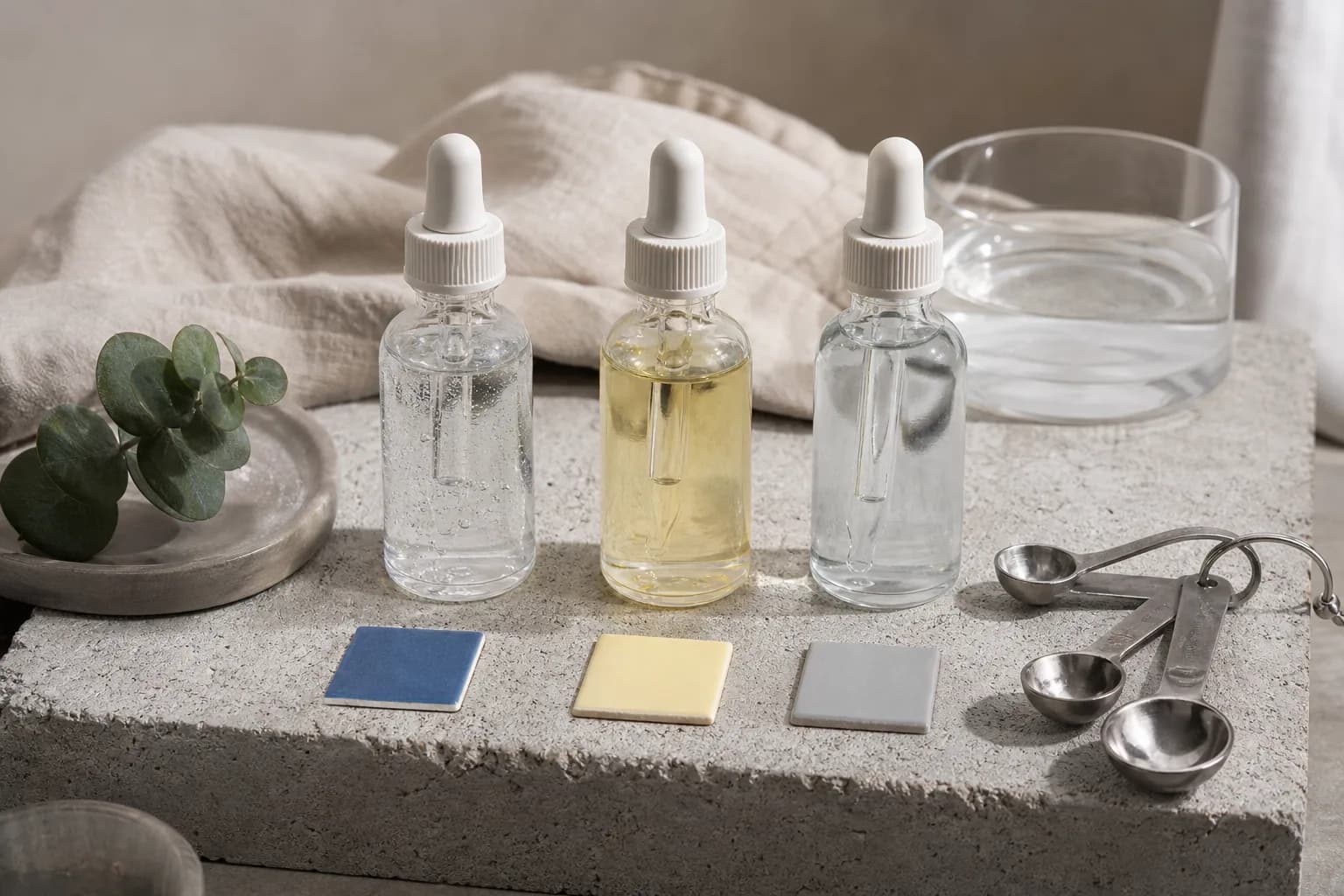
Gel and foaming cleansers are the default for oily skin because they remove excess sebum efficiently and rinse clean. Gels deliver a lightweight feel and are often paired with oil-control actives; foams can feel more thorough but sometimes use stronger surfactants that risk barrier disruption. When choosing, read product descriptions for words like “non-stripping,” “pH-balanced,” or mention of mild surfactants.
Consider personal habits: if you work out daily and need a quick AM rinse, a foaming gel that removes sweat and oil without drying is practical. If your skin runs more reactive, a gel with added niacinamide or a humectant will be kinder. Tradeoffs include finish—foams tend toward matte, gels can be engineered to leave a touch of hydration.
- Gel: lightweight, good for daily use, pairs well with serums.
- Foaming cleanser: best for heavy oil or grime days, sometimes harsher.
- Cream/lotions: usually too occlusive for oily skin unless specifically labeled oil-control.
Ingredients that help control oil without stripping
Beyond salicylic acid, a handful of ingredients deliver oil control without triggering rebound oil production. Niacinamide helps regulate sebum’s visual impact and strengthens barrier function, making it an ideal daily ally. Zinc PCA reduces surface shine and can be calming; it’s common in men’s formulations marketed for oily or combination skin. Humectants like low-molecular-weight hyaluronic acid maintain hydration so you won’t overcompensate with heavy creams.
Avoid products that rely primarily on harsh sulfates or alcohol to remove oil; these can leave skin tight and prompt increased sebum production. If you want concentrated oily-skin care without constant acids, look for cleansers that combine a mild exfoliant with zinc or niacinamide so you get both pore clearing and oil regulation. For barrier-first alternatives—if you have sensitivity in addition to oil—see our guide: The Best Sensitive Skin Face Wash Starts With a Quieter Cleanse.
How to pair your wash with shaving and moisturizer
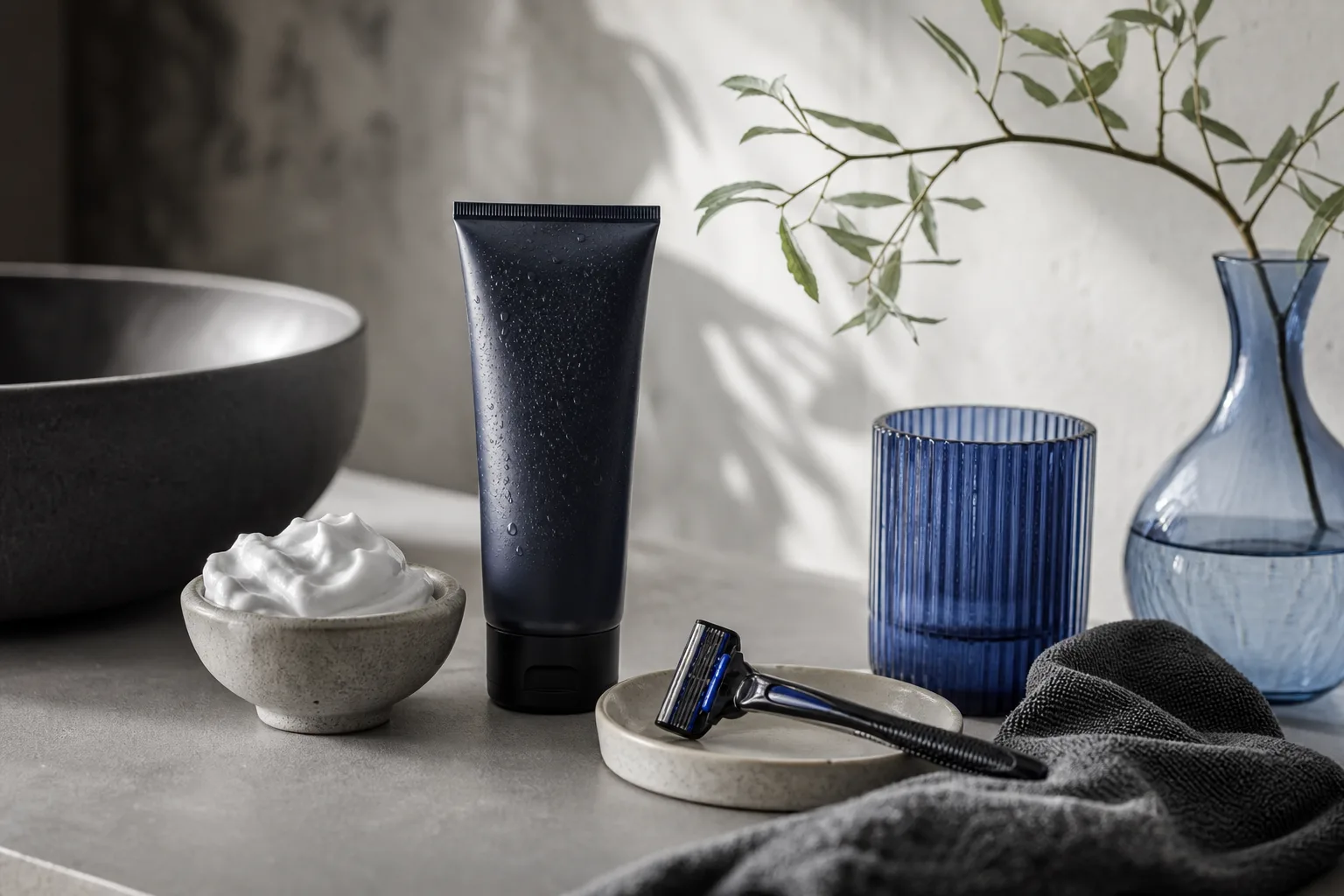
Shaving changes the game: it temporarily thins the skin surface and can create micro-abrasions that clash with strong actives. If you use a medicated salicylic wash, avoid shaving immediately after a full-strength application—either wash in the evening after shaving in the morning, or use a gentler, non-acid wash before shaving and apply salicylic cleansers on off-shave days.
Post-wash layering should be low-friction. For oily skin, opt for lightweight, non-comedogenic moisturizers—gels, gel-creams, or oil-free lotions—so the skin stays hydrated without adding weight. If you prefer an all-in-one product to speed your AM routine, choose a moisturizing gel with humectants and matte-finish silicones that won’t interfere with sunscreen or makeup.
Shopping by price and availability: drugstore to prestige
Budget matters but formulation matters more. Many drugstore cleansers deliver salicylic acid and zinc PCA at effective concentrations, offering high value for oily-prone skin. Mid-range and prestige options may add refined textures, targeted delivery systems, or sensory upgrades (scent, pump quality). Decide whether you want a clinical active or a daily oil-control cleanser: if active, check concentrations and directions; if daily control, prioritize ingredient lists over marketing.
For a powder fix downstream—if shine is still a problem—consider setting with a mattifying powder: Best Face Powder for Oily, Acne-Prone Skin: A Smarter Way to Set Shine.
Quick morning and evening routines for oily skin
A low-friction routine keeps consistency high. Morning: rinse with a gentle gel or foam that controls oil and pairs with a lightweight, oil-free moisturizer and SPF. Evening: use a salicylic acid cleanser if you need pore clearing—follow with a hydrating gel-cream and, if prescribed or used, spot treatments. Keep routines to three steps for adherence: cleanse, treat (optional), moisturize.
Routine examples by priority:
- Minimalist daily (no acne): pH-balanced gel cleanser, oil-free moisturizer, SPF.
- Pore-focused (blackheads): evening salicylic gel wash, morning mild gel wash, lightweight moisturizer.
- Active breakouts: consult guidance for medicated cleansers and introduce them slowly; always layer moisturizer to protect the barrier.
Frequently asked questions
Can men with oily skin use salicylic acid every day?
Many men tolerate daily salicylic acid cleansers, particularly at lower concentrations (0.5–2%), but sensitivity varies. Start with once daily in the evening and monitor for irritation. If you shave every morning, consider evening use only. If dryness or redness appears, reduce frequency and pair with a gentle, hydrating moisturizer.
Is foaming better than gel for controlling shine?
Foams often feel more thorough and can remove heavy sebum quickly, but their surfactants may be harsher. Gels can be formulated to lift oil while leaving a light hydration layer. Choose based on skin response: if you feel tightness after foams, switch to a gel with oil-regulating ingredients.
What should I look for in a post-wash moisturizer?
Pick a lightweight, non-comedogenic formula—gel-creams or oil-free lotions work well. Look for humectants like hyaluronic acid and soothing agents like niacinamide. Avoid heavy oils and occlusives that can sit on the skin and worsen shine or congestion.
How should I time a medicated wash around shaving?
Avoid using strong exfoliating washes immediately before or after shaving to reduce irritation. If you shave daily, use medicated cleansers on off-shave days or in the evening. If irritation persists, choose milder formulas and introduce actives more slowly.
Related Reading
- Best clay mask for oily skin: a practical guide
- Best Concealer for Oily Skin: A Finish-First Guide to Coverage That Stays Put
- The best makeup for oily skin: a finish-first, wear-tested approach
Sources
- NBC Select — Best Face Wash for Men (dermatologist recommendations)
- Dermatology clinic guidance — cleansers for oily skin
- Product category pages (examples: Kiehl’s, CeraVe men’s cleansers)
Clear guidance, checked before publication.
Solvi articles are structured by our editorial team and reviewed for clarity, consistency, and responsible health language. We update pages when guidance or product information changes.

Naomi Chen
Skincare Ingredients Writer. Naomi reads ingredient lists for fun and loves translating formulation language into advice that makes sense at the bathroom mirror. Hydration, barrier care, and sensitive-skin formulas are her favorite rabbit holes.