The best night cream for oily skin: water-based gel-cream guide


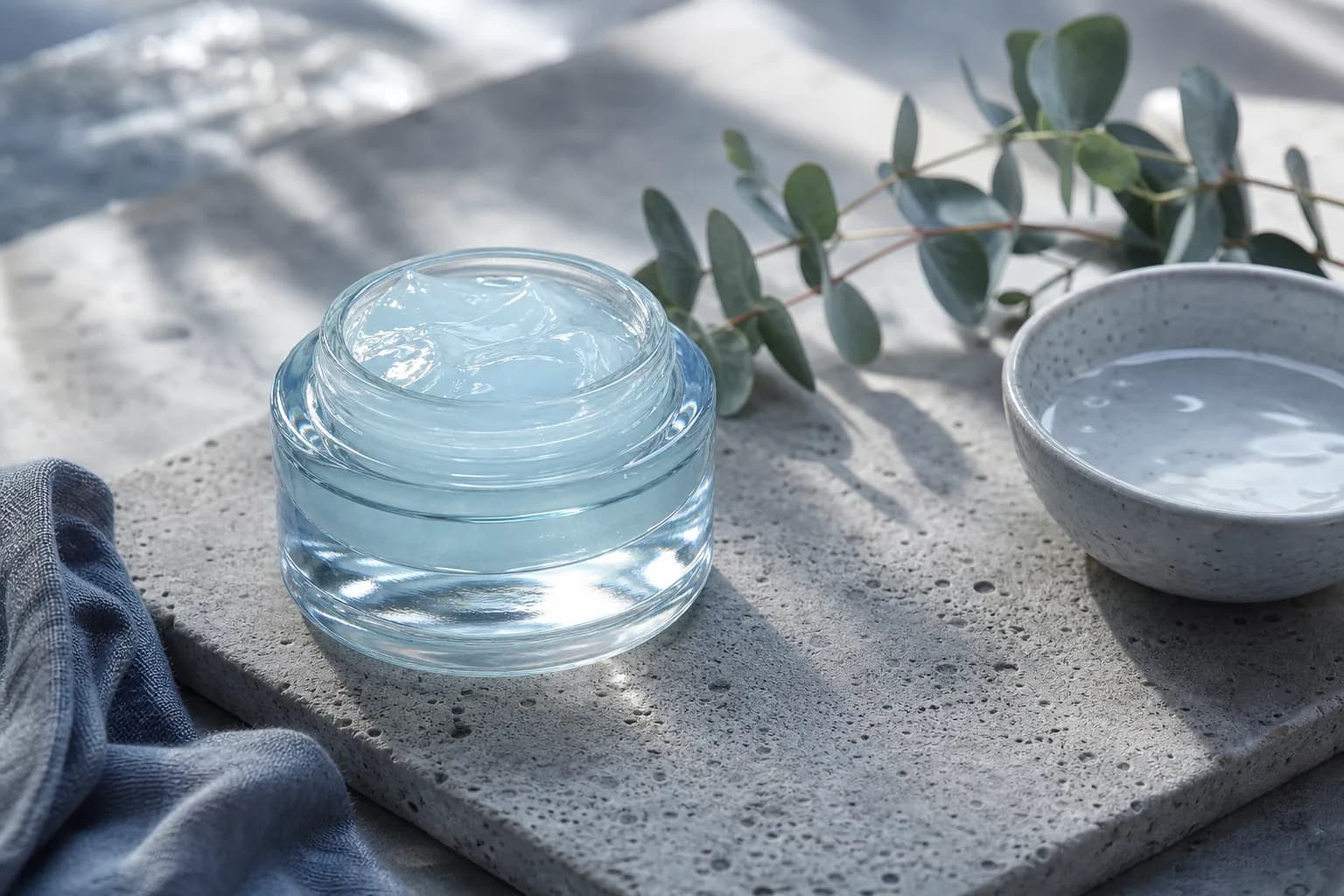
For oily skin, the best night cream is usually a water-based gel-cream that delivers humectant-rich hydration, barrier support, and optional mattifying or sebum-regulating actives. Choose formulas that rely on glycerin, hyaluronic acid, and ceramides rather than heavy occlusives; add niacinamide or light peptides if you want pore-friendly texture and overnight repair. This guide explains textures, ingredient tradeoffs, layering, and who benefits from each format so you can make a confident purchase.
How to choose a water-based gel-cream
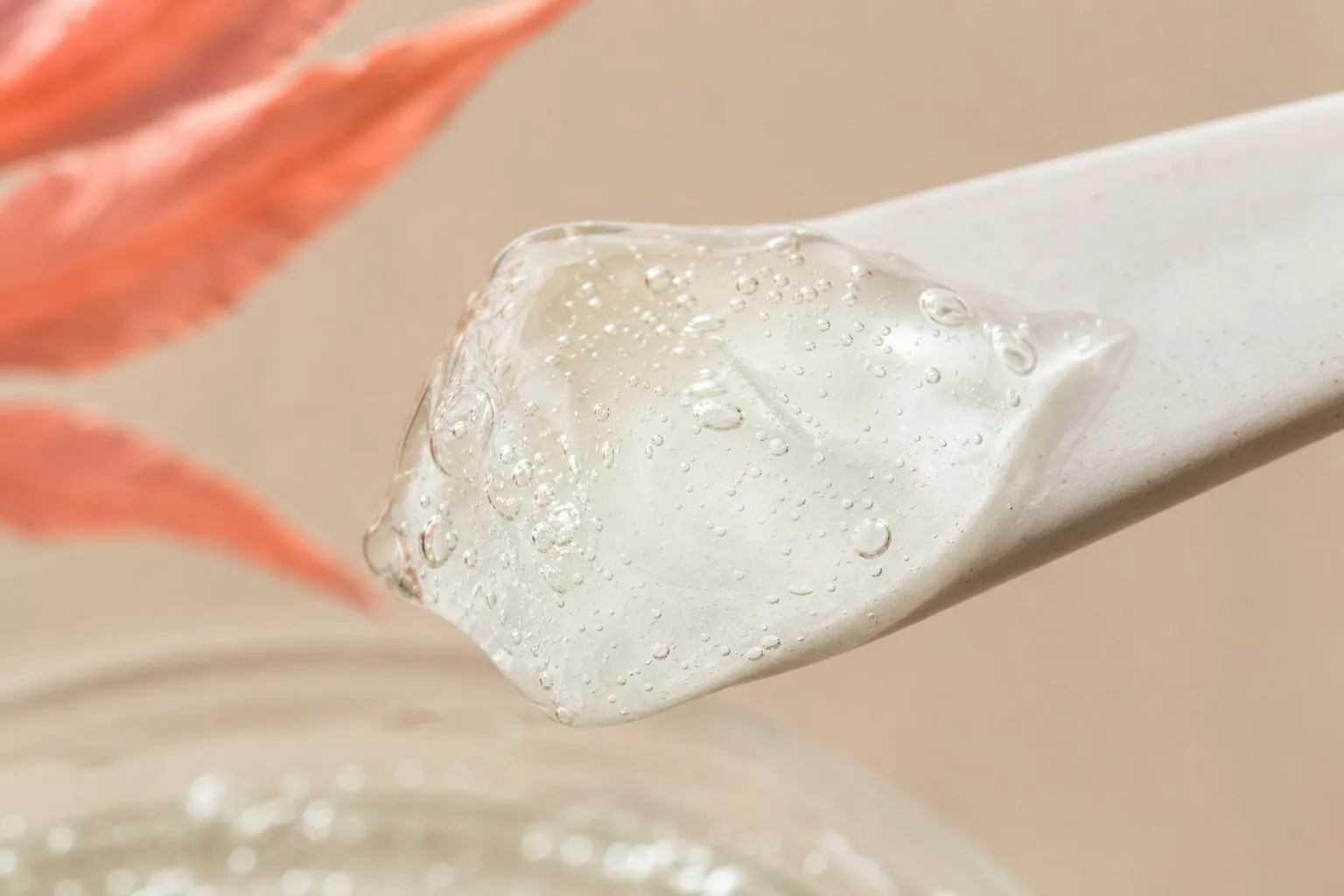
A water-based gel-cream is the core texture to target when you want durable hydration that doesn’t feel greasy. These formulas typically combine a high-water content base with humectants like hyaluronic acid or glycerin, a light emollient to prevent tackiness, and barrier-supporting ceramides. For oily and combination skin, the goal is to rehydrate without layering on occlusives that sit on the surface and trap oil.
When you evaluate labels, use this quick checklist: look for “water-based,” “oil-free,” or “non-comedogenic,” and prioritize short ingredient lists where a humectant or skin-identical lipid appears near the top. If oil control is a priority, select formulas that include niacinamide for its barrier benefits and mattifying effect. If you’re managing acne, avoid heavy plant oils and butters; they can feel nourishing but may exacerbate congestion on oily complexions.
Match the formula to your climate and season: gel-creams work year-round in humid climates but might feel too light in cold, dry winters. In that case, pick a gel-cream with ceramides or a slightly richer water-in-oil emollient fraction rather than moving straight to a heavy cream.
Ingredients to prioritize (and what to avoid)
Ingredients matter more than packaging. For oily skin, prioritize oil-free humectants and barrier-repair lipids: glycerin and hyaluronic acid pull and bind water to the surface, while ceramides repair the barrier without adding grease. Niacinamide is a multi-tasker — it helps sebum regulation, refines pore appearance, and supports the lipid barrier. Lightweight peptides add repair benefits without weight.
Avoid heavy occlusives and dense botanical oils that can sit on top of skin and trap sebum; examples to be cautious with include cocoa butter, coconut oil, and thick petrolatum-based creams when acne or congestion is present. Also be wary of high concentrations of alcohol denat (drying) that can trigger rebound oil production.
Short ingredient list to look for:
- Water (aqua) as the top ingredient
- Glycerin or sodium hyaluronate within the first five ingredients
- Ceramide NP or ceramide AP for barrier support
- Niacinamide for shine control and texture
Texture, layering, and nighttime routine tradeoffs
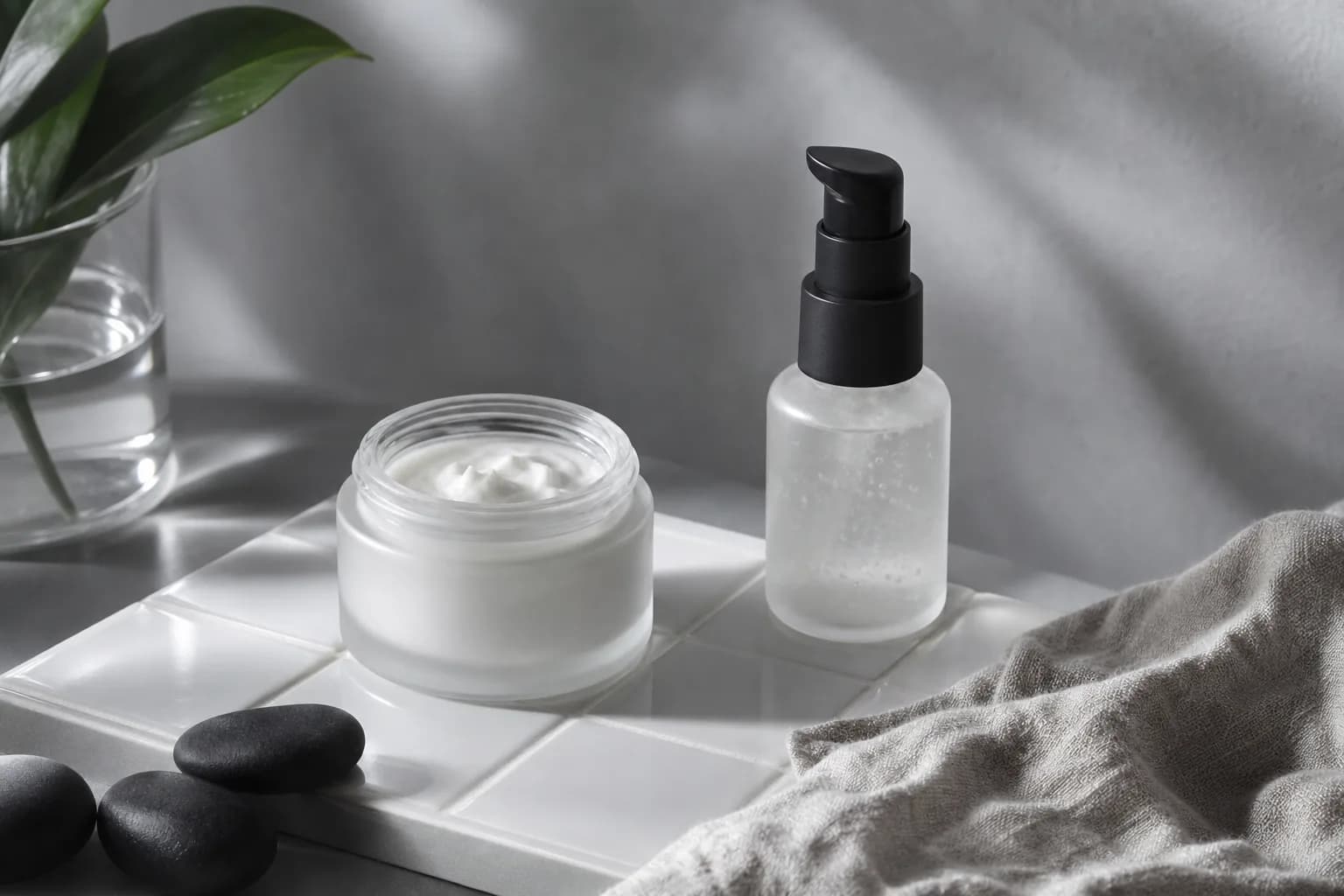
Texture informs how a night cream will feel under sleepwear and whether it layers well with active treatments. Gel-creams absorb quickly, leave a matte or semi-matte finish, and play nicely with nightly serums like niacinamide or peptide boosters. Creamy night moisturizers are comforting but can be occlusive, which risks increased breakouts and a shiny pillowcase for oily skin.
Layering order matters: apply lightweight serums (water-based actives like hyaluronic acid or niacinamide) first, then the gel-cream. If you use a prescription retinoid or over-the-counter retinol, allow time for the retinoid to absorb (about 3–5 minutes), then follow with the gel-cream to reduce irritation and provide hydration. For a mattifying night effect, look for ingredients labeled as “matte finish” or silica microspheres — they reduce surface shine but can be drying in excess.
If you want overnight exfoliation with retinoids or AHA/BHA, make a decision based on skin tolerance: pairing a gentle gel-cream with those actives can prevent flaking. Conversely, using a thick occlusive over retinoid can trap residue and increase irritation for some people.
Practical picks for different oily-skin goals
Not every oily complexion wants the same thing. Define your primary goal and choose the texture and ingredients accordingly.
- Barrier repair and fewer breakouts: Pick a ceramide-enriched gel-cream with glycerin and niacinamide. This restores lipids while keeping pores clear.
- Mattifying, shine-free finish: Choose a lightweight gel formula with silica or niacinamide and an explicit matte claim.
- Anti-aging without oil: Select a peptide-containing gel-cream to support collagen while remaining non-greasy.
- Acne-prone oily skin: Use a non-comedogenic gel-cream and pair it with acne treatments as advised; avoid heavy plant oils.
For applied learning, compare these product scenarios: a simple glycerin + hyaluronic acid gel is a low-risk starter; if you need repair add ceramides; if you want visible reduction in surface shine add niacinamide. For a deeper primer on gel-creams across skin types, see the Best Face Moisturizer for Combination Skin: The Smart Gel-Cream Guide.
How to introduce a night gel with actives safely
If you use actives such as retinoids, benzoyl peroxide, or chemical exfoliants, the night cream you choose should reduce irritation risk while supporting repair. Start slowly: introduce the active on alternate nights, and use your gel-cream every night. On nights when you apply a retinoid, wait a few minutes for the active to absorb, then press the gel-cream onto skin rather than rubbing; pressing minimizes friction and ensures a uniform hydrating layer.
Build tolerance over 4–8 weeks. If dryness or flaking emerges, reduce active frequency and sustain the gel-cream. For a simpler regimen, apply a hydrating serum (hyaluronic acid) followed by the gel-cream to keep the skin hydrated without layering oils.
Practical routine steps:
- Cleanse with a gentle, non-stripping face wash.
- Apply water-based serums (hyaluronic acid, niacinamide) to damp skin.
- Wait 1–3 minutes for absorption of actives like retinoids if used.
- Press on a thin layer of your water-based gel-cream; allow to set before bed.
Shopper decision table
| Primary goal | Best texture | Ingredients to seek | Who this suits |
|---|---|---|---|
| Barrier repair without grease | lightweight gel-cream with ceramides | glycerin, ceramides, niacinamide | combination to oily skin with sensitivity |
| Mattifying / shine control | matte-finish gel or sleeping gel | niacinamide, silica, oil-control polymers | oily skin that shines midday |
| Acne-prone hydration | non-comedogenic gel | hyaluronic acid, glycerin, low-irritant emollients | oily acne-prone skin needing hydration |
| Anti-aging with oil-free feel | peptide gel-cream | peptides, glycerin, minimal emollients | oily skin wanting anti-aging benefits |
Use the table to map a product's label to your goals. If a product checks two boxes (for example, ceramides + niacinamide in a matte gel), it's a versatile pick. For a deeper shopping framework around oily acne-prone options, consult our guide on Moisturizer for oily acne skin: a practical texture-first guide.
Where to start on a budget and splurge options
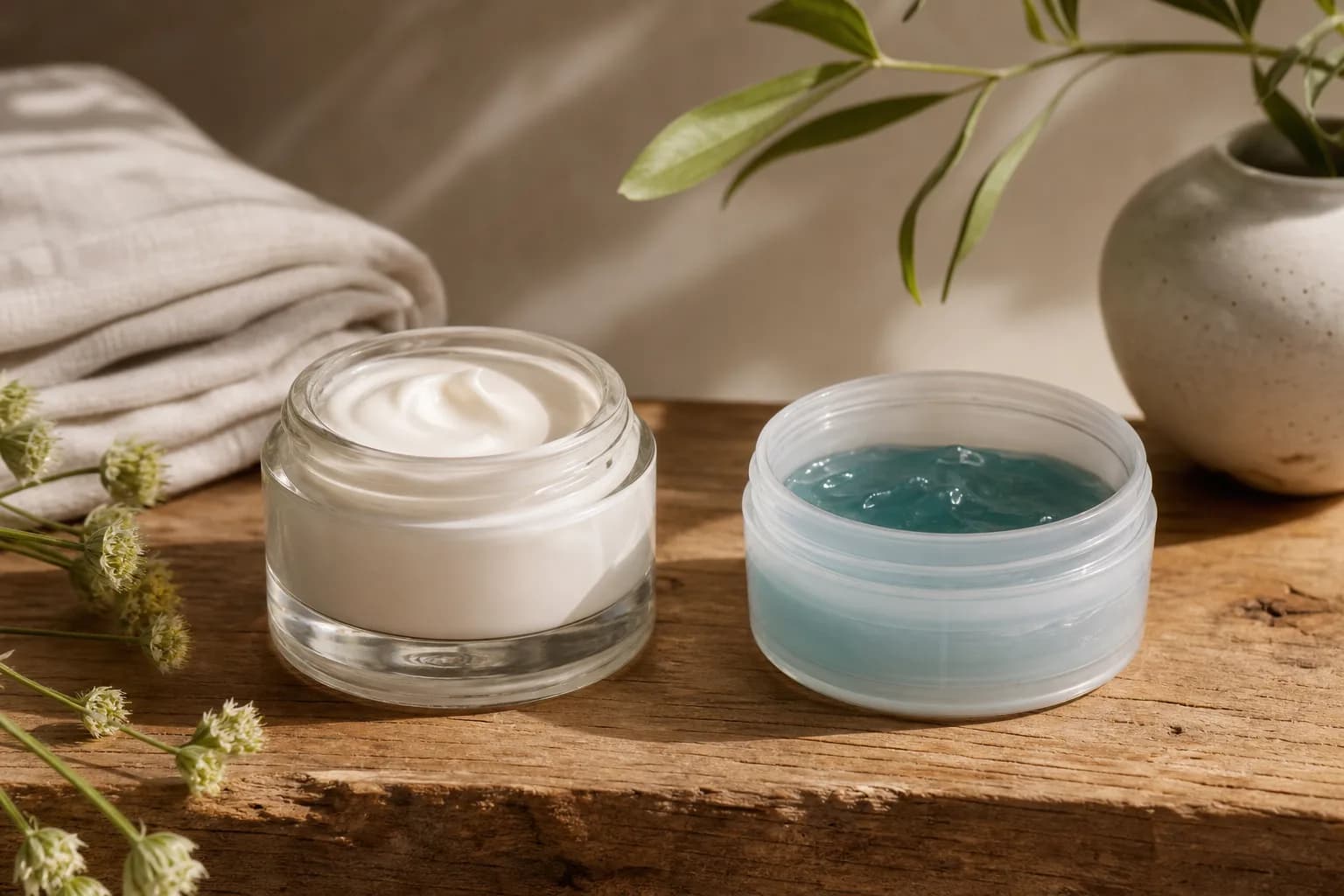
You don't need to overspend to get a solid gel-cream. Budget-friendly picks often have simple, effective ingredient lists: water, glycerin, a humectant polymer, and minimal preservatives. These work well as everyday hydrating layers. A modest budget buy can be your daily night moisturizer when paired with targeted actives as needed.
Splurge options usually add texture-refining ingredients such as targeted peptides, advanced delivery systems, or higher concentrations of ceramides. They often come in glass packaging and include proprietary complexes — these can be worthwhile if you prioritize luxurious textures or a streamlined routine with built-in boosters.
Decision examples:
- Conservative buyer: choose a glycerin + HA gel labeled non-comedogenic and test for two weeks.
- Upgrade buyer: add a ceramide + peptide gel for extra repair during seasonal stress.
- Targeted buyer: if you have visible texture and pore concerns, look for niacinamide in the ingredient list and a matte claim.
For cross-referencing how sensitive or combination skin needs differ, see Best Night Moisturizer for Sensitive Skin: A Barrier-First Guide for Mature, Dry, and Combination Skin.
Frequently asked questions
How often should I use a night cream if my skin is oily?
Apply a non-comedogenic water-based gel-cream every night; nightly hydration prevents overproduction of oil caused by skin dehydration. If you're introducing actives like retinoids, maintain the gel-cream on alternating nights at first to reduce irritation.
Can a gel-cream clog pores or cause breakouts?
A properly formulated water-based gel-cream labeled non-comedogenic and free of heavy botanical oils is less likely to clog pores. Always patch-test a new product for 48–72 hours on the jawline or behind the ear if you're acne-prone.
Should I switch night creams seasonally?
Yes — in humid months a lightweight gel-cream is optimal, while colder dry months may call for a slightly richer water-based formula (look for added ceramides). Avoid jumping to thick occlusive creams unless you’re experiencing severe dryness.
What ingredients should I avoid if I'm using topical acne treatments?
Avoid heavy occlusives, dense plant butters, and fragrances that can trap sebum or irritate compromised skin. Stick with simple gel-cream formulas containing humectants and barrier-repair lipids to support healing while your acne treatments work.
Related Reading
- Best clay mask for oily skin: a practical guide
- Best Concealer for Oily Skin: A Finish-First Guide to Coverage That Stays Put
- The best face wash for men with oily skin: what to pick and why
Sources
- Healthline — 18 Best Night Creams (category: oily skin)
- SELF — 9 Best Night Creams of 2025 (Derm‐approved options)
- Glamour — Best Night Creams 2026 (includes oily/acne-prone picks)
Clear guidance, checked before publication.
Solvi articles are structured by our editorial team and reviewed for clarity, consistency, and responsible health language. We update pages when guidance or product information changes.

Amara Lewis
Sensitive Skin Writer. Amara is fascinated by calm, barrier-first skincare and the small details that make a routine easier to tolerate. She favors thoughtful formulas, slow introductions, and less guesswork.