The balanced skincare routine for acne and oily skin


For acne and oily skin, prioritize gentle oil-control cleansing, a morning routine built around niacinamide and a lightweight gel moisturizer with SPF, and an evening routine with salicylic acid cleansers or alternating topical retinoids plus benzoyl peroxide spot treatment. Introduce actives slowly, limit BHA exfoliation to 1–3 times weekly, and choose non‐comedogenic, barrier-supporting hydration to avoid rebound oiliness.
hero
AM and PM: the balanced daily framework
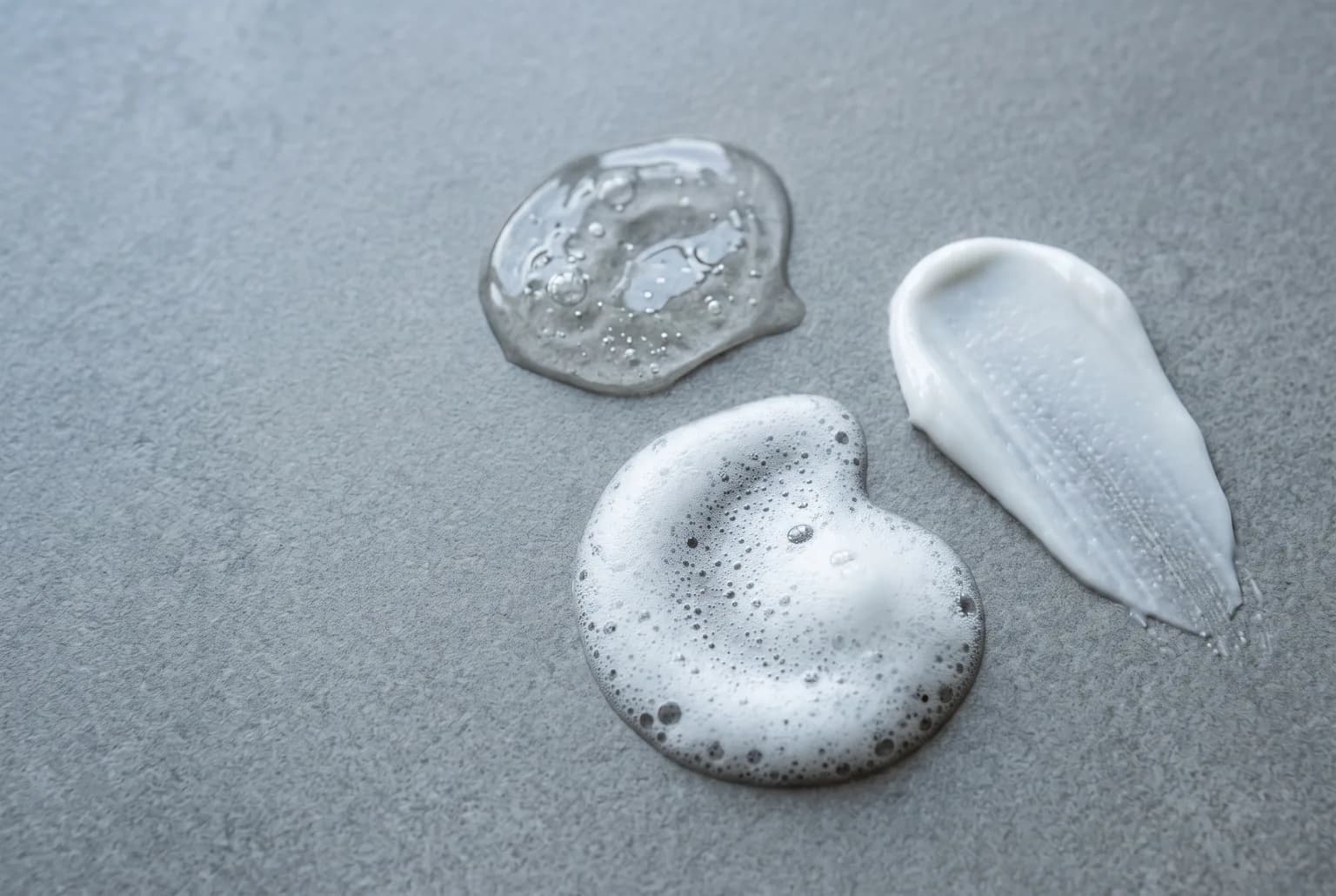
Start each day with a calm, oil‐controlling cleanse that doesn’t strip the skin. In the morning, a gentle foaming or gel cleanser removes overnight sebum and sweat; follow with a niacinamide serum (2–5%) to help regulate sebum production and support barrier lipids. Light gel moisturizers with ceramides or squalane are the texture match for oily skin — they hydrate without creating heavy occlusion. Finish with an oil‐free, broad‐spectrum SPF every morning.
In the evening, use a salicylic acid cleanser (up to 2% if tolerated) on nights you’re not using a topical retinoid. Alternating nights between a retinoid (for cell turnover and comedone prevention) and salicylic acid helps control congestion without combining drying actives on the same night. For active pimples, a low‐to‐moderate benzoyl peroxide spot treatment can be used locally. Pay attention to your skin’s tolerance and introduce each new chemical or topical one at a time.
am-and-pm-the-balanced-daily-framework
Choosing cleansers: strength vs barrier
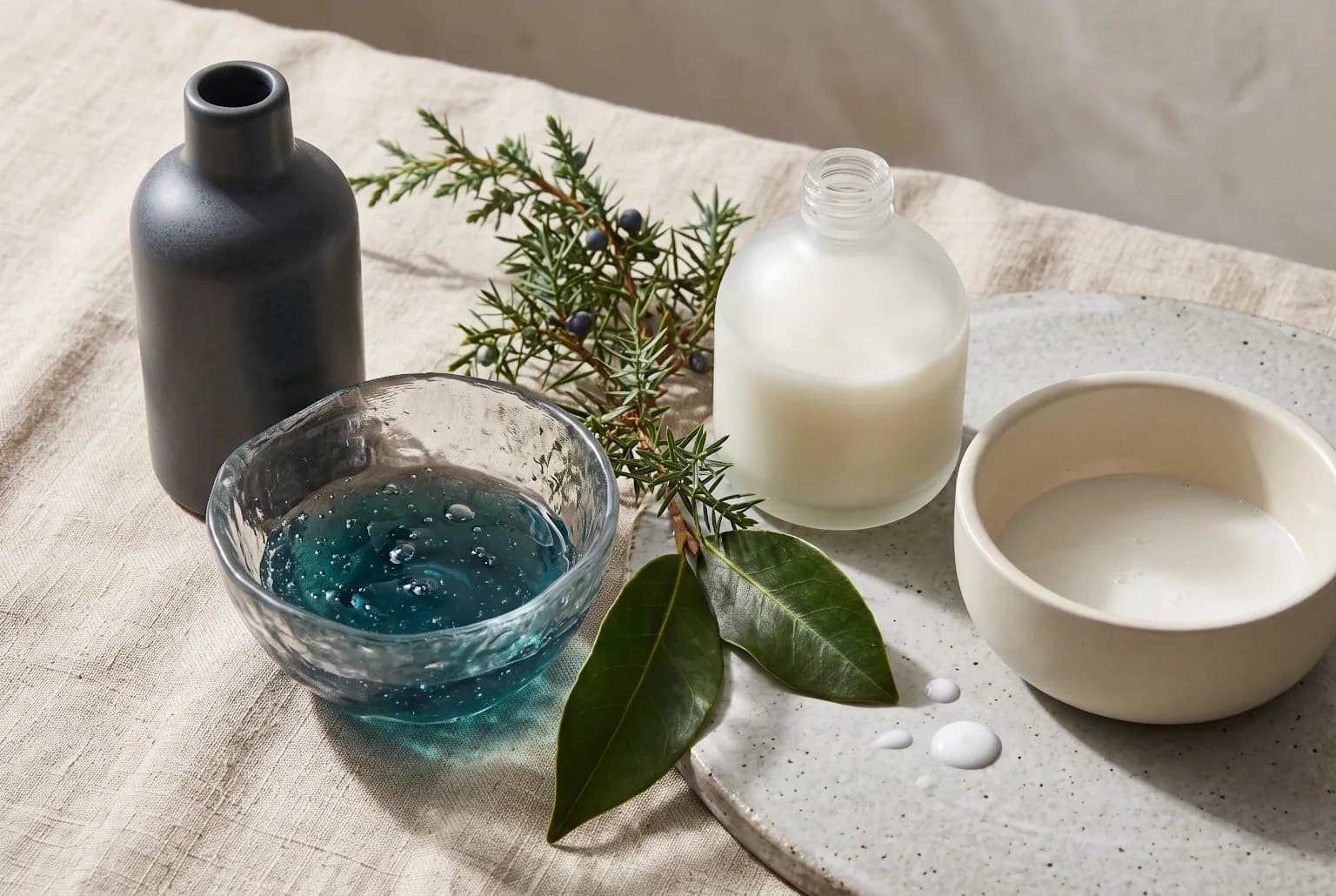
A core decision is matching cleanser potency to your barrier tolerance. Overly stripping surfactants can remove protective lipids and paradoxically increase oil production; too‐gentle formulas may not clear pore-clogging sebum. Use decision criteria: if your skin flakes or tightens after washing, dial back to a gentler gel. If you have heavy midday shine and persistent whiteheads, a salicylic acid (BHA) cleanser 2–3 nights a week can help decongest pores without daily overuse.
| Cleanser type | Best for | Tradeoff | How to use |
|---|---|---|---|
| Gentle gel/foaming (soap-free) | Daily AM/most PMs | May not treat congestion | Use daily, rinse thoroughly |
| Salicylic acid (BHA) cleanser | Comedonal acne, oily skin | Can dry if overused | Use 1–3× weekly or alternate nights |
| Benzoyl peroxide wash | Inflammatory lesions | Can be irritating and bleaching | Spot or short-contact use; not daily if using other actives |
Choosing a cleanser is also a texture decision: gels rinse off cleanly and pair well with lightweight serums; cream cleansers better suit combination skin that leans dry. If you’re unsure, start with a gentle gel and add a 2% BHA cleanser as a second step in the evening 1–2× weekly. Patch new products at the jawline for 7–10 days before applying them to the whole face.
Exfoliation and chemical options: when and how
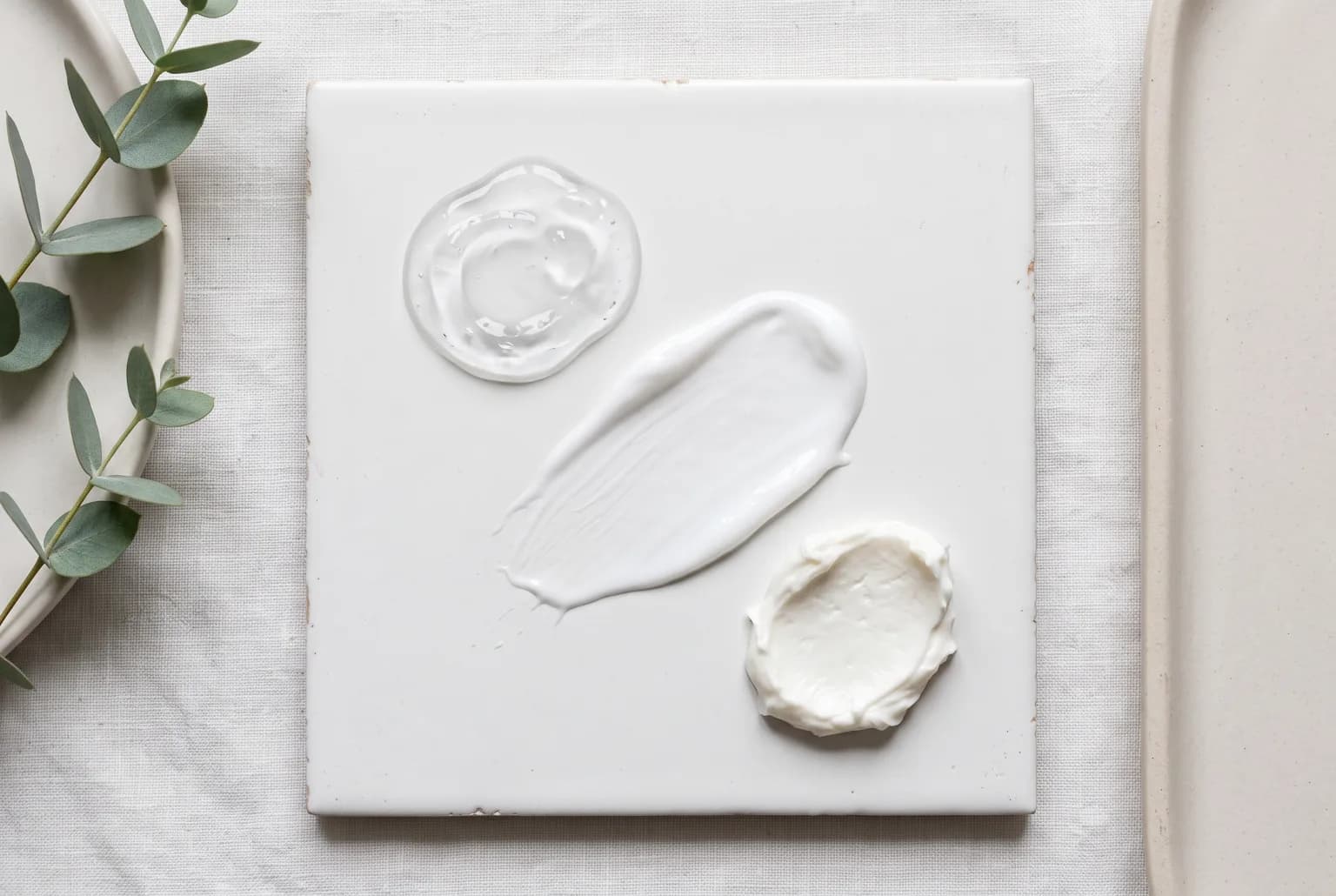
Controlled chemical exfoliation clears comedones and evens skin texture without the microtrauma of physical scrubs. Salicylic acid (BHA) is the workhorse for oily, acne‐prone skin because it’s lipophilic and penetrates pores. Use BHA exfoliation 1–3 times weekly depending on tolerance — more than that raises irritation risk. Retinoids target cell turnover and should be introduced gradually: start with twice‐weekly use and build to alternate nights if tolerated.
Alternation is a practical sequencing rule: on BHA nights use a salicylic acid product and keep the rest of the routine calming; on retinoid nights, skip BHA and avoid using benzoyl peroxide the same evening to reduce dryness. If you need faster lesion control, benzoyl peroxide applied as a spot treatment can be used in the AM or PM on active inflammatory pimples, but avoid pairing it with high‐percentage retinoids during the same session.
exfoliation-and-chemical-options-when-and-how
Moisturizers and textures: match by oiliness and sensitivity
Moisturizers for oily acne‐prone skin should prioritize non‐comedogenic formulations with humectants and ceramide-rich lipids. A lightweight gel‐cream texture spreads easily, sits matte, and restores barrier lipids without heavy occlusion. If you experience reactive sensitivity, look for simple ingredient decks: glycerin for hydration, ceramides for barrier repair, squalane for lightweight emollience, and niacinamide for sebum regulation.
For decision examples: choose a gel moisturizer if you experience surface tackiness and midday shine; choose a light lotion if you have occasional dryness around the mouth or after retinoid nights. If you’re switching moisturizers because of purging concerns, allow 3–4 weeks to assess; sudden removal of hydration often increases oil output and can be mistaken for breakouts.
Practical sequencing and layering explained
Layering order matters: thin water‐based products before thicker oils or creams. A practical AM sequence: gentle cleanser → niacinamide serum → lightweight moisturizer → oil‐free SPF. PM sequencing depends on actives: if using a salicylic acid cleanser, follow with a hydrating serum and moisturizer. On retinoid nights: cleanser → wait 10–20 minutes if you apply a prescribed retinoid (to reduce irritation) → small amount of retinoid → follow with moisturizer to buffer sensitization.
A concrete tradeoff: buffering a retinoid with moisturizer reduces immediate irritation but may slightly blunt maximum efficacy; for many people the improved adherence and reduced peeling are worth it. Consider alternating retinoid nights with BHA nights to balance comedone control and tolerability. If you use topical benzoyl peroxide, apply it to lesions after cleansing and before moisturizer; avoid layering thick occlusive products directly on top.
Shopping checklist and what to review before you buy
When comparing products, review these features: active ingredient concentration, product texture, non‐comedogenic labeling, fragrance presence, and whether the formula is oil‐free. Use this quick checklist to compare two options:
- Does the cleanser list a BHA (salicylic acid) and at what percentage?
- Is the moisturizer gel or cream and does it contain comedogenic oils?
- Are active percentages listed (e.g., niacinamide 2–5%) and is the benzoyl peroxide indicated for spot versus full-face use?
If you want texture guidance, read our texture-first moisturizer guide for oily acne skin for practical pairing ideas: . For a broader routine audit and sticking to a simple AM/PM plan, see Create a skincare routine you'll actually follow: . If you’re concerned about midday shine, our roundup of finish and setting options includes face-powder strategies: .
When to escalate: signs you need professional care
Mild, occasional breakouts typically respond to over‐the‐counter BHAs, benzoyl peroxide spot treatments, and consistent barrier care. You should consider seeing a clinician if you have widespread inflammatory acne, nodules or cysts, rapid scarring, or if OTC steps produce intolerable irritation. Also escalate if you’re using multiple topical actives and can’t find a tolerable sequence — a prescriber can streamline options and discuss oral therapies when appropriate.
Decision example: if alternating 2% salicylic acid nights with a low‐strength retinoid for 8–12 weeks yields minimal improvement and you have inflamed lesions, it’s reasonable to consult a clinician for combination topical or oral options. Finally, if skin sensitivity or inflammation prevents you from maintaining a simple routine, professional guidance helps avoid churn between products and reduces risk of barrier damage.
Frequently Asked Questions
How often should I use salicylic acid if I have oily acne-prone skin?
Use salicylic acid-based products 1–3 times a week to start, increasing frequency only if your skin tolerates it without persistent dryness or redness. Many people find a 2% BHA cleanser used night‐time 2× weekly plus a leave‐on BHA once a week balances efficacy and tolerability. Always monitor the skin and reduce frequency if irritation appears.
Can I use benzoyl peroxide and retinoid in the same routine?
Avoid applying benzoyl peroxide and a high‐strength retinoid at the same time or in the same session because combined drying effects increase irritation. A common strategy is to use benzoyl peroxide as a spot treatment or in the morning and a retinoid at night, or to alternate nights: retinoid one night, BPO or BHA another night. Introduce each active slowly.
What moisturizer texture is best for oily, acne-prone skin?
Choose a lightweight gel or gel‐cream with humectants (glycerin), barrier lipids (ceramides), and a non‐comedogenic emollient like squalane. If sensitivity follows retinoid nights, a slightly richer lotion may help on alternating nights. Avoid heavy oils and waxes that can sit occlusively on active acne-prone skin.
How long before I see results from this routine?
Expect to see improvement in comedonal congestion in 6–12 weeks with consistent use of BHA and retinoid strategies; inflammatory lesions may respond sooner to benzoyl peroxide. Because many actives can cause an initial purge or dryness, give each introduced product 4–8 weeks while monitoring tolerance and adjusting frequency as needed.
Related Reading
- The Best Skin Care Routine for Oily Skin Is a Balanced One
- The best men skincare routine: simple, effective plans for every skin type
- Best Face Powder for Oily, Acne-Prone Skin: A Smarter Way to Set Shine
Sources
- La Roche-Posay — Acne and oily skin routine (dermatologist guidance, 2026)
- Forefront Dermatology — Best routine for oily skin (2026)
- BC Provincial Academic Detailing — Acne over-the-counter guidance (2026 handout)
Clear guidance, checked before publication.
Solvi articles are structured by our editorial team and reviewed for clarity, consistency, and responsible health language. We update pages when guidance or product information changes.

Maya Bennett
Senior Beauty Editor. Maya is the skincare obsessive who turns big beauty questions into clear, grounded guidance. She is especially interested in routines that respect real skin, real schedules, and realistic budgets.