The best serum for combination skin: a single lightweight strategy


Choose a lightweight, water- or gel-based serum that pairs humectants like hyaluronic acid with targeted actives—niacinamide, a low-strength salicylic acid (0.5–2%), or azelaic acid (gel, 10%)—to deliver hydration to dry cheeks while reducing oil and congestion on the T‐zone. Apply this serum after cleansing and toner, before moisturizer; keep heavy oils away from the oily zone and patch-test active ingredients for sensitivity.
This guide explains texture tradeoffs, which active suits which skin map, how to layer without pilling, and concrete shopping decisions from drugstore to higher-end brands. If your priority is balanced hydration and fewer breakouts, a single lightweight formula that combines a humectant plus one oil-control active is often the simplest, lowest-risk route.
<!-- image: hero -->
What a serum for combination skin should do
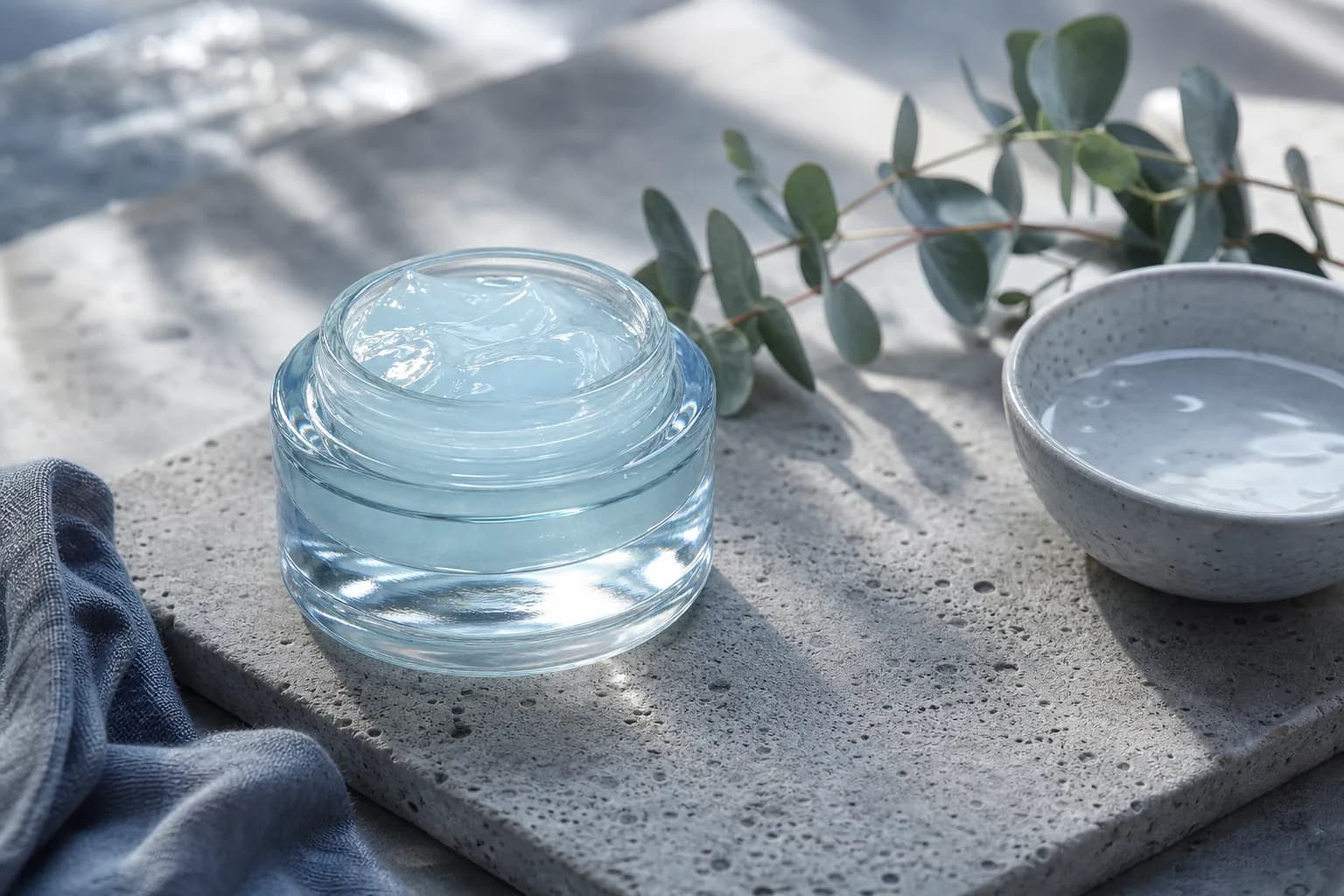
A serum for combination skin must reconcile two different goals: restore moisture where skin is dry and calm excess oil or congestion where skin is oily. That means favoring thin, water- or gel-based textures that sink in instead of sitting on top of pores. A successful product will pair a humectant—hyaluronic acid is the classic choice—with an oil-regulating or pore-targeting ingredient such as niacinamide, low‐strength salicylic acid, or azelaic acid in a gel vehicle.
The decision criteria I use here are practical and testable: texture (gel/water vs cream), active profile (humectant plus one targeted agent), pH and tolerance (lower irritation risk), and accessibility (price and availability). Prioritize non-comedogenic formulas and avoid heavy oil-based serums on the T‐zone or layered across both dry and oily areas—those can clog pores. Patch-test actives like salicylic acid, azelaic acid, and vitamin C to check for irritation before committing to daily use.
Texture choices: gel and water-based vs emollient
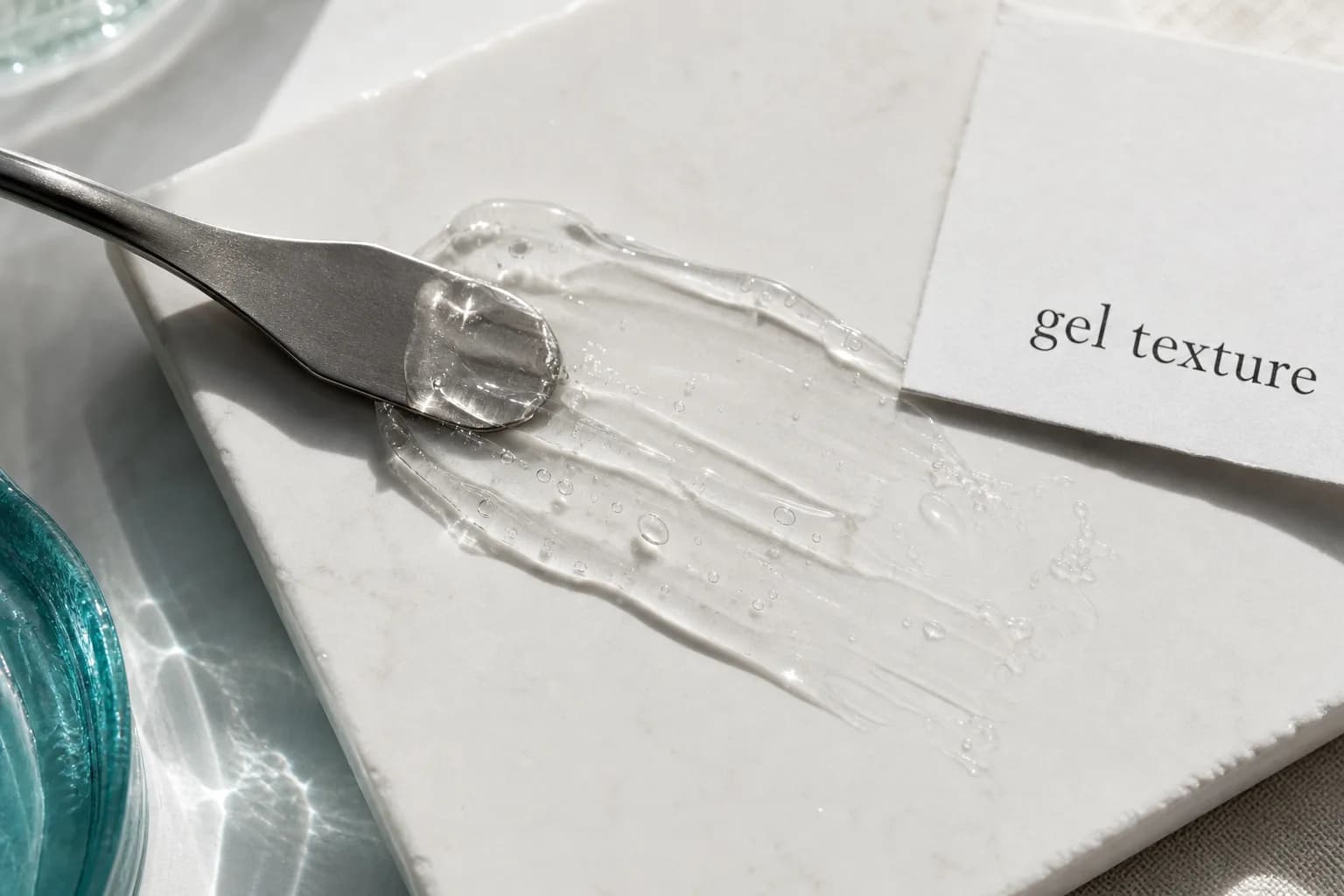
A gel or water-based serum is the default for combination skin because it hydrates without adding occlusive oils. Gel textures spread thin, absorb quickly, and are easier to layer under a moisturizer or SPF. They also tend to pair well with low-strength exfoliating actives—salicylic acid in a 0.5–2% hydrating serum format can clear pore congestion without the greasy finish of an oil-based treatment.
Creamy or oil-rich serums have their place—if your cheeks are very dry or if you’re layering only at night—but they carry the tradeoff of potential pore-clogging on the T‐zone. That’s why a single lightweight serum that’s water-based and contains a humectant plus a non-comedogenic oil-control active is the editorial sweet spot: it minimizes layering complexity while addressing both dryness and oiliness.
<!-- image: texture-choices-gel-and-water-based-vs-emollient -->
Key actives and how to layer them
Choose actives with complementary modes of action. Hyaluronic acid functions as a humectant, drawing moisture into the skin; niacinamide at moderate strengths (roughly 2–5% in formulations) helps regulate sebum production and improves barrier resilience; low‐strength salicylic acid (0.5–2%) helps unclog pores without excessive irritation; azelaic acid (10% gel) reduces redness and can help with both texture and pigmentation. These are practical pairings for a single serum strategy.
Layering order is simple: cleanse, optional toner, lightweight serum, moisturizer, then sunscreen in the daytime. If you use two serums—say a hydrating HA serum and a separate salicylic treatment—apply the thinner, water-based product first, then the slightly thicker formula. Avoid mixing multiple strong actives at once to keep irritation risk low. Patch-test actives individually to assess tolerance before combining them in a routine.
How to pick one lightweight all-in-one serum
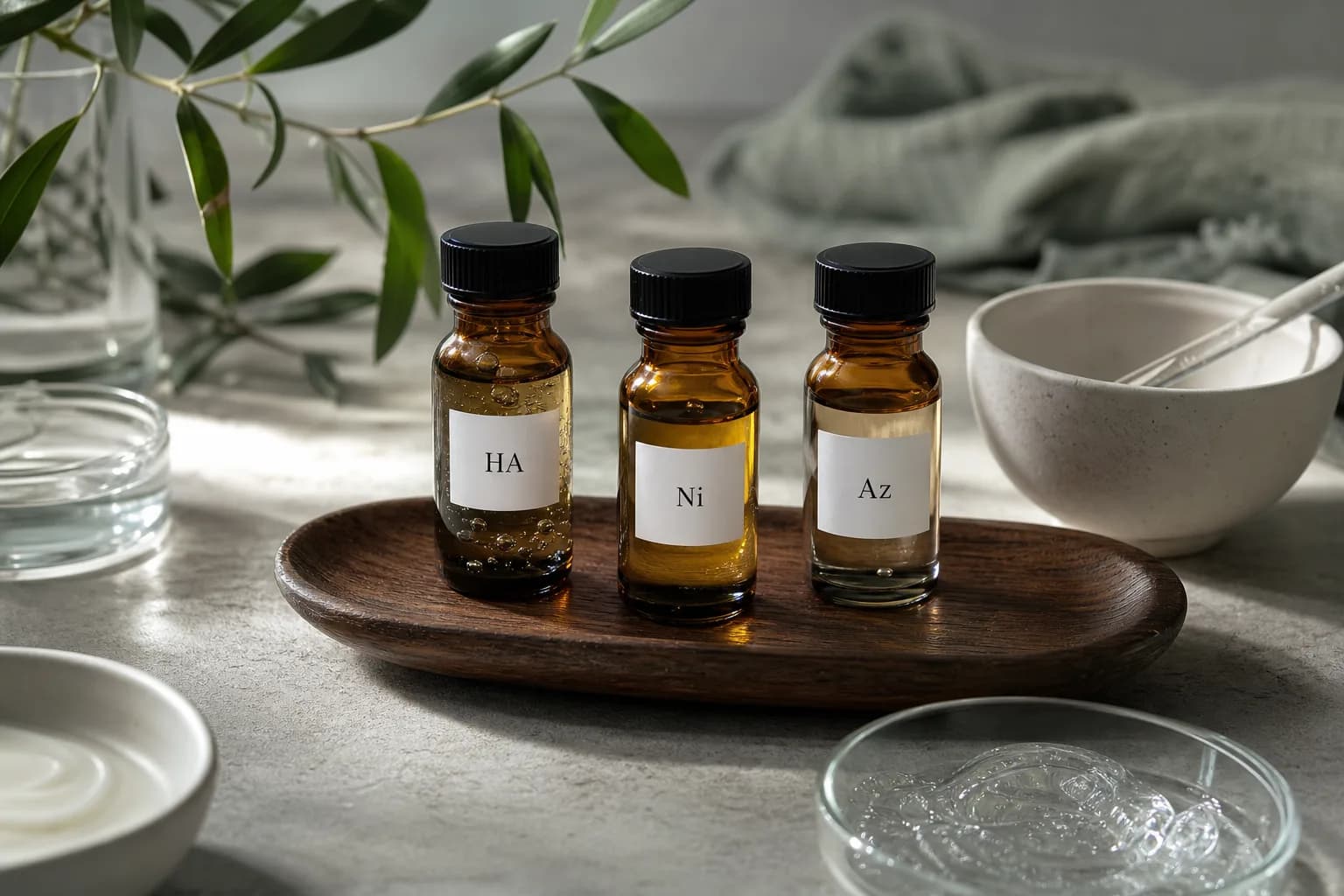
Decide which tradeoff you tolerate more: a slightly stronger oil-control ingredient that could irritate dry patches, or a gentler formula that prioritizes hydration and gradual oil reduction. If congestion and occasional breakouts in your T‐zone are the main complaint, a serum formulated with a low-dose salicylic acid (0.5–2%) in a hydrating base is a clear fit. If sensitivity or redness is the issue, azelaic acid 10% in a gel texture provides targeted results with less sting for many users. Niacinamide at around 2–5% is the most flexible single active for balancing oil and barrier health.
When evaluating labels, focus on texture descriptors ("water-based," "gel," "lightweight") and ingredient order—humectants should appear before heavier occlusives. If a product lists multiple oils or silicones near the top, it’s likely too emollient for oily zones. For deeper reading on actives and when to choose them, our ingredient guides can help you compare priorities such as anti-aging vs barrier support; see related reading on azelaic acid for redness and how to choose hyaluronic acid for sensitive skin.
<!-- image: how-to-pick-one-lightweight-all-in-one-serum -->
Morning vs evening: timing and pairing
In the morning, simplicity wins: after cleansing, use your lightweight serum to restore surface hydration and control shine, then lock everything in with a gel-cream or light moisturizer and SPF. Avoid layering two actives with sunscreen in the same morning routine—pick one active that is stable and non-irritating under UV exposure or use a neutral hydrating serum in the AM and save stronger actives for evening.
Evening is the time to use a targeted actives serum if your skin tolerates it. For example, alternate nights of a salicylic-containing serum with nights of a calming niacinamide/HA serum if you notice dryness. Remember the caution: patch-test actives before nightly use and give a new product at least two weeks at low frequency to assess tolerance. If layering multiple actives in the PM, apply the thinnest formulation first and avoid thick oils on oily zones.
Budget and availability: from drugstore to derm brands
You don’t need a luxury price tag to get an effective lightweight serum for combination skin. Drugstore brands often offer niacinamide + HA serums and low-strength salicylic hydrators at accessible prices. Mid-tier and dermatologist brands will sometimes formulate higher concentrations or more novel delivery systems but the core decision still rests on texture and active pairing.
To decide between price points, inspect the formulation: does it list a humectant (hyaluronic acid) and a named oil-control active (niacinamide, salicylic, azelaic) in the top five ingredients? If yes, the product likely delivers the key benefits for combination skin. If the label emphasizes oils or heavy emollients, it may be better suited as a targeted night treatment for dry zones rather than an all-over serum for combination skin. For readers researching moisturizers to pair with a lightweight serum, consult our gel-cream guide for combination skin to match barrier needs with serum choice:
Simple routine examples for common tradeoffs
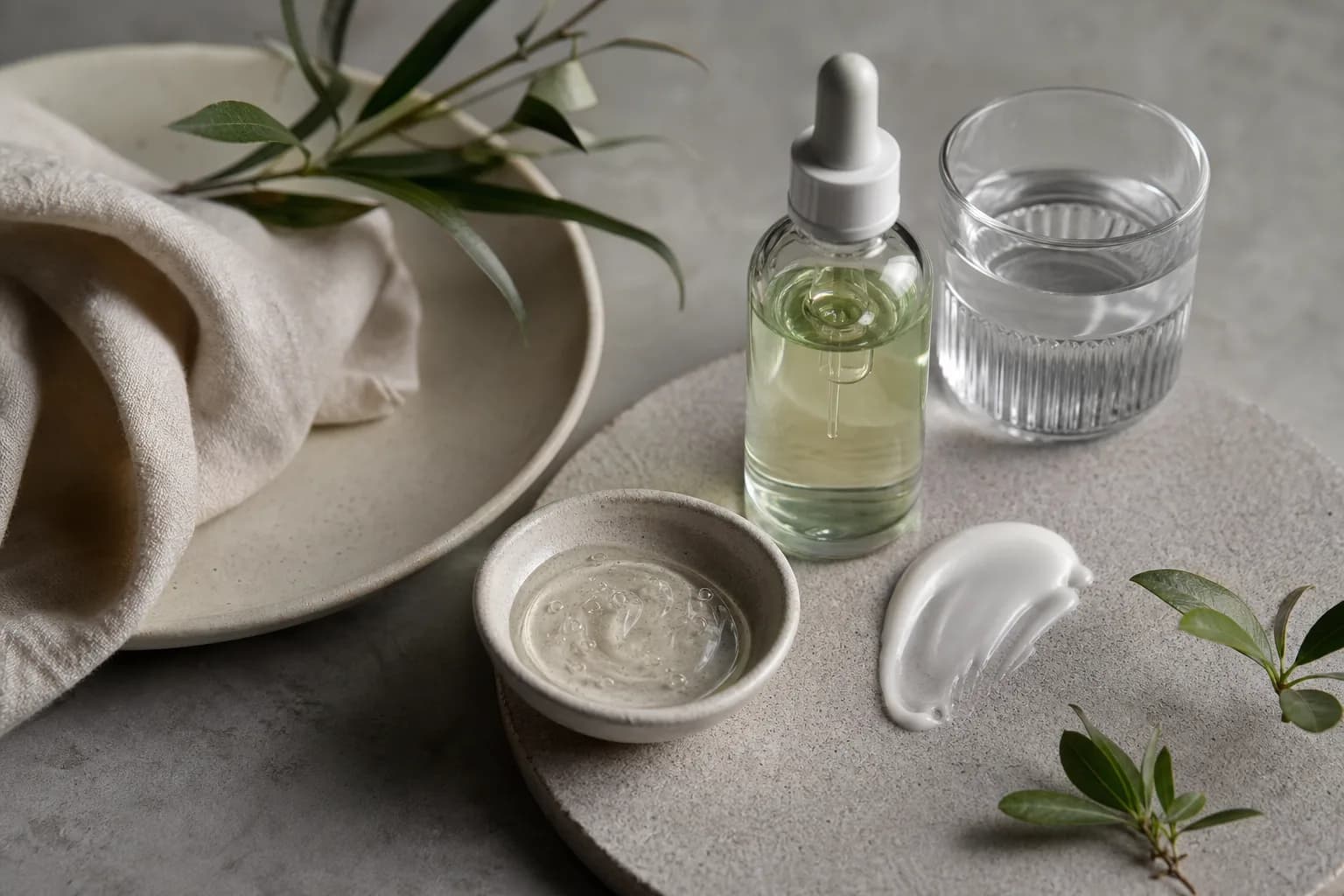
Here are concrete routines based on the tradeoffs you might face. Keep each step short and stick to the ordering rules: thinnest to thickest, light serum before moisturizer.
- If oil and congestion are primary: Cleanse with a gentle foaming or gel cleanser, apply a hydrating serum with 0.5–2% salicylic acid, follow with a light gel-cream moisturizer on dry zones only if needed, and sunscreen in the day.
- If sensitivity and redness are primary: Cleanse, apply a gel serum with hyaluronic acid plus niacinamide (2–5%) or azelaic acid 10% gel as tolerated, then a calming moisturizer. Use azelaic at night if it causes mild morning sensitivity.
- If cheeks are very dry but T‐zone oily: Use a single water-based serum with HA + niacinamide across the face, then mix a pea-size of a richer cream into palm and apply only to cheeks, avoiding the T‐zone.
| Situation | Serum composition to seek | Texture guidance | Cautions |
|---|---|---|---|
| Oily T‐zone, breakouts | HA + low‐strength salicylic (0.5–2%) | Thin gel, fast-absorbing | Patch-test for irritation |
| Redness/sensitivity | HA + azelaic acid (10% gel) or niacinamide | Cooling gel | Start slow; monitor redness |
| Dehydrated cheeks | HA with niacinamide (2–5%) | Water-based gel or lightweight lotion | Avoid heavy oils on T‐zone |
Frequently asked questions
How do I choose between niacinamide and azelaic acid?
Niacinamide is generally the gentler, more versatile choice for combination skin—look for formulations around 2–5% combined with HA for barrier support and sebum regulation. Azelaic acid (10% gel) targets redness, pigmentation, and congestion more specifically; choose it if inflammatory redness or stubborn discoloration is your concern and your skin tolerates it.
Can I use salicylic acid daily in a hydrating serum?
Low-strength salicylic acid (0.5–2%) in a hydrating serum format can be used daily by many people with combination skin, especially on oilier zones, but start slowly and patch-test first. If you notice dryness or irritation, reduce frequency to every other day and maintain hydration with HA.
Should I avoid oils entirely if my T‐zone is oily?
You don’t have to avoid oils everywhere, but avoid heavy oil-based serums across the whole face. Heavy emollients are more likely to clog pores in the T‐zone; instead, confine richer oils or creams to dry areas like cheeks and use a water- or gel-based serum on the T‐zone.
How do I layer a lightweight serum with other treatments like retinol?
If you use retinol, apply your lightweight hydrating serum first to support the barrier, then a thin layer of retinol treatment at night, finishing with a moisturiser if needed. Avoid combining multiple active serums that increase irritation; alternate actives on different nights when possible and always patch-test.
Related Reading
- Best Face Moisturizer for Combination Skin: The Smart Gel-Cream Guide
- Best Night Moisturizer for Sensitive Skin: A Barrier-First Guide for Mature, Dry, and Combination Skin
- Best Sunscreen for Combination Skin: Find the Finish That Works on Every Zone
Sources
- DermApproved — Best Serums for Combination Skin (2026)
- Who What Wear — 13 Best Serums for Combination Skin (expert quotes)
- Healthline — selecting serums and layering tips
Clear guidance, checked before publication.
Solvi articles are structured by our editorial team and reviewed for clarity, consistency, and responsible health language. We update pages when guidance or product information changes.

Naomi Chen
Skincare Ingredients Writer. Naomi reads ingredient lists for fun and loves translating formulation language into advice that makes sense at the bathroom mirror. Hydration, barrier care, and sensitive-skin formulas are her favorite rabbit holes.