Slugging Skincare: When an Occlusive Layer Fits
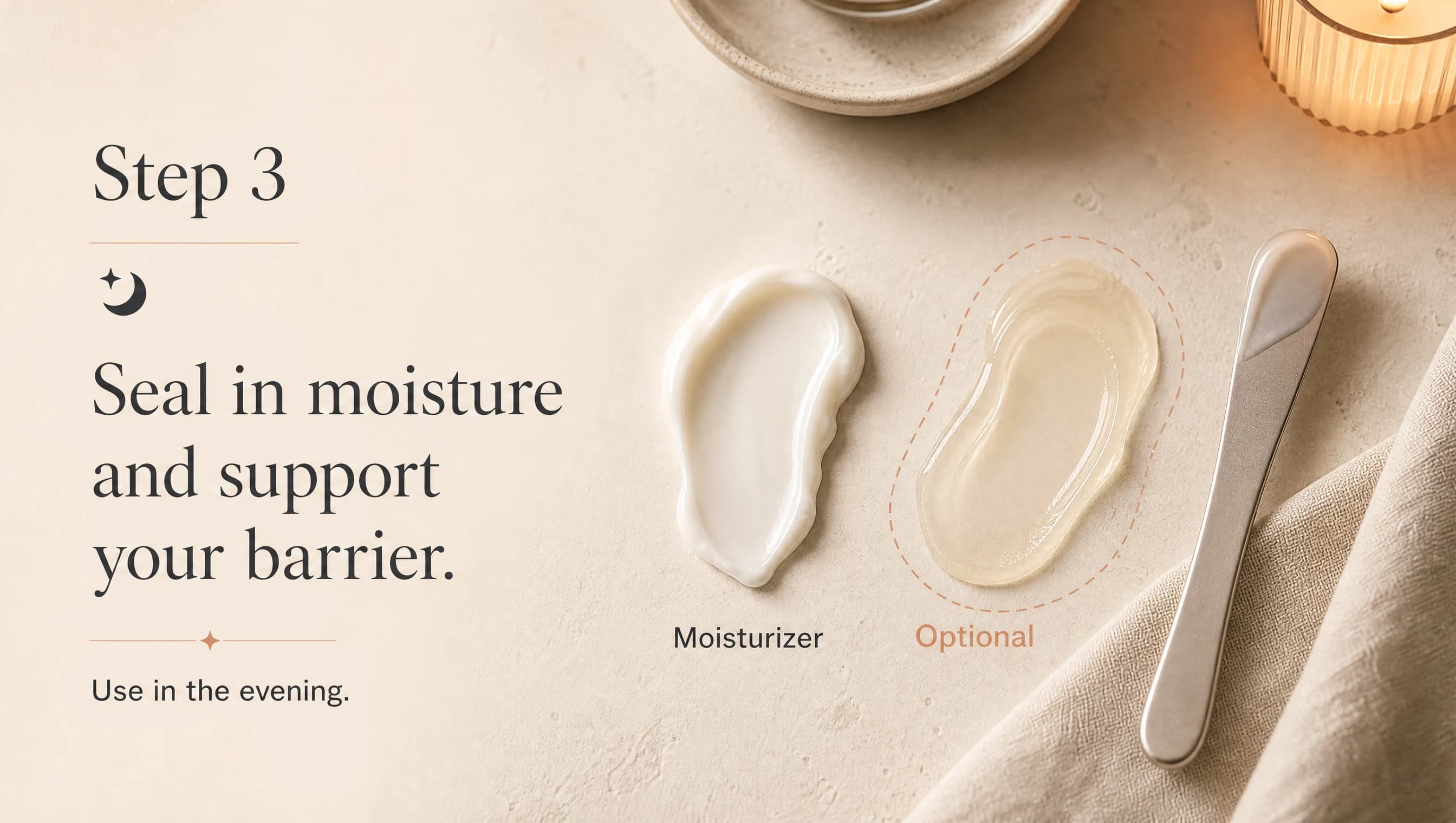
Slugging means adding an occlusive layer, often a petrolatum-based ointment, toward the end of a moisturizing routine. It can reduce water loss, but it is optional. It does not establish a cure for acne, a guaranteed overnight barrier repair or a reason to cover every treatment with ointment.
The first question is what the extra layer would do that your moisturizer does not already do. If your routine feels comfortable, there may be no useful change to make. If you have persistent irritation or a prescribed treatment, settle those questions before copying a trend.
Understand the role of the final layer
DermNet describes occlusives as ingredients that reduce water loss. This is a different role from adding another water-based serum. A finished ointment may contain several ingredient types, so read the actual product rather than assuming every thick texture is identical.
| Routine situation | Decision to make | What not to assume |
|---|---|---|
| Moisturizer already feels sufficient | Whether any extra layer has a purpose | More layers must improve the routine |
| A dry-feeling area needs a richer finish | Whether a suitable occlusive product fits | A thicker layer establishes faster repair |
| Skin is breaking out or feels congested | Whether an occlusive is appropriate | Petrolatum-based products treat acne |
| A medicine or irritating treatment is involved | Whether its instructions permit additional covering | A cosmetic trend overrides the treatment plan |
For the wider ingredient framework, see our guide to moisturizers for dehydrated-feeling skin. The goal is a useful routine, not completing every possible product category.
Check the exact ointment label
Two familiar examples have different formulas. US Aquaphor Healing Ointment lists 41% petrolatum plus ingredients including glycerin, panthenol and lanolin alcohol. The reviewed US Vaseline Original Healing Jelly page lists 100% white petrolatum. That distinction can matter when you are checking a known ingredient exclusion.
It does not establish a winner for every face. Our Aquaphor versus Vaseline comparison keeps the focus on the specific US products and intact-skin moisturizing. Other products from the same brands, including fragranced or regional variants, require separate checks.
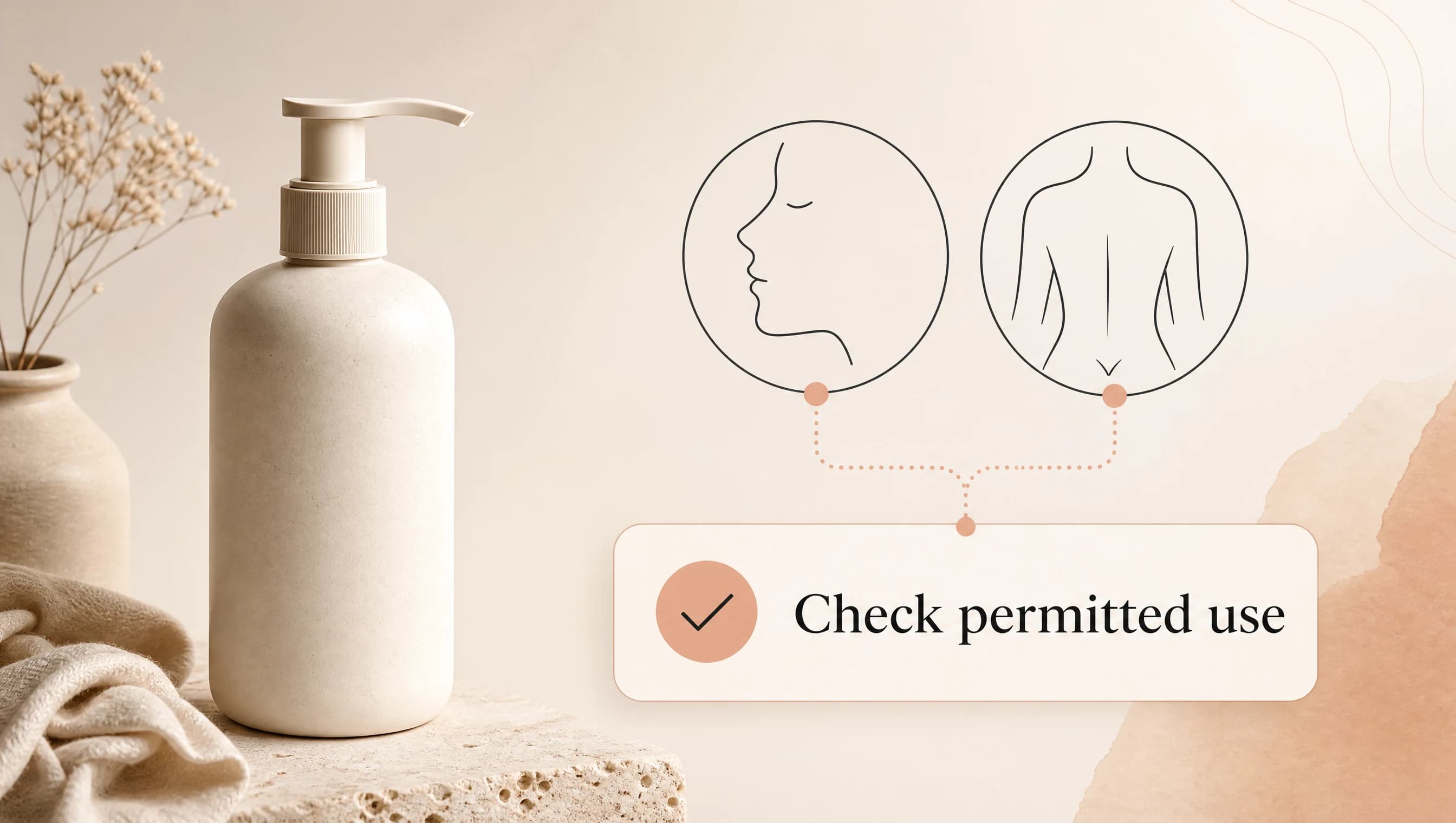
Follow the package's intended uses and warnings. Do not treat a routine article as guidance for open wounds, burns, infections or post-procedure skin. Those situations need advice specific to the condition or procedure.
Consider reasons to keep the routine simpler
DermNet notes that occlusive products can aggravate acne or folliculitis in some circumstances. That does not mean every person will have a problem, but it is a reason to avoid treating a heavy final layer as universally suitable.
You might also simply dislike the finish or find that your existing moisturizer already meets the need. Those practical reasons are enough to skip an optional step. There is no requirement to tolerate an unpleasant routine because it is popular online.
If visible flakes are your main concern, our dry, flaky skin moisturizer guide can help you compare finished-product formats. A persistent problem deserves evaluation rather than increasingly elaborate covering layers.
Check treatment instructions before covering them
Do not automatically apply an occlusive layer over exfoliants, retinoids or prescribed medicines. Read the treatment's directions and ask your pharmacist or clinician when the combination is unclear. This guide does not establish which combinations are appropriate for your skin.
The important decision is whether the optional layer fits the existing instructions. A product that is already causing irritation should not be treated as a problem to hide beneath ointment. Stop experimenting and seek advice when symptoms persist or worsen.
For a different layering question, see face oil before or after moisturizer. An oil-like serum, a moisturizer containing oil and a petrolatum ointment are not interchangeable simply because they can all appear late in a routine.
Make the decision specific and observable
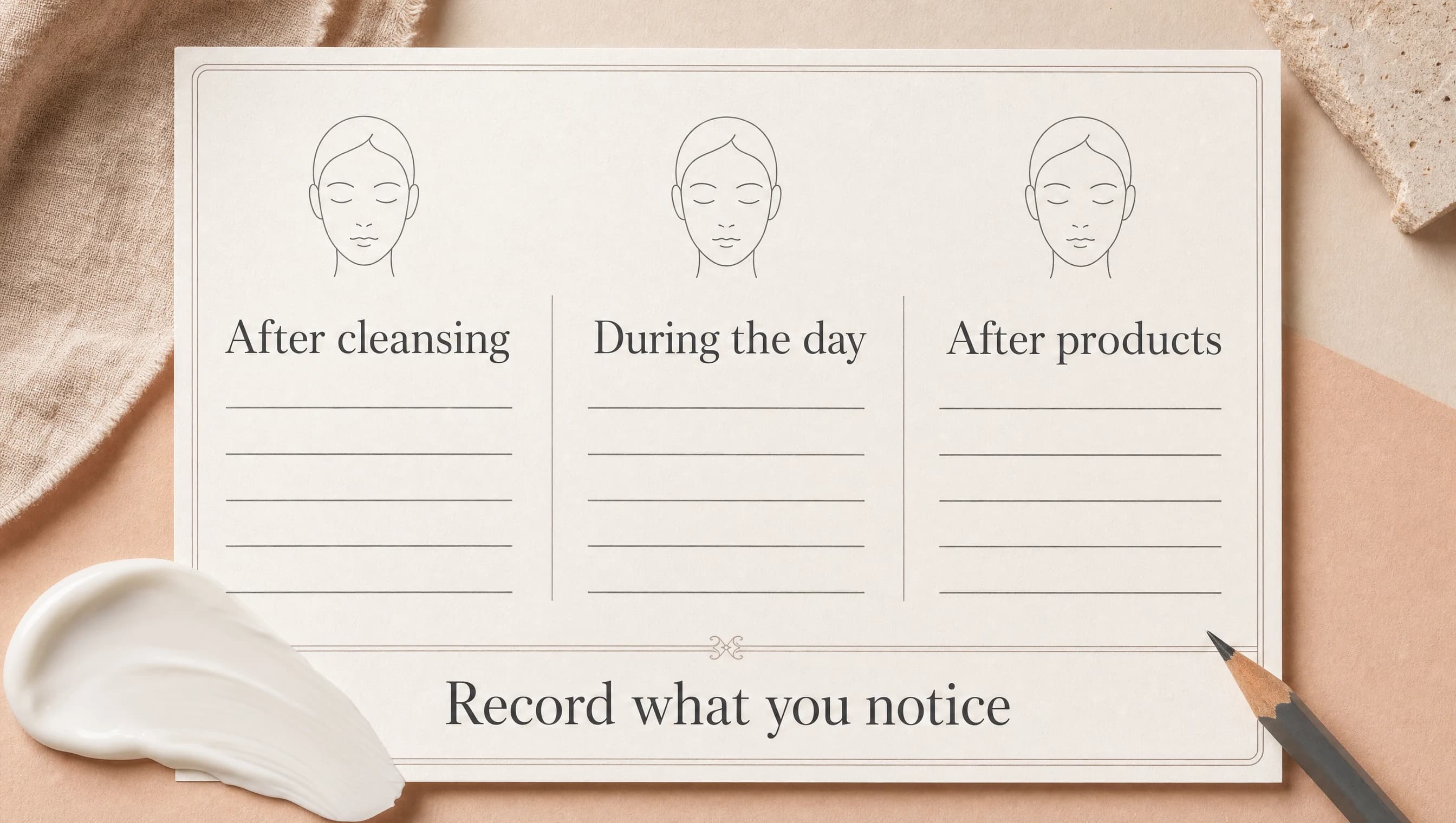
Before trying an additional layer, record the exact product, intended area and reason for using it. Keep the rest of the routine straightforward enough to notice whether a problem develops. Do not add several new products and then credit or blame one step for every change.
A useful checklist is:
- No clear moisturizing need for another layer: keep the current routine instead of adding slugging automatically.
- Ordinary moisturizing on intact skin: check the exact ointment’s full label, ingredients and intended use before considering the extra layer.
- Retinoids, exfoliants or prescribed medicines underneath: resolve their directions and ask a pharmacist or clinician when the combination is unclear.
- Irritation or worsening symptoms: stop the product and get appropriate advice instead of adding more occlusion.
Our skin-barrier concern checklist can help you organize observations.
Frequently asked questions
Is slugging necessary for dry skin?
No. It is one optional approach to an additional occlusive layer. A suitable moisturizer and an appropriate routine may be enough.
Can I use any product called Vaseline or Aquaphor?
Check the exact formula and intended use. Brand names cover multiple products, and regional labels can differ.
Can I cover my prescribed treatment with ointment?
Ask your prescriber or pharmacist if the instructions do not address it. Do not infer permission from a general slugging guide.
Sources
DermNet: Emollients and moisturisers (dermnetnz.org) — https://dermnetnz.org/topics/emollients-and-moisturisers
Aquaphor: How Healing Ointment works (aquaphorus.com) — https://www.aquaphorus.com/specials/how-it-works
Vaseline US: Original Healing Jelly (vaseline.com) — https://www.vaseline.com/us/en/p/vaseline-healing-jelly-original.html/00305212352009
American Academy of Dermatology: Choosing moisturizer (aad.org) — https://www.aad.org/public/everyday-care/skin-care-basics/dry/pick-moisturizer
Clear guidance, checked before publication.
Solvi articles are structured by our editorial team and reviewed for clarity, consistency, and responsible health language. We update pages when guidance or product information changes.