Cicaplast Baume B5 vs Moisturizer: It Can Fill Either Role
Cicaplast is not the opposite of moisturizer. La Roche-Posay says its current US Cicaplast Balm B5+ can be used on selected areas or as an all-over moisturizer. The useful question is whether this particular rich balm suits the role you need, rather than whether you must always place it over a separate cream.
Check the full product name first. This article discusses the current US non-SPF Balm B5+ page. Older B5 references, other countries' Baume versions and a Cicaplast UV product should not be treated as identical formulas.
Choose the role before choosing the layer
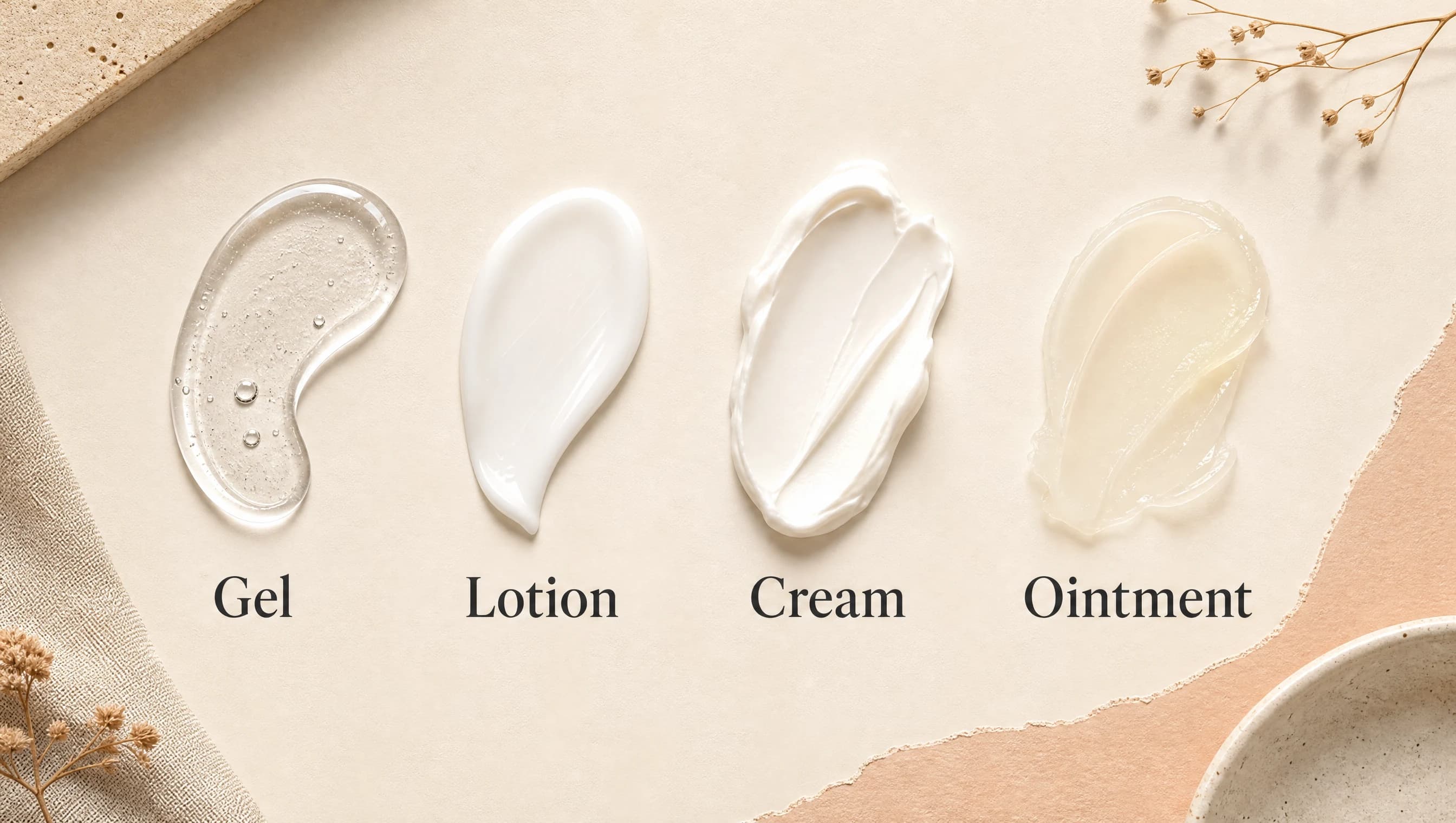
| Your situation | Useful role to consider | What is not automatically necessary |
|---|---|---|
| You want a rich all-over moisturizer | Consider whether this formula and its directions fit | Another moisturizer underneath by default |
| Only a few areas need extra comfort | Target those areas as directed | Applying the same rich layer everywhere |
| Your current moisturizer works well | Keep the existing step | Adding Cicaplast because it is popular |
| You need sunscreen | Select appropriate labeled sun protection | Treating the non-SPF balm as sunscreen |
The manufacturer's current US page lists 1% dimethicone as an active ingredient and highlights 5% panthenol. Those are label facts about the specific product, not a basis for inventing a personal repair timeline or declaring it better than every ordinary moisturizer.
Read the application instructions carefully
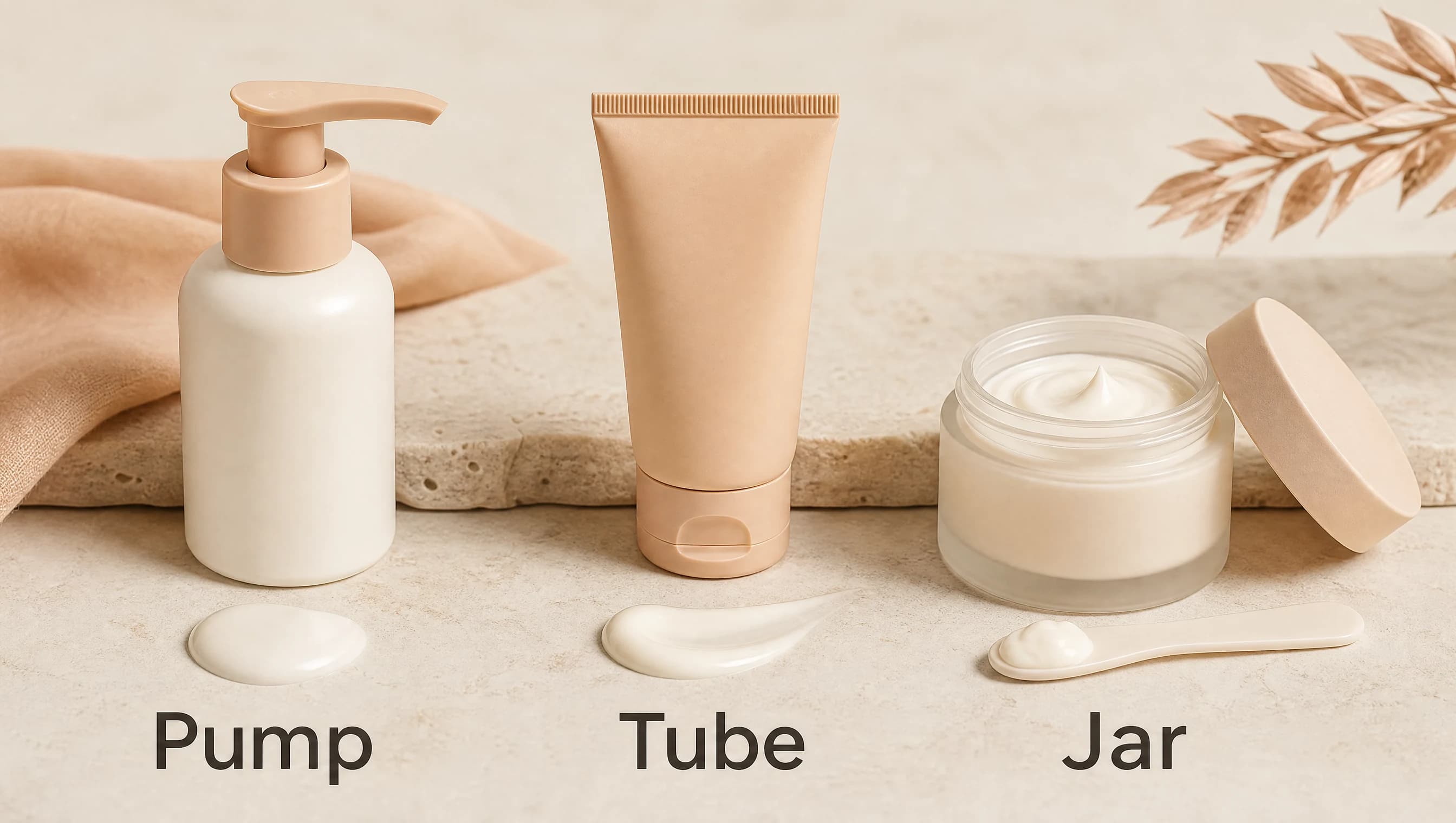
The US directions describe application to clean, dry skin and say to avoid the eye area. Follow those instructions when deciding where it belongs in your routine. General advice to apply some moisturizers to damp skin should not override a particular product's directions.
The brand's all-over-moisturizer statement means there is no universal requirement to use two creams. Whether you prefer one product or targeted use alongside a familiar moisturizer is a practical routine choice, provided you follow the relevant instructions.
For comparison, CeraVe Moisturizing Cream is also a face-and-body moisturizing product. The fact that one package says balm and another says cream does not by itself establish that they occupy completely separate categories.
Consider three ordinary routines
One moisturizer: you want a richer formula, find the balm appropriate and use it according to its directions. In this scenario, it serves the moisturizing role rather than automatically becoming a compulsory final seal over another cream.
Targeted extra care: most of your face is comfortable with a familiar moisturizer, but a limited area needs a different feel or product approach. The current label describes targeted use; you can investigate that role without replacing every step.
No addition: your skin is comfortable and your current routine meets your needs. A product's popularity does not create a gap. Keep it as a possible option rather than a mandatory barrier-care purchase.
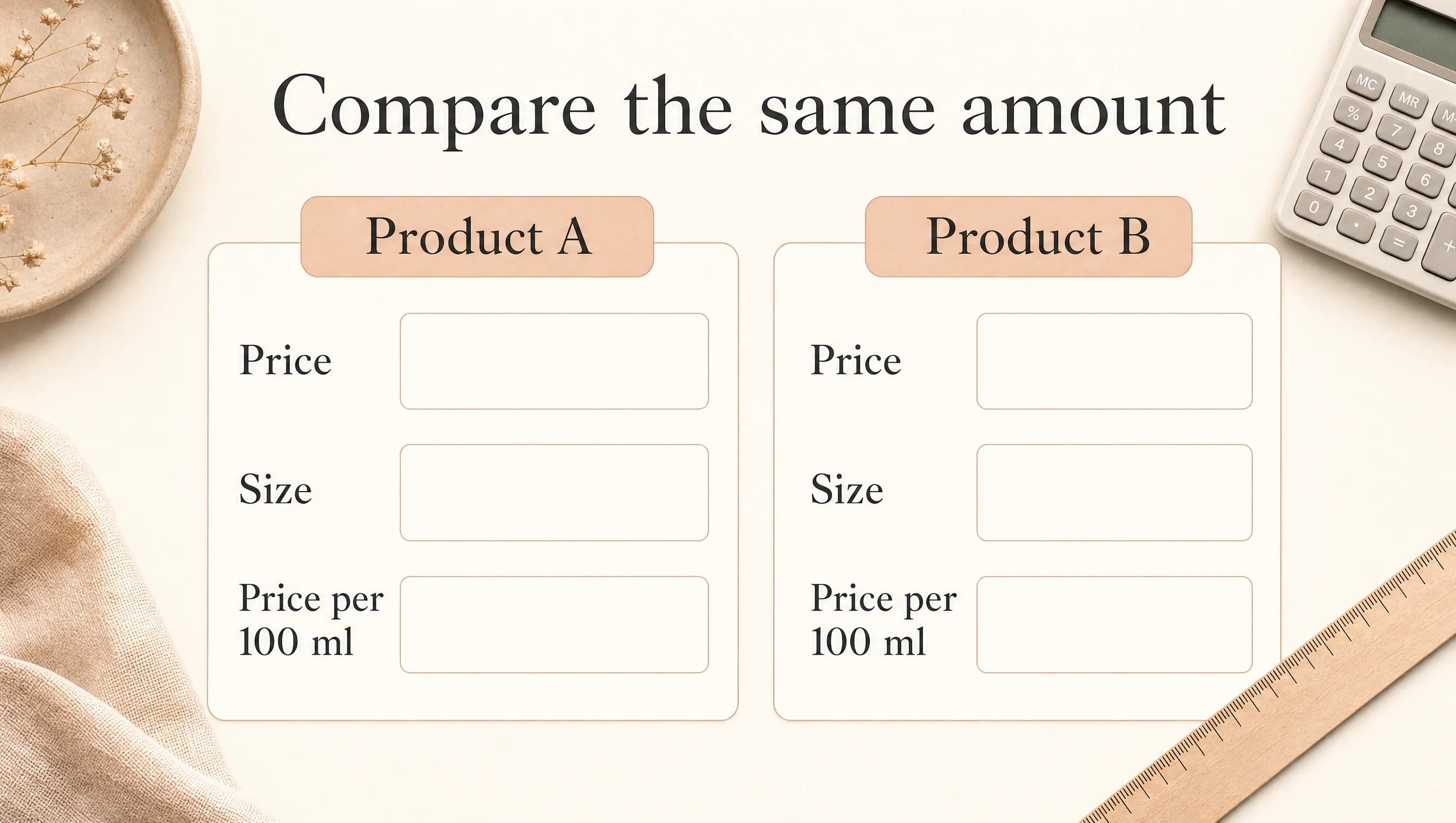
Once you choose the role—main moisturizer, targeted optional extra, or no addition—compare quantity against that use. A product used on one small area and one used as an all-over moisturizer create different purchasing needs. For texture and facial areas, see our combination-skin moisturizer guide.
Keep cosmetic comfort separate from medical claims
Do not turn a rich feel or a skin-protectant label into a promise to cure every rash, acne problem or damaged barrier. If symptoms are significant, persistent or connected to a procedure or medical treatment, follow appropriate professional guidance rather than extrapolating from an internet routine.
The manufacturer's page includes specific qualifications for medical-treatment and post-procedure contexts. Those qualifications matter; this everyday moisturizer comparison does not provide a protocol for those situations.
For another moisturizer-family comparison, read Toleriane versus Lipikar. If you are considering an ointment instead, Aquaphor versus Vaseline for the face covers a different formulation decision.
Frequently asked questions
Can Cicaplast replace my moisturizer?
The current US Balm B5+ page allows all-over moisturizing use. Whether you prefer it in that role depends on the exact product, directions and your routine needs.
Do I always need moisturizer underneath it?
No universal two-layer rule follows from the product's name. Decide what each product would contribute, and follow the instructions for the formulas you actually use.
Is Cicaplast Balm B5+ a sunscreen?
The non-SPF balm discussed here should not be treated as sunscreen. A separate Cicaplast UV product has a different identity and label; check the full name rather than assuming the range shares one function.
Sources
La Roche-Posay US: Cicaplast Balm B5+ (laroche-posay.us) — https://www.laroche-posay.us/our-products/body/body-lotion/cicaplast-balm-b5-for-dry-skin-irritations-cicaplastbalmb5.html
CeraVe: Moisturizing Cream (cerave.com) — https://www.cerave.com/skincare/moisturizers/moisturizing-cream
AAD: Choosing a moisturizer (aad.org) — https://www.aad.org/public/everyday-care/skin-care-basics/dry/pick-moisturizer
Clear guidance, checked before publication.
Solvi articles are structured by our editorial team and reviewed for clarity, consistency, and responsible health language. We update pages when guidance or product information changes.