Best moisturizer for dry flaky skin: a practical guide


Answer in two sentences: For dry, flaky skin, pick a moisturizer that combines a humectant (glycerin, hyaluronic acid, or urea), barrier lipids (ceramides, cholesterol), and an occlusive (petrolatum or dimethicone) to seal hydration. Opt for fragrance‐free, thicker creams or ointments for very dry or scaly areas; lightweight lotions or gel‐creams can work when dryness is mild.
What to look for in a moisturizer
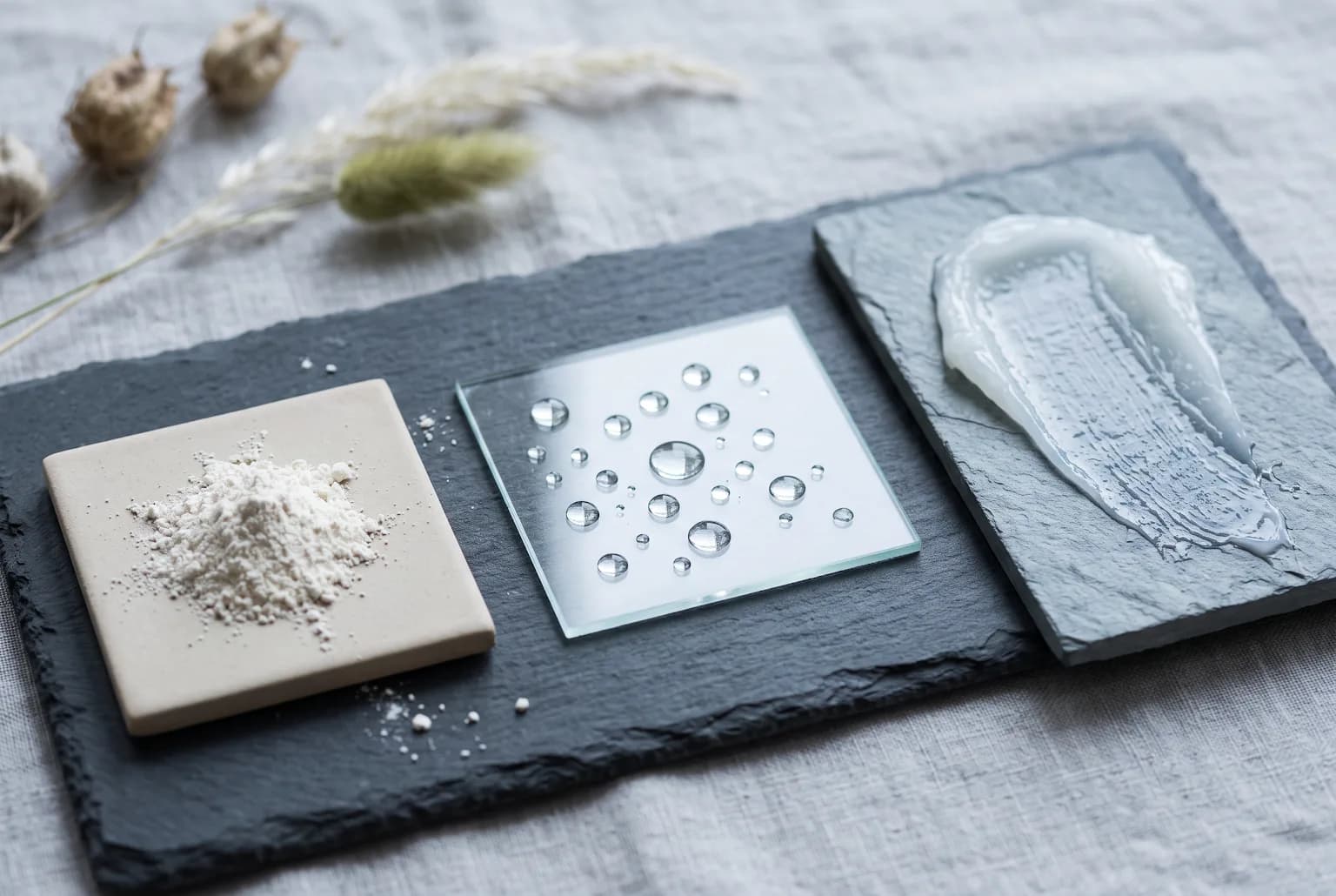
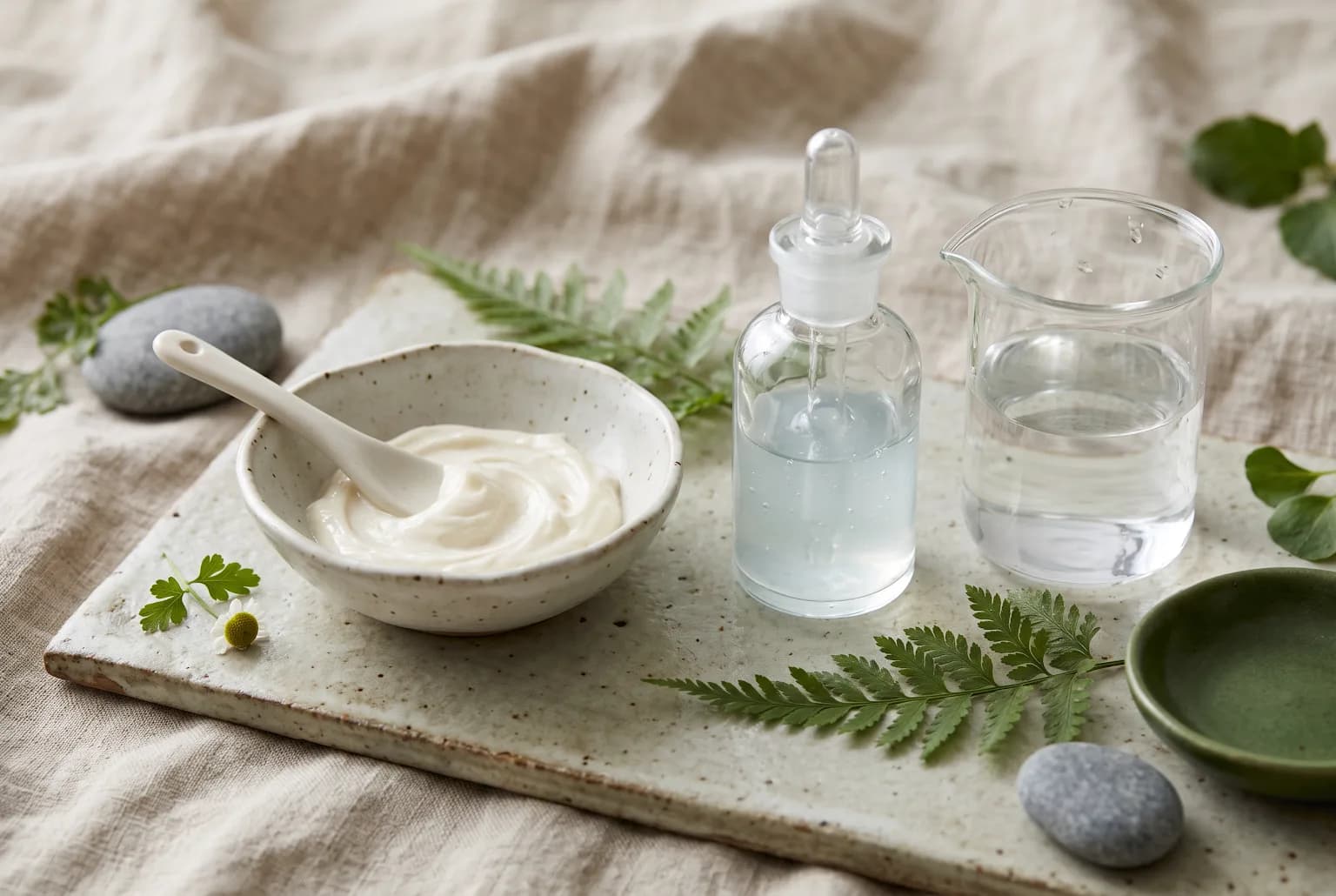
Start with three functional layers. Humectants draw and hold water in the outer skin layers, barrier lipids rebuild the skin’s mortar, and occlusives reduce trans‐epidermal water loss. When shopping, check ingredient lists for each of these categories rather than relying on marketing terms like “hydrating” or “intense.”
Glycerin and hyaluronic acid are reliable humectants that suit most skin types; urea adds both humectant and keratolytic action at higher doses and is especially useful for visibly scaly or thickened areas. Ceramides (often listed as ceramide NP, AP, or EOP) plus cholesterol and fatty acids support barrier repair. Petrolatum and dimethicone form the sealing layer that keeps moisture from escaping—key overnight or in dry climates.
![Image after H2 what-to-look-for-in-a-moisturizer]
Choosing the right format for your severity
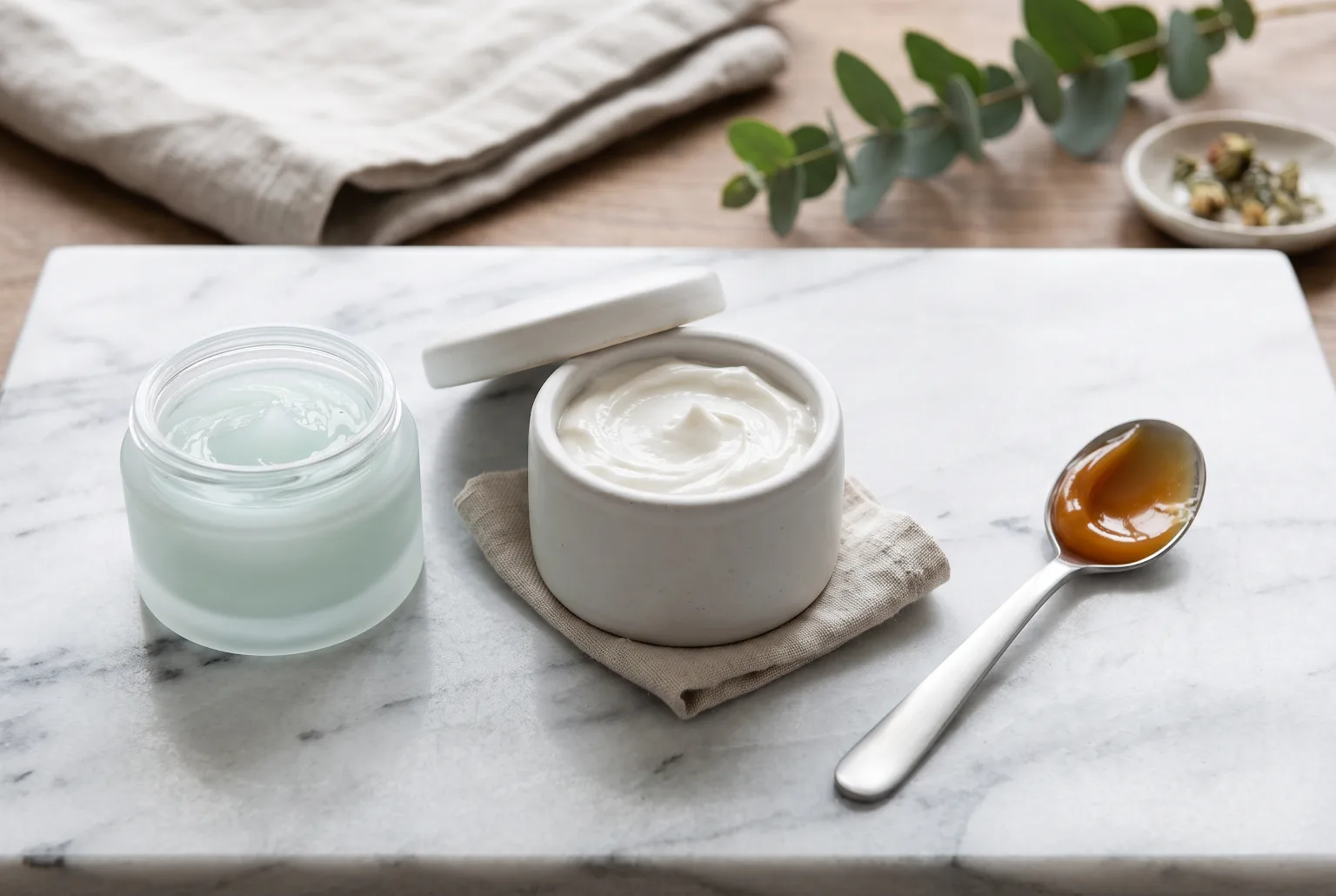
Texture matters because it determines spreadability, occlusion, and comfort. Here are the common formats and when each is practical:
- Ointments: petrolatum‐heavy and the most occlusive; best for cracked, very dry skin on body or limited face patches at night.
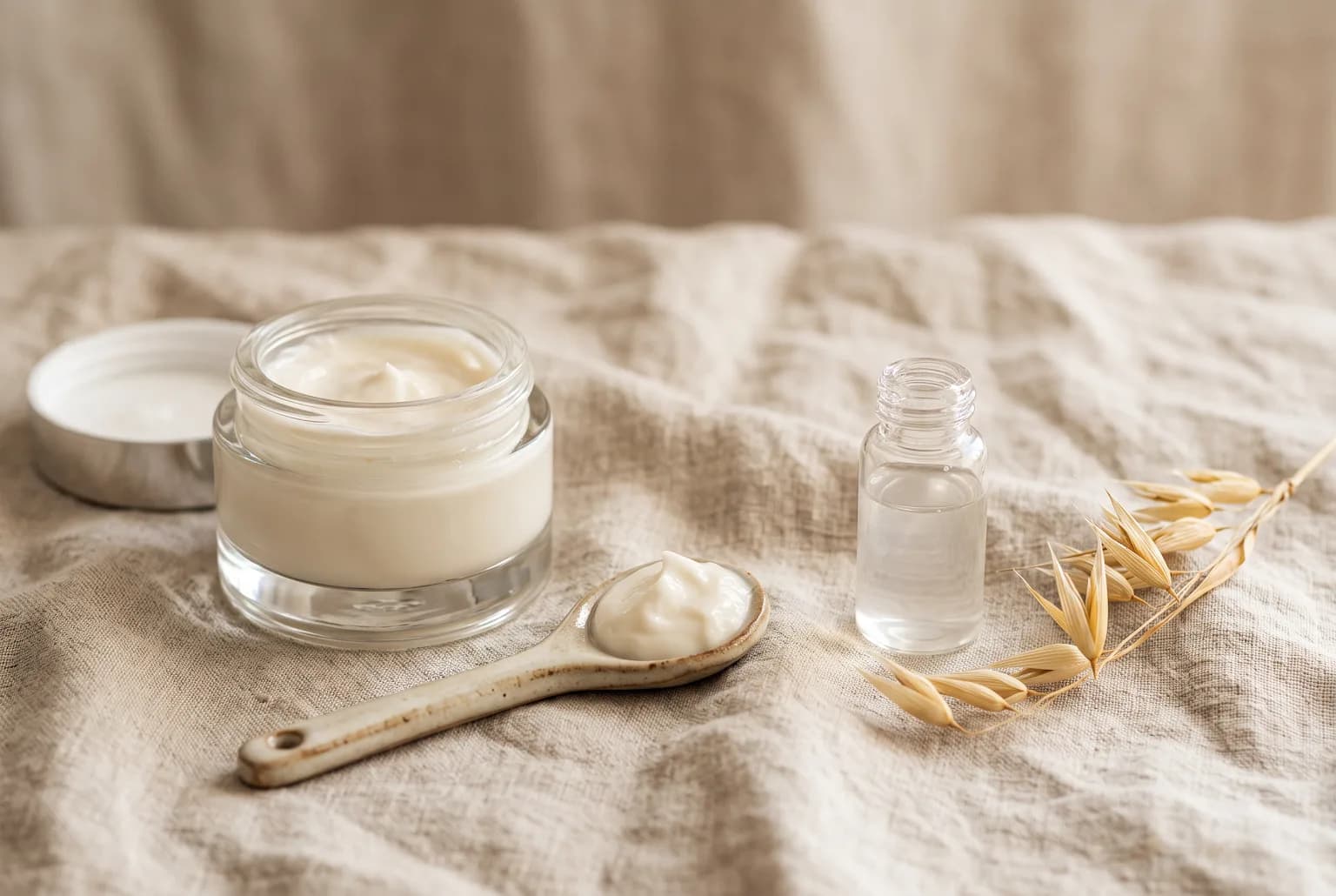
- Thick creams: richer than lotions, often contain ceramides and humectants; ideal for most very dry faces and hands.
- Lotions: lighter emulsions that can work for mild dryness or daytime layering under sunscreen and makeup.
- Gel‐creams: low‐oil, good for dehydrated but not scaly skin; excellent for combination skin that needs hydration without weight.
Tradeoffs are simple: higher occlusion usually means greasier feel and possible pilling under makeup, while lighter textures may require more frequent application. If you’re acne‐prone, choose non‐comedogenic labels and prioritize dimethicone and petrolatum sparingly—use them as targeted occlusion rather than all‐over heavy ointment.
![Image after H2 choosing-the-right-format-for-your-severity]
How to layer moisturizer for flaky, dry skin
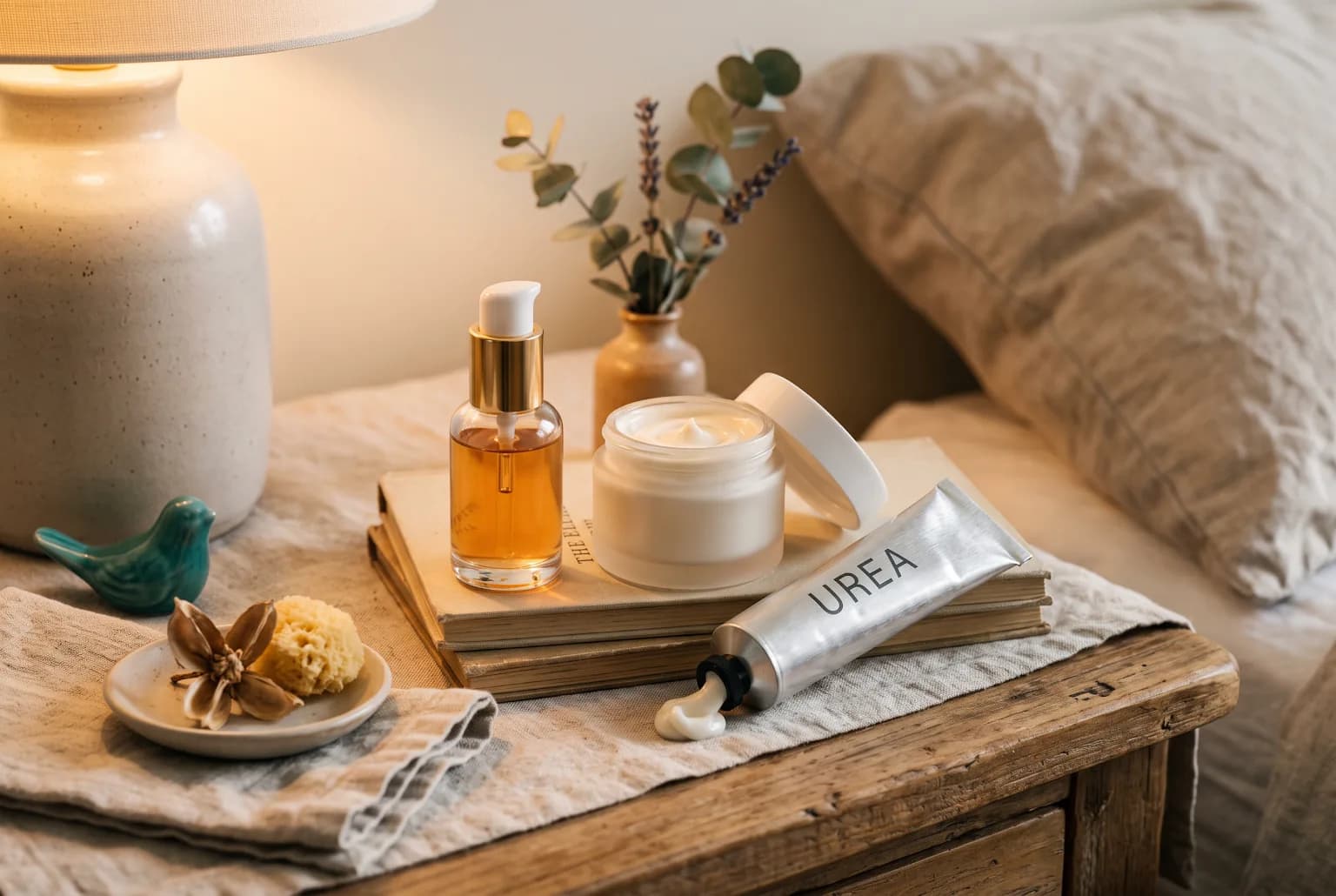
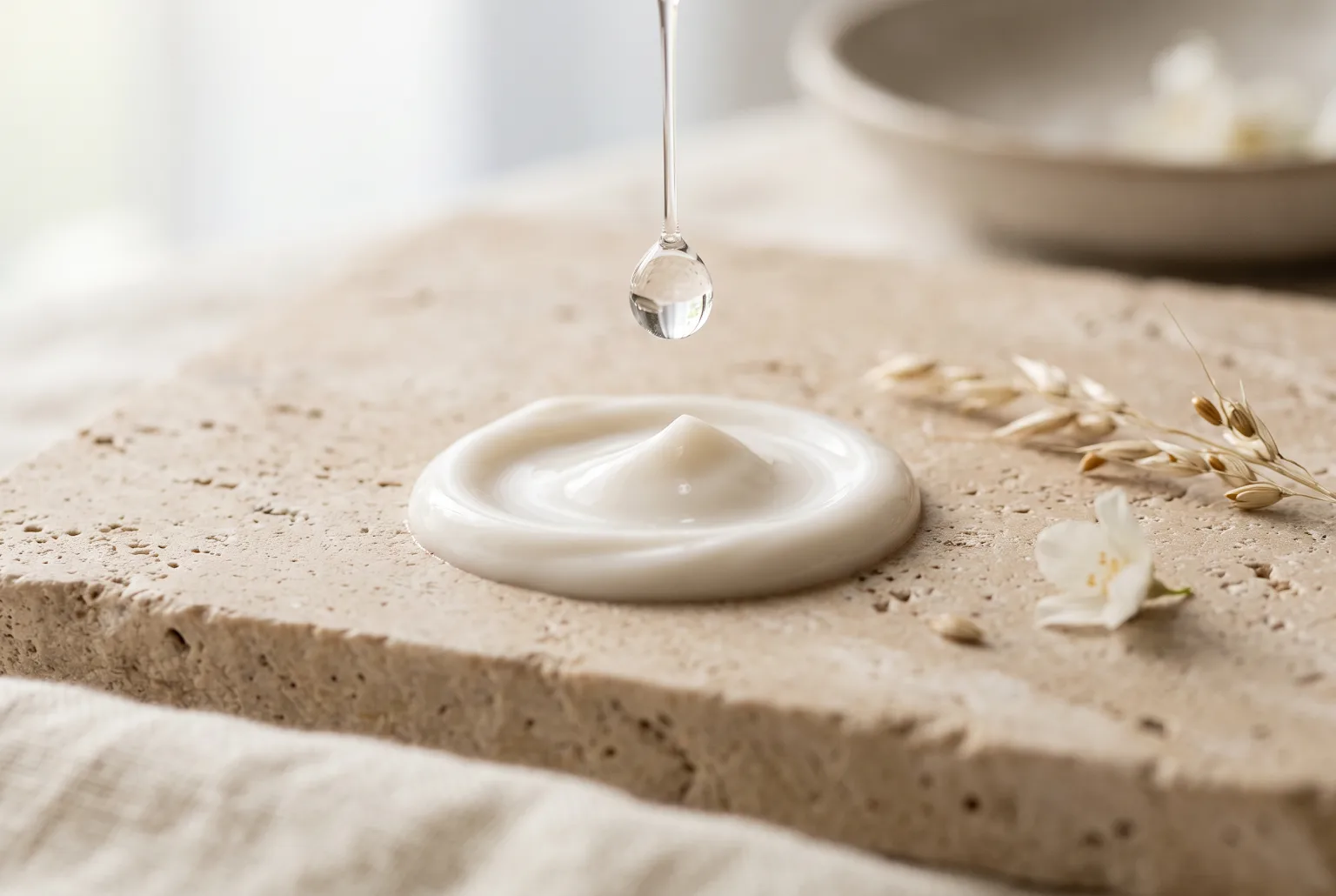
Layering is less about complexity and more about order. The goal is to place lighter, water‐attracting products closest to skin, followed by thicker creams and finally an occlusive when needed. A simple sequence:
- Cleanse with a gentle, non‐stripping cleanser.
- Apply a water‐based serum containing hyaluronic acid or glycerin while skin is slightly damp.
- Follow with a ceramide‐rich cream to rebuild lipids.
- Finish with a thin layer of petrolatum or a dimethicone‐rich balm on areas that lose moisture quickly (hands, cheeks, lips).
Use the occlusive at night on very dry patches or during low‐humidity conditions. If you use actives like retinoids or AHAs, prioritize barrier repair for 2–4 weeks first—high‐strength exfoliants can worsen flaking until the skin is rebuilt.
![Image after H2 how-to-layer-moisturizer-for-flaky-skin]
Product and formula examples to consider
Below is a practical, non‐exhaustive list of formula profiles to search for according to needs. These are examples of ingredient approaches rather than endorsements of specific brands.
| Skin need | Key ingredients to prioritize | Texture to choose |
|---|---|---|
| Mild dehydration, no flaking | Hyaluronic acid, glycerin, lightweight emollients | Gel‐cream or light lotion |
| Dry + flaky patches | Urea (2–10%), glycerin, ceramides | Thick cream or lotion with urea |
| Very dry, cracked skin | Petrolatum, ceramides, occlusive emollients | Ointment or thick cream |
| Sensitive or reactive | Colloidal oatmeal, minimal fragrance, ceramides | Fragrance‐free cream |
Here are practical formula archetypes and the tradeoffs to weigh:
- Ceramide + hyaluronic acid cream: broad utility for face and body; rebuilds lipids and adds humectant pull. Good everyday choice.
- Urea‐containing lotions (2–10%): offer hydration plus mild keratolysis—useful for scaly elbows, knees, and heel fissures. Start at lower concentrations if sensitive.
- Petrolatum ointments: unmatched for sealing and healing, but heavy and not ideal under makeup; keep a small jar for nighttime or targeted patches.
- Colloidal oatmeal formulas: soothing for reactive or eczema‐prone skin where itch and irritation coexist with dryness.
If you need product ideas tailored to acne and dry skin, check our barrier‐first guide for acne‐prone dryness and consider lightweight non‐comedogenic creams from that guide: Best Moisturizer for Dry, Sensitive, Acne-Prone Skin: A Barrier-First Guide.
How to decide between body and face formulas
Faces tolerate some occlusion, but facial skin is thinner and more prone to comedones. Body creams can be thicker and fragrance‐forward; face formulations should ideally be fragrance‐free and labeled non‐comedogenic if acne is a concern. For very dry facial patches, use a small amount of a petrolatum ointment as a spot treatment rather than a heavy all‐over application.
When evaluating a product for both face and body, check for potential irritants (fragrance, essential oils, high alcohol content) and prefer formulations that list ceramides and humectants near the top of the ingredient list for efficacy. Our guide on combination skin textures can help if you’re balancing oily zones with dry patches: Best Face Moisturizer for Combination Skin: The Smart Gel-Cream Guide.
Cost, frequency, and value tradeoffs
A little petrolatum goes a long way—cost per ounce is often low—so economical ointments are high‐value for severe dryness. Licensed formulations that combine ceramides with targeted actives (like urea) can cost more but reduce the need to rotate multiple products. Consider buying cream sizes for face use and tubs/ointments for hands, feet, and body.
For daily use, creams should be applied twice daily to dry areas; ointments may be used nightly or as needed. Watch improvement over 2–4 weeks: if cracking, bleeding, persistent severe itch, or no visible improvement occurs, seek dermatologic care—prescription options or higher‐strength urea may be necessary.
When to escalate care and what to avoid
Avoid fragranced and essential oil‐heavy formulas if you have sensitive or allergy‐prone skin. High concentrations of AHAs/BHAs or retinoids can worsen flaking if applied before the barrier is restored; pause exfoliants until moisturization reduces flaking. If skin is fissured, bleeding, intensely itchy, or infected, consult a dermatologist rather than layering more OTC products.
If you’re considering urea, start with low concentrations (2–5%) for face and increase cautiously for stubborn body flakes; some clinical lotions contain higher hydro‐urea percentages for feet and hands. For eczema‐type dryness, look to guidance from advocacy groups such as the National Eczema Association for specific product recommendations and safety notes: https://nationaleczema.org/eczema-products/intensive-moisturizing-lotion/.
Frequently asked questions
What ingredients actually help stop flaking?
Look for a combination of humectants (glycerin, hyaluronic acid, urea), barrier lipids (ceramides, cholesterol), and an occlusive (petrolatum or dimethicone). Each plays a distinct role—humectants attract water, lipids rebuild the barrier, and occlusives prevent moisture loss.
Can I use petrolatum on my face if I have acne?
You can use small amounts of petrolatum as a targeted occlusive on very dry patches; it’s non‐comedogenic by chemistry but can feel heavy. For acne‐prone skin, prefer lighter, non‐comedogenic creams and reserve ointments for limited spot treatment at night.
How long before I should see improvement in flakiness?
With consistent twice‐daily use of an appropriate moisturizer, many people see reduction in visible flaking within 1–2 weeks and clearer barrier repair in 2–4 weeks. If there’s no improvement or symptoms worsen, consult a dermatologist.
Is urea safe for the face?
Low concentrations of urea (around 2–5%) can be safe and effective for facial flaking; higher concentrations are typically reserved for thicker skin on the body. Patch test if you have sensitive skin and introduce gradually.
Related Reading
- Best Moisturizer for Dry, Sensitive, Acne-Prone Skin: A Barrier-First Guide
- Best Night Moisturizer for Sensitive Skin: A Barrier-First Guide for Mature, Dry, and Combination Skin
- Best Facial Toner for Mature Skin: A Barrier-First Buyer’s Guide
Sources
- Cleveland Clinic – Choosing the best moisturizer for dry skin
- NBC Select – Best face moisturizers for dry skin (tested)
- National Eczema Association – CeraVe Intensive Moisturizing Lotion details
Clear guidance, checked before publication.
Solvi articles are structured by our editorial team and reviewed for clarity, consistency, and responsible health language. We update pages when guidance or product information changes.

Amara Lewis
Sensitive Skin Writer. Amara is fascinated by calm, barrier-first skincare and the small details that make a routine easier to tolerate. She favors thoughtful formulas, slow introductions, and less guesswork.