Face Oil Before or After Moisturizer? Follow the Role
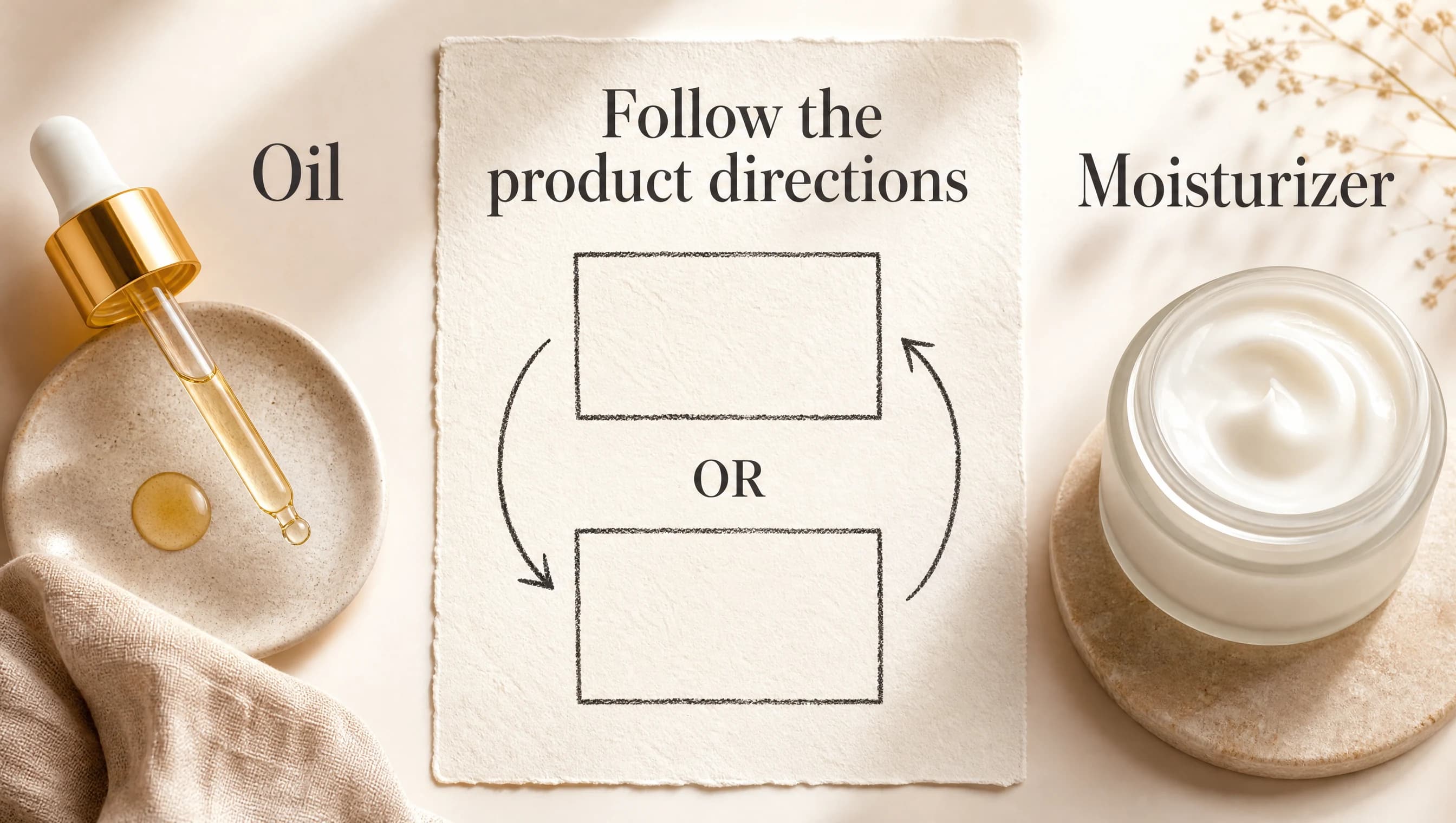
Whether face oil goes before or after moisturizer depends on the product and its directions. The word “oil” can describe a standalone cosmetic oil, an oil-based treatment or an ingredient already inside a cream. Those are different situations, so one universal arrow is not enough.
For its own products, The Ordinary's layering guide places water-based formulas first, then anhydrous products and oils, with creams later. That is a concrete manufacturer example, not a rule that every brand must share. Start with the bottle you own.
Identify what you are actually layering
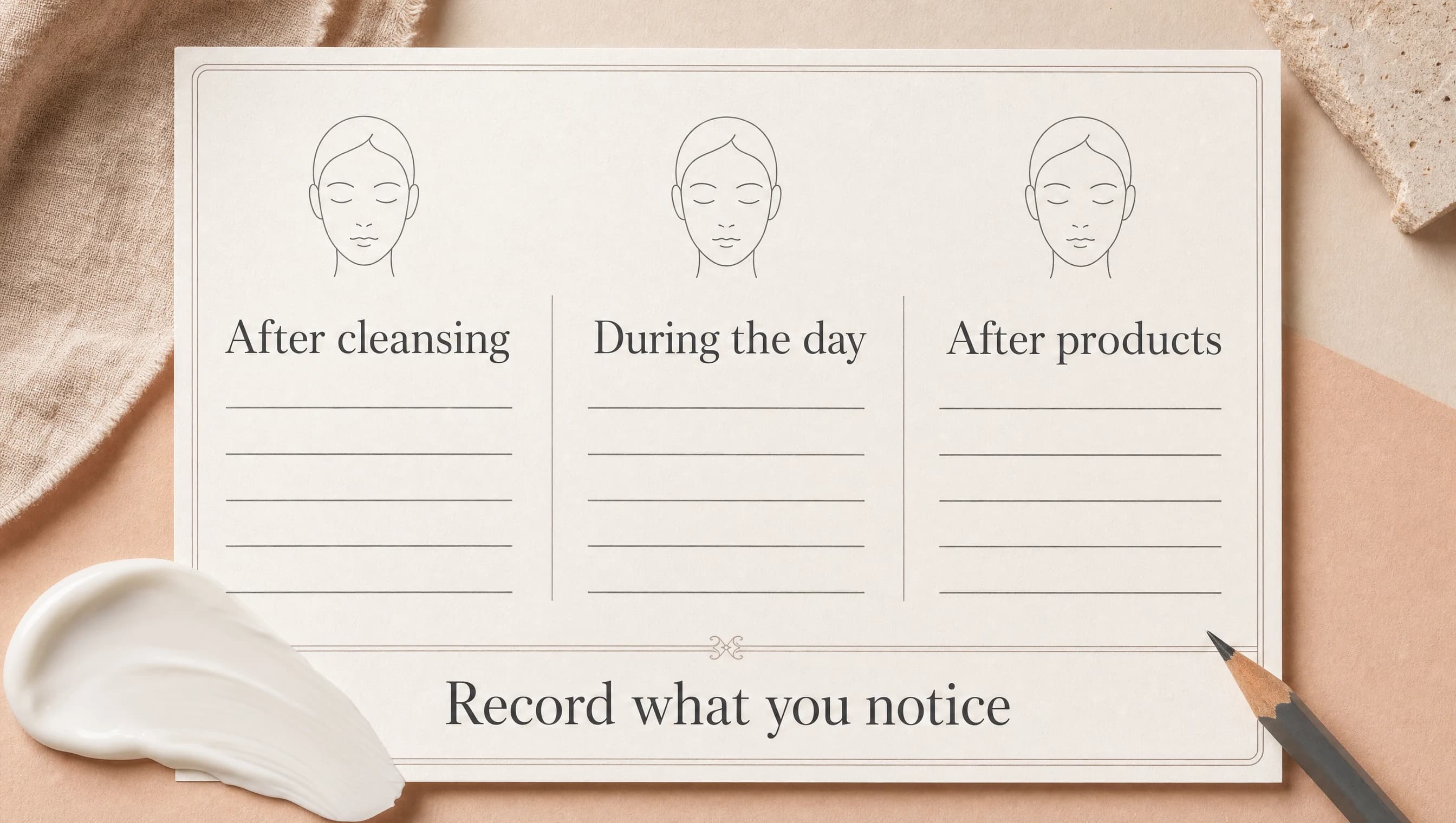
Read the full product name and purpose before arranging it by appearance. A thin-looking serum can carry an active treatment, while a cream can contain oils without requiring a separate oil step.
| Product type | First question | How to approach order |
|---|---|---|
| Standalone facial oil | What does its label say about layering? | Follow the named product's directions |
| Oil-like treatment serum | Are there treatment-specific limits? | Preserve those requirements before using a generic texture rule |
| Moisturizer containing oil | Is this already the moisturizing step? | Treat it as the complete formula it is |
| Prescribed topical medicine | What sequence did the prescriber give? | Ask before changing that sequence |
Use a real manufacturer's example carefully
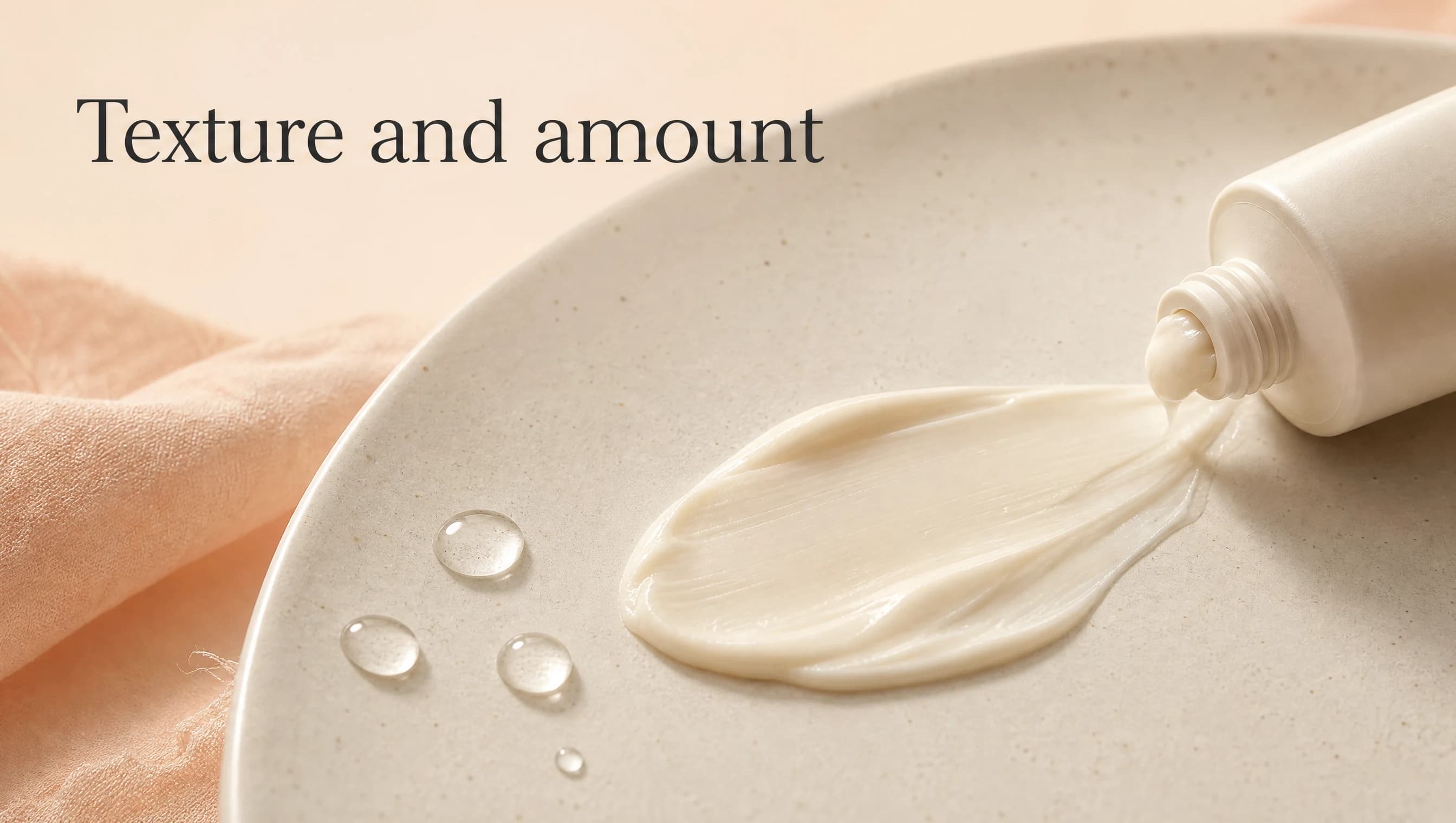
The Ordinary's layering guide gives a sequence based on formulation type. Its 100% Plant-Derived Squalane is an anhydrous, oil-like product. Reading these together is more useful than assuming that every oil must always be the very last step.
Other products may carry different directions. If the label and a general internet chart disagree, retain the product-specific instruction. If two products give conflicting requirements, ask for clarification or simplify the optional steps instead of inventing a new rule.
For the ingredient spelling and sourcing question, see squalane versus squalene. Knowing the ingredient identity helps you compare products, but it does not determine an entire routine by itself.
Keep the basic routine visible
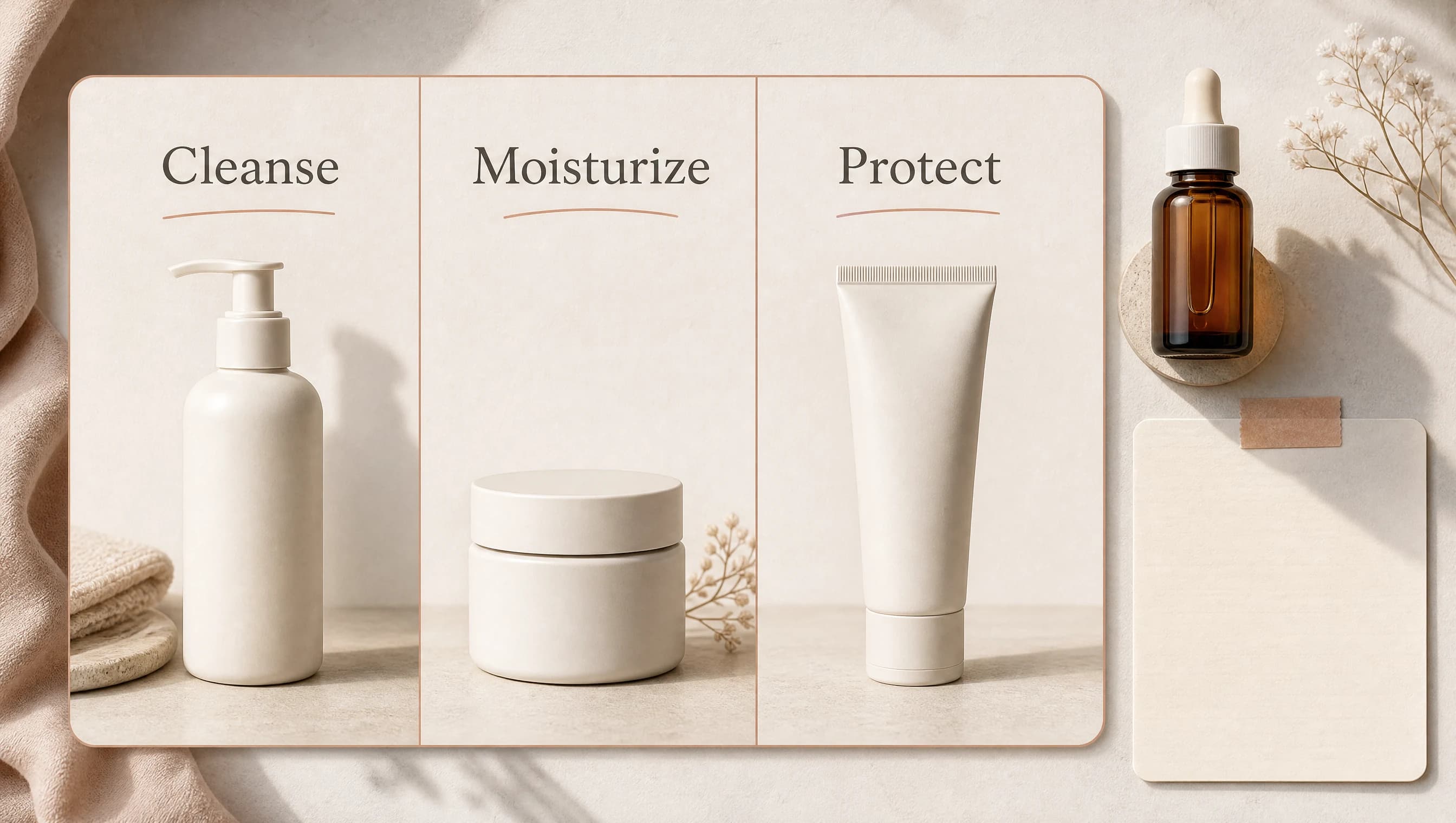
The AAD's product-order guidance gives a simpler structure: cleansing, treatment when used, then moisturizer and/or sunscreen, followed by makeup if desired. Its warning about too many products is relevant when a layering question has turned into a crowded routine.
An optional oil should have a specific purpose. If the moisturizer already meets your needs, adding oil because a chart includes it may create extra work without resolving anything. Our moisturizer guide for dehydrated-feeling skin can help you compare the format you need before adding a new category.
Do not mix an oil into sunscreen to make the texture easier to spread. Keep sunscreen use aligned with its own directions rather than treating it as another customizable cosmetic layer. A routine chart cannot establish that a homemade mixture preserves the labeled protection.
Make changes easy to understand
For the Ordinary example, a completed sequence is water-based products, then the brand’s oil-like step, then cream, with each product’s own restrictions preserved. Copy the actual names beside that sequence. If one is a treatment with different directions, resolve those directions before borrowing this brand-level order.
A useful worksheet asks:
- Is this an oil, a treatment in an oil-like vehicle or a moisturizer?
- Does the manufacturer specify placement?
- Would that placement conflict with another label?
- What practical benefit am I looking for?
- Could a simpler moisturizer choice address the same issue?
If your face feels uncomfortable after several changes, review those changes before adding another layer. Our skin-barrier concern checklist helps organize observations. For a heavier final occlusive layer, the slugging guide describes a separate decision with its own limitations.
Know when order is not the main problem
Persistent flaking, burning or irritation is not necessarily a puzzle that a different product order will solve. Stop using products that irritate your skin and seek advice when symptoms persist or worsen.
For a format-focused starting point, read our dry, flaky skin moisturizer guide.
Frequently asked questions
Is oil always the final step?
No universal rule covers every formula. The reviewed Ordinary guide places creams after its oil category; other products should be checked individually.
Does a cream containing oil need a separate oil layer?
No. Judge the complete moisturizer and the need you are trying to meet, not the presence of one ingredient.
What if my prescribed treatment has a different order?
Keep the prescribed directions and ask your clinician or pharmacist before changing them.
Sources
The Ordinary: Skincare layering guide (theordinary.com) — https://theordinary.com/en-us/skincare-layering-guide.html
The Ordinary: 100% Plant-Derived Squalane (theordinary.com) — https://theordinary.com/en-us/100-plant-derived-squalane-face-oil-100398.html
American Academy of Dermatology: Product order (aad.org) — https://www.aad.org/public/everyday-care/skin-care-basics/care/apply-skin-care-certain-order
FDA: Using Cosmetics Safely (fda.gov) — https://www.fda.gov/cosmetics/resources-consumers-cosmetics/using-cosmetics-safely
Clear guidance, checked before publication.
Solvi articles are structured by our editorial team and reviewed for clarity, consistency, and responsible health language. We update pages when guidance or product information changes.