Eye Cream vs Face Moisturizer: When a Separate Product Makes Sense
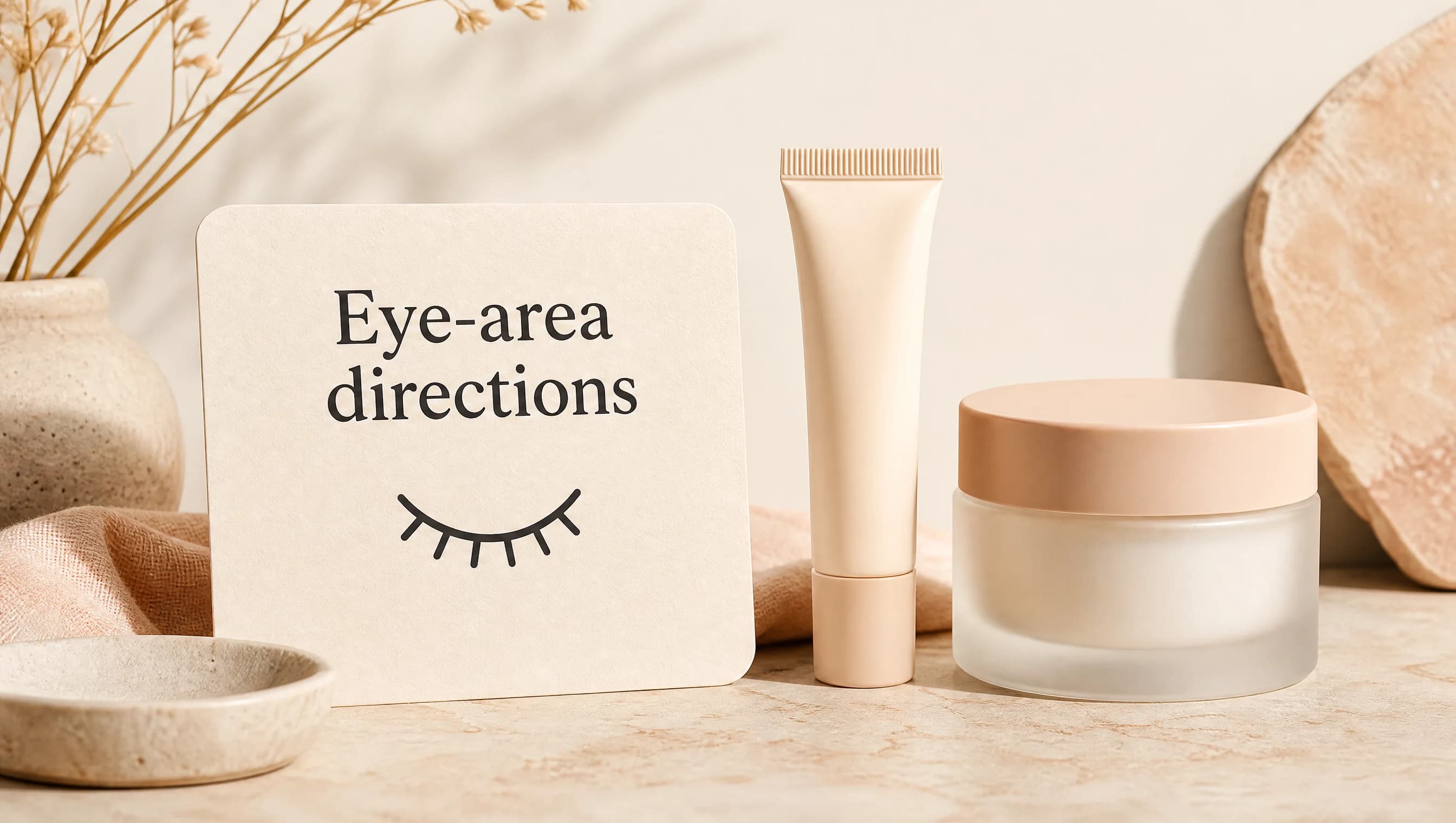
A separate eye cream makes sense when you want a formula specifically intended for the eye area and it offers a useful fit, texture or cosmetic purpose. It is not automatically better because the container is smaller or more expensive. Equally, a face moisturizer should not be assumed suitable everywhere around the eyes just because it works on your cheeks.
Start with intended use and directions, then decide whether another product solves an actual problem. A claim about puffiness, dryness or dark circles is not the same as proof that one cream addresses every possible cause of that appearance.
Compare the intended area first
| Situation | Useful first check | Avoid assuming |
|---|---|---|
| You want moisture around the eyes | Is the product intended for that area? | Every face cream has identical directions |
| Your existing eye product feels comfortable | Does it serve the purpose you chose? | You must upgrade to a stronger formula |
| A face product says avoid the eye area | Respect that restriction | A smaller amount cancels the warning |
| You have persistent eyelid irritation | Seek appropriate assessment | A more expensive eye cream will identify the cause |
The FDA advises using cosmetics near the eyes only when intended for that use. That is a useful boundary for this comparison; a general ingredient preference should not override the area restrictions on a finished product.
A label example without a universal winner
CeraVe Eye Repair Cream specifically directs small dots around the eye area followed by gentle smoothing. CeraVe Moisturizing Cream is described for face and body. These statements establish different intended-use descriptions; they do not establish that the general cream is interchangeable with the eye formula on every part of the eyelid.
Read the directions on the product you actually own. Brand names are not enough: a line may include a basic eye cream, a retinoid eye product and a general moisturizer with different restrictions.
If your comparison is between two eye serums rather than a moisturizer and an eye cream, see The Ordinary Caffeine Solution versus Multi-Peptide Eye Serum. Keep the exact product role clear before comparing ingredients.
Decide whether there is a gap to fill

Write down the reason you are considering an extra step. “I want an eye-area formula that sits comfortably under concealer” is specific. “Everyone needs an eye cream by a certain birthday” is not an individualized reason to buy one.
If the concern is a visible change you do not understand, avoid assuming a cosmetic can explain it. Persistent irritation, swelling or eye symptoms deserve medical advice. A routine comparison is not a diagnosis of dark circles or a treatment plan for an eyelid condition.
For ordinary product selection, use our sensitive-skin product guide. If the broader routine already contains many optional steps, the beginner routine guide can help you identify what each product contributes.
Compare cost and practicality honestly
Use intended area as the first gate: a product must be meant for the area where you plan to apply it. Next ask whether your current appropriate moisturizer already supplies the comfort you want. Only then compare the cost and handling of an extra eye product. A smaller tube can be convenient, but its size does not establish a better result.
Keep packaging clean and avoid sharing eye-area cosmetics. If a product causes irritation, stop using it; the FDA recommends medical advice when irritation persists. Do not reinterpret burning as a sign that an eye product is especially effective.
Our body lotion versus face moisturizer guide addresses a similar boundary between intended-use categories. For a dedicated eye-area shortlist, our eye-cream guide for sensitive skin keeps that specific product role in view.
Frequently asked questions
Is eye cream always a richer face cream?
No single texture rule describes the whole category. Compare the specific formula, intended area and directions rather than assuming all eye products share one composition.
Can I put a moisturizer on my eyelids if the label says avoid eyes?
Avoiding direct eye contact and avoiding the entire eye area are different instructions. Read the exact wording and ask the manufacturer or a clinician if eyelid use is unclear. Do not use a general article to override a specific restriction.
Will an eye cream remove every type of dark circle?
No such result follows from the category name. Cosmetic claims concern particular products and outcomes; a persistent or unexplained concern may need assessment beyond a skincare purchase.
Sources
FDA: Eye cosmetic safety (fda.gov) — https://www.fda.gov/cosmetics/cosmetic-products/eye-cosmetic-safety
CeraVe: Eye Repair Cream (cerave.com) — https://www.cerave.com/skincare/moisturizers/eye-repair-cream
CeraVe: Moisturizing Cream (cerave.com) — https://www.cerave.com/skincare/moisturizers/moisturizing-cream
Clear guidance, checked before publication.
Solvi articles are structured by our editorial team and reviewed for clarity, consistency, and responsible health language. We update pages when guidance or product information changes.