How to choose an eye cream for sensitive skin: a barrier-first guide


Use a gentle, fragrance-free eye cream for sensitive skin that prioritizes humectants and ceramide-based barrier repair while avoiding known irritants. Focus on formulas labeled fragrance-free and ophthalmologist- or dermatologist-tested, and choose a gel texture if you’re milia-prone or rely on makeup; pick a richer cream if the orbital area feels chronically dry.
<!-- image: hero -->
What to look for in an eye cream for sensitive skin
Start by scanning the label. The most useful indicators are “fragrance-free,” “alcohol-free,” and a short ingredient list focused on barrier-repair humectants and ceramides. For sensitive eyelids and under-eye skin you want ingredients that hydrate without stripping — hyaluronic acid, glycerin, and ceramides are first-line choices; soothing agents such as niacinamide, allantoin, or colloidal oatmeal reduce irritation risk when formulated at gentle levels.
Avoid brighteners and strong actives in high concentrations when you first introduce a product. High-dose retinol formulas and concentrated vitamin C serums can be effective but are common culprits for stinging, redness, and flaking on thin, delicate eyelid skin. If a brand claims an intense resurfacing effect for the under-eye, plan a conservative patch-test and a slow introduction schedule.
<!-- image: what-to-look-for-in-an-eye-cream-for-sensitive-skin -->
Texture and layer choices: gel vs cream
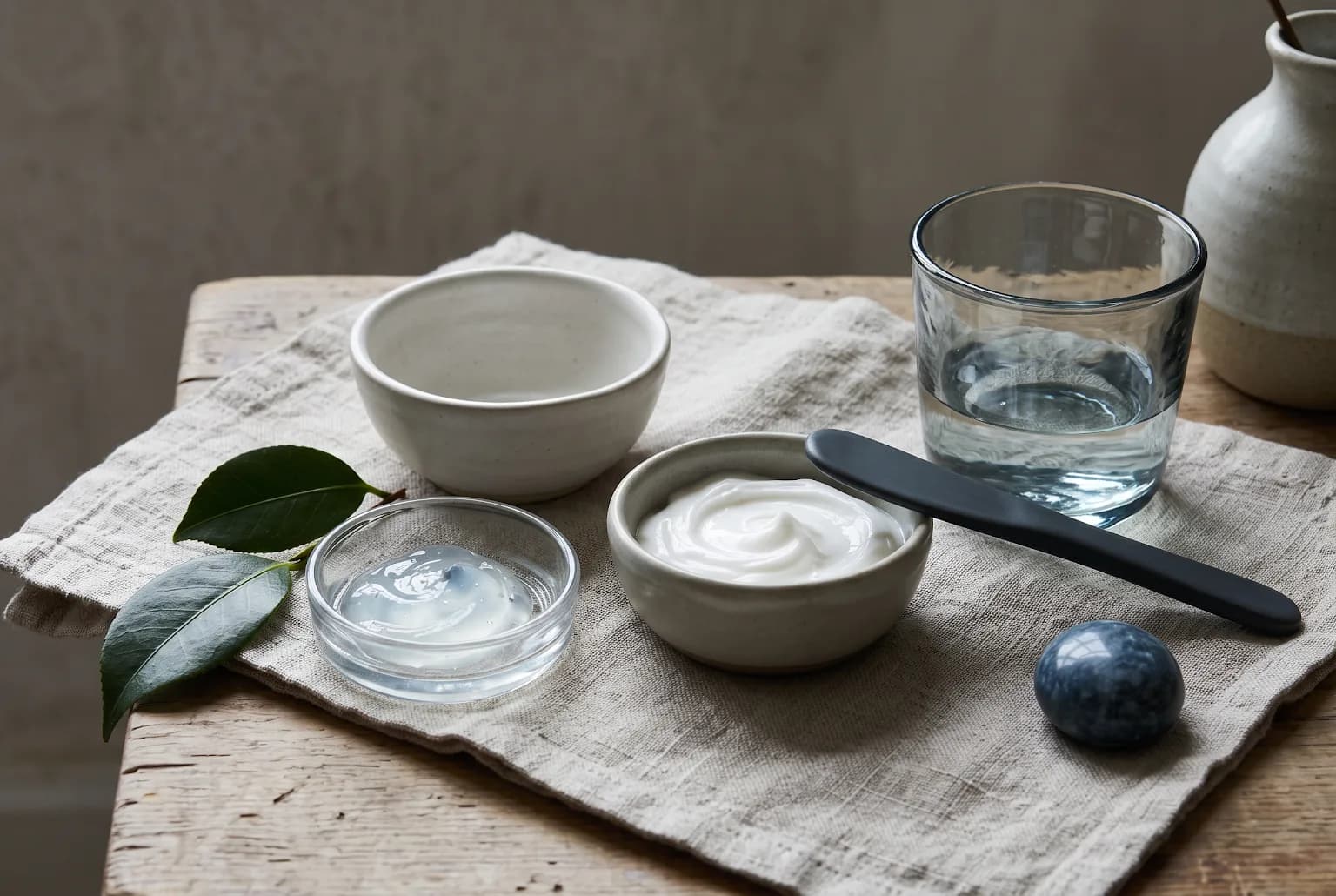
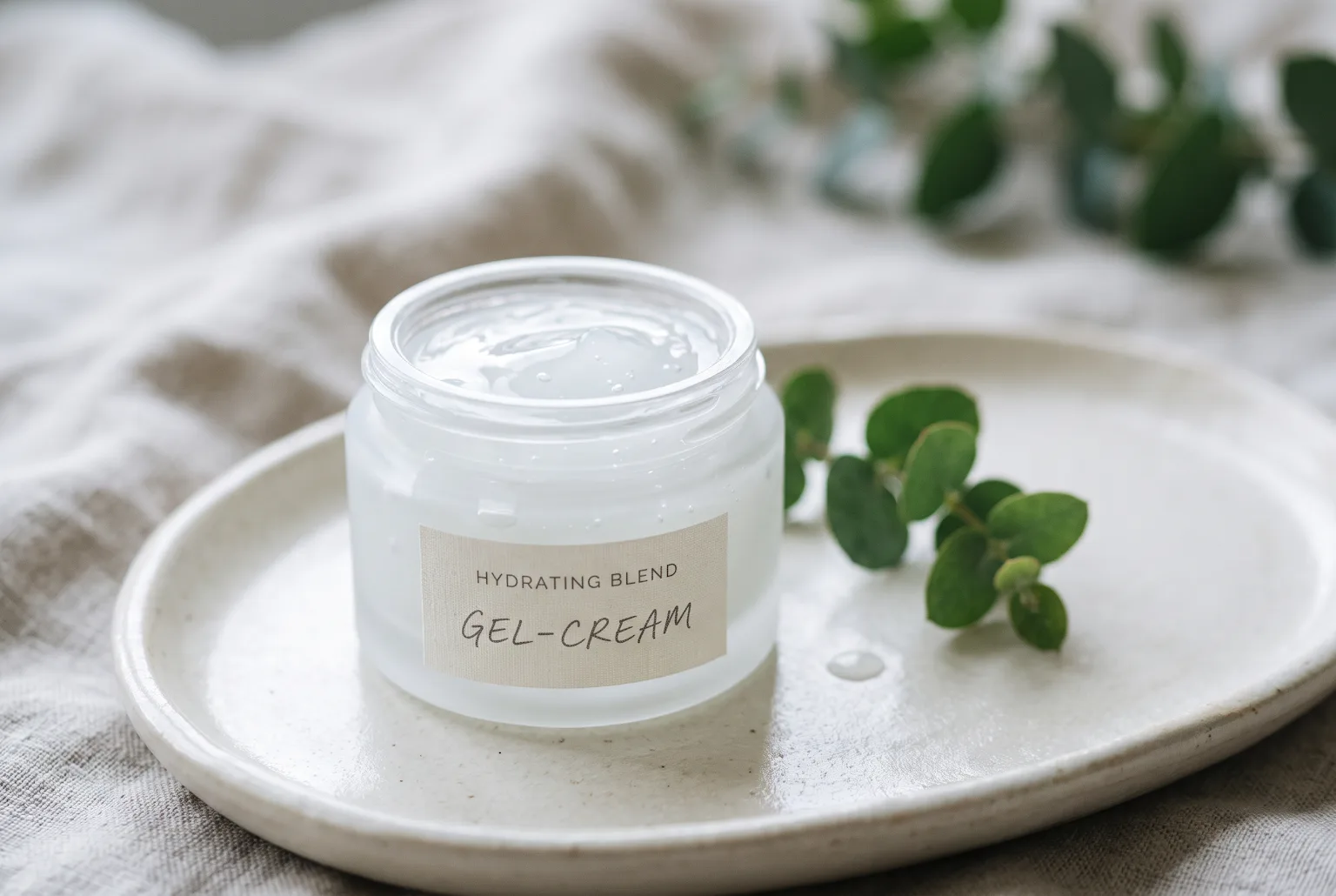
Texture matters more with the eye area than people often assume. A lightweight gel or gel-cream sits better under concealer and is less likely to trap keratin against hair follicles, which can lead to milia. Gel textures spread thinly, absorb quickly, and tend to pair well with tinted brow makeup or heavier foundations.
Thicker creams deliver richer occlusion and are a better match if your under-eye skin is genuinely dry, crepey, or mature. Richer formulas often contain occlusives or emollients that lock in moisture overnight; that tradeoff is comfort and visible smoothing at the cost of a heavier finish that can pill under makeup.
To decide between them, consider your primary goals and routines:
- If you wear makeup daily and are prone to milia: prefer a gel-cream with water-based humectants.
- If you’re waking with dry, paper-thin under-eyes: choose a cream with ceramides and gentle emollients.
- If you want fast absorption and light feel: serums or thin gel-creams are the best match.
<!-- image: texture-and-layer-choices-gel-vs-cream -->
| Texture | Who it suits | Pros | Cons |
|---|---|---|---|
| Gel / gel-cream | Oily lid skin, milia-prone, makeup-forward users | Lightweight, fast-absorbing, under-makeup friendly | Less occlusive overnight for very dry skin |
| Rich cream | Dry, mature under-eye skin, night use | Superior occlusion, smoothing effect | Can feel heavy, may pill under makeup or encourage milia |
| Serum | Early hydration, layering under other products | Concentrated humectants without heaviness | Less barrier repair unless combined with ceramides |
How to introduce active ingredients safely

Sensitive skin doesn’t mean you must avoid all actives — it means introducing them with restraint and smart timing. If you want anti-aging benefits from retinoids or brightening from vitamin C, pick formulas specifically labeled for the eye area and designed for sensitive skin, or use them on alternating nights under a neutral eye cream.
Patch-test any new eye product on a relatively sensitive area (inner forearm or behind the ear) and wait 48–72 hours. Only when that patch is free of irritation should you try a tiny amount on the orbital bone area — not the mobile eyelid — for a few nights in a row. If stinging, redness, or burning occurs, stop immediately.
<!-- image: how-to-introduce-active-ingredients-safely -->
A conservative introduction schedule for an active might look like this:
- Week 1–2: Patch-test and apply a pea-sized amount to the orbital bone twice per week at night.
- Week 3–4: If tolerated, increase frequency to every other night.
- Week 5+: Continue gradual increase to nightly use if no irritation appears; always pair with a fragrance-free hydrating eye cream.
If you experience persistent irritation, scale back to a maintenance routine without the active and consult a board-certified dermatologist or an ophthalmologist for advice.
How to apply eye cream and layer with other products
Less is more near the lashline. Apply eye cream in small dots along the orbital bone using your ring finger — it delivers the gentlest pressure — and blend with outward, upward taps rather than rubbing. Avoid placing products directly on the waterline.
A simple layering order, morning and night, keeps routines manageable and lowers irritation risk:
- Cleanser (gentle, non-foaming) on the full face.
- Toner or lightweight hydrating serum, if you use one.
- Eye cream or gel (pat gently).
- Face moisturizer.
- In the morning: broad-spectrum SPF as the final visible layer.
If you use targeted serums with actives like azelaic acid or niacinamide on the face, apply them before the eye cream; the thicker eye product helps buffer the active from the eyelid. For more on picking compatible serums and balancing actives, see our guide to How to choose a hyaluronic acid serum for sensitive skin.
Choosing brands and formulations that match sensitive needs
Look for short ingredient panels and labels that explicitly say "fragrance-free" and ideally "ophthalmologist-tested" or "dermatologist-tested." Some established gentle formulations cited by dermatologists and tolerant-skin reviewers include La Roche-Posay’s sensitive-focused options (Toleriane or Hyalu B5 approaches), CeraVe Eye Repair Cream with ceramides and hyaluronic acid, and Cetaphil’s Hydrating Eye Gel-Cream for a lighter finish. These are examples to evaluate — not endorsements — and they reflect the decision criteria of barrier repair, low-irritant preservatives, and minimal fragrance.
When comparing value, examine concentration and delivery format: a small tube of concentrated eye serum can cost more per milliliter than a larger jar of cream, but a little serum often goes further if you only need lightweight hydration. Conversely, a thicker cream can reduce the number of additional products you need at night, which can be a better value for very dry or mature skin.
For mature sensitive skin specifically, focus on ceramides plus humectants and gentle peptides rather than immediate high-strength retinoids; if you plan to use retinoids, work with a clinician and introduce them slowly, as described above. For more on choosing eye treatments for lines, see our article on Eye treatments for fine lines: the smart, layered way to shop and use them.
Quick shopping checklist
- Fragrance-free and alcohol-free labeling.
- Humectants: hyaluronic acid or glycerin near the top of the list.
- Barrier lipids: ceramides, cholesterol, or fatty acids.
- Soothing agents: niacinamide, allantoin, or colloidal oatmeal.
- Minimal colorants or heavy essential oils.
If you need extra reading on texture and formulation for dry or mature skin, our related guides on Best cream for fine lines and Eye creams for mature skin are practical next steps.
Frequently asked questions
Can people with sensitive eyes use retinol-based eye creams?
Retinol-based eye creams can be used by people with sensitive eyes but only with caution: choose low-concentration, ophthalmologist- or dermatologist-formulated products, patch-test first, and introduce slowly. Consider using retinoids on alternating nights and always pair with a fragrance-free hydrating eye cream.
Will eye creams cause milia if I use a rich formula?
Richer, more occlusive eye creams can contribute to milia in people who are prone to them because heavy occlusion traps keratin near the follicle. If milia are a concern, opt for a lightweight gel-cream or serum and reserve richer creams for overnight use applied sparingly.
Are products labeled "hypoallergenic" safe for all sensitive skin types?
"Hypoallergenic" is not a regulated guarantee of no reactions; it means the brand positions the product as less likely to cause allergies. Look instead for explicit ingredient lists, "fragrance-free" labels, and third-party testing such as dermatologist or ophthalmologist testing. Always patch-test regardless of labeling.
How should I layer eye cream with SPF and makeup?
Apply eye cream before face sunscreen and allow it to absorb for a minute. Then apply broad-spectrum SPF across the orbital bone area and allow the sunscreen to set before applying concealer or foundation to reduce pilling and product migration.
What are the gentlest soothing ingredients to seek in an eye cream?
Gentle, well-tolerated soothing options include niacinamide at low concentrations, allantoin, panthenol, and colloidal oatmeal. These ingredients support the skin’s barrier without the irritation risk associated with strong acids or high-dose retinols.
Related Reading
- Best Facial Exfoliator for Sensitive Skin: A Smarter Way to Choose
- Mineral vs. Chemical Sunscreen for Sensitive Skin: The Formula-First Guide
- The best diapers for sensitive skin: a lab-minded buyer’s guide
Sources
- Allure — Best eye creams for sensitive skin; dermatologist tips
- Allure — Best drugstore eye creams review
- BeautyFind — Dermatologist-recommended eye creams for sensitivity
Clear guidance, checked before publication.
Solvi articles are structured by our editorial team and reviewed for clarity, consistency, and responsible health language. We update pages when guidance or product information changes.

Zoe Mitchell
Beauty Trends Editor. Zoe keeps a close eye on viral routines, new launches, and the skincare conversations moving fastest online. She asks which trends are useful, which need context, and which can be skipped.