The Ordinary Salicylic Acid: Solution vs Anhydrous
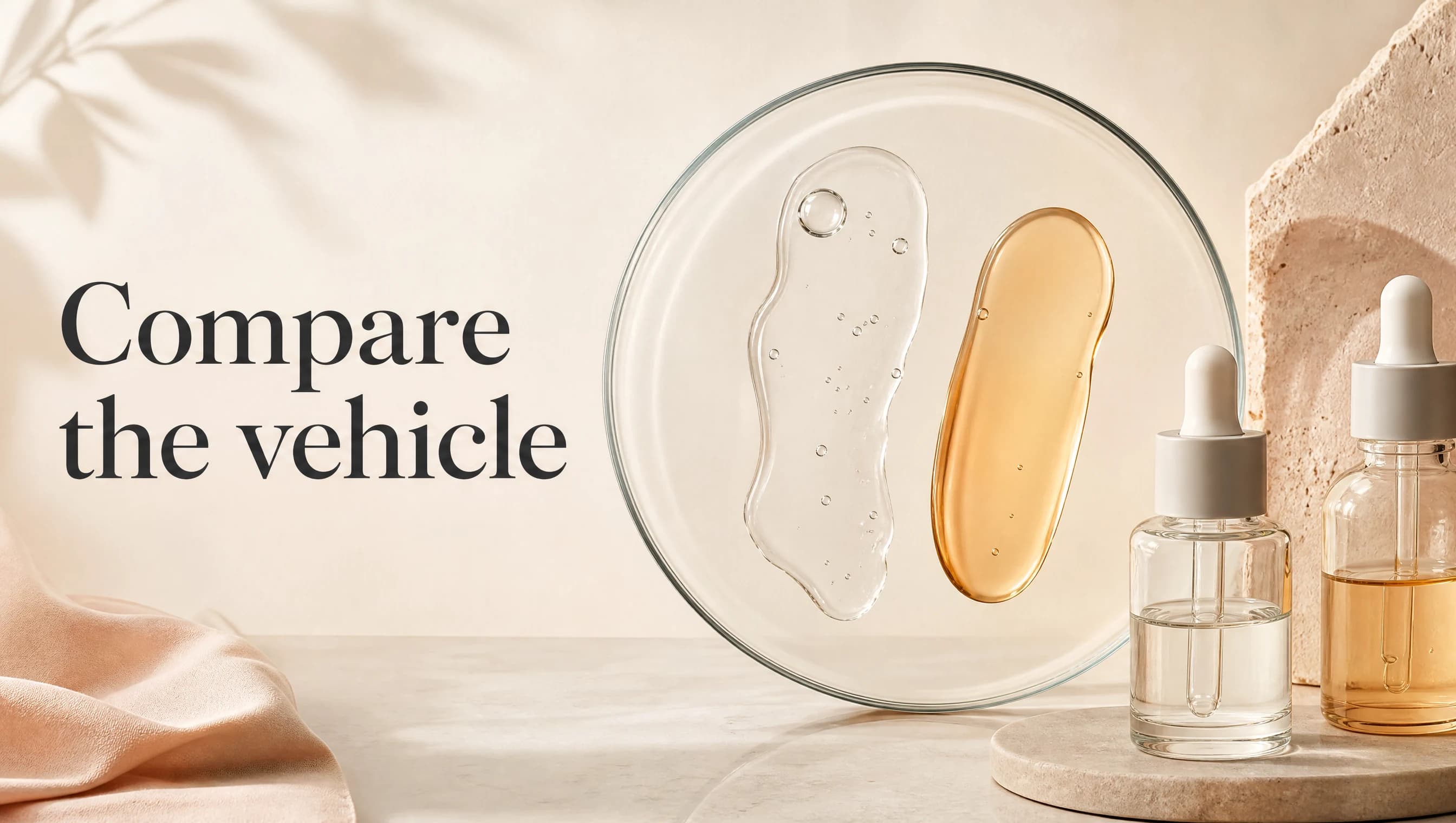
The Ordinary's Salicylic Acid 2% Solution and Salicylic Acid 2% Anhydrous Solution share a named percentage, but they are different finished formulas. The current US Solution is water-based and carries acne-treatment labeling. The Anhydrous Solution uses a water-free, squalane-based vehicle. Compare the complete product and its directions rather than treating the percentage as proof of identical results.
The water-based product also has inconsistent frequency wording between sections of its current US web page. That makes the package in your hand especially important. Do not combine instructions from different regional or older versions.
Confirm the exact US formulas
The standard Salicylic Acid 2% Solution reviewed here is product 100098. Its label separates salicylic acid as the active acne-treatment ingredient from inactive ingredients including water and glycerin. The Anhydrous Solution is product 100442 and lists squalane first.
| Comparison point | Current US Solution | Anhydrous Solution |
|---|---|---|
| Vehicle | Water-based serum | Water-free, squalane-based serum |
| Salicylic acid named percentage | 2% | 2% |
| Other label examples | Water and glycerin | Squalane and caprylic/capric triglyceride |
| Main check before use | Actual acne-treatment package directions | Product directions and restrictions |
| What the percentage cannot establish | Your tolerance or a comparative outcome | Your tolerance or a comparative outcome |
The table describes the reviewed labels. It does not compare absorption rates, measured irritation or clinical effectiveness between these two retail products.
Handle the direction discrepancy conservatively
The current US water-based page's usage section describes an initial once-daily application with possible increases according to its acne-treatment directions. Its FAQ separately says once daily in the evening. An older or different product page can show another version of the instructions.
Do not resolve this by choosing the most frequent schedule. Read your package and ask the manufacturer or a pharmacist if the instructions remain unclear. This article does not prescribe a schedule that overrides the label.
The Anhydrous page has its own directions, including a warning against use on sensitive, peeling or compromised skin. Its gentler marketing language is not permission to ignore that restriction. A squalane-based vehicle does not guarantee freedom from irritation.
Compare the role with your existing exfoliant
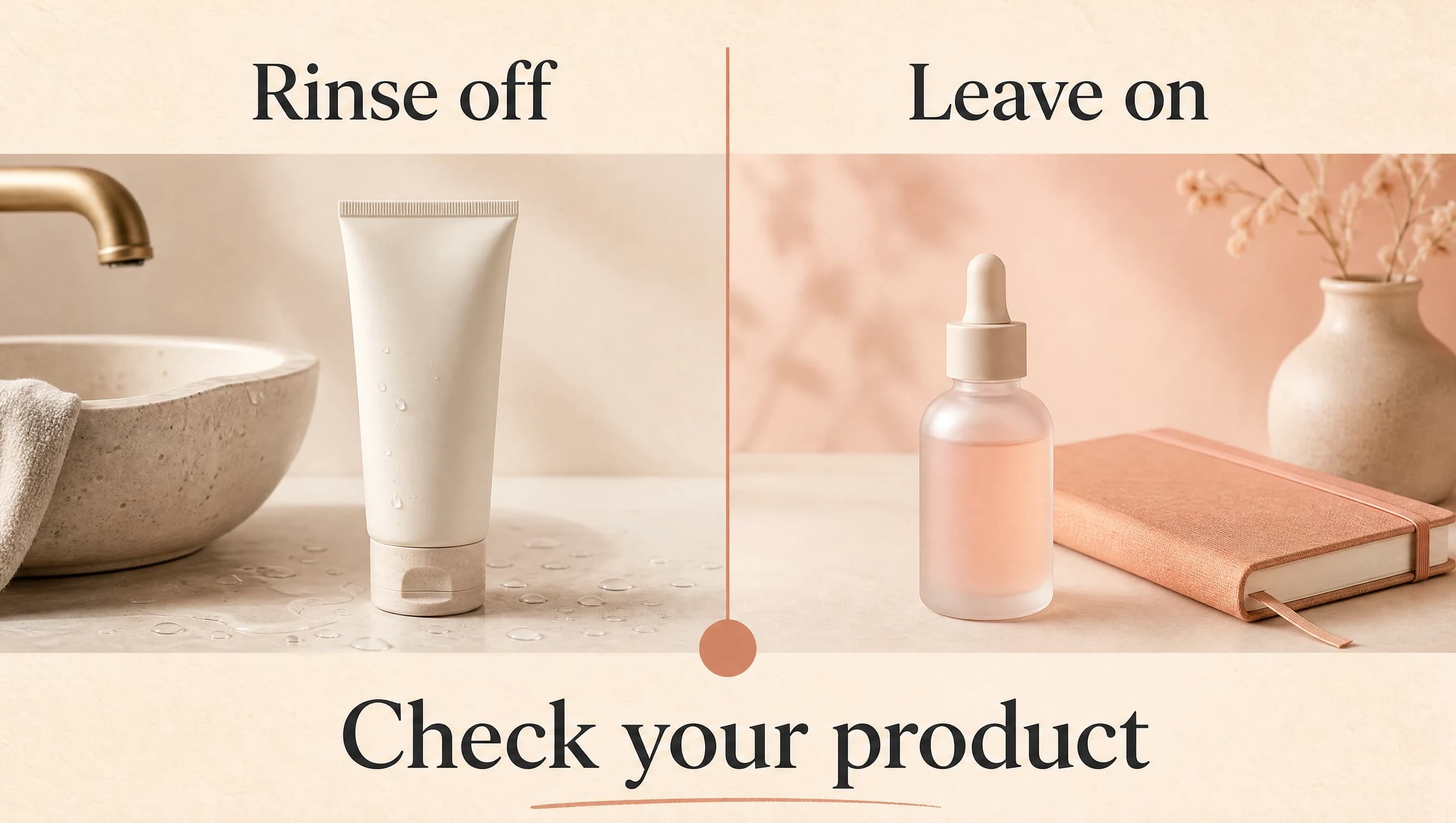
A salicylic-acid cleanser and a leave-on serum are different product decisions. Before adding either solution, check whether another step already contains an exfoliating acid or acne medicine. Our salicylic acid cleanser versus serum guide explains that distinction.
The US Solution label warns that dryness and irritation may be more likely when another topical acne medicine is used at the same time. Do not add both Ordinary solutions to create a stronger version of one step. If a prescribed treatment is involved, ask the prescriber or pharmacist before making changes.
For the broader routine question, our face-wash guide for blackheads helps you compare cleansing roles. It should not be read as evidence that more acid-containing steps are automatically better.
Use practical selection criteria
A useful comparison can focus on information you can actually verify:
- Prefer a water-based vehicle? Investigate the exact regional Salicylic Acid 2% Solution, including the unresolved directions discrepancy described above.
- Prefer the anhydrous, squalane-based vehicle? Investigate that named formula and its separate restrictions.
- For either: check current acne medicines and exfoliating products, then identify whether this leave-on step replaces a product or adds one.
- Use the actual package and manufacturer clarification for frequency; do not borrow the other formula’s instructions.
Our ingredient-list reading guide explains why list presence alone cannot quantify a formula's performance.
Know when to pause the comparison
The FDA's BHA guidance advises following label limits, using sun protection and stopping for irritation or prolonged stinging. The Anhydrous label additionally carries a sunburn alert. Those precautions remain relevant even when a product is described as gentle.
For easily irritated skin, read our sensitive-skin exfoliator guide before shopping. Our skin-cycling overview is background on organizing routines, not a schedule to impose over these specific directions.
Frequently asked questions
Does the same 2% mean the products are equivalent?
No. The vehicle, supporting ingredients and directions differ. The number alone cannot predict equal tolerance or results.
Is Anhydrous automatically suitable for sensitive skin?
No. Its reviewed label specifically warns against use on sensitive, peeling or compromised skin.
Which frequency should I follow if web sections disagree?
Use the package for your exact product and ask the manufacturer or a pharmacist to clarify any remaining conflict. Do not choose the highest frequency by default.
Sources
The Ordinary US: Salicylic Acid 2% Solution (theordinary.com) — https://theordinary.com/en-us/salicylic-acid-2-solution-acne-control-100098.html
The Ordinary US: Salicylic Acid 2% Anhydrous Solution (theordinary.com) — https://theordinary.com/en-us/salicylic-acid-2-anhydrous-solution-exfoliator-100442.html
FDA: Beta hydroxy acids (fda.gov) — https://www.fda.gov/cosmetics/cosmetic-ingredients/beta-hydroxy-acids
Clear guidance, checked before publication.
Solvi articles are structured by our editorial team and reviewed for clarity, consistency, and responsible health language. We update pages when guidance or product information changes.