Best face wash for blackheads: a practical salicylic guide


Introduction
For blackheads, prioritize salicylic acid (a BHA): sustained leave‐on BHAs usually move the needle more than a single rinse. A dedicated salicylic leave‐on or a low‐pH salicylic cleanser in the 0.5–2% range is the technical short answer; the rest of the work is choosing texture, frequency, and supporting products for your skin type.
This guide explains why BHAs are the active to watch, when a rinse‐off cleanser is enough, and how to choose a formula for combination skin without disrupting the skin barrier. Expect practical tradeoffs—cleansers give short contact time, leave‐ons give deeper comedone penetration, and most users benefit from pairing BHA with a light, non‐comedogenic moisturizer to prevent rebound oiliness.
How salicylic acid controls blackheads
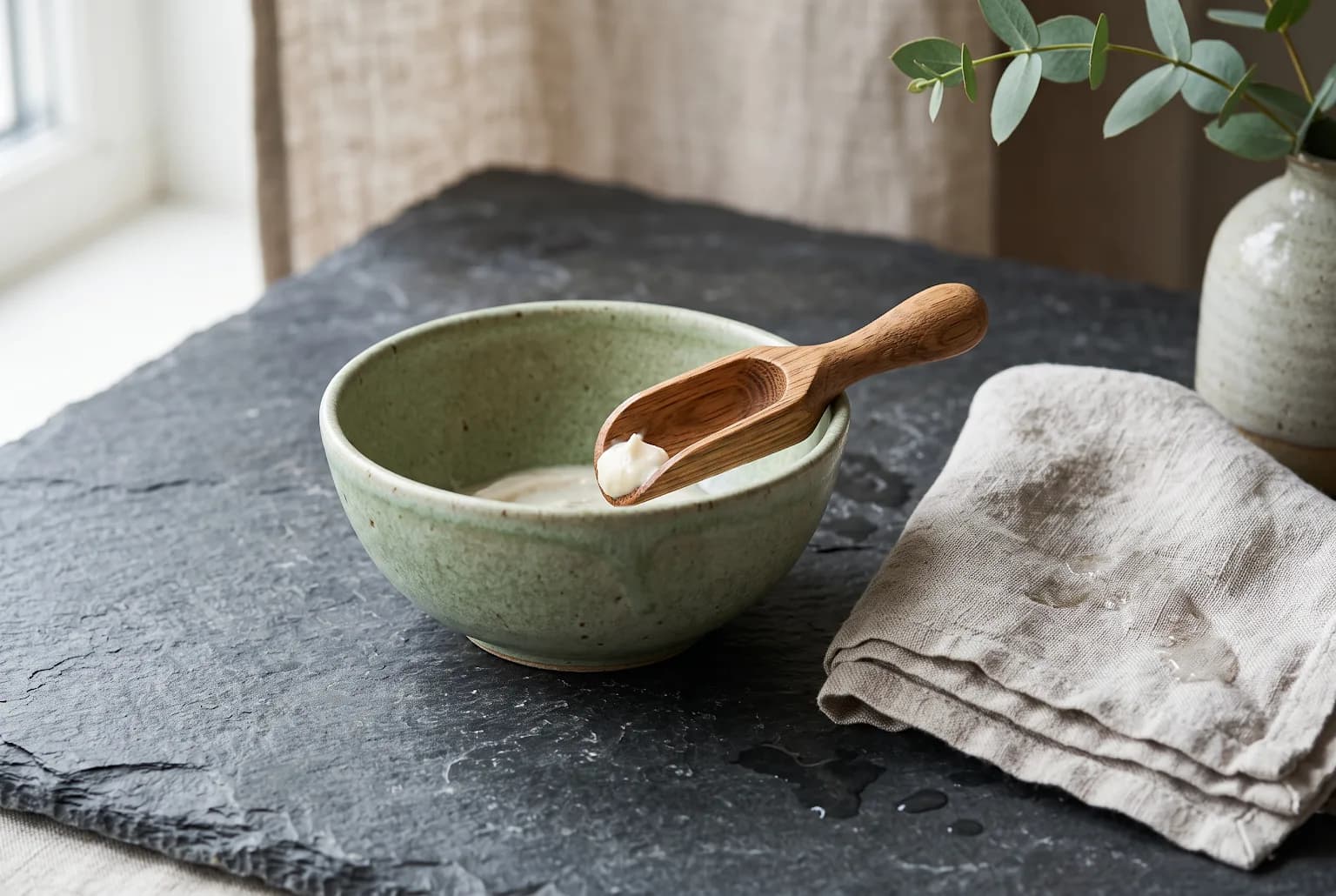
Salicylic acid is oil‐soluble, so it penetrates sebum and helps loosen the plug inside a comedo. This physics is why BHA is the go‐to for blackheads: it reaches into the pore rather than just exfoliating the surface. Concentrations in products range from gentle (about 0.5%) to stronger rinse‐off gels around 1–2%, and leave‐on solutions commonly sit at 2% for sustained activity.
Decision tradeoff: a salicylic face wash gives a short contact time and can be used daily if it’s gentle and low‐pH, but a leave‐on BHA (for example, a 2% liquid) provides longer contact and typically clearer pores over weeks. The research brief’s take: blackheads often respond better to leave‐on salicylic acid than brief‐contact cleansers, so treat wash format as helpful but not always sufficient.
Practical selection criteria: aim for 0.5–2% salicylic acid, a non‐stripping surfactant base, and a pH that allows BHA activity (many cleansers and leave‐ons are formulated to account for this). If your skin is combination, target oilier zones with BHA and keep drier areas hydrating.
Washes versus leave-on BHAs: what to choose
The core decision is contact time. A rinse‐off salicylic cleanser clears surface oil, helps with pore congestion, and reduces risk of irritation because it’s removed. Leave‐on BHAs are better for persistent blackheads because they continue to dissolve the comedone after you’ve washed your face.
Who should pick which: choose a gentle salicylic wash if you want low maintenance, have reactive skin, or need daily oil control across the whole face. Choose a leave‐on BHA if blackheads are resistant, or if you can tolerate a targeted nightly product. Many people use the two together—a salicylic or low‐pH cleanser in the AM and a 2% BHA liquid a few nights a week.
Cautions: start leave‐on BHAs 2–3× per week and increase frequency slowly to avoid dryness and irritation. Avoid stacking multiple strong exfoliants (for instance high‐percentage BHAs plus retinoids) without a buffer or dermatologist advice. Always pair with a non‐comedogenic moisturizer to reduce rebound oil production.
How to read labels and pick a cleanser
Scan ingredient lists for salicylic acid or “BHA” and check concentration when manufacturers list it (0.5–2% is the useful range). If the percentage is absent, look at marketing copy for “salicylic” or check retailer pages. Also prioritize: a low‐pH or pH‐balanced base, gentle surfactants (avoid strong sulfates), and non‐comedogenic claims.
Tradeoffs to watch: some formulas add clay or charcoal for extra oil absorption—helpful for oily zones but potentially drying if used too often. Products labeled “medicated” or “for acne” may contain higher salicylic levels but still be rinse‐off; the research brief lists CeraVe SA Cleanser and La Roche‐Posay Effaclar Medicated Gel Cleanser as rinse‐off examples to compare texture and base.
If you need a leave‐on fallback, look to dedicated BHA liquids and gels (Paula’s Choice 2% BHA Liquid and The Ordinary Salicylic Acid 2% solution are common-format examples in the brief). These are meant for sustained contact and are typically used less often at first. Preference examples: if you don’t tolerate leaving actives on skin, a gentle salicylic wash 1–2× daily plus targeted clay masks weekly can be the right compromise.
| Label clue | What it tells you | When it matters |
|---|---|---|
| "Salicylic acid (BHA)" | Active present; look for % | Must for comedone penetration |
| Low‐pH / pH‐balanced | Formula supports acid activity | Prevents barrier stripping |
| Non‐comedogenic | Less likely to clog pores | Important for blackhead-prone skin |
| Surfactant type (mild) | Gentler daily wear | For combination or reactive skin |
Textures and formats: gel, cream, foam, clay
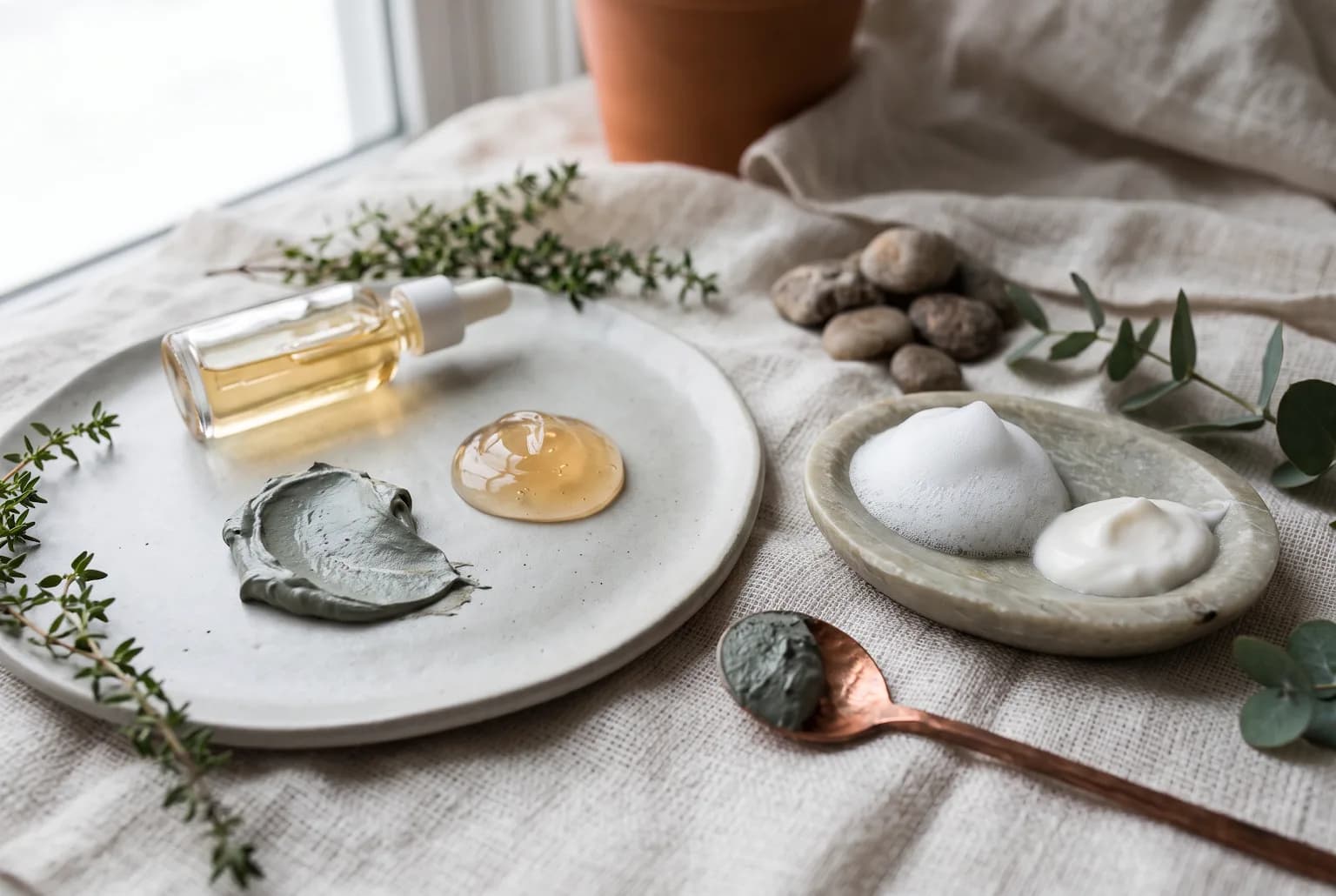
Texture is not just about feel—it's about how and where the active is delivered. Gel cleansers tend to contain water‐soluble bases with salicylic acid dispersed for quick contact; they feel lightweight and rinse clean. Cream cleansers are richer and better for drier zones; a cream with BHA is rare but can be gentler. Foams lift oil quickly and can be useful in T‐zone oiliness, though they sometimes rely on stronger surfactants.
Clay and charcoal are adjuncts: clay masks absorb surface oil and can help dislodge some comedones mechanically, but they don’t replace BHA’s chemical ability to dissolve the plug. Use clay masks occasionally—weekly—to avoid over‐drying. For combination skin, a gel or light foam for the T‐zone and a cream or hydrating cleanser for cheeks is a practical split routine.
Texture tradeoffs and examples: choose a gel or foam if you want visible oil control and quick rinse; choose a cream or balm if you need barrier support. If you want more intensive comedo treatment, pair a rinse‐off gel with a leave‐on 2% BHA applied only to congested zones at night.
A simple routine for combination skin with blackheads
A routine that balances oil control and barrier support works best for combination skin. Morning: gentle salicylic or low‐pH cleanser on oily zones, lightweight non‐comedogenic moisturizer across the face, and SPF. Evening: cleanse, then apply a leave‐on BHA 2% to the T‐zone or all over depending on tolerance, followed by a hydrating gel‐cream if you need moisture without clogging.
Example schedules by concern:
- Mild congestion: salicylic cleanser daily + BHA leave‐on 2×/week.
- Moderate congestion: salicylic cleanser in AM, BHA leave‐on 3–4×/week at night, moisturizer daily.
- Sensitive/combo: salicylic cleanser 3–4×/week, targeted BHA leave‐on only on oily zones 2×/week.
Layering notes: wait a few minutes after a water‐based BHA before applying an oil or heavy cream to maximize penetration. If you use a retinoid in the evening, alternate nights with BHA to minimize irritation rather than layering nightly without acclimation.
When to reduce frequency and avoid irritation
Irritation signs—persistent redness, stinging beyond the first few exposures, flaking that doesn’t settle—mean reduce frequency. The standard start is 2–3× per week for leave‐on BHAs and then increase every 1–2 weeks as tolerated. If a rinse‐off salicylic cleanser dries your skin, swap it for a gentler base or reduce daily use to alternate days.
Tradeoff management: less frequent use reduces irritation but slows results. If you experience rebound oil after cutting usage, bolster hydration with a non‐comedogenic moisturizer rather than increasing BHA frequency. Also avoid mixing multiple strong chemical exfoliants in the same routine without professional guidance.
For stubborn irritation, pause actives and return to a gentle, fragrance‐free routine. If problems persist beyond a few weeks, consider seeking medical advice; the AAD guidelines referenced in the research brief outline BHA and retinoid roles in comedonal acne management.
Shopping checklist and decision examples
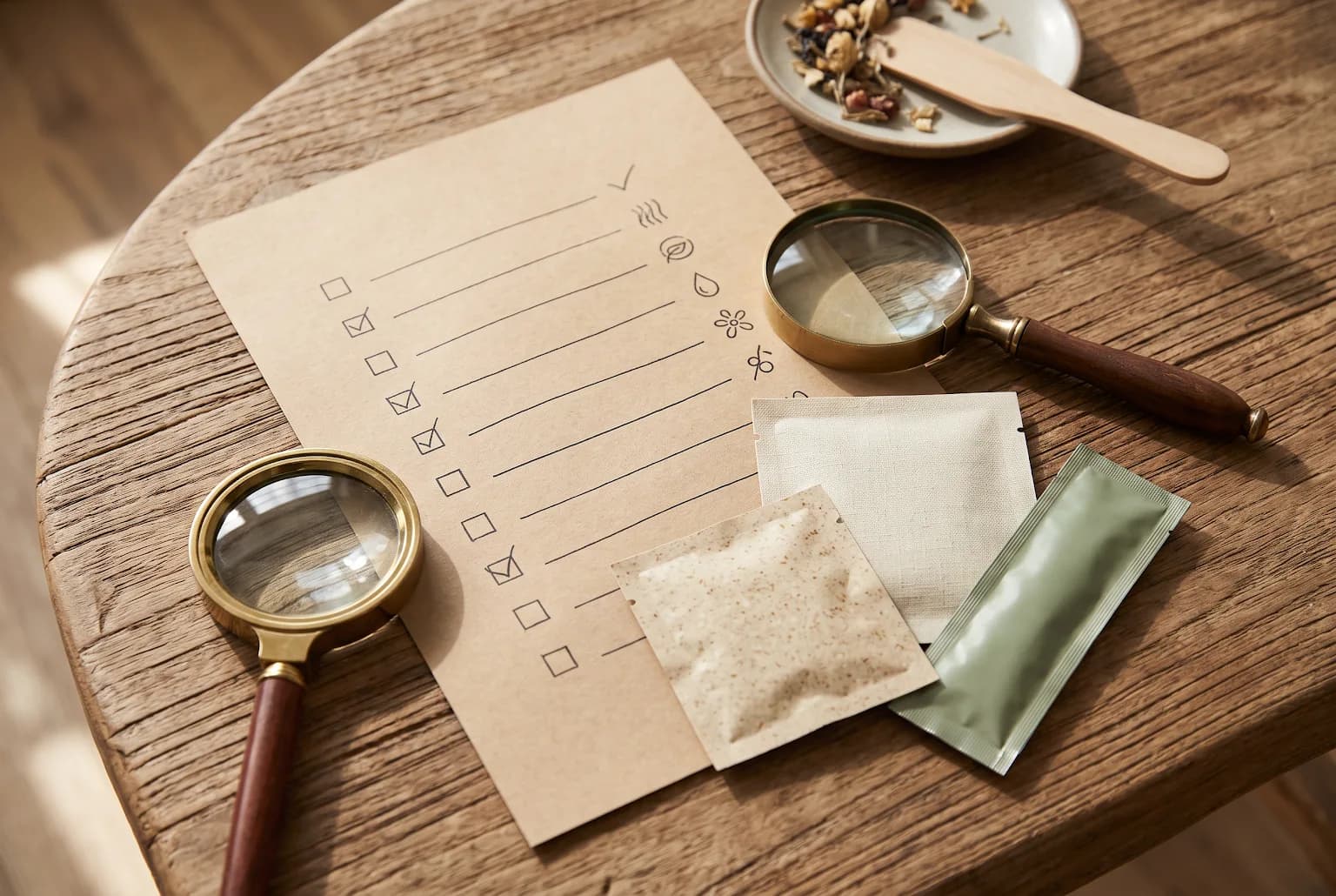
To pick the best face wash for blackheads, use this checklist: presence and % of salicylic acid (0.5–2%), gentle surfactant base, low‐pH or pH‐balanced claim, non‐comedogenic labeling, and user reports for blackhead reduction. Decide whether you want daily rinse‐off control or to pair a cleanser with a leave‐on BHA for deeper action.
Concrete decision examples:
- You have oily T‐zone with occasional blackheads and tolerate actives: choose a 1% salicylic gel cleanser for daily AM use and a 2% BHA leave‐on 3 nights a week.
- You have combination but reactive cheeks: pick a mild salicylic cleanser for the T‐zone and reserve a leave‐on BHA just for the nose and chin 2×/week.
- You prefer minimal steps: choose a gentle salicylic cleanser and add a weekly clay mask; monitor results for 4–6 weeks before switching formats.
Value considerations: a higher price doesn’t necessarily mean better delivery of salicylic acid. Compare ingredient lists and consider buying a small size or sample of a leave‐on to test tolerance before committing.
Frequently asked questions
How often should I use a salicylic acid face wash for blackheads?
Start with once daily or every other day if you have combination skin, and pay attention to drying. For rinse‐off cleansers, daily use is common if the base is gentle; if you see dryness or irritation, cut back to alternate days and prioritize a hydrating, non‐comedogenic moisturizer.
Is a salicylic cleanser better than a BHA serum for blackheads?
For immediate surface oil control a cleanser is useful, but for persistent blackheads a leave‐on BHA generally works better because it remains in contact with the pore. Many people alternate both formats to balance tolerance and efficacy.
Can I use clay masks instead of a salicylic face wash?
Clay masks can help remove surface oil and temporarily improve texture, but they don’t chemically dissolve the comedo like salicylic acid does. Use masks as an adjunct—weekly or every few days—rather than a direct substitute for BHA when blackheads are the primary concern.
What moisturizers pair best with BHA treatments?
Choose a lightweight, non‐comedogenic gel‐cream or lotion that contains ceramides or humectants (glycerin, hyaluronic acid) to support the barrier. For combination skin, gel‐creams offer hydration without heavy oils; for drier or reactive skin, richer ceramide creams used only on dry zones can help.
Related Reading
- Salicylic Acid Body Wash for Body Acne: The Smart, Low-Friction Way to Use It
- The best haircut for oval face shape men: a practical guide
- Azelaic Acid for Facial Redness: The Evidence-First Guide to Calmer-Looking Skin
Sources
- Harper's Bazaar — Best salicylic acid cleansers 2026 roundup
- DermApproved — Cleansers for blackheads and expert picks
- AAD / acne guideline recommendations (BHA, retinoids)
Internal links
- See our guide on sensitive cleansers for quieter daily washes:
- If your skin is combination, consider moisturizer choices in:
- Read about low‐friction salicylic body washes here:
- For barrier‐first cleanser options, check:
Clear guidance, checked before publication.
Solvi articles are structured by our editorial team and reviewed for clarity, consistency, and responsible health language. We update pages when guidance or product information changes.

Naomi Chen
Skincare Ingredients Writer. Naomi reads ingredient lists for fun and loves translating formulation language into advice that makes sense at the bathroom mirror. Hydration, barrier care, and sensitive-skin formulas are her favorite rabbit holes.