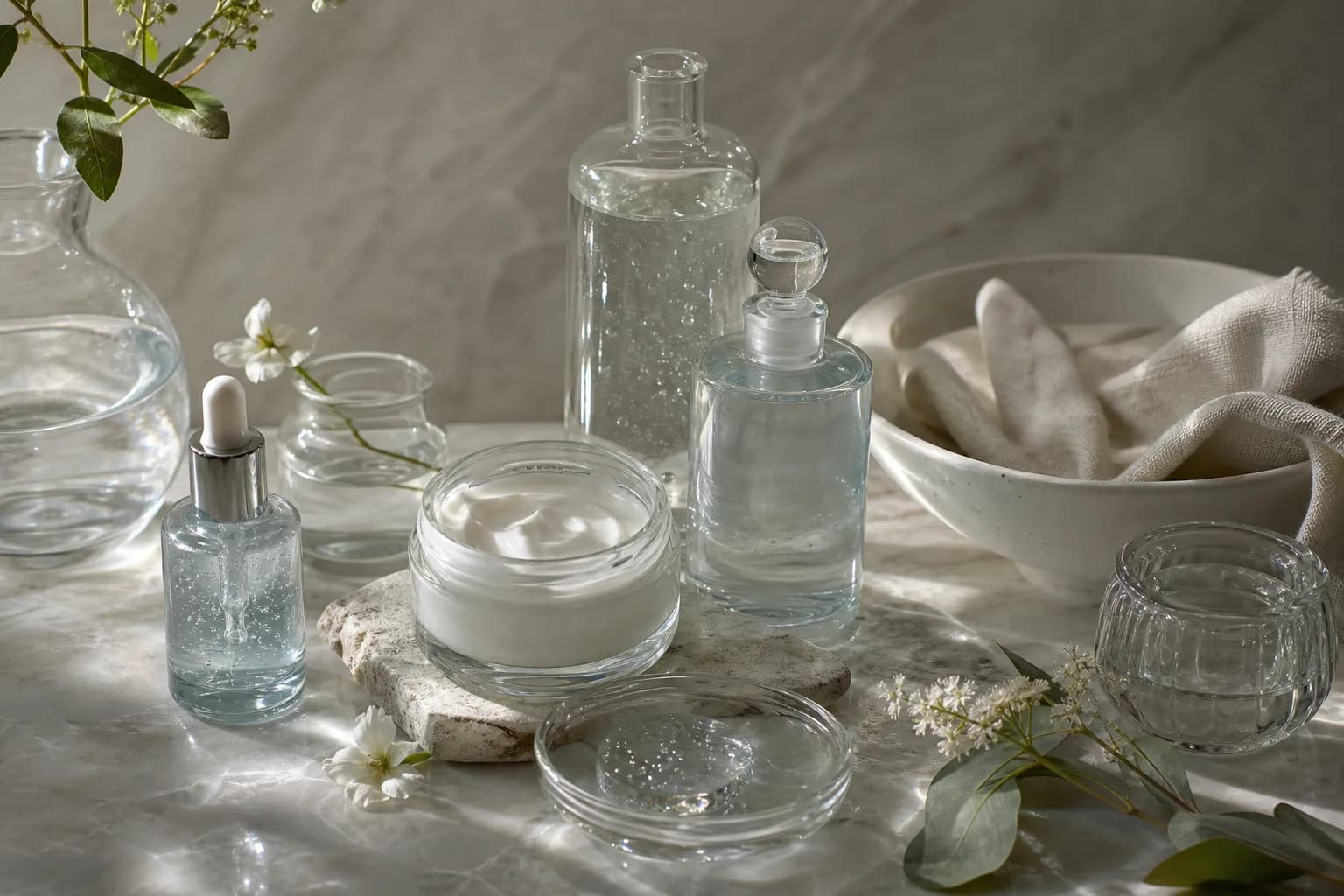
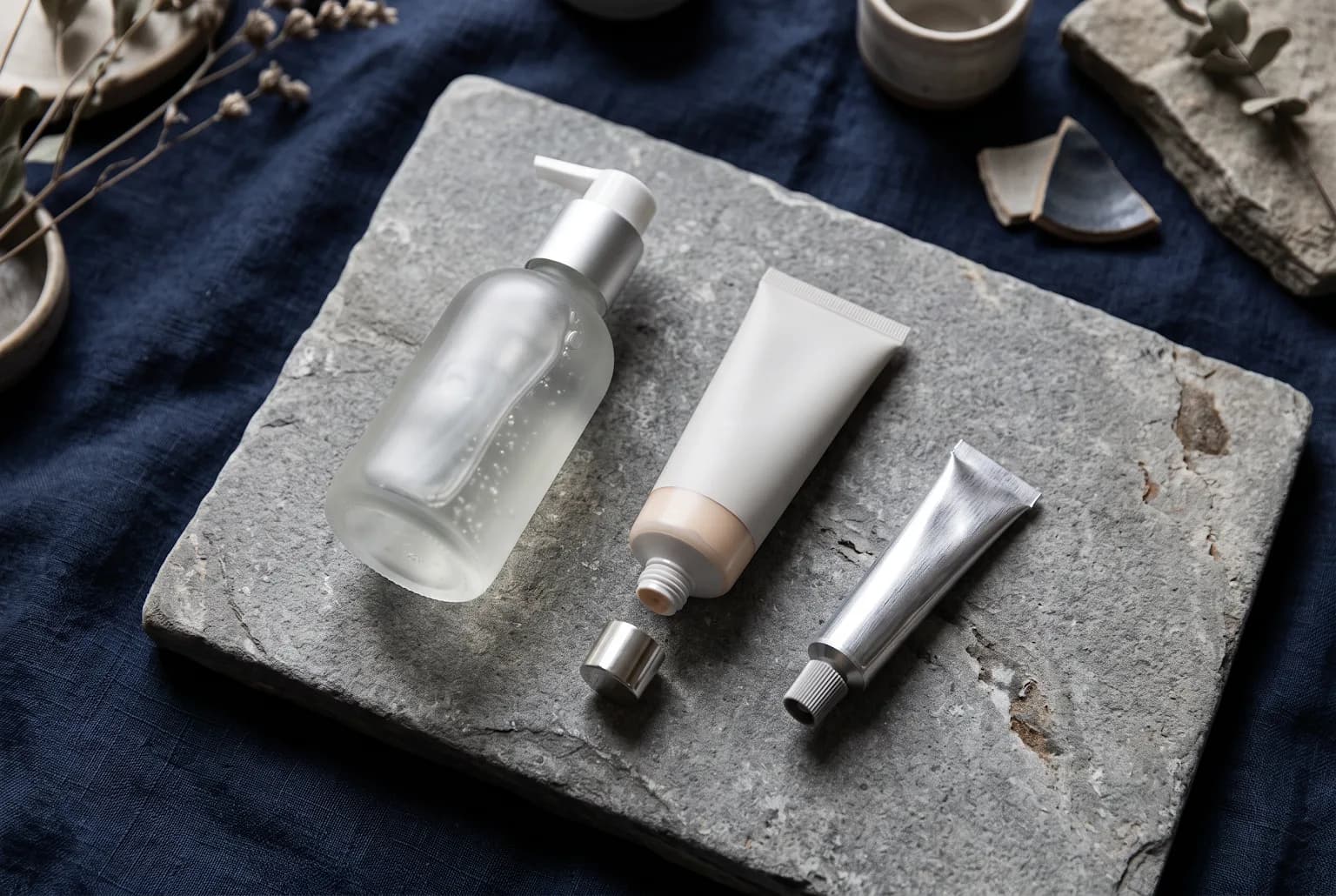
Skin Cycling Routine for Beginners: A Calm, Customizable Four-Night Plan
A beginner skin cycling routine spaces exfoliation and retinoid use between recovery nights, giving you a clearer way to introduce actives without turning every evening into a high-stakes experiment.


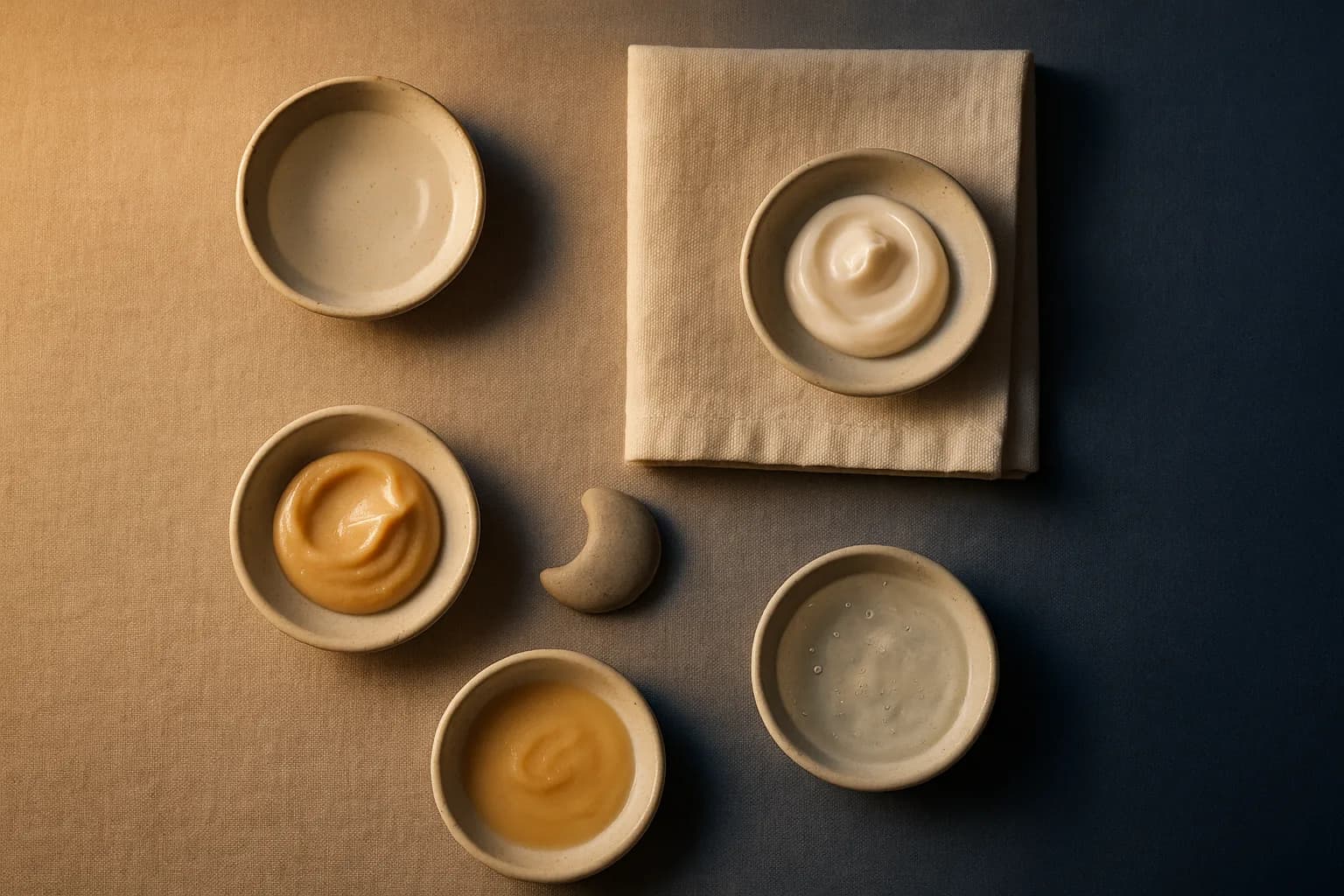
A skin cycling routine for beginners is a simple evening rhythm: one exfoliation night, one retinoid night, then two recovery nights with gentle moisture only. Its real advantage is not that four nights are magic—it is that the schedule gives potent steps room to breathe, so you can notice what your skin tolerates before adding more.
Think of skin cycling as a friction budget, not a challenge to complete perfectly. Acids and retinoids can be useful ingredients, but both may be irritating when introduced too fast or piled into an already-busy routine. The original four-night structure makes restraint visible: there is a place for treatment, and there is a place to stop treating. The concept itself has not been tested as one standalone regimen, but its building blocks—thoughtful exfoliation, gradual retinoid use, and moisturizer support—are grounded in standard dermatology guidance.
Skin cycling is a pace, not a purity test
The beginner version calls for only three roles at night: a gentle cleanser, one active chosen for that evening, and a moisturizer. That is intentionally less glamorous than a 10-step shelf, but it makes troubleshooting far easier. If cheeks start to sting, flakes gather around the mouth, or everything suddenly burns on contact, you know to remove intensity—not to buy another exfoliating toner.
A practical baseline looks like this:
- Morning, every day: gentle cleanse or rinse as preferred, moisturizer if needed, then broad-spectrum SPF 30 or higher.
- Evening, every day: gentle cleanse, follow the assigned night, and use moisturizer.
- For the first month: add no new acid, retinoid, scrub, peel pad, or strong acne treatment unless it is part of the plan.
- Keep exfoliation and retinoid separate: do not turn the calendar into permission to layer them together.
Daily sun protection belongs in the plan, especially when AHAs are involved. The FDA notes that cosmetic products with alpha hydroxy acids may raise sensitivity to the sun and advises sunscreen and other sun-protective measures during use and for a week afterward.
[Editor’s Note] The most successful beginner routine is often the one that feels almost too plain on recovery nights. Calm skin does not need to earn more steps.
The four-night beginner map

Start with the classic cycle and repeat it only when your skin feels comfortable. “Comfortable” means no persistent burning, escalating redness, raw patches, or widespread peeling—not merely that a product has dried down quickly.
| Night | Focus | The short routine | What to leave out |
|---|---|---|---|
| 1 | Exfoliation | Cleanser → one gentle chemical exfoliant → moisturizer | Retinoid, scrub, peel mask, benzoyl peroxide |
| 2 | Retinoid | Cleanser → retinoid → moisturizer | Exfoliating acids, scrub, peel pads |
| 3 | Recovery | Cleanser → hydrating layer if desired → moisturizer | All exfoliants and retinoids |
| 4 | Recovery | Cleanser → moisturizer, plus a balm on dry zones if wanted | All exfoliants and retinoids |
Night 1: exfoliation night
Choose one leave-on chemical exfoliant rather than a rough scrub. AHAs such as lactic or glycolic acid are often chosen for surface dullness and uneven-looking texture; salicylic acid, a BHA, is oil-soluble and is commonly used in acne-focused routines. Beginners do not need the strongest percentage or the most tingly format. In fact, tingling is not a scorecard.
If you are dry, sensitive, or acne-prone, the American Academy of Dermatology notes that mechanical exfoliation may be more irritating than a mild chemical option. It also cautions that more aggressive exfoliation can contribute to dark spots for some people, including people who tend to develop pigmentation after irritation or injury.
Apply your exfoliant to fully dry skin if the label allows, then seal the routine with moisturizer. If it is a rinse-off treatment, follow its instructions rather than extending the contact time. Skip the night entirely if your face is sunburned, visibly irritated, or compromised by a fresh procedure.
Night 2: retinoid night
This is your single retinoid evening—retinol in an over-the-counter cosmetic formula, adapalene where appropriate, or a prescription retinoid used exactly as directed by your clinician. Retinoid products vary by ingredient, strength, and vehicle, and local dryness, stinging, itching, and redness can occur early in use.
For a beginner, use a pea-sized amount for the entire face, avoiding eyelids, lip corners, and the creases beside the nostrils unless your prescriber has instructed otherwise. Let skin dry after cleansing first; damp skin can make an active feel more intense for some people. Follow with moisturizer, or use a thin moisturizer layer before and after the retinoid if your skin is easily unsettled.
Nights 3 and 4: recovery nights
Recovery is not “doing nothing.” It is the part of the routine that keeps your active nights from becoming an endurance sport. Use a fragrance-free moisturizer in the texture your skin will actually tolerate: a lotion or gel-cream for a lighter finish, a cream for more cushion, or a balm only on dry-prone areas if a full-face ointment feels heavy.
The goal is soft, settled skin by the next treatment night—not a glossy, heavily layered finish. AAD guidance notes that creams generally contain more oil and are thicker than lotions or gels, while ingredients such as ceramides and hyaluronic acid can be useful moisturizing cues to look for.
Build a three-product active wardrobe
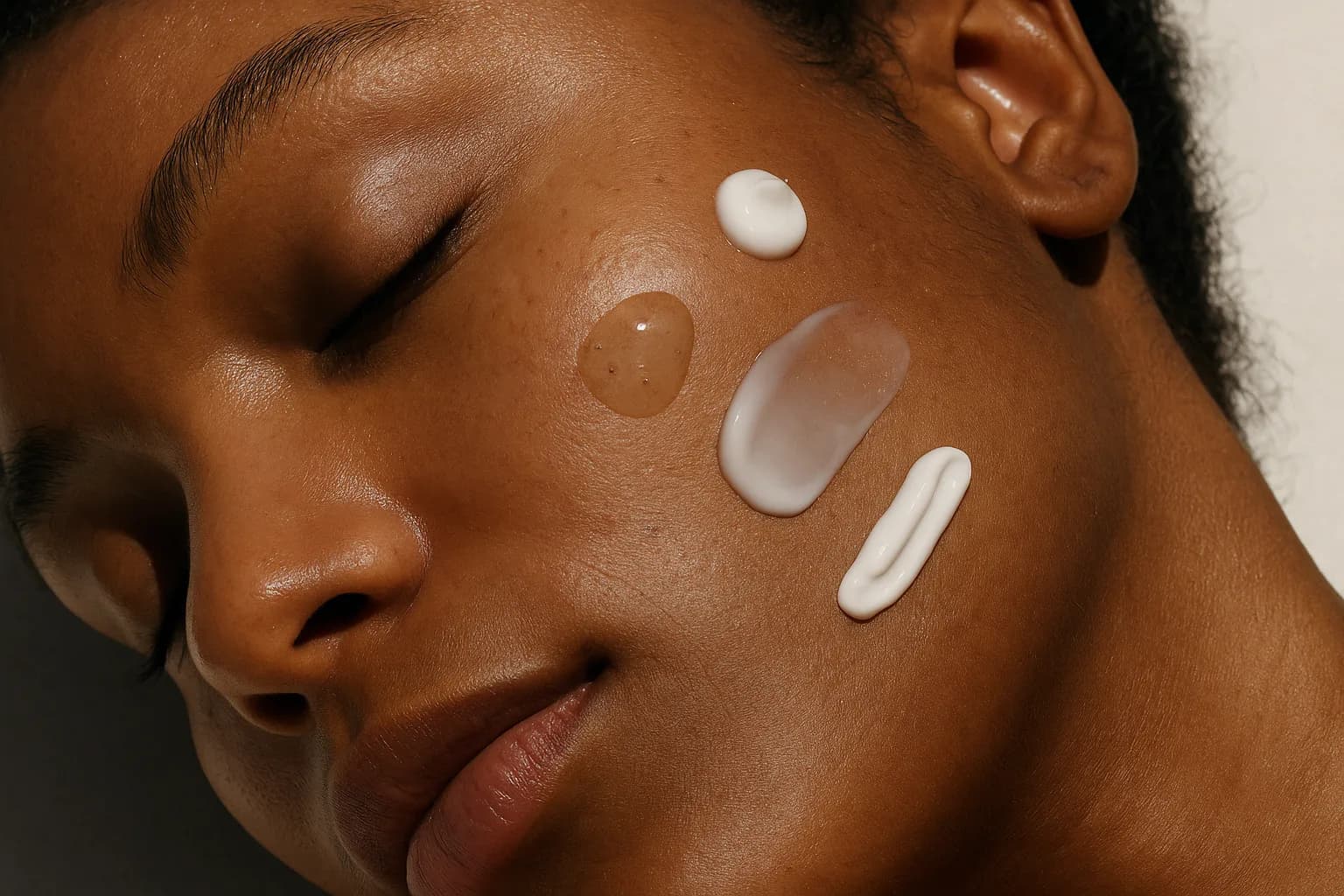
A skin cycling routine does not require a curated product collection. It requires three categories with distinct jobs, plus sunscreen in the daytime. When shopping, prioritize a formula’s format, compatibility, and repeatability over prestige packaging or dramatic claims.
| Category | Best beginner formats | Who may prefer it | Tradeoffs to consider | What to review on the label |
|---|---|---|---|---|
| Exfoliant | Low-strength leave-on liquid, serum, or rinse-off treatment | Liquid for lightweight layering; rinse-off for those who prefer less contact time | Pads can encourage overuse; scrubs add friction | One primary acid, clear frequency directions, no need for a second exfoliant |
| Retinoid | Cream, lotion, or encapsulated serum | Cream/lotion for dry-feeling skin; light serum for those who dislike richer textures | A more elegant texture does not automatically mean lower irritation | Specific retinoid named, usage directions, packaging that protects the formula |
| Moisturizer | Gel-cream, cream, or balm | Gel-cream for a weightless finish; cream for comfort; balm for targeted dry spots | Very rich ointments can feel too occlusive for some | Fragrance-free if sensitivity is a concern; humectants, emollients, and barrier-supportive lipids |
Choose the exfoliant by your actual concern
If your main concern is a congested-looking T-zone, a salicylic acid product may be the category you investigate first. If dullness and rough texture are the priority, a gentle AHA formula may make more sense. But if you are brand-new to retinoids, dealing with noticeable sensitivity, or already using a prescription acne treatment, the wisest first exfoliant may be none. Begin with retinoid and recovery nights; add exfoliation only after the routine is reliably comfortable.
Texture matters. A watery liquid disappears quickly but can be easy to over-apply. A serum gives more slip and may suit a drier complexion, although added botanical extracts or fragrance can complicate a reactive routine. Pre-soaked pads are convenient but make it tempting to swipe repeatedly. The valuable product is the one you can use at the intended cadence without creating a rebound of irritation.
Choose the retinoid by support, not bravado
Over-the-counter retinol is widely available, while adapalene may be sold over the counter or prescribed depending on the formulation, and tretinoin and other retinoids are prescription options. AAD notes that retinoids can be considered for mild acne, mild pigmentation irregularities, and mild fine lines, but also flags dryness, allergies, inflammation, and certain acne concerns as reasons to seek individualized dermatology advice.
Cream and lotion vehicles often feel more forgiving because they add emollient slip; a lightweight serum may appeal to someone who dislikes richer textures. Neither texture is universally “better.” Select the one you can apply in a thin, even film, then give it time. Do not judge a retinoid by how intensely it tingles.
The recovery-night edit

Recovery nights are where a beginner can make the routine feel tailored rather than clinical. Keep the sequence modest, then adjust texture—not treatment intensity—based on how skin feels.
- Cleanse gently. If you did not wear makeup or water-resistant sunscreen, a mild single cleanse may be enough for many people.
- Add a hydration layer only if it helps. A plain, non-exfoliating hydrating serum or essence can go on damp skin. Skip it if it pills, stings, or turns your routine into guesswork.
- Moisturize while skin is slightly damp. Use a gel-cream for a clean, weightless finish; choose a cream when skin feels tight or papery.
- Spot-seal dry areas. Press a small amount of bland balm over the corners of the nose, lips, or cheeks if those are your predictable dry zones.
Fragrance-free is a useful filter for easily irritated skin, though it is not a universal guarantee that a product will suit everyone. The AAD specifically recommends gentle, fragrance-free skin care for dry or sensitive skin and advises cream or ointment textures when dryness is more pronounced.
Avoid calling every dry spell “purging.” A breakout pattern can have many causes, while burning, stubborn tenderness, pronounced redness, cracking, or peeling are clearer signals to simplify. Return to cleanser, moisturizer, and daytime sunscreen until your skin settles, then reintroduce only one active night at a time.
Personalize the calendar without escalating
The four-night schedule is a starting line, not a mandate. Your best cycle may be longer. In beginner skincare, an extra recovery night is an adjustment—not a failure.
If you are dry, reactive, or new to all actives
Try a five- to seven-night loop: exfoliation once, retinoid once, then three to five recovery nights. Or start even more conservatively with a retinoid night and recovery nights only, holding off on acids. This is especially sensible if you already use strong acne treatments, have a history of reacting to products, or are navigating a season of cold, dry air.
If you are oily or accustomed to a simple active
You may still prefer the full four-night rhythm. Do not assume oiliness means unlimited tolerance: tightness, sting, and flaky makeup are signs that the routine has become too stripping. A lightweight gel-cream can make recovery nights feel more wearable without deleting them.
If you use prescription treatment
Let the prescription directions outrank any social-media schedule. A clinician may recommend a different frequency, may ask you to avoid certain acids, or may build a routine around a specific concern. Do not add a new exfoliant just because the calendar has an exfoliation slot.
When to pause and get individualized guidance
Pause active products and consult a dermatologist or other qualified clinician for persistent irritation, swelling, rash-like changes, painful acne, or concerns that are not improving. Retinoids should not be used during pregnancy; if you are pregnant, trying to conceive, or breastfeeding, ask your obstetric or dermatology clinician what is appropriate before using a retinoid product.
The most polished version of skin cycling is the one that eventually becomes quiet: fewer competing actives, fewer surprise reactions, and a moisturizer you reach for without hesitation.
Related reading
- Retinol Sandwich Method: A Gentler Routine
- Fine Lines Treatment: A Practical Routine
- Normal Skincare Routine: Simple, Flexible Steps
Frequently asked questions
Can beginners skin cycle without an exfoliant?
Yes. A retinoid night followed by several recovery nights is a simpler starting point, especially if your skin is dry, sensitive, or already adjusting to another treatment.
Can I use vitamin C in a skin cycling routine?
Many people reserve vitamin C for morning, but formula tolerance varies. Keep it out of your initial evening cycle so you can clearly assess your acid and retinoid nights.
How long should I try a beginner skin cycling routine?
Give the simplified routine several weeks before changing multiple variables. If irritation appears, extend recovery immediately rather than trying to “push through.”
Can I use a face scrub on exfoliation night?
A gentle chemical exfoliant is generally the easier beginner choice. Physical scrubs and brushes add friction, which can be too irritating for dry, sensitive, or acne-prone skin.
Sources
- American Academy of Dermatology
- U.S. Food and Drug Administration
- Ohio State Health & Discovery
- PubMed: *Topical Retinoids in Acne Vulgaris: Update on Efficacy and Safety*
- MotherToBaby (NCBI Bookshelf)
Clear guidance, checked before publication.
Solvi articles are structured by our editorial team and reviewed for clarity, consistency, and responsible health language. We update pages when guidance or product information changes.

Naomi Chen
Skincare Ingredients Writer. Naomi reads ingredient lists for fun and loves translating formulation language into advice that makes sense at the bathroom mirror. Hydration, barrier care, and sensitive-skin formulas are her favorite rabbit holes.