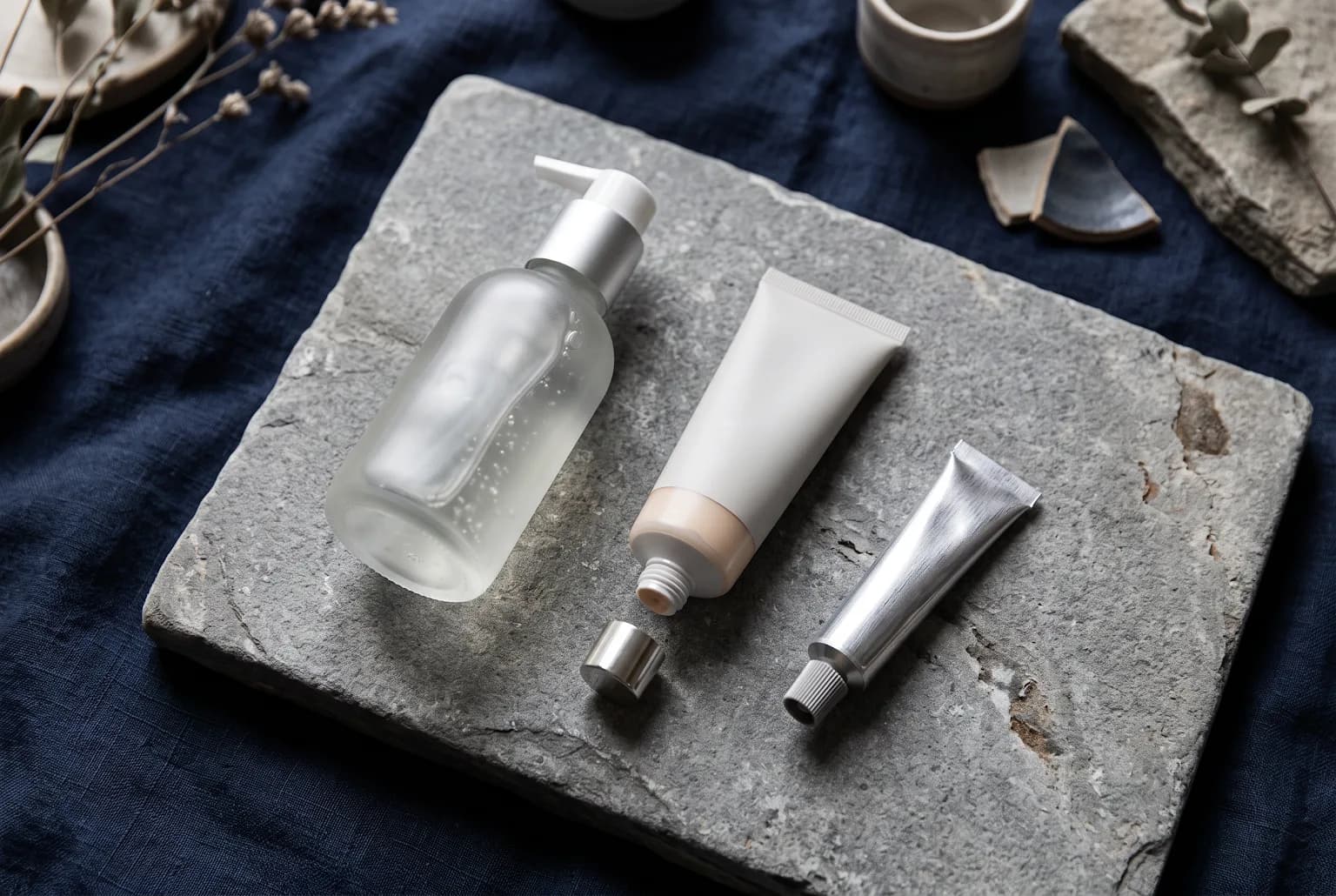
The barrier-first glass skincare routine: a practical layering guide


A barrier-first approach to glass skincare routine
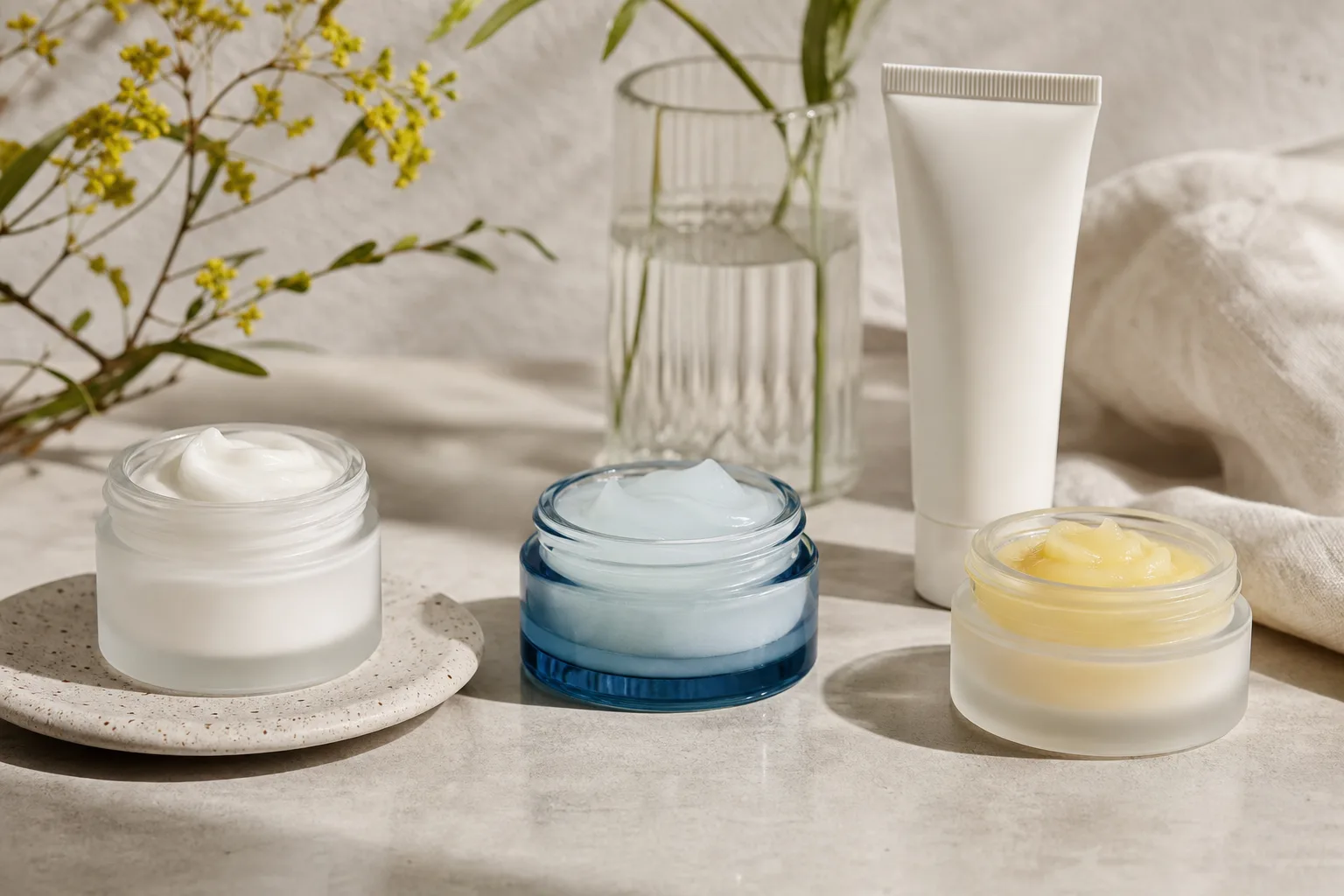
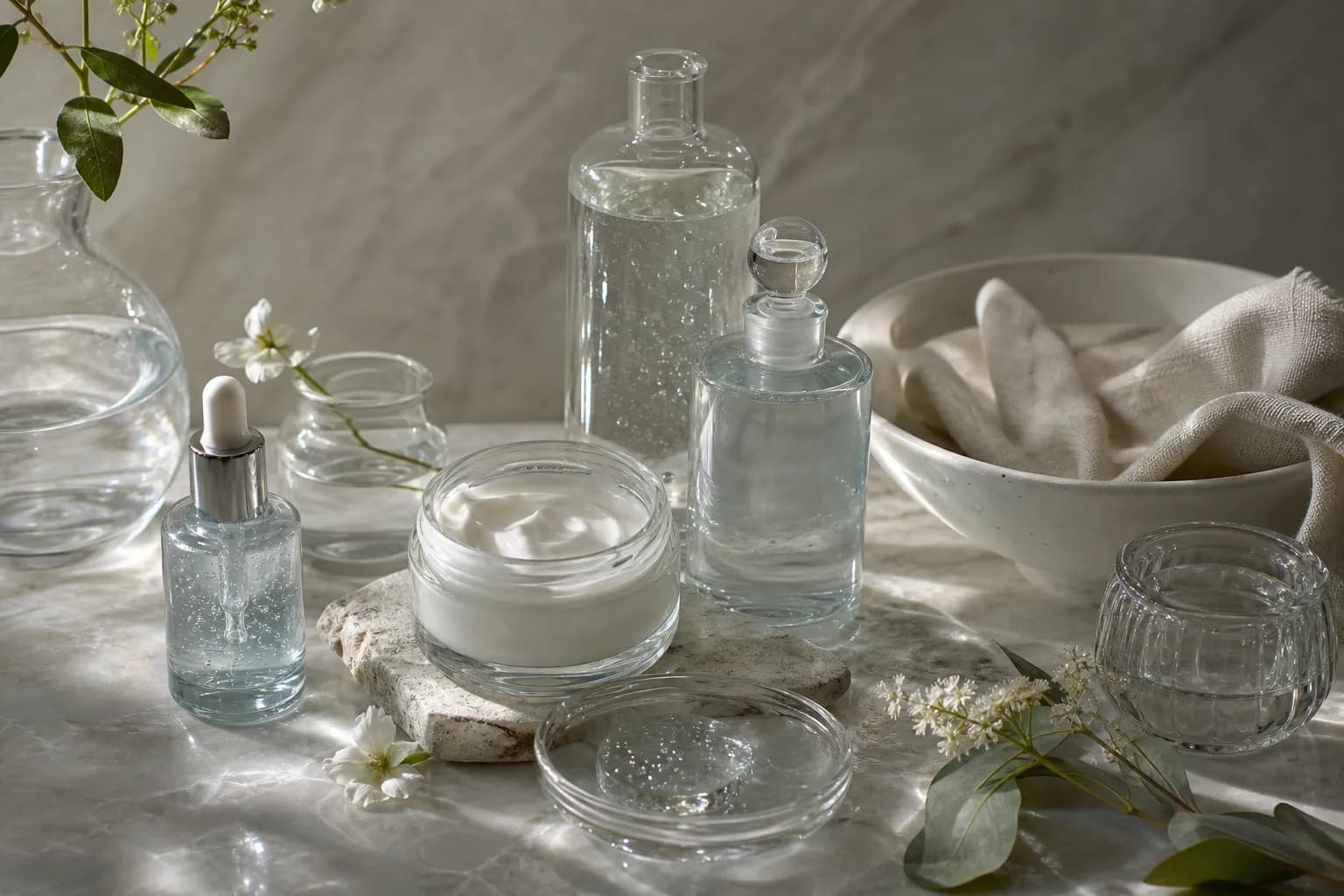
To achieve the glass-skin aesthetic, start with a barrier-first mindset: consistent cleansing, layered hydration, and daily sun protection. Glass skin describes a dewy, high-reflection finish rather than a medical outcome, so the routine focuses on even texture and surface luminosity achieved through moisture and gentle care. Double-cleansing when you wear sunscreen or makeup is sensible; otherwise, a single gentle cleanser can preserve lipids.
For shopping and product format choices, use this guide for context: A practical guide to Korean skincare routine products. Decisions should weigh texture (light gel vs rich cream), ingredient function (humectant vs occlusive), and your seasonal needs. If you’re choosing between a gel-cream and a light emulsion, pick the gel-cream for drier winter skin and the emulsion if you have combination or oilier skin.
Keep in mind the tradeoffs: more layers can amplify hydration but also increase time and potential incompatibilities. Use fewer targeted actives if your barrier shows redness or irritation; recovery should outrank speed. Weekly sheet masks supply an immediate dewy boost but won’t replace steady layering and sunscreen.
hero
How to layer for the glass-skin look
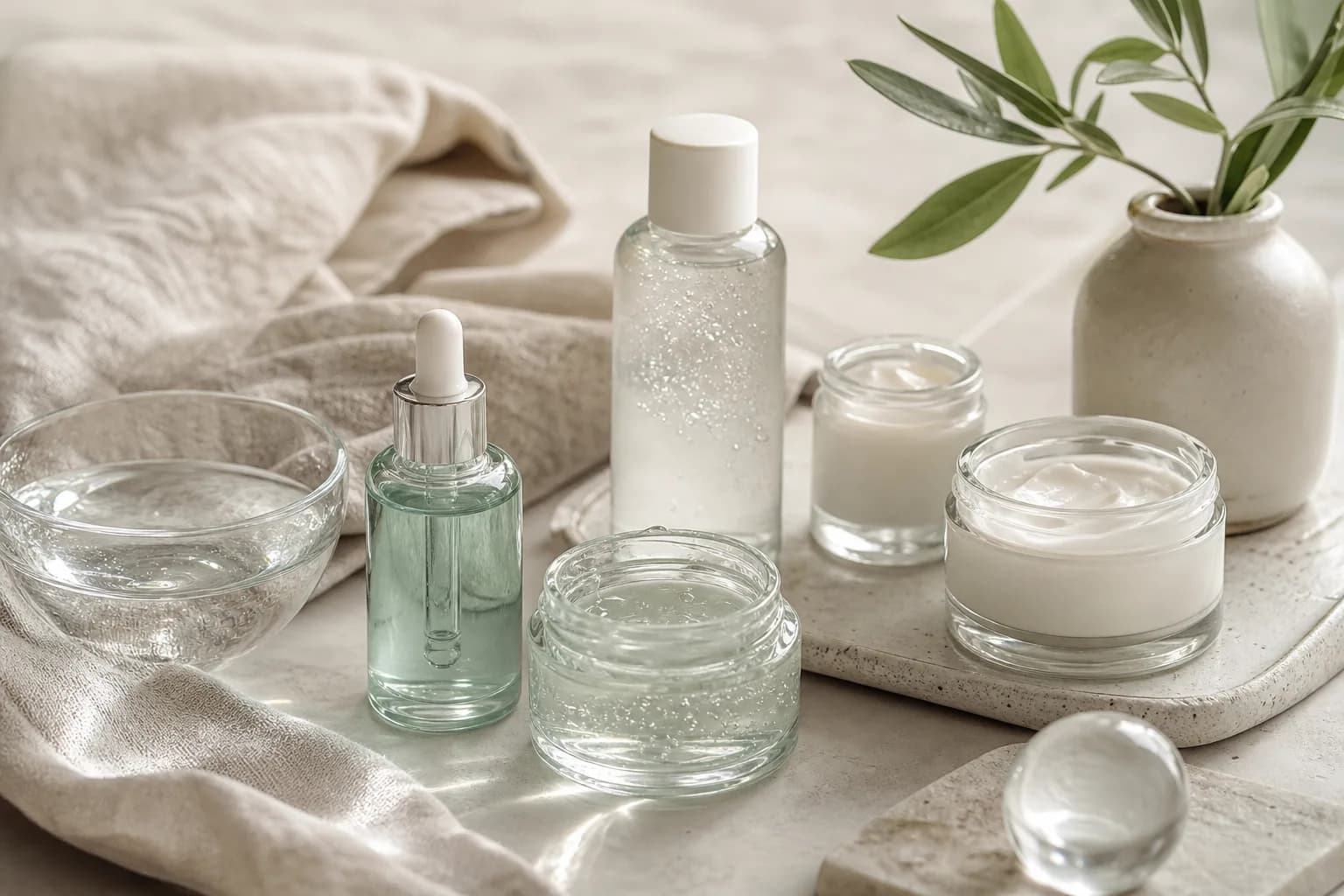
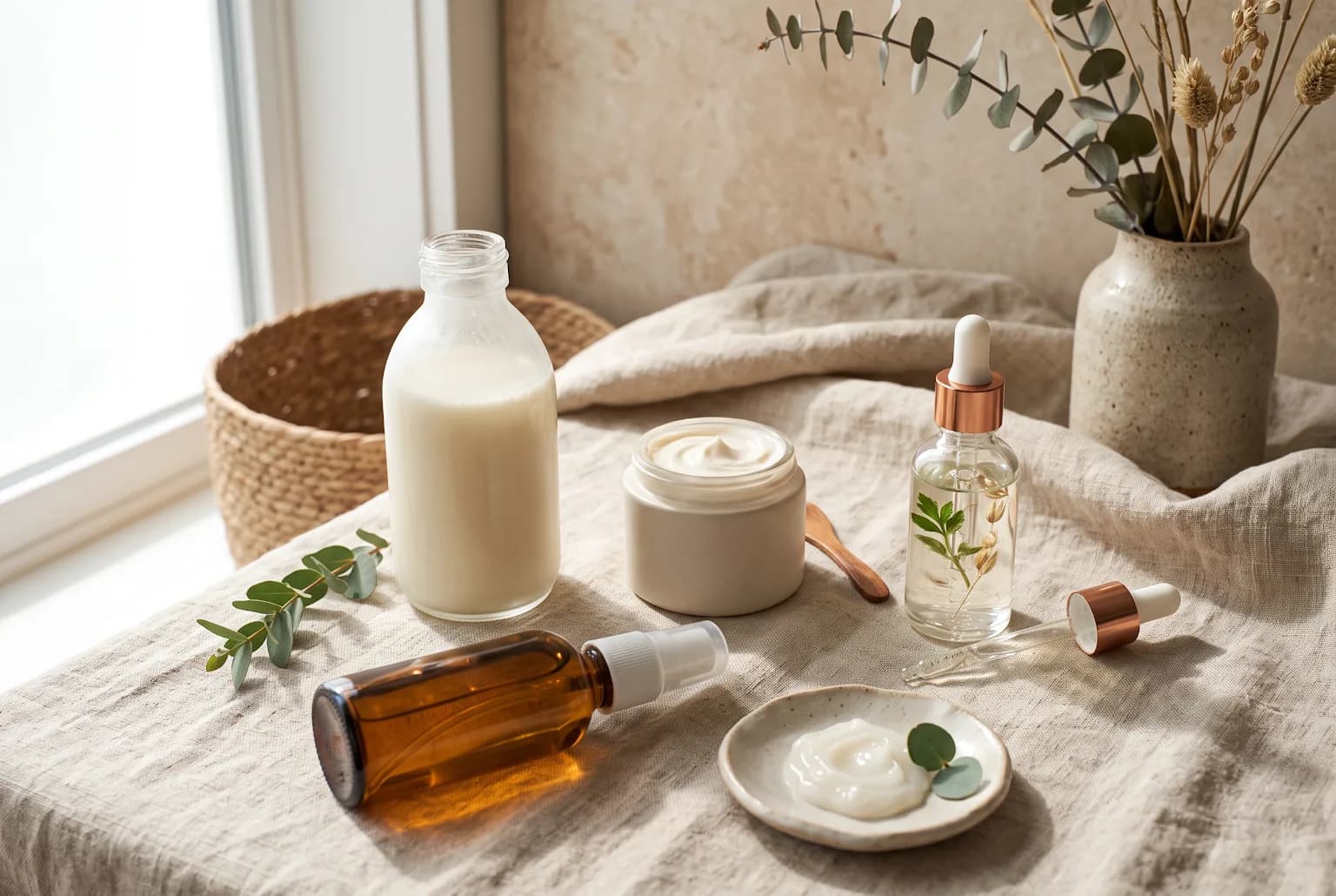
Layering is the practical heart of the glass skincare routine: each product adds a discrete function—cleanse, hydrate, correct, seal, protect. Start with a lightweight humectant toner or essence (niacinamide or hyaluronic acid), follow with a thin serum for targeted needs (a vitamin C in the morning or a hydration serum at night), then finish with a moisturizer to bind moisture into the skin. In the AM, always end with broad-spectrum SPF.
Texture matters for how layers sit. Apply water-light toners and essences to damp skin to increase penetration; apply thicker serums and creams by patting rather than rubbing to avoid disturbing prior layers. If you add a vitamin C serum in the morning, let it absorb for 60–90 seconds before sunscreen for even distribution and to reduce pilling.
Tradeoffs: heavier occlusives create longer-lasting dew but may feel greasy for oily skin. Lightweight silicones in primers and some moisturizers can amplify reflectivity but may trap sebum in acne-prone skin; consider a balancing emulsion instead. For more on tailoring routines, see our morning routine primer: A Good Morning Skincare Routine That Does the Most With Less.
how-to-layer-for-the-glass-skin-look
Double cleanse and why it matters
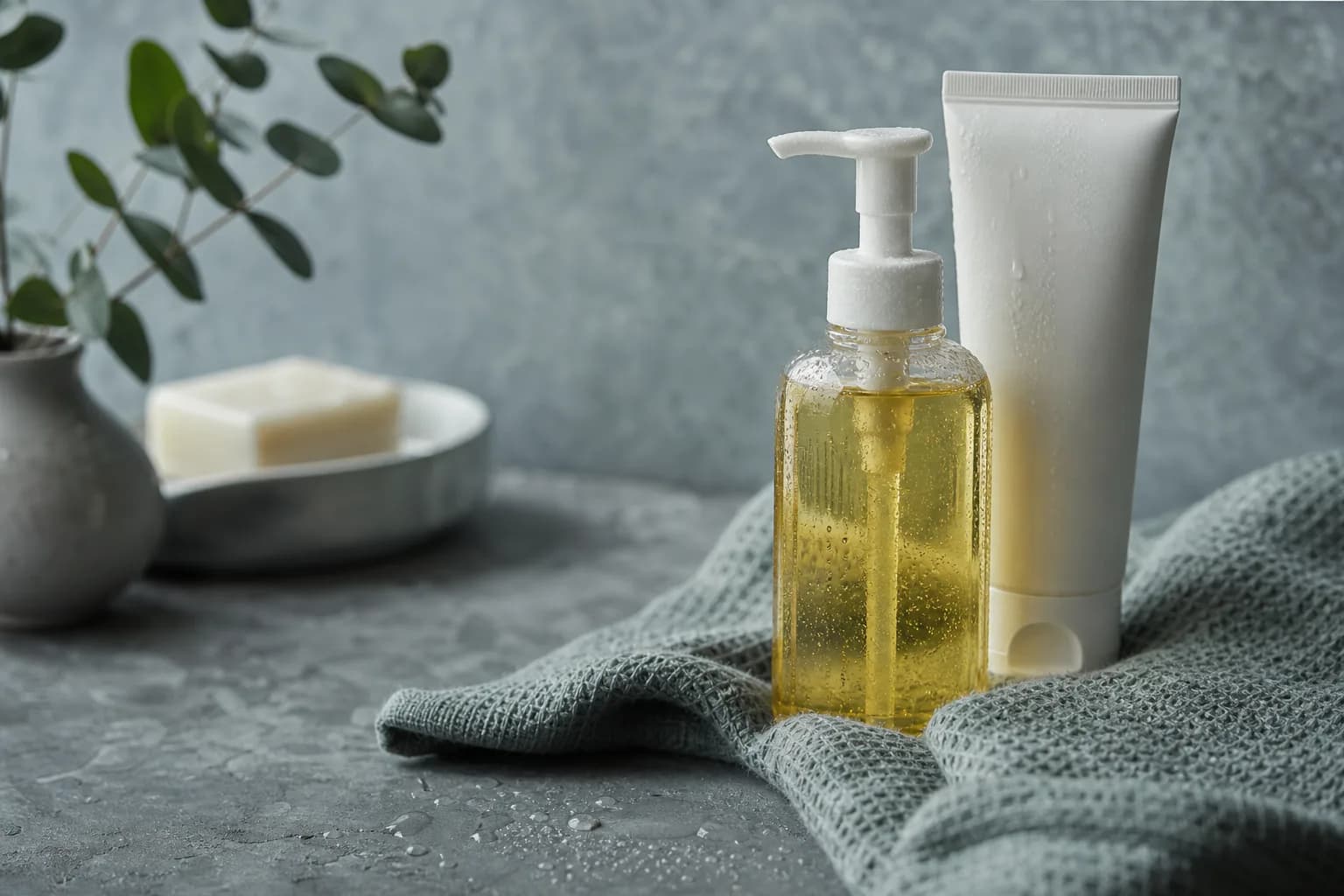
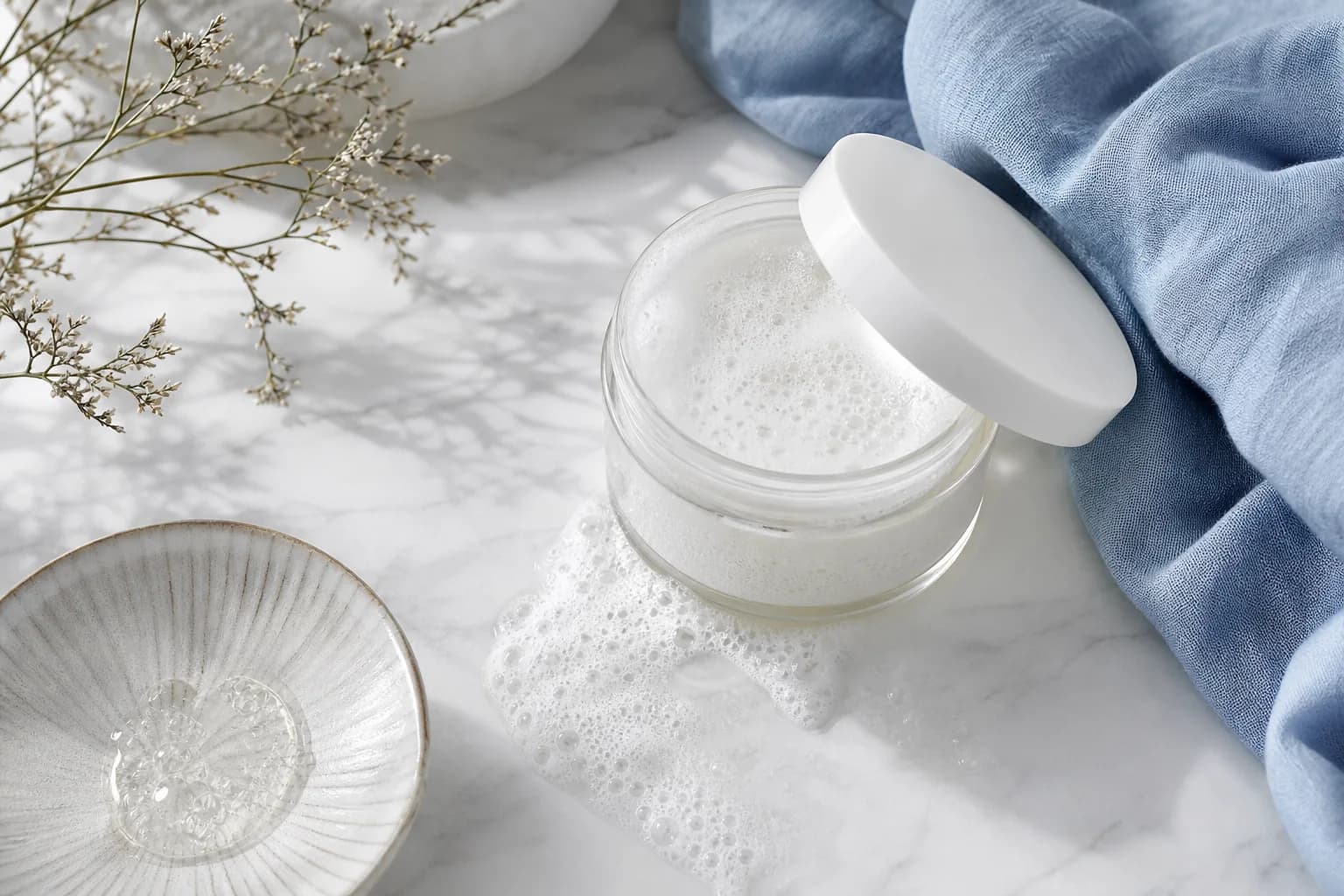
Double cleansing is the anchor step when you wear sunscreen or makeup: the first pass with an oil-based cleanser removes SPF, pollution, and makeup; the second with a gentle foam or gel cleanser clears residual oils and surface sweat. If you don’t wear SPF or makeup, a single, gentle cleanser in the evening can be enough to avoid over-stripping.
Textures and tradeoffs to consider: oil cleansers range from balm to lightweight cleansing oils. Balms melt makeup effectively but require emulsifying and full rinsing; lightweight oils feel less heavy on the skin and rinse clean. Follow with a low-foam gel or creamy cleanser depending on skin type—creamy cleansers suit dry or sensitive skin while gel formulas work better for combination to oily types.
If irritation or tightness follows cleansing, pause active exfoliants and switch to a creamier second cleanser for a few weeks. Double-cleansing helps surface clarity but can accelerate barrier breakdown if both steps are harsh. Prioritize gentle, non-foaming formulas when possible and limit oil cleansers only to evenings when needed.
double-cleanse-and-why-it-matters
Choosing hydrating toners, essences and serums
The hydrating stack is the foundation of glass skin: a humectant-rich toner or essence, followed by a lightweight serum. Humectants—hyaluronic acid, glycerin, panthenol—pull water into the skin; niacinamide smooths texture and can help with tone when used consistently. For value and ease, pick an essence with both humectants and a skin-brightening booster like low-concentration niacinamide.
Serum choice depends on timing and concern. In the morning, consider a stable vitamin C derivative if antioxidant protection and brightening are priorities. In the evening, a pure hydrating serum with multiple molecular weights of hyaluronic acid keeps the surface glassy without increasing sensitivity from exfoliants. If hyperpigmentation is a target, combine consistent sunscreen with targeted actives rather than layering many actives at once.
Use the table below to compare formats and textures so you can decide which fits your routine and budget.
| Product format | Typical texture | Who it suits | How to layer |
|---|---|---|---|
| Essence / hydrating toner | Water-like to light gel | All skin types; best for layering | Apply to damp skin immediately after cleansing |
| Lightweight serum | Serum to light gel | Targeted concerns (vitamin C, peptides) | Tap onto face after essence; wait 30–90 seconds |
| Concentrated treatment | Viscous serum/ampoule | Specific concerns (dark spots) | Use sparingly; night use or on alternate days |
| Sheet mask | Serum-saturated sheet | Quick hydration boost | Use weekly; press remaining essence into skin |
Choosing between brands and price points often comes down to concentration and delivery technology. A well-formulated, inexpensive hyaluronic serum can perform as well as a premium option if the molecular weights vary. If you’re using multiple serums, thin-to-thick application order prevents pilling and improves layering efficiency.
Moisturizers, seals and sunscreen: morning vs evening
Moisturizers and seals lock in the layered hydration that creates a reflective surface. Morning routines should favor lightweight gel-creams or emulsion moisturizers that provide hydration without excess shine under SPF. Evening is the time to use richer creams or occlusive balms for overnight barrier repair—this helps maintain skin elasticity and depth of glow over time.
Sunscreen is non-negotiable for the glass look. UV damage increases texture irregularities and pigmentation that reduce surface reflectivity; daily broad-spectrum SPF preserves the glossy finish you build with hydration. Chemical or mineral formulas work—pick one that layers well over your moisturizer without pilling.
Texture tradeoffs: mineral sunscreens can blur texture but sometimes leave a cast; modern chemical filters are thinner but can interact with some active antioxidants. If layering causes pilling between serum and SPF, switch to a thinner moisturizer or allow extra wait time between steps. For travel or quick mornings, a moisturizing sunscreen (an SPF that doubles as your final moisturizer) can save time while keeping protection consistent.
Exfoliation, actives and when to slow down
Exfoliation helps smooth surface texture, but overuse undermines the barrier. The glass-skin approach favors gentle, infrequent exfoliation: a BHA/ AHA session once a week to start, increasing only if the skin tolerates it. Chemical exfoliants provide controlled resurfacing; physical scrubs are higher risk for microtears and should be avoided if your goal is long-term reflectivity.
Active ingredients like retinoids and acids accelerate texture improvement but can cause transient dryness and flaking. Introduce one active at a time and pause if you notice stinging, persistent redness, or barrier compromise. If you need faster results for texture, prioritize a short course of gentle, low-concentration chemical exfoliation and pair it with nightly barrier repair creams.
Decision examples: if you have oily skin with visible pores, include a weekly 1–2% salicylic acid product and a lightweight retinoid every other night. If you have dry or sensitive skin, opt for enzymatic or very low-concentration AHA and focus on ceramide-rich moisturizers. Results are measured over weeks—avoid expecting instant glass skin from a single treatment.
Practical routines by skin type (three quick examples)
Here are concise, decision-focused routines that show how format and layering change by skin type. Each routine is practical and prioritizes barrier care over aggressive actives.
- Dry skin: Double cleanse at night with oil then creamy cleanser; hydrating essence; hyaluronic serum (multi-weight); ceramide-rich cream; occlusive balm as needed at night; morning: lighter cream + SPF.
- Combination/oily skin: Gentle gel cleanse morning and night; hydrating toner; thin niacinamide serum to regulate oil and texture; lightweight gel-cream moisturizer; mattifying SPF in AM.
- Sensitive skin: Single gentle cleanser; soothing essence with panthenol; minimalist hydrator (glycerin + squalane); ceramide-based moisturizer; mineral SPF if chemical filters sting.
For step-by-step morning and evening routines using the glass-skincare layering, these choices demonstrate textures and tradeoffs that match specific needs. If you want lower friction in the morning, combine your moisturizer and SPF into one product that performs both roles. For more on dry-skin moisturization, see our deeper guide: The best dry skin guide: moisturizers, routines, and what to buy.
Frequently asked questions
How long does it take to see glass skin?
There’s no overnight fix—glass skin develops as hydration, texture, and sun protection improve. Expect several weeks of consistent layering and sun protection for visible smoothing and luminosity. Immediate brightness can come from sheet masks or lightweight oils, but lasting change requires moisture retention, barrier repair, and gentle exfoliation over time.
Can oily or acne-prone skin achieve glass skin?
Yes—oily and acne-prone skin can achieve a reflective, even surface by prioritizing lightweight, non-comedogenic hydrators, regular but gentle cleansing, and sun protection. Avoid heavy occlusives that trap sebum; use water-based hydrators, targeted actives like 1–2% salicylic acid, and barrier-supporting moisturizers to maintain balance.
Should I use vitamin C every morning for glass skin?
Vitamin C can brighten and protect, and a stable, well-formulated derivative used in the morning supports the glass finish by evening out tone. If vitamin C causes sensitivity, switch to a gentler antioxidant or relocate vitamin C to alternate days. Always pair it with sunscreen—no antioxidant replaces daily SPF.
How often should I exfoliate to improve texture without damaging the barrier?
Start conservatively: one gentle chemical exfoliation session per week. If the skin tolerates it with no redness or tightness, you can increase frequency slowly. Stop or reduce exfoliation if you notice barrier compromise—redness, burning, or increased transepidermal water loss—and focus on ceramide-rich moisturizers until recovery.
Related Reading
- Skincare routine for aging skin: a barrier-first roadmap
- A practical guide to Korean skincare routine products
- The best skincare routine for acne: a simple, two-step daily approach
Sources
- GlassSkinSeoul — Korean Glass Skin Routine (2026 guide)
- Klairs — How to build a glass skin routine (2026)
- KoreanKorea — Barrier-first 4-step glass skin protocol (2026)
Clear guidance, checked before publication.
Solvi articles are structured by our editorial team and reviewed for clarity, consistency, and responsible health language. We update pages when guidance or product information changes.

Sofia Marin
Skincare Routine Editor. Sofia is always refining the order, timing, and purpose of a skincare routine. She likes practical systems that are easy to repeat and quick to adjust when skin changes.