How to build a bubble skincare routine that actually works


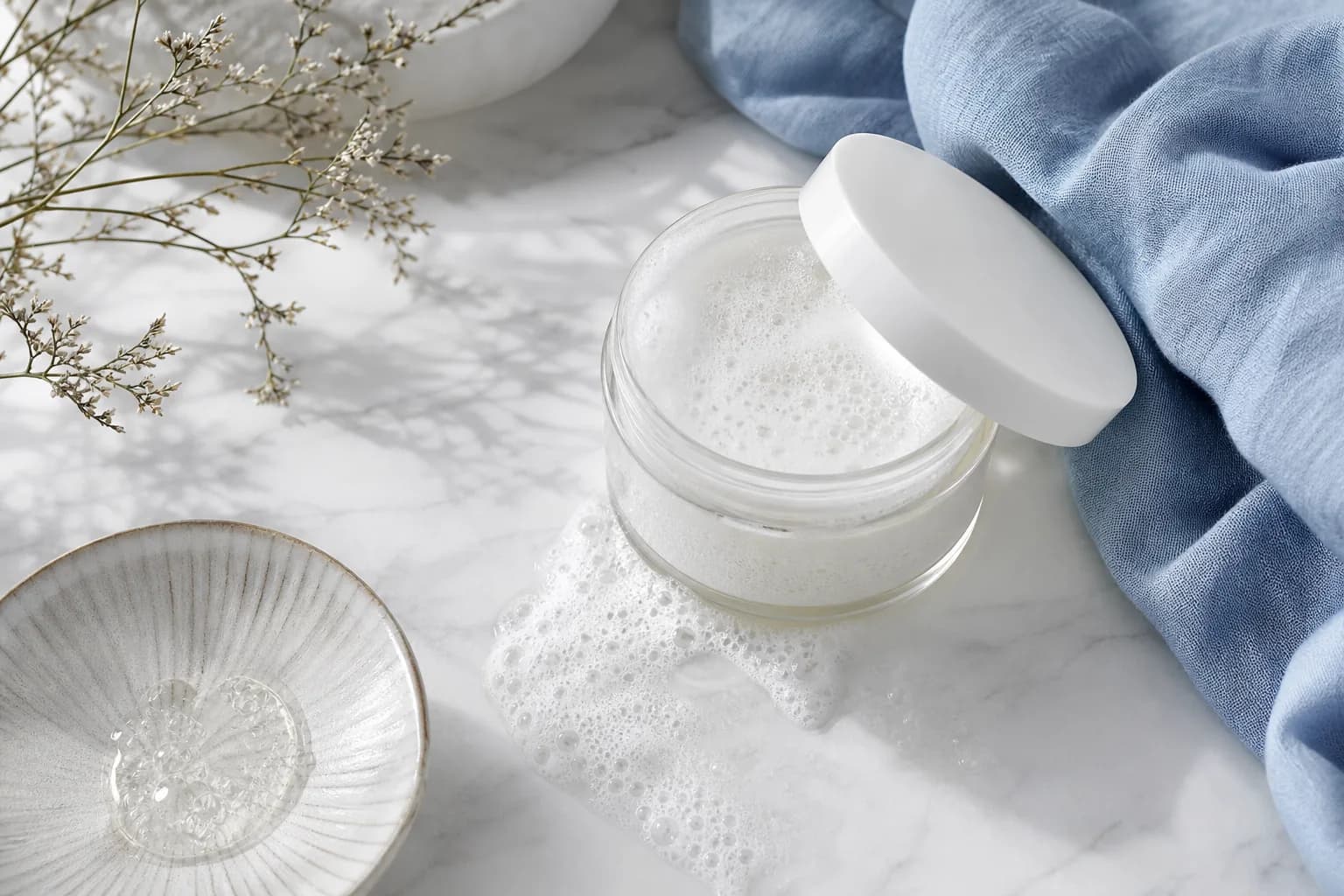
Bubble cleansers and bubble masks are designed to lift surface impurities and provide a visible, oxygenating foam that helps unclog pores. Use them as an occasional deep‐clean step—then immediately follow with a hydrating toner, a lightweight serum, and a good moisturizer to restore the skin barrier. In short: they intensify cleansing but should not replace gentle daily care.
What bubble steps actually do
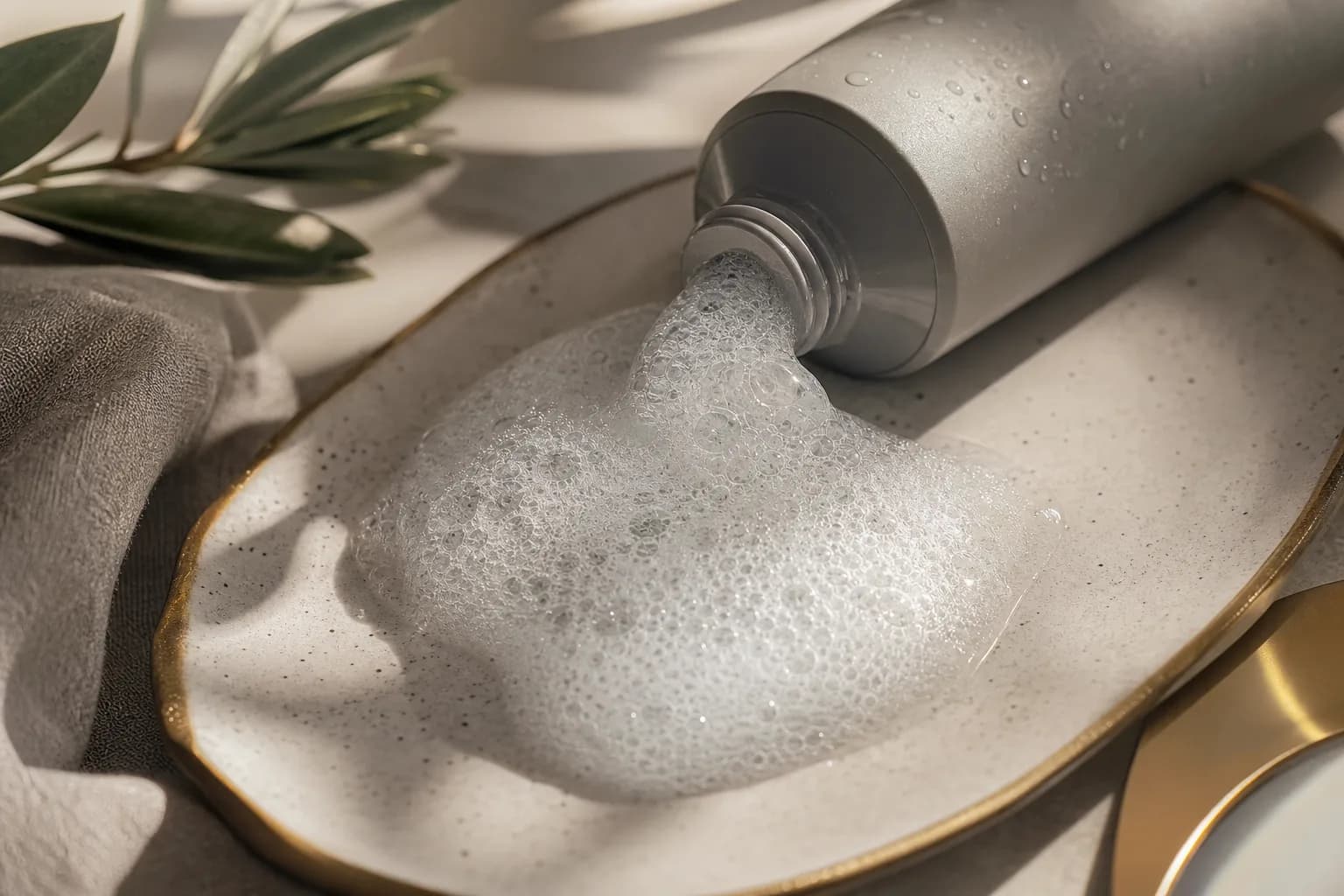
Bubble products—whether a foam cleanser that aerates on contact or a bubble mask that effervesces on the skin—use mechanical lift and surfactant action to remove oil, makeup residue, and trapped debris. Some formulas include enzymes (think proteolytic or fruit enzymes) to lightly loosen dead cells; others rely on oxygen-releasing agents or activators that produce a froth. The visible foam can make product performance easy to see, but it doesn’t always equal deeper chemical exfoliation. A too‐strong surfactant will remove oil and grime efficiently and can also strip natural lipids if left unchecked.
Texture and experience vary widely: a daily mild foam is lightweight and rinses clean, while a bubble mask often starts gel‐like, puffs into foam, and may sit on skin briefly as a treatment step. Deciding whether to use a foam daily or a mask weekly comes down to your goal—maintenance versus a targeted clarifying session—and your skin’s tolerance.
Picking the right format for your goal
Purpose guides format: choose a mild foaming cleanser for everyday maintenance and a bubble mask for an occasional clarifying treatment. If your goal is oil control and faster cleansing in the morning, a low‐strength, low‐detergent foam can remove surface sebum without requiring harsh friction. If you want a visible treatment for occasional congestion or dullness, a bubble mask used 1–2× weekly gives that immediate clean feeling without daily overuse.
Think in tradeoffs: a stronger surfactant yields more lift but higher drying risk; an enzyme formula gives enzymatic exfoliation but may be sensitizing for reactive skin. Prioritize lightweight post‐foaming hydration to prevent barrier disruption. For people with dry or compromised barriers, pair a gentle non‐foaming cleanser in daily AM/PM use and reserve bubble steps as occasional boosters.
| Format | Texture | Best for | Frequency |
|---|---|---|---|
| Mild foaming cleanser | Soft foam, quick rinse | Daily maintenance; oily-combination skin | Daily to every other day |
| Bubble (oxygen) mask | Gel → fizzy foam, sits briefly | Occasional deep clean; visible uplift | 1–2× weekly |
| Enzyme-activated foam | Creamy foam with enzymatic action | Gentle chemical exfoliation without abrasives | 1–3× weekly depending on tolerance |
Choosing enzyme vs oxygen formulas
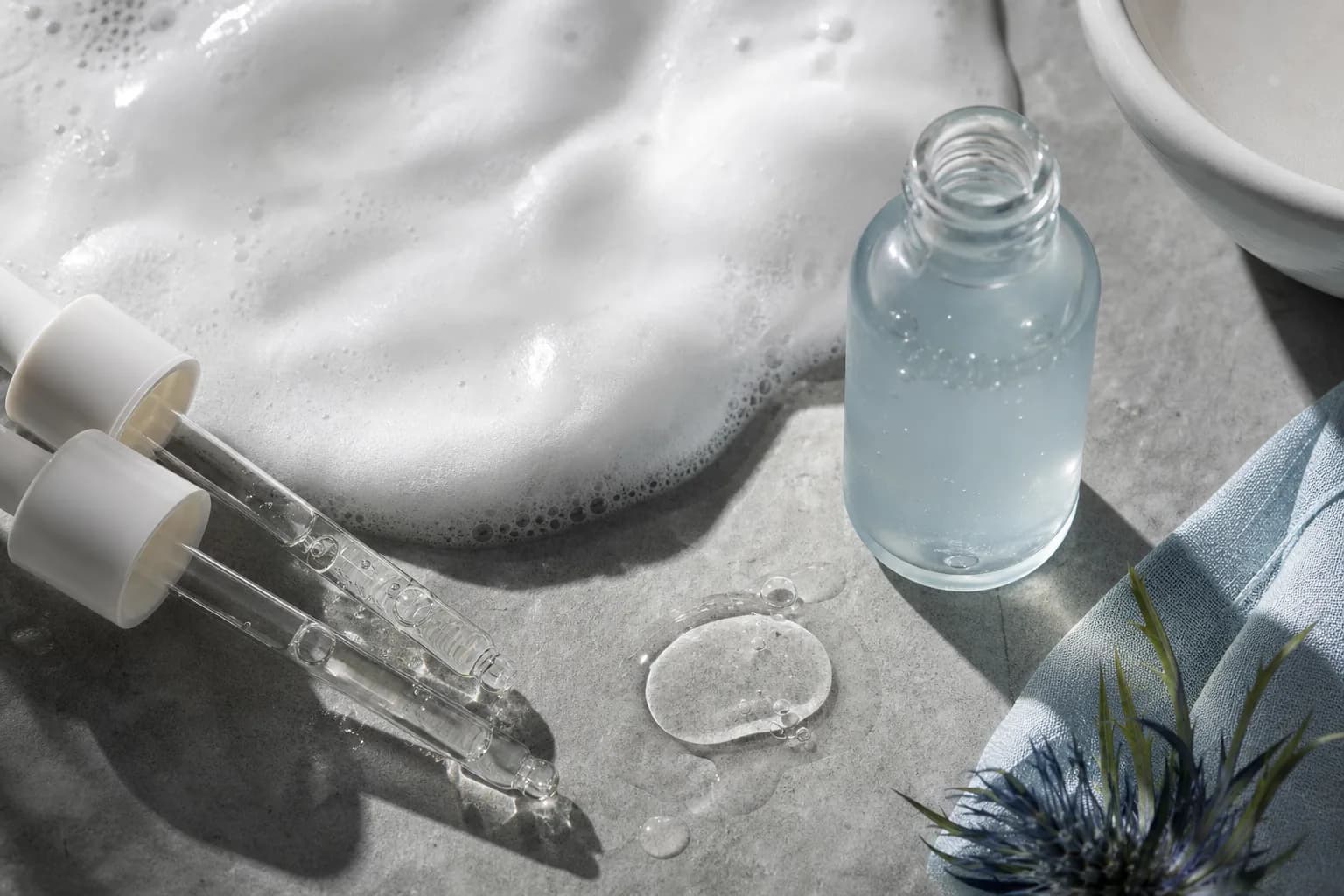
Enzyme-based bubble products incorporate proteolytic or fruit enzymes that chemically loosen surface dead cells as the product foams. These are useful if you want a non-abrasive exfoliation with visible foam: enzymes work at the surface and can be gentler than physical scrubs when used correctly. Oxygen or foam‐activator formulas rely more on mechanical aeration and surfactants to lift oils and debris from pores. They feel dramatic and cleanse quickly but are more likely to strip oils if surfactant strength is high.
Texture cues help you pick: enzyme foams often feel creamier and leave a slightly smoother finish, while oxygen masks fizz and become airy. Read labels for fragrance and primary surfactants if you have sensitive skin—fragrance and strong anionic detergents are common culprits of irritation. When layering actives, avoid pairing an enzyme foaming treatment with a strong AHA/BHA session the same day to limit cumulative irritation.
How to layer a bubble cleanser into your routine
Start with your purpose: if you’re clarifying a congested T‐zone, use the bubble step on that area and keep the rest of your face gentle. For a full‐face bubble mask, apply to dry skin, allow the foam to develop, then rinse thoroughly. The single most important rule after any foaming/oxygenating step is rehydration: within seconds to minutes of rinsing, apply a hydrating toner or essence, then a lightweight serum (hyaluronic acid or glycerin‐based) and a barrier‐supporting moisturizer.
AM vs PM: in the morning, pair a gentle SPF‐compatible moisturizer after rehydration. At night, follow with repair‐focused treatments—retinoids or targeted serums—on non‐bubble nights. If you used a bubble treatment in the evening, avoid layering another potential irritant (strong acids or retinoids) immediately afterward. The goal is to neutralize dryness and reinforce lipids rather than prolong the stripping effect.
Who should use bubble masks and who should skip them
Bubble cleansers and masks are novelty-friendly clarifiers that suit people who want visible lift and occasional deep cleaning. Ideal candidates include those with combination or oily skin who tolerate foaming surfactants and who limit use to periodic treatments. People with dry, reactive, rosacea‐prone, or barrier‐compromised skin should approach with caution: the foaming action and surfactants can increase transepidermal water loss and irritation.
Warning signs to skip or reduce frequency: persistent redness after use, stinging that lasts more than a few minutes, flaking, or tightness. Check ingredient lists for strong anionic surfactants and added fragrance. If you’re unsure where to start, consult a targeted routine guide—our guides for dry skin and combination skin offer alternative plans that keep hydration front and center.
- Use bubble steps if you have oily or combination skin and need periodic clarifying.
- Skip or test cautiously if you have dry, reactive, or compromised barrier skin.
- Patch-test a small area and limit initial use to once weekly.
How often to use bubble treatments
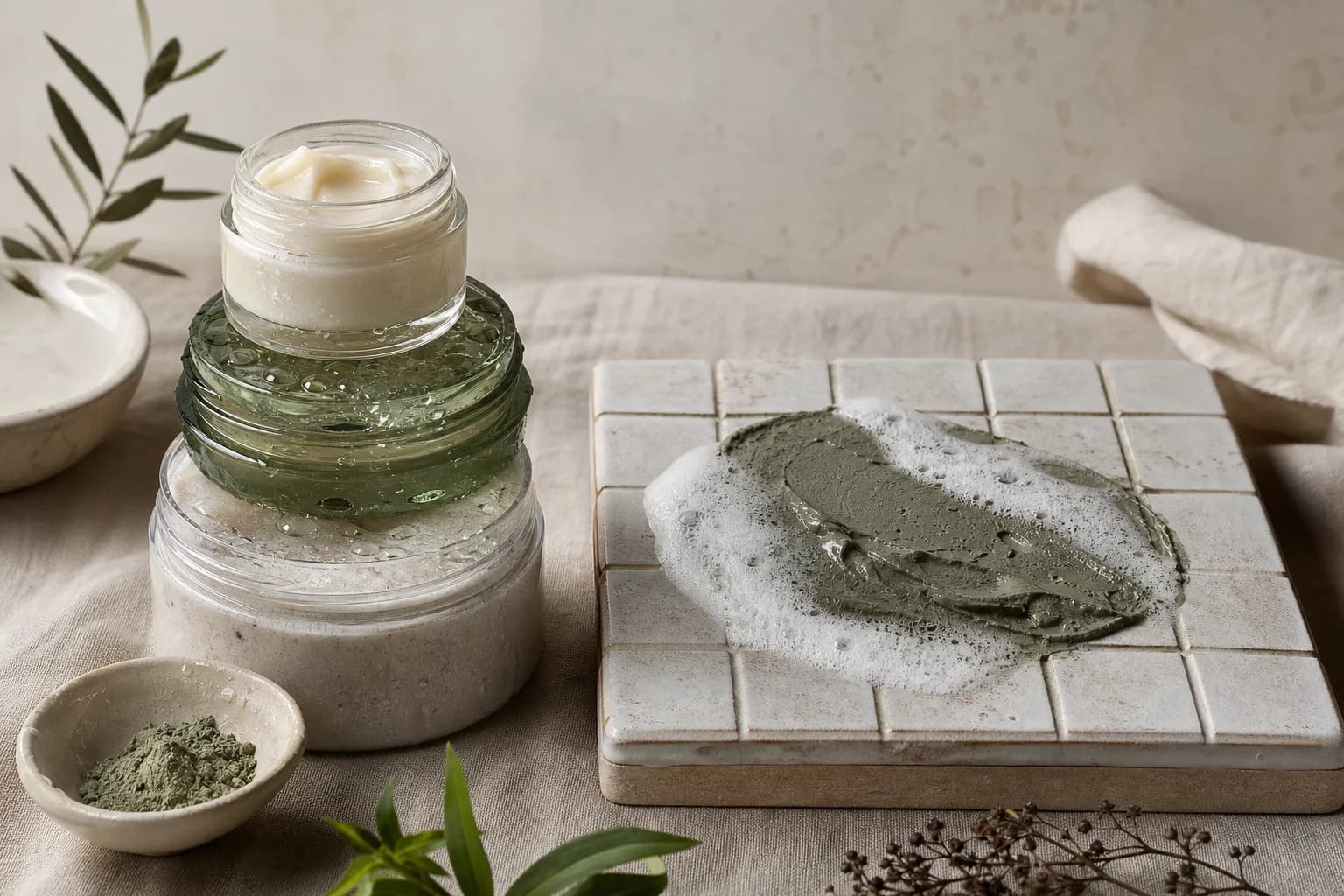
Frequency matters because cumulative stripping damages the lipid barrier. For most people who tolerate foaming formulas, weekly to 1–3× weekly is a pragmatic cadence: a single clarifying mask or stronger foam once or twice weekly, or a mild foaming cleanser used daily depending on surfactant strength. If you’re using a low‐detergent, balanced foaming cleanser marketed for daily use, it can fit into an AM routine; if it leaves your skin tight, cut back.
Be specific in decisions: choose a weekly oxygen mask when prepping skin for a resurfacing treatment or before makeup-heavy events, and reserve enzyme foams for gentle exfoliation on alternate nights when not using acids or retinoids. People managing acne or excessive oil can use a clarifying bubble step 1–2× weekly while keeping a gentle, hydrating daily routine the rest of the time.
Shopping checklist and what to review before buying
Before you add a bubble product to cart, scan five decision points: purpose (maintenance vs treatment), primary active (enzyme vs oxygen/foam activator), surfactant type and strength, added fragrance/preservatives, and recommended frequency. Value is also about fit: a budget foam that strips will cost more in corrective skincare than a slightly pricier low‐irritant formula. Packaging that limits contamination is a bonus for masks that sit on skin.
Compare labels: a product that lists alcohols or harsh anionic detergents high on the ingredient list will be more drying. If your skin is dry or sensitive, prefer enzyme formulas with mild nonionic surfactants and skip fragranced options. When in doubt, pair purchase decisions with routine adjustments from broader guides—our articles on building a custom routine and targeting combination skin can help you slot a bubble step into a sustainable plan.
Frequently asked questions
What is a bubble cleanser?
A bubble cleanser is a product formulated to aerate and produce a visible foam or effervescence on contact with skin. The foam action helps lift oil, makeup, and debris from the surface and pores; depending on formulation it can include enzymes for light chemical exfoliation or foam activators that create oxygenating fizz. It’s primarily a clarifying step rather than a deep resurfacing treatment.
Will bubble masks cause dryness?
They can if the formulation uses strong surfactants or if you overuse them. Many bubble masks provide a dramatic clean but remove lipids that help retain moisture. To reduce dryness, limit frequency (often 1–2× weekly for masks), rinse thoroughly, and immediately follow with a hydrating toner, lightweight humectant serum, and moisturizer.
Can I use a bubble cleanser with active ingredients like retinol or acids?
You can, but not on the same night if the bubble product is clarifying or enzymatic and you plan to use strong actives. Combining multiple potentially irritating steps increases sensitivity risk. Space treatments across different days or use gentler, low‐strength bubble cleansers if you maintain nightly actives.
Are bubble cleansers safe for acne‐prone skin?
They can help remove oil and surface congestion, making them useful for oily or acne-prone skin when used correctly. The key is controlled frequency and formulation choice: avoid highly stripping detergents and fragranced products that can inflame acne. Integrate bubble steps with a balanced, non‐drying routine and monitor for increased irritation.
Related Reading
- How to build a custom skincare routine that actually works
- The nighttime skincare routine that actually works: steps, textures, and tradeoffs
- Create a skincare routine you’ll actually follow: a short audit and simple AM/PM plan
Sources
- Beauty content references on bubble cleansers and masks (example guides)
- K‐Beauty blogs explaining bubble/foam treatment steps
- Consumer reviews / product pages for bubble masks (illustrative)
Clear guidance, checked before publication.
Solvi articles are structured by our editorial team and reviewed for clarity, consistency, and responsible health language. We update pages when guidance or product information changes.

Naomi Chen
Skincare Ingredients Writer. Naomi reads ingredient lists for fun and loves translating formulation language into advice that makes sense at the bathroom mirror. Hydration, barrier care, and sensitive-skin formulas are her favorite rabbit holes.