The best skincare routine for men: simple, repeatable, effective


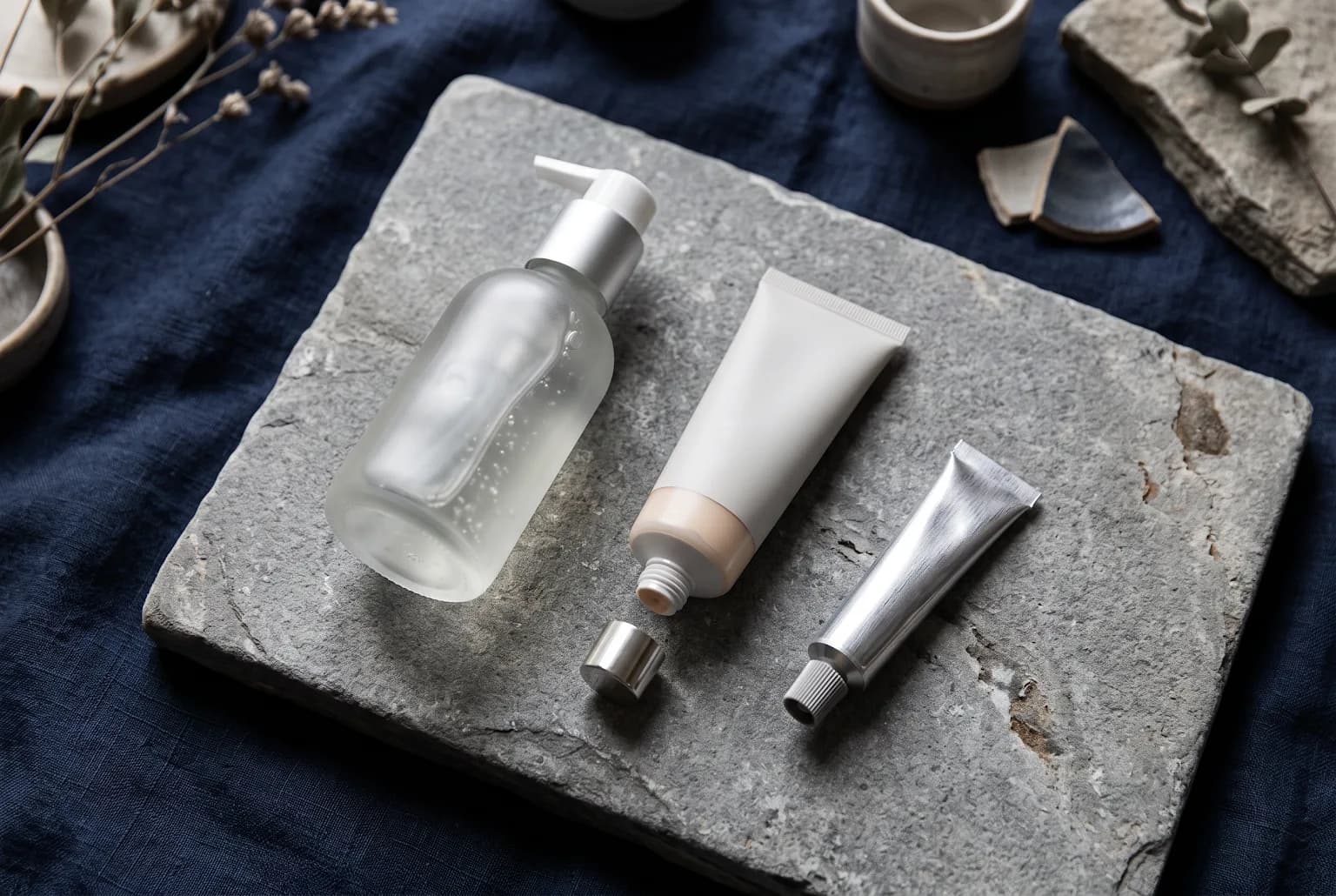
The clearest, most effective answer to “What is the best skincare routine for men?” is this: keep the daily program short—cleanse with a formula suited to your skin type, apply a lightweight moisturizer with broad-spectrum SPF each morning, and add targeted nightly actives only for specific concerns like aging (retinoids) or clogged pores (salicylic acid). Consistency and sun protection matter more than marketing aimed at men.
This article walks through textures, tradeoffs, layering rules, and decision examples so you can build a routine you’ll actually follow. The guiding criteria are simplicity (2–3 core steps most days), products matched to skin type rather than gendered packaging, daily SPF, and non‐irritating options for post‐shave skin. Expect examples for oily, dry, and combination types and concrete shopping signals: pump bottles for hygiene, pH‐balanced gels for oil, ceramide-rich creams for dryness.
A simple three-step routine for most days
Most men get the biggest return on investment from three repeatable steps: cleanse, moisturize (AM with SPF), and treat at night when needed. Keep your morning routine lean: a gentle wash to remove sweat and buildup, followed by a moisturizer that includes SPF 30 or higher. That single habit—daily sunscreen—reduces long‐term photoaging risk and makes every other step more valuable.
Evening should be focused: remove sunscreen and grime with your cleanser, then layer a treatment if you have an indicated concern. For anti‐aging, an over‐the‐counter retinoid like adapalene is a well‐studied option; for acne-prone skin, a BHA (salicylic acid) can reduce pore blockages. If you don’t have a specific concern, a soothing ceramide moisturizer is fine. Simplicity increases adherence: two-thirds of success is showing up.
How to choose a cleanser for your skin type
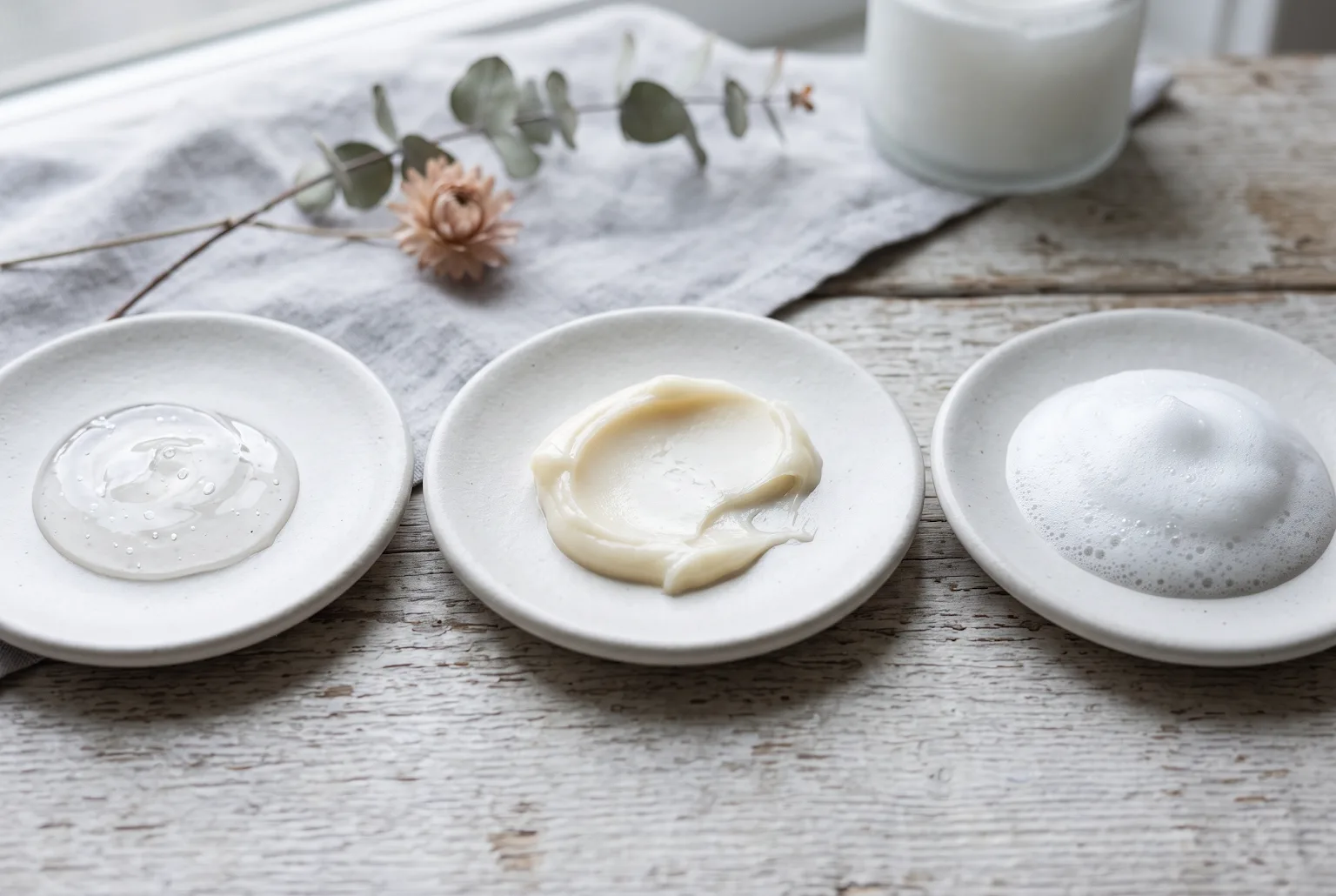
Your cleanser is a daily workhorse, so texture and pH matter. Oily or acne‐prone skin tends to do better with a pH‐balanced gel or foaming gel that removes excess sebum without heavy stripping. If your skin is dry or feels tight after washing, switch to a cream or balm cleanser that leaves a hydrating film. Combination skin often benefits from a zone approach: a gel for the T‐zone and a cream or lightweight cleansing oil for cheeks.
Avoid very alkaline bar soaps or high‐suds formulations that can disrupt natural oils and increase irritation—especially important if you shave daily. Look for surfactants that feel gentle and rinse clean, and consider fragrance‐free options if your skin reddens after products.
| Skin type | Best cleanser texture | Why it works |
|---|---|---|
| Oily / acne-prone | Gel or low‐foam cleanser | Removes oil without heavy residue or over‐stripping |
| Dry | Cream or balm | Leaves hydrating lipids and reduces tightness |
| Combination | Gel for oily zones, cream/balm for dry zones | Zone-first approach preserves hydration where needed |
The morning moisturizer: why SPF changes the game
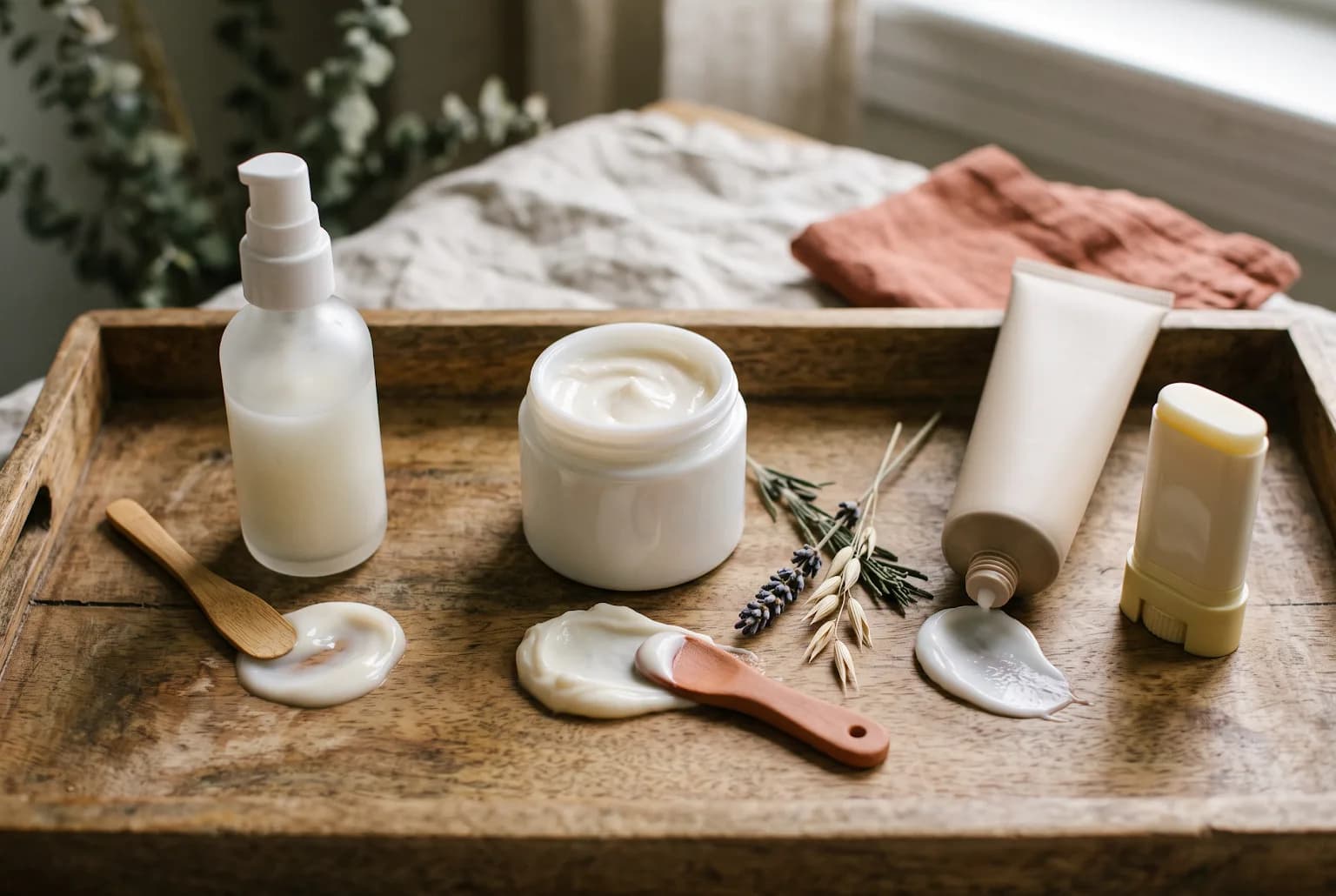
A morning moisturizer with SPF is the single most important product to buy. For men who prefer no‐fuss application, look for a non‐greasy, fast‐absorbing lotion with broad‐spectrum SPF 30+. Tinted moisturizers or chemical SPF formulations often layer invisibly under makeup-free skin. If you have oily skin, gel‐creams or matte‐finish lotions cut shine; dry skin benefits from ceramide or glycerin-rich creams that lock in moisture.
Texture tradeoffs: heavier creams offer better immediate comfort and barrier repair for dry skin but can feel occlusive on beards; gel lotions and emulsions are lighter and suit facial hair and active lifestyles. If you sweat a lot or play outdoor sports, a water‐resistant sunscreen stick or reapplication strategy matters.
Targeted nightly acts: retinoids and alternatives
When treating aging, texture irregularities, or persistent acne, add an evidence‐based active at night. Over‐the‐counter adapalene (a retinoid) is a common first choice for both acne control and collagen‐supporting effects. Start slowly—two or three nights a week, then increase frequency as tolerated—to minimize dryness and flaking.
If retinoids cause irritation, consider alternatives like bakuchiol (a gentler botanical option) or lower‐concentration retinoid formulations. For clogged pores and blackheads, a salicylic acid (BHA) serum or leave‐on product helps clear sebum within the pore. Be cautious layering potent actives—avoid combining a freshly introduced retinoid with daily exfoliating acids until skin adapts.
Simple routine example for targeted concerns:
- Aging: PM adapalene every other night + gentle moisturizer as needed.
- Acne: PM salicylic acid spot or leave‐on, adapt based on dryness.
- Sensitive skin: start with non‐retinoid antioxidant serums and ceramide moisturizers.
Shaving, irritation and layering post‐shave products
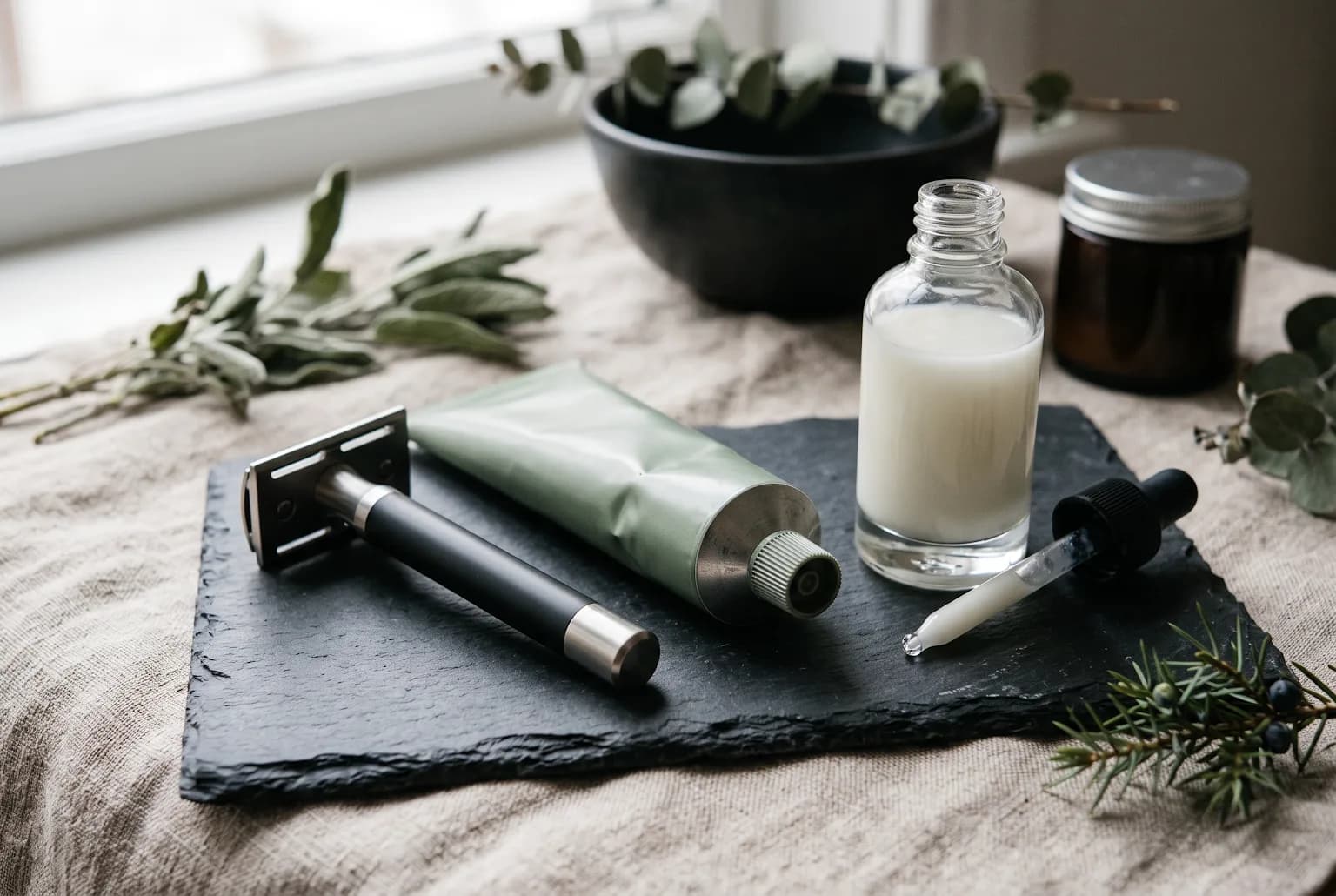
Shaving is a mechanical stressor that can worsen irritation and compromise barrier function. Shave with a lubricating cream, not dry; shave in the direction of hair growth where possible to reduce tugging. For men who use multi‐blade cartridges, consider single‐blade or safety razors if irritation persists—less drag often equals fewer microtears.
Post‐shave layering matters: after shaving, pat skin dry and apply a soothing, alcohol‐free balm or lightweight hydrating serum. If you plan to apply a topical active like a retinoid at night, give the skin a recovery night after a close shave to reduce compounding irritation. For morning routines, a quick hyaluronic acid serum followed by your SPF moisturizer keeps barrier function intact without adding greasiness to facial hair.
Problem-specific add-ons: acne, oil, dryness
If you have a specific issue, add one targeted product and evaluate for six to eight weeks before introducing another. For oily or acne‐prone skin, a leave‐on salicylic acid product twice daily or spot‐treatment can reduce pore congestion. For persistent inflammatory acne, professional consultation is the right next step.
Dry skin needs occlusion and barrier repair. Look for moisturizers containing ceramides, glycerin, and fatty acids. Use a richer cream at night and a lighter SPF lotion in the morning to balance comfort with daytime protection. For combination skin, a zone‐first regimen (see internal guide on combination skin) helps keep the routine simple while addressing differing needs.
A practical decision example: if you wake up oily across the forehead but dry on the cheeks, use a lightweight gel moisturizer with SPF on the T‐zone and a small amount of cream over dry areas. For product picks by skin type, see our short, repeatable men's routine and the dry skin guide for deeper shopping cues.
How to build a routine you’ll keep using
Adherence beats complexity. Choose products that fit your daily life: a pump bottle for busy mornings, a stick sunscreen if you’re outdoors, and a fragrance‐free balm if your skin reacts. Map time and steps to existing habits—for example, apply SPF right after brushing your teeth, or do your PM treatment while your dinner is cooking.
Set realistic frequency for actives: start retinoids twice weekly and increase slowly; use BHAs two to three times weekly if tolerated. Track results with photos and simple notes rather than chasing weekly transformations. If you’re unsure where to begin, our short, repeatable men's skincare routine outlines a realistic starter plan.
Practical weekly example for a working man who trains five mornings a week:
- AM: splash/wash with gentle cleanser after morning sweat, apply SPF moisturizer.
- Post-workout: rinse with water or gentle cleanser if sweaty, reapply SPF if outdoors.
- PM (non‐training days): cleanser, targeted active (retinoid or BHA), moisturizer.
- After a close shave: one recovery night sans active, then resume.
Frequently asked questions
What is the absolute minimum routine I should follow?
The minimum effective routine is two steps in the morning and one at night: cleanse and apply a moisturizer with SPF in the AM; cleanse at night and reapply a simple moisturizer or treatment only if you have a targeted concern. Daily SPF is non‐negotiable for long‐term skin health.
How do I manage skincare with a beard or facial hair?
Short answer: choose lightweight lotions or gel‐creams that absorb quickly and avoid heavy ointments that mat facial hair. Apply SPF by working product down to the skin under the hair and use pump or stick formats for cleaner application. Keep beard skin hydrated with a leave‐in hydrating serum if the hair blocks moisturizers.
Can I use a single product for both moisturizer and sunscreen?
Yes, a moisturizer with built‐in broad‐spectrum SPF 30+ simplifies the AM routine and improves adherence. Just confirm the texture suits your skin type: lighter gels for oily skin, cream emulsions for dry skin. Reapply every two hours if you’re outdoors or sweating heavily.
When should I add a retinoid to my routine?
Introduce a retinoid if you have photoaging concerns—fine lines, textural changes—or persistent acne that hasn’t responded to basic measures. Start with a low‐frequency schedule (every other night or less), monitor for dryness or irritation, and pause for a recovery night after close shaves or skin irritation.
Related Reading
- A short, repeatable men's skincare routine that actually fits your life
- The best men skincare routine: simple, effective plans for every skin type
- The best skincare routine for acne: a simple, two-step daily approach
Sources
- American Academy of Dermatology — Skin care tips for men (https://www.aad.org/public/everyday-care/skin-care-basics/care/skin-care-for-men)
- Cleveland Clinic — Men’s skincare routine basics (https://health.clevelandclinic.org/skin-care-for-men)
- GQ — Simple skin care for men (https://www.gq.com/story/simple-skin-care-for-men)
Clear guidance, checked before publication.
Solvi articles are structured by our editorial team and reviewed for clarity, consistency, and responsible health language. We update pages when guidance or product information changes.

Naomi Chen
Skincare Ingredients Writer. Naomi reads ingredient lists for fun and loves translating formulation language into advice that makes sense at the bathroom mirror. Hydration, barrier care, and sensitive-skin formulas are her favorite rabbit holes.