A practical guide to Korean skincare routine products


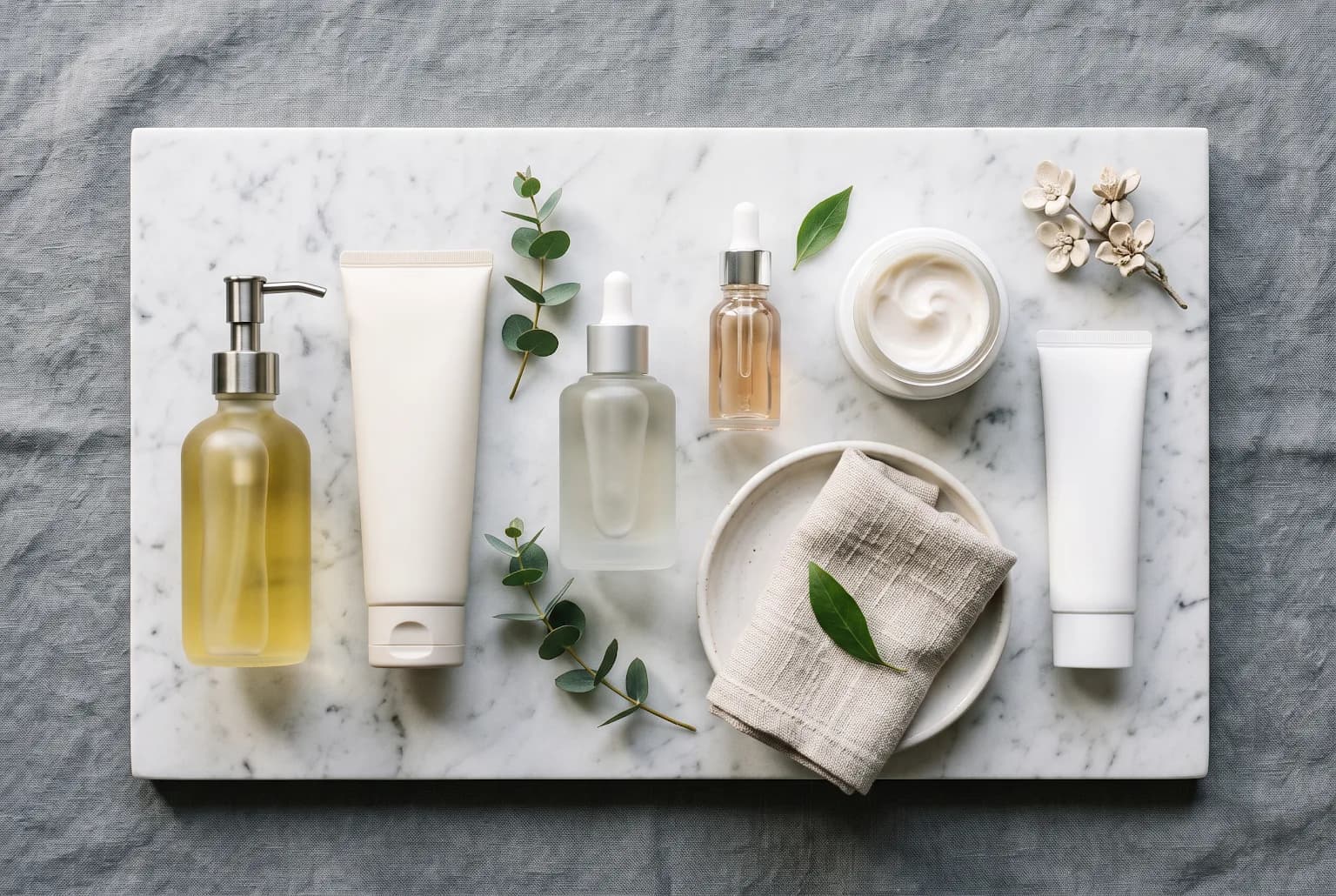
Introduction K‐beauty fundamentals are straightforward: double cleanse when you wear makeup or sunscreen, then build hydration in thin layers (toner → essence → serum) before sealing with a moisturizer and sunscreen. Focus on formats and order rather than hitting a magic number of steps. This article breaks down which Korean skincare routine products to buy, who each format suits, and the texture tradeoffs you'll make when simplifying a 10‐step routine for real life.
Double cleanse and why it matters
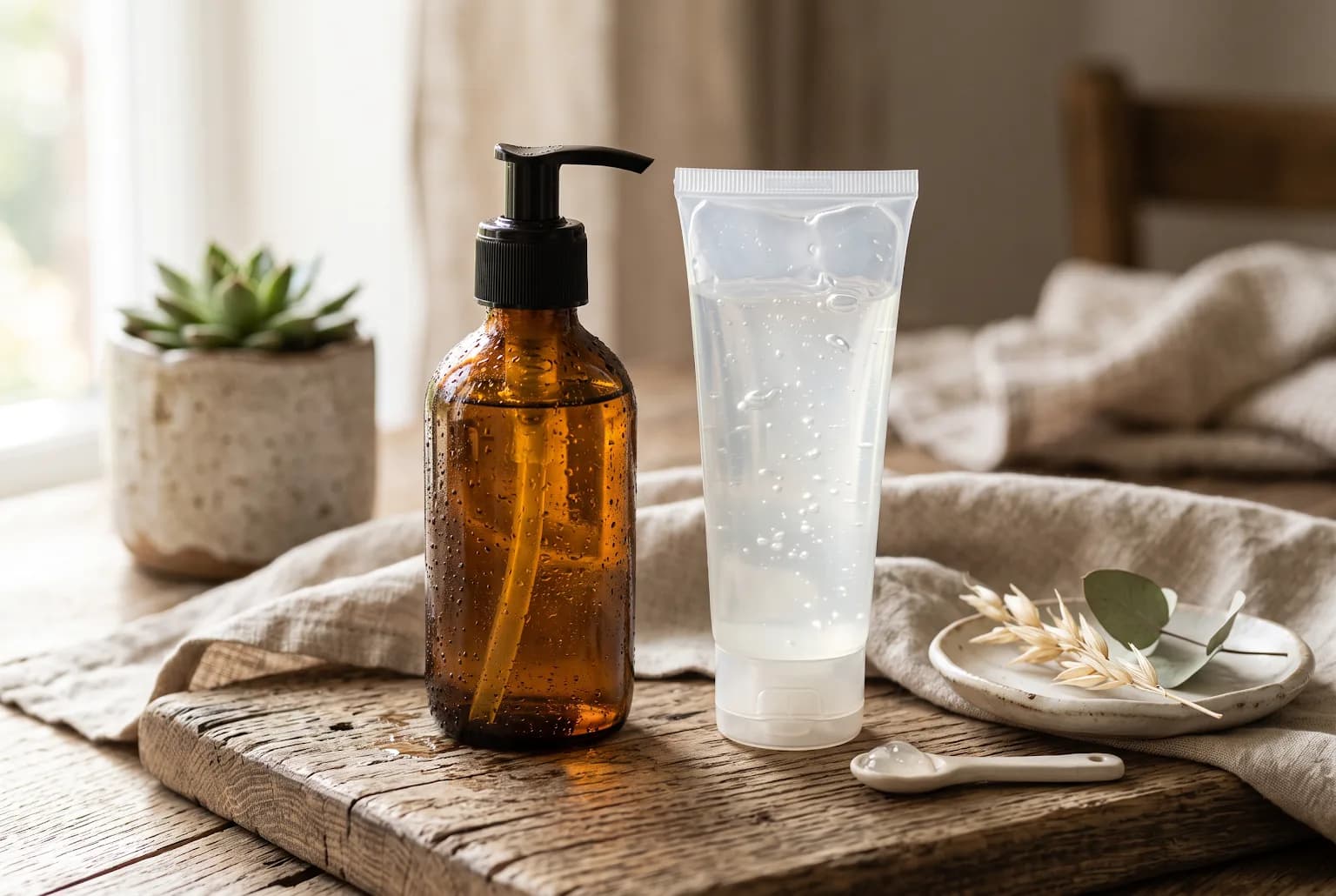
A double cleanse—oil first, water next—removes surface oils, sunscreen, and makeup without over‐stripping. Start with an oil or balm cleanser to dissolve lipid‐soluble sunscreen and foundation; follow with a gentle, low‐foam water cleanser to clear residue. For dry skin, choose an oil cleanser with emollient esters and avoid fragranced formulas that can feel drying. If you rarely wear sunscreen or makeup, a single gentle water cleanser at night may be enough.
Separate the decision into three quick checks: texture preference (balm vs oil), rinse feel (silky vs squeaky), and ingredient simplicity (fewest fragrance or essential oils). A balm often feels richer on cold mornings; an oil pump is less fussy at night. If your skin is acne‐prone, pick non‐comedogenic labels and avoid heavy botanical oils that can sit on the skin.
Layer hydration: toner, essence, and ampoule order
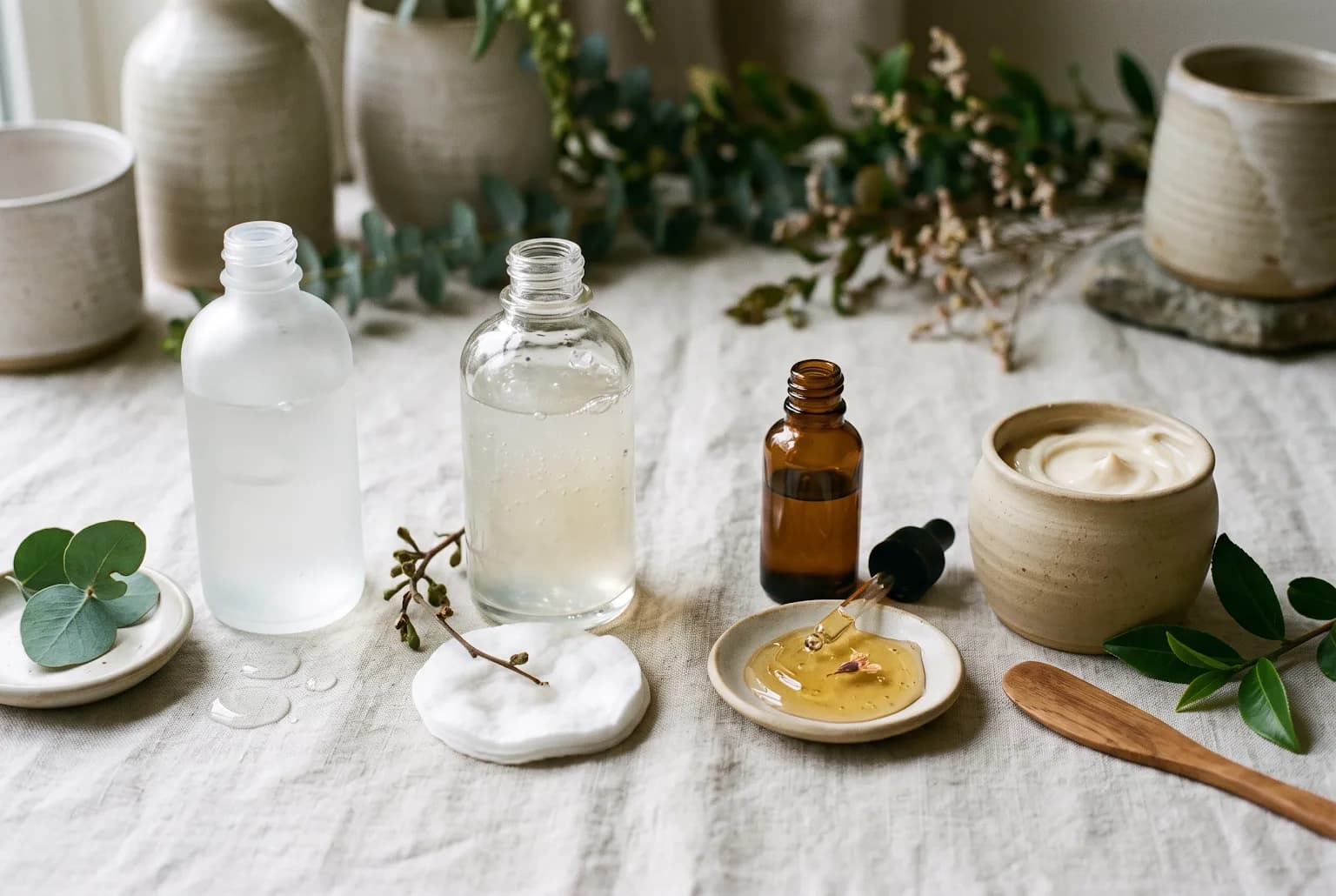
K‐beauty emphasizes thin, hydrating layers rather than single thick creams. The practical order is: hydrating toner (to normalize pH and add initial humectants), essence (a lightweight boost often with glycerin or fermented extracts), then ampoule/serum (more concentrated actives). For dry skin, use humectant‐rich toners (glycerin, sodium hyaluronate) and follow with a viscous essence if needed for an extra boost.
Textures matter: toners are watery and sink fast; essences are slightly viscous; serums are concentrated and often dropper‐dispensed. If you have limited time or budget, prioritize a humectant toner and a multi‐target serum rather than both an essence and ampoule. Keep active serums (vitamin C, niacinamide) after the essence but before heavier creams so they penetrate rather than sit under occlusion.
Pick the right exfoliant and where to put it
Exfoliation in K‐beauty is typically chemical: low‐concentration AHAs or BHAs used 1–2× weekly rather than daily scrubs. Decide using three criteria: skin tolerance, texture goals (smooth vs bright), and concurrent actives. For dry skin, favor lactic acid at moderate pH for both hydration and gentle removal; avoid stacking exfoliants with retinoids the same night to reduce irritation.
Place exfoliant after cleansing and before hydrating layers so the actives can access the skin surface. If you use leaves‐on retinoid treatments, alternate nights or schedule exfoliation on non‐retinoid evenings. If you choose a leave‐on BHA for occasional congestion, patch test first and start at 1× per week. Keep an eye on cumulative acid frequency—overuse reduces barrier function and nullifies the benefits of subsequent humectants and oils.
Moisturizers and textures: who needs creams vs emulsions
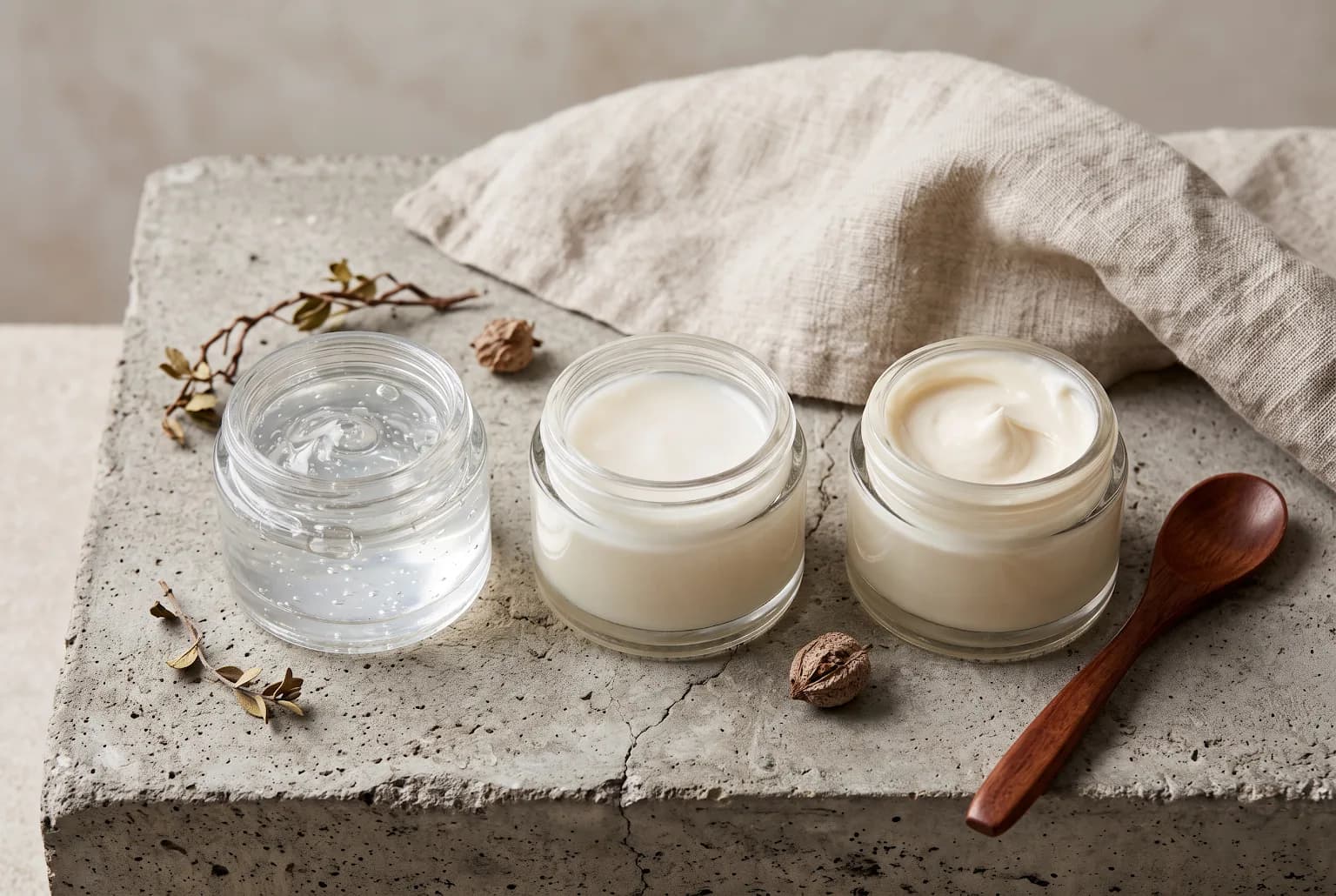
Moisturizer format is a choice between seal and hydrate: light emulsions and gels deliver moisture without heaviness; creams and balm‐rich formulas provide occlusion and barrier repair. Match texture to climate and skin needs: creams or ointments in cold, dry weather; emulsions or gel‐creams during humid months.
Table: How to choose moisturizer format by skin signal
| Skin signal | Texture to consider | Why it helps |
|---|---|---|
| Tightness after washing | Rich cream or balm | Provides occlusive lipids to prevent transepidermal water loss |
| Lightweight hydration wanted | Emulsion or gel‐cream | Hydrates without heavy residue; layers well under sunscreen |
| Combination skin with oily T‐zone | Lotion or light emulsion | Balances hydration where needed without clogging |
| Sensitive barrier | Fragrance‐free cream with ceramides | Supports barrier lipids with minimal irritants |
When building a Korean skincare routine for dry skin, put humectants (toner/essence) first then lock with a cream. If you use facial oils, apply them after water‐based layers but before the heaviest occlusive if you need to trap moisture. For value shoppers, a well‐formulated emulsion plus targeted facial oil can replace multiple specialized creams.
Add-ons: sheet masks, eye cream, and targeted spots
K‐beauty includes strategic extras rather than necessary steps. Sheet masks are hydration boosters and work best immediately after cleansing and before heavier layers; leave them on no longer than the brand recommends to avoid reverse osmosis. Eye creams are product‐format decisions: choose a lightweight gel for mornings and a richer cream for dry under‐eye areas at night.
Targeted spot treatments—like niacinamide for post‐blemish discoloration or benzoyl peroxide for active spots—belong after hydration but before heavy moisturizers so they contact skin directly. If you have sensitive skin, conserve the number of actives in your routine: one targeted treatment per concern is usually sufficient. Think of add‐ons as modular: pick one sheet mask formula and one eye texture, then rotate rather than accumulate.
Sunscreen and daytime finishing rules
Sunscreen is the mandatory final step in any daytime Korean routine products list. Apply a broad‐spectrum SPF 30+ as the last topical; give preceding products a minute to settle so the sunscreen can form an even film. For dry skin, choose chemical or hybrid filters within moisturizing base formulas to avoid additional dryness from matte physical sticks.
Texture layering is crucial: if you use a heavy cream in the morning, allow it to sink and then apply a sunscreen that layers well—runny fluid or lotion sunscreens spread more evenly than thick sticks. Reapply every two hours when exposed to sun. If makeup follows, give the sunscreen a short setting time and use a lightweight primer rather than rubbing to avoid disturbing SPF placement.
How to tailor a short, effective routine
Start with a skeleton routine: double cleanse (if needed), hydrating toner or essence, one multifunctional serum, a moisturizer, and AM sunscreen. This condensed plan captures the core K‐beauty principles without product bloat. When testing new products, introduce one at a time for a week to spot reactions and to evaluate texture compatibility.
Decision examples: if you have dry, sensitive skin, swap the serum for a ceramide‐heavy formulation and add a facial oil on top of an emulsion; for combination skin, use a gel‐serum and a light emulsion only on dry zones. See our zone‐first shopping guide for combination skin to refine choices across areas: Products for Combination Skin: A Zone-First Shopping Guide That Keeps Routine Simple.
For deeper dry‐skin layering strategies, our longer guide on layered hydration is useful: The Best Skincare Routine for Dry Skin Starts With Better Layering. If you’re rebuilding a routine from scratch, follow a short audit and AM/PM plan at this primer: Create a skincare routine you’ll actually follow: a short audit and simple AM/PM plan.
Frequently asked questions
How many K‐beauty products do I actually need?
A minimalist Korean routine can be five steps: cleanse (double if you wear sunscreen/makeup), hydrating toner or essence, one serum/ampoule, moisturizer, and sunscreen for AM. The full 10‐step approach is a menu of options not a requirement; choose formats that address hydration and prevention first.
Can I use an essence instead of a serum?
Yes—an essence can replace a separate serum if it contains your needed humectants and mild actives. However, serums tend to be more concentrated for targeted concerns; if you need brightening or anti‐aging effects, a dedicated serum or ampoule is often more efficient.
Where should I put niacinamide and vitamin C in my routine?
Place vitamin C and niacinamide after cleansing and before heavier hydrating layers so they penetrate; if you use both, apply vitamin C first (unless a formulation advises otherwise) and wait briefly before layering niacinamide or other actives. Keep exfoliants and vitamin C on different nights if you have a sensitive barrier.
Are sheet masks necessary for dry skin?
Sheet masks are optional boosters that deliver a concentrated dose of humectants and emollients. Use them strategically—after cleansing and before sealing with a moisturizer—especially during dry seasons or before events; they are not required for daily maintenance.
Related Reading
- Create a skincare routine you’ll actually follow: a short audit and simple AM/PM plan
- How to build a custom skincare routine that actually works
- Fine Lines Treatment: A Smart, Layered Routine That Makes Sense
Sources
- Harper's Bazaar — How to build a 10‐step Korean skincare routine (2026 guide)
- Garnier — breakdown of the 10-step routine and product roles
- Barrier & Bloom / DermApproved — sensible, tailored Korean routine advice
Clear guidance, checked before publication.
Solvi articles are structured by our editorial team and reviewed for clarity, consistency, and responsible health language. We update pages when guidance or product information changes.

Lena Brooks
Wellness and Skincare Writer. Lena looks at skincare as a daily habit rather than a perfect ten-step performance. She gravitates toward comforting textures, simple rituals, and routines people can genuinely maintain.