Skincare routine for aging skin: a barrier-first roadmap


For aging skin: morning — gentle cleanse, antioxidant serum, moisturizer, and SPF; evening — cleanse, introduce a retinoid gradually, then a richer, peptide or humectant-forward moisturizer. Prioritize rebuilding the skin barrier first, then layer evidence-based actives (vitamin C, retinoids, peptides) as tolerance allows.
A morning routine that supports barrier repair
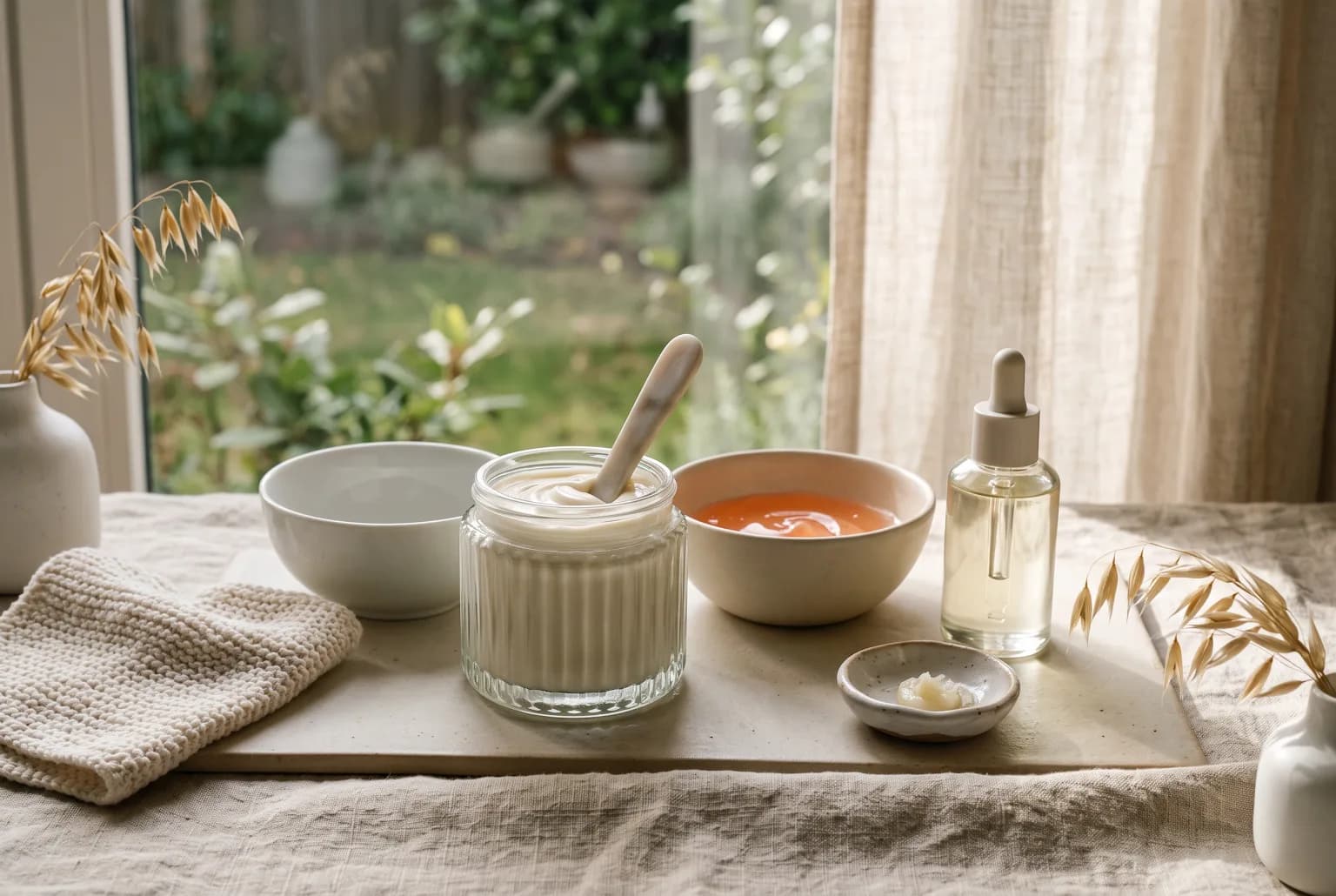
Start the day with a low-friction protocol that restores hydration and shields skin from UV and oxidant stress. For many mature skin types the barrier is the priority because dryness, transepidermal water loss, and sensitivity amplify the visible signs of aging. A simple AM routine reduces irritation risk when you later add stronger actives in the evening.
Cleanser texture matters: choose a gentle, non-stripping formula — cream, milk, or low-foaming gel — that removes impurities without disrupting lipids. Follow with an antioxidant serum (vitamin C or a multi-antioxidant) on mostly dry skin to maximize stability, then layer a moisturizer rich in ceramides, glycerin, and occlusives to lock in hydration. Finish with a broad-spectrum SPF every morning.
A lightweight antioxidant allows daytime protection against oxidative stress without interfering with sunscreen. If sensitivity is a concern, favor a lower-strength vitamin C derivative or a blended antioxidant formula and introduce it gradually.
A targeted evening routine for building collagen
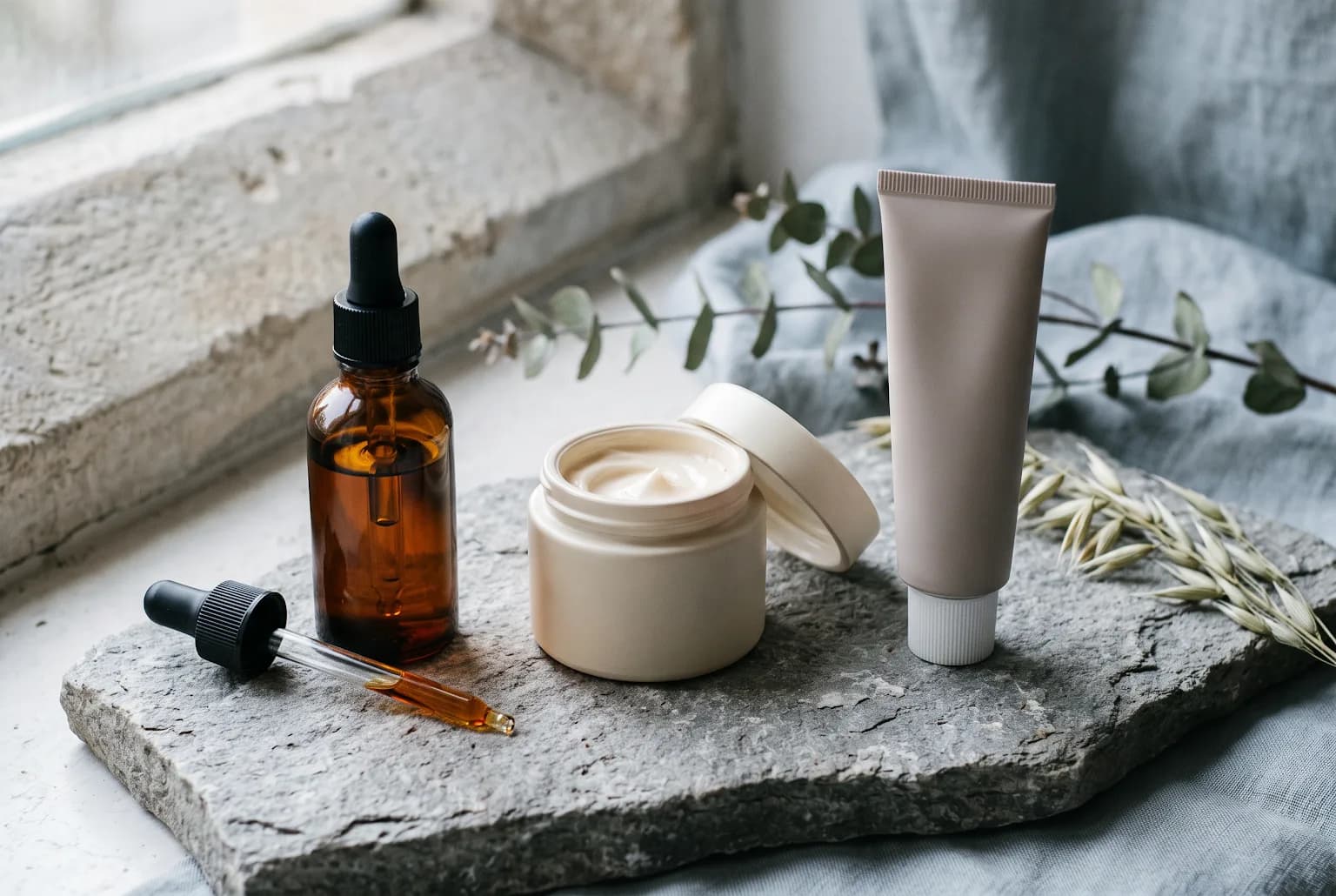
Evening is where you introduce actives that support cellular turnover and extracellular matrix health. Retinoids are the most commonly recommended option for addressing fine lines, texture, and collagen remodeling; peptides can support signaling pathways and hydration; and richer moisturizers help offset increased dryness.
Start the PM sequence with the same gentle cleanser you used in the morning. If your retinoid causes dryness or irritation, use it on dry skin after a brief wait, and layer a hydrating peptide- or ceramide-forward moisturizer on top. For reactive or very dry mature skin, opt for a lower retinoid concentration or a peptide-first approach and delay intensifying the retinoid until the barrier is restored and tolerance improves.
| Step | Purpose | Texture and who it's best for |
|---|---|---|
| Gentle cleanser (AM/PM) | Preserve lipids while cleansing | Cream, milk, or low-foam gel — best for dry to combination mature skin |
| Antioxidant (AM) | Protect from free radicals/brighten | Lightweight serum — suits most mature skin, pick lower strengths for sensitivity |
| Retinoid (PM) | Support cell turnover and collagen | Emulsion or cream retinoid; creams suit dry/irritated skin, lighter gels for oilier zones |
| Moisturizer (AM/PM) | Rebuild barrier and hydration | Rich creams with ceramides and humectants for dryness; lotions if rosiness or oiliness is an issue |
| SPF (AM) | Prevent photoaging and protect after actives | Broad-spectrum mineral or chemical SPF; sunscreen is mandatory when using exfoliants or retinoids |
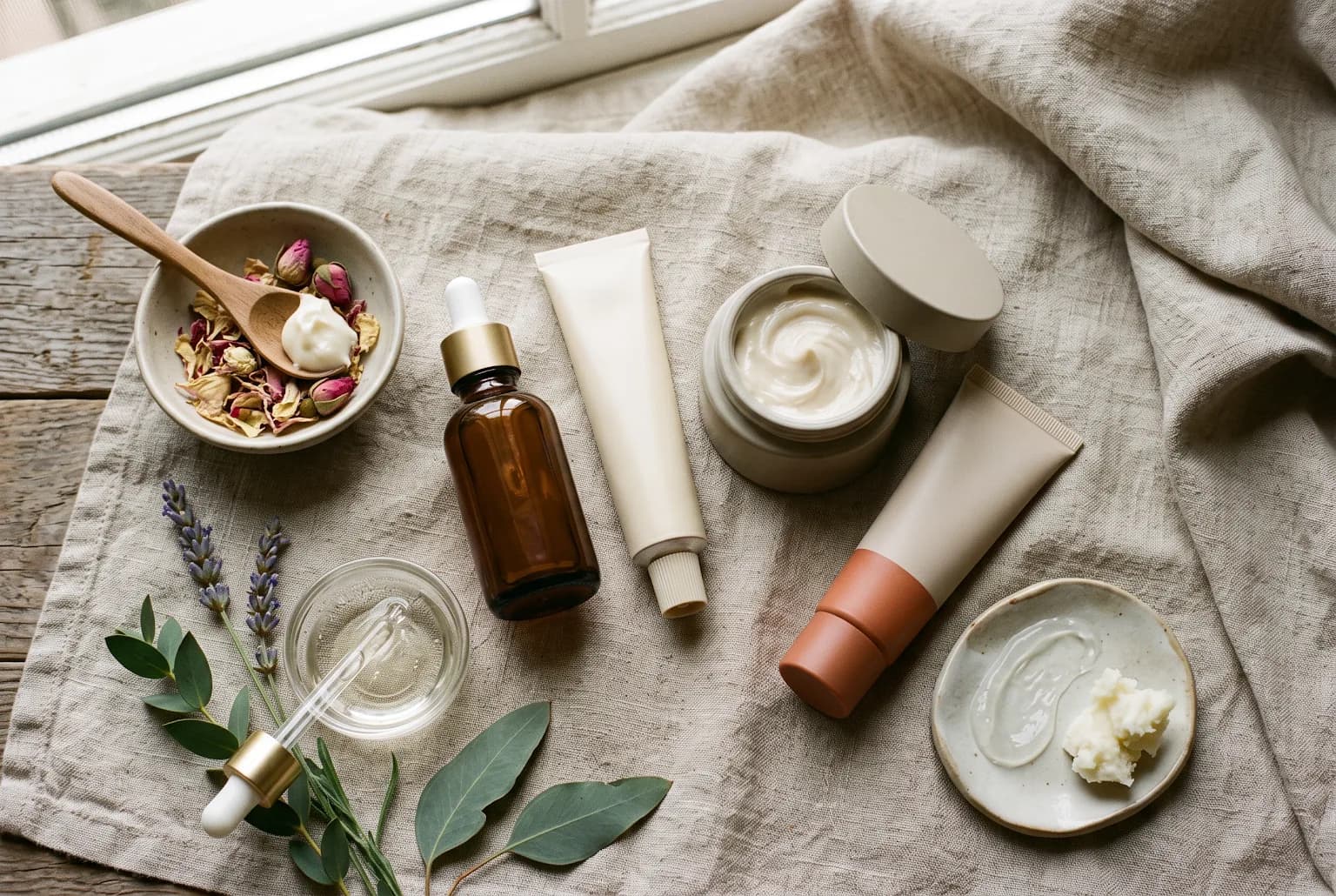
Texture tradeoffs: creams tend to feel nourishing and provide occlusion for drier mature skin, while emulsions and lotions are easier to layer under makeup and often better for combination areas. Gels and lightweight serums absorb faster but may lack occlusive lipids needed at night.
Weekly and targeted maintenance: exfoliation, eyes, neck
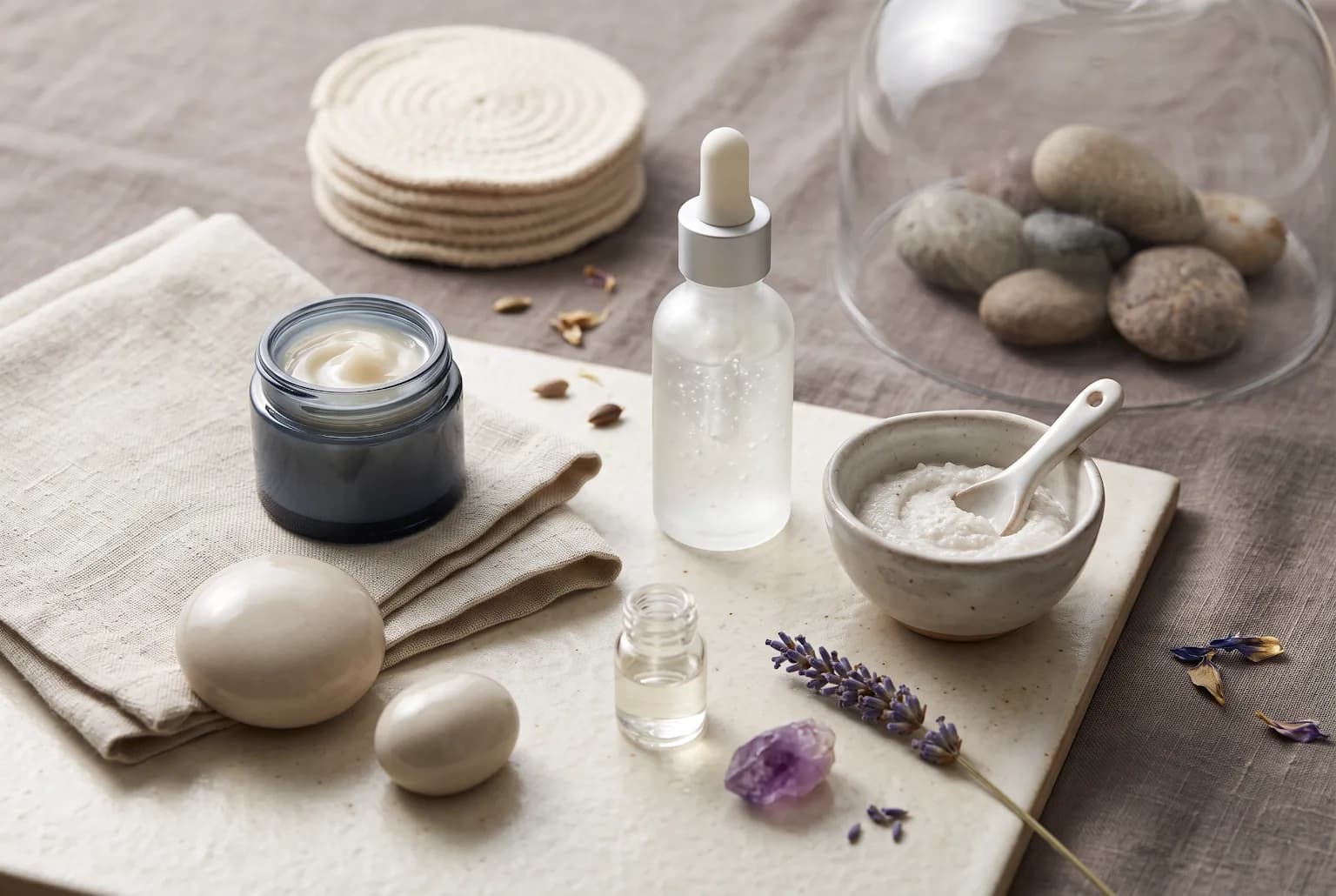
Weekly maintenance is about controlled, gentle support rather than aggressive resurfacing. A single weekly session with a mild chemical exfoliant can help with texture and product penetration if your skin tolerates it. Exfoliation and retinoids both increase sun sensitivity, so schedule them thoughtfully and always pair with diligent daytime SPF.
For the eye area and neck — thin, delicate skin that shows aging early — choose products formulated specifically for those zones. Eye creams with hydrating humectants and lightweight peptides can improve appearance without overdoing active concentrations. Neck formulations tend to be richer; consider a slightly thicker texture or applying your night cream in upward, gentle motions.
When to skip: if you’re repairing the barrier after irritation or using prescription topical medications, pause exfoliation and consult a clinician before adding stronger actives. Start new products one at a time and observe for two to four weeks before introducing another.
How to choose formats and what to review before buying
The product format affects tolerability, layering, and perceived value. Here are the practical tradeoffs to evaluate when comparing options:
- Creams and ointments provide occlusion and are often the best first-line night choice for dry, mature skin.
- Serums deliver concentrated actives in thinner vehicles and are ideal for layering under moisturizers in the morning or evening.
- Emulsions and lotions are easier to blend with makeup and feel lighter; they suit combination skin or warmer climates.
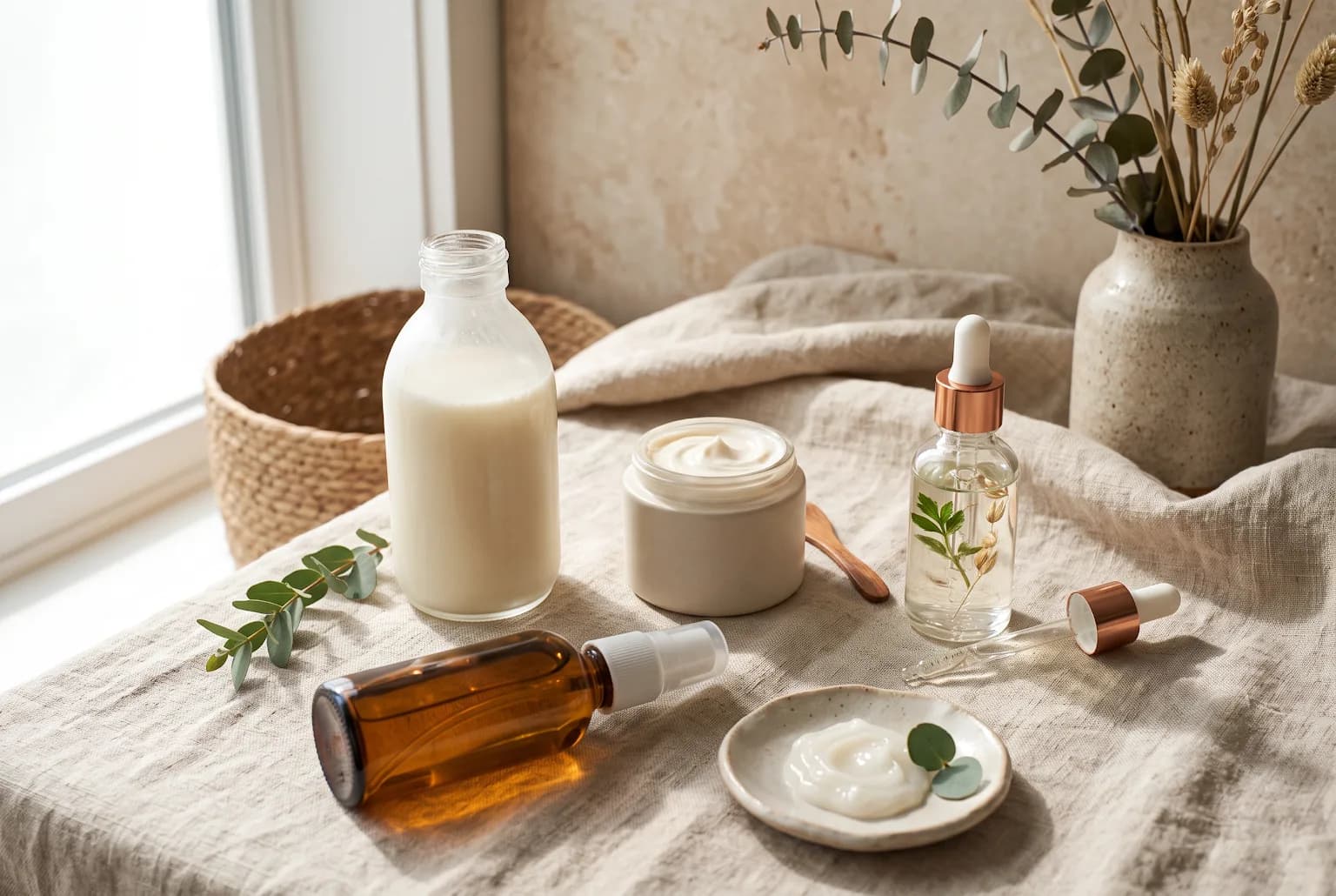
- Oils and balms add lipids and can be valuable as a last step for very dry skin, but they may separate in some formulations and can interfere with sunscreen application if overused.
Consider the dispensing format (pump vs jar) for stability and hygiene: pumps protect sensitive actives like vitamin C and peptides better than open jars. Check ingredient priorities on labels: ceramides, glycerin, humectants, and antioxidants should appear early in the moisturizer or serum ingredient list for product-led selections.
Building tolerance: sensible progressions and timing
Introduce new actives slowly. If you’re adding a retinoid, start with applications every third night or week-on/week-off depending on tolerance, and increase frequency as your skin adapts. Pairing retinoids with a hydrating, peptide-rich moisturizer reduces flaking and sensitivity. Monitor for persistent redness, burning, or compromised barrier; if these occur, reduce frequency and prioritize reparative barrier steps.
If you have reactive or prescription-treated skin, consult a dermatologist before layering multiple prescription-strength topicals. Sunscreen is non-negotiable once you use chemical exfoliants or retinoids because they raise photosensitivity.
Practical morning and evening routine steps you can follow tonight
- AM routine (simple, barrier-first):
- Gentle cleanser — rinse with lukewarm water.
- Antioxidant serum (optional for sensitivity) — apply to mostly dry skin.
- Moisturizer with ceramides/glycerin — smooth evenly.
- Broad-spectrum SPF 30+ every morning as the final step.
- PM routine (start slow with actives):
- Gentle cleanser.
- If using retinoid: apply a pea-sized amount to dry skin, start 1–3× per week.
- Follow with a richer moisturizer or a hyaluronic/peptide cream to maintain barrier integrity.
- Weekly: a single gentle chemical exfoliant (lactic acid or low-strength AHA) if tolerated; skip on the night after aggressive retinoid use until tolerance established.
Pricing and value decisions
Higher price does not always equal better results. Evaluate products on formulation priorities — ceramide and humectant content, presence of evidence-based actives in appropriate vehicles, and packaging that preserves stability. A well-formulated affordable product with priority ingredients will typically outperform a higher-cost product with a fanciful sensory profile but limited functional actives.
If shopping for a night moisturizer specifically designed for sensitive mature skin, consult format guides and ingredient-first resources to compare textures and clinical tradeoffs. For example, a barrier-focused night cream with ceramides and glycerin will provide a stronger foundation than a light serum-only night approach for chronically dry mature skin. See our deeper primer on night moisturizers for sensitive mature skin for format and ingredient guidance: .
Frequently asked questions
What is the simplest skincare routine for aging skin?
A minimalist, effective plan is: gentle cleanser, antioxidant serum in the morning, moisturizer with ceramides, daily SPF, and a gradual introduction of a retinoid at night with a richer moisturizer. Prioritize barrier repair before increasing active frequency.
How do I introduce a retinoid without triggering irritation?
Start with a lower-strength formulation and apply it on dry skin every third night or even less often. Increase frequency slowly as your skin tolerates it and pair with hydrating, ceramide-rich moisturizers. If irritation persists, pause and focus on barrier rebuilding.
Do I need a separate eye cream and neck product?
Eye and neck skin are thinner and may benefit from targeted formulations with humectants and peptides. A dedicated eye cream can be gentler and better concentrated for the orbital area; a slightly richer neck cream can help with hydration and comfort. These are optional but often useful for targeted needs.
How often should I exfoliate if I use retinoids?
Exfoliate conservatively — once a week with a mild chemical exfoliant is often sufficient for mature skin. Avoid combining strong exfoliation and retinoids on the same night until you know your tolerance, and always use daytime SPF.
Related Reading
- Create a skincare routine you’ll actually follow: a short audit and simple AM/PM plan
- How to build a custom skincare routine that actually works
- Fine Lines Treatment: A Smart, Layered Routine That Makes Sense
Sources
- Allure — best moisturizers and ingredients for mature/aging skin (https://www.allure.com/gallery/best-wrinkle-cream)
- Mayo Clinic — retinoid and vitamin C guidance (https://www.mayoclinic.org/diseases-conditions/wrinkles/in-depth/wrinkle-creams/art-20047463)
- NBC News Select — derm-recommended routines for mature skin (https://www.nbcnews.com/select/shopping/best-moisturizers-mature-skin-rcna347410)
- Best face cream for mature skin: an ingredient-first buyers’ guide ()
- Best facial toner for mature skin: a barrier-first buyer’s guide ()
Clear guidance, checked before publication.
Solvi articles are structured by our editorial team and reviewed for clarity, consistency, and responsible health language. We update pages when guidance or product information changes.

Naomi Chen
Skincare Ingredients Writer. Naomi reads ingredient lists for fun and loves translating formulation language into advice that makes sense at the bathroom mirror. Hydration, barrier care, and sensitive-skin formulas are her favorite rabbit holes.