The best skincare routine for acne: a simple, two-step daily approach


Introduction
The best skincare routine for acne pairs a short, consistent morning protocol with a focused nightly program. Start each day with a gentle, non-abrasive cleanse, apply targeted daytime actives like salicylic acid or benzoyl peroxide as needed, and always wear broad-spectrum SPF. At night, prioritize a topical retinoid (adapalene or tretinoin) and a non-comedogenic moisturizer to support barrier recovery.
This article outlines textures, sequencing, tradeoffs, and a 4-week escalation plan so you can choose products and timing that balance efficacy with tolerability. If your acne doesn't improve within 6–8 weeks, the right next step is a dermatologist visit to consider prescription therapies.
Morning basics for acne-prone skin
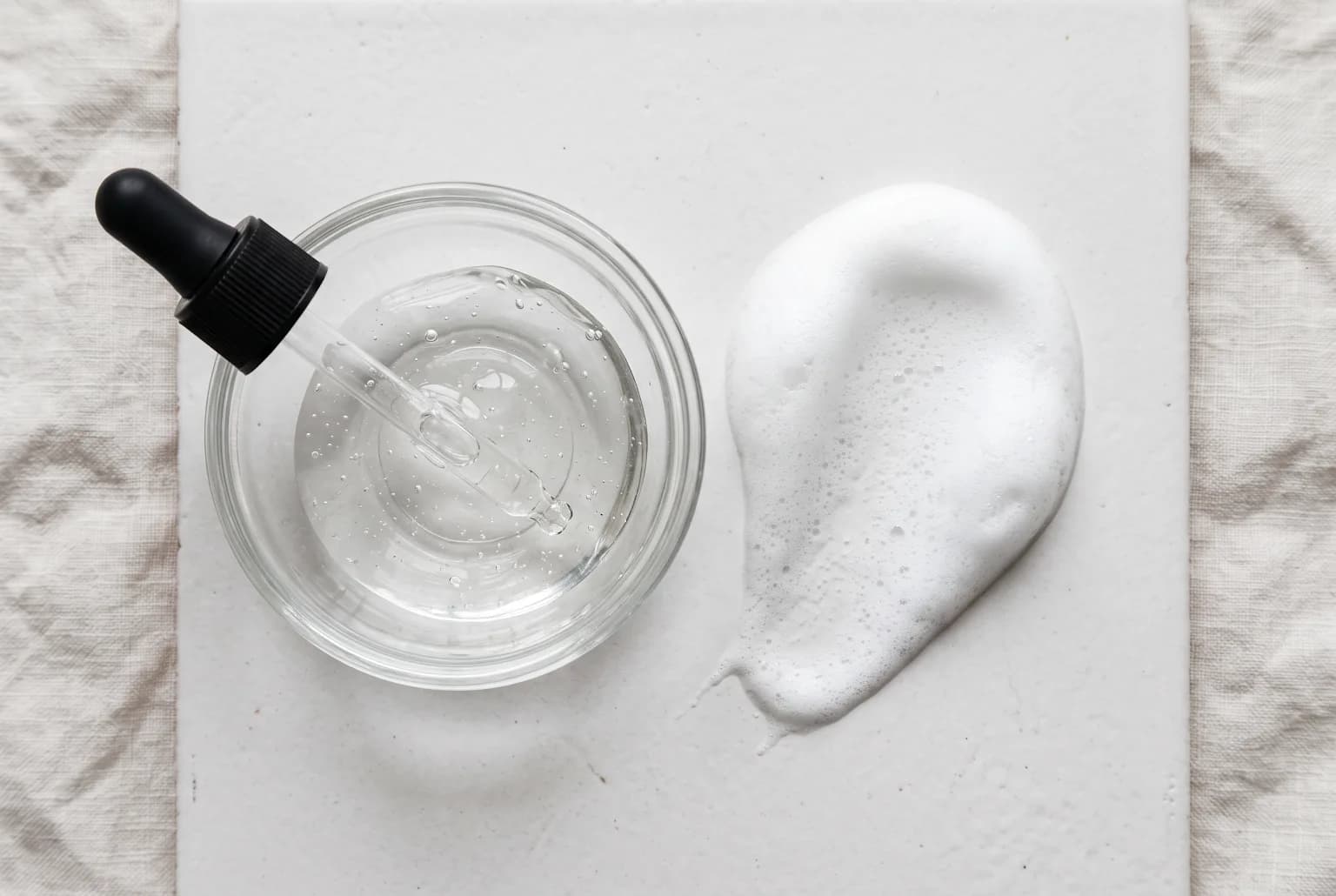
A calm, short morning routine limits irritation and readies skin for daytime protections. Cleanse with a soap-free gel or micellar-based formula that removes excess oil without stripping. If your skin tolerates it, follow with a salicylic acid (BHA) toner or leave-on serum on oily, congested areas—this reduces surface sebum and helps keep pores clear. For inflammatory lesions, many clinicians recommend benzoyl peroxide (BPO) as a daytime spot or thin-layer treatment; its antibacterial activity targets Propionibacterium acnes while reducing inflammation.
Follow actives with a lightweight, non-comedogenic moisturizer only where needed—many oily skins do best with a gel-cream or water-gel texture. Finish with a broad-spectrum sunscreen SPF 30+; mineral or chemical filters work if the formula is labeled non-comedogenic.
Nighttime foundation: retinoid first, then hydrate
Topical retinoids are the cornerstone for both comedonal and inflammatory acne because they normalize follicular keratinization and promote cell turnover. Adapalene is a widely used OTC option; tretinoin appears in prescription strengths. Apply retinoid to fully dry skin at night to reduce initial irritation. If you use stronger exfoliants or high-concentration acids, space them away from retinoid application—either alternate nights or use acids in the morning and retinoid at night.
After the retinoid has absorbed for a few minutes, layer a non-comedogenic moisturizer. Moisturizers limit retinoid-induced dryness and flaking, improving adherence. For oily acne-prone skin, choose thin gel-cream or humectant-forward formulas with ceramides or niacinamide to support barrier repair without adding pore-clogging oils.
Targeted actives and where to place them
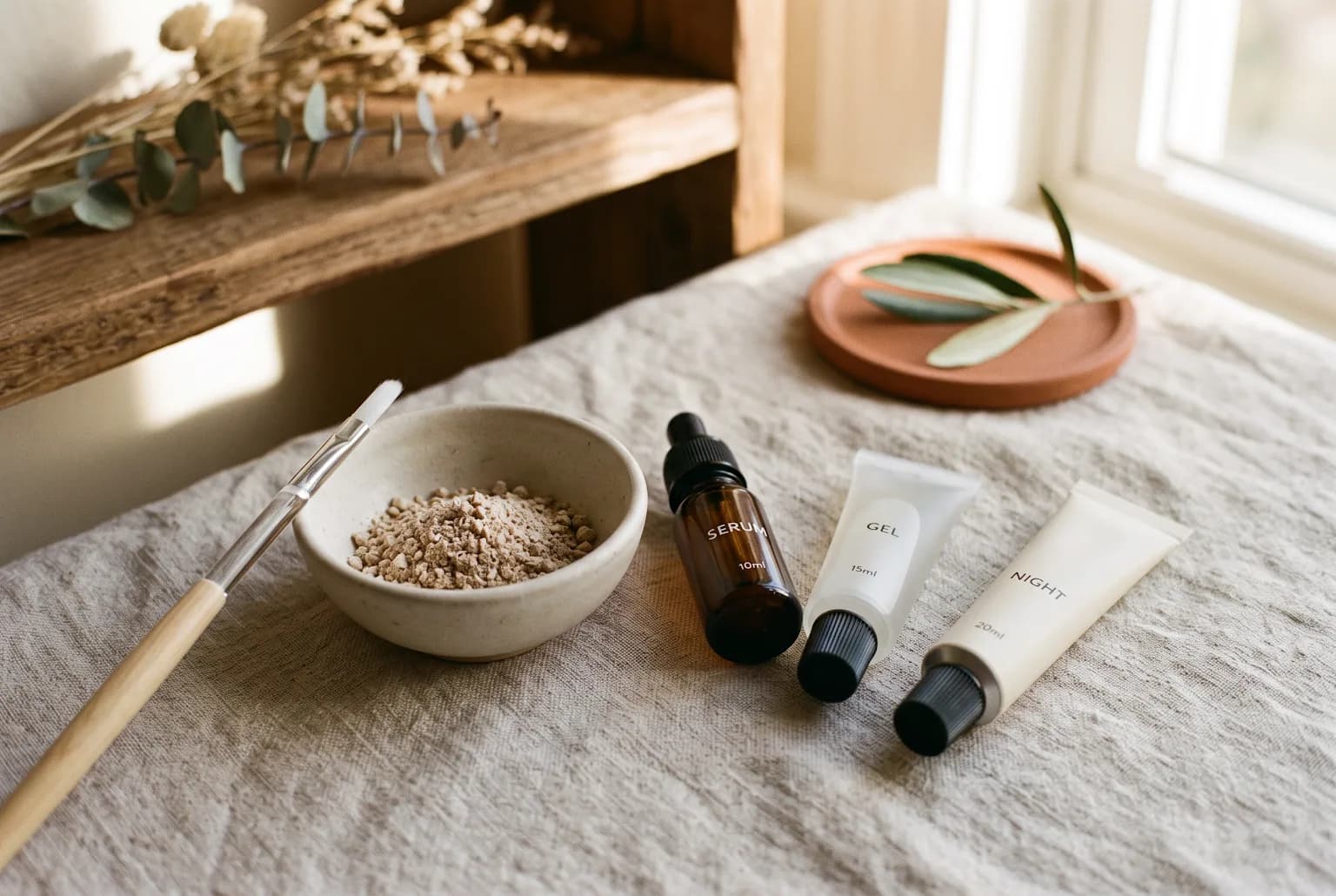
There are three core topical actives to prioritize: topical retinoids (adapalene/tretinoin), benzoyl peroxide (BPO), and beta-hydroxy acids (salicylic acid). Each has strengths and tradeoffs: retinoids treat both comedones and inflammation but can irritate; BPO is anti-bacterial and anti-inflammatory but can bleach fabrics; salicylic acid helps unclog pores and reduce sebum at lower irritation risk.
Table: Quick active comparison
| Active | Primary effect | Typical use case | Tradeoffs |
|---|---|---|---|
| Adapalene/Tretinoin | Normalizes cell turnover, reduces comedones | Nightly full-face or zone application for comedonal acne | Photosensitivity, peeling; requires gradual introduction |
| Benzoyl peroxide (2.5–5%) | Antibacterial, reduces inflammation | Spot therapy or thin daytime layer for inflammatory lesions | Can bleach textiles; may dry skin |
| Salicylic acid (0.5–2%) | Lipophilic exfoliant, unclogs pores | Use on oily, congested T-zone or as weekly leave-on | Lower irritation but avoid with broken skin or heavy layering |
How to choose cleansers and moisturizer textures
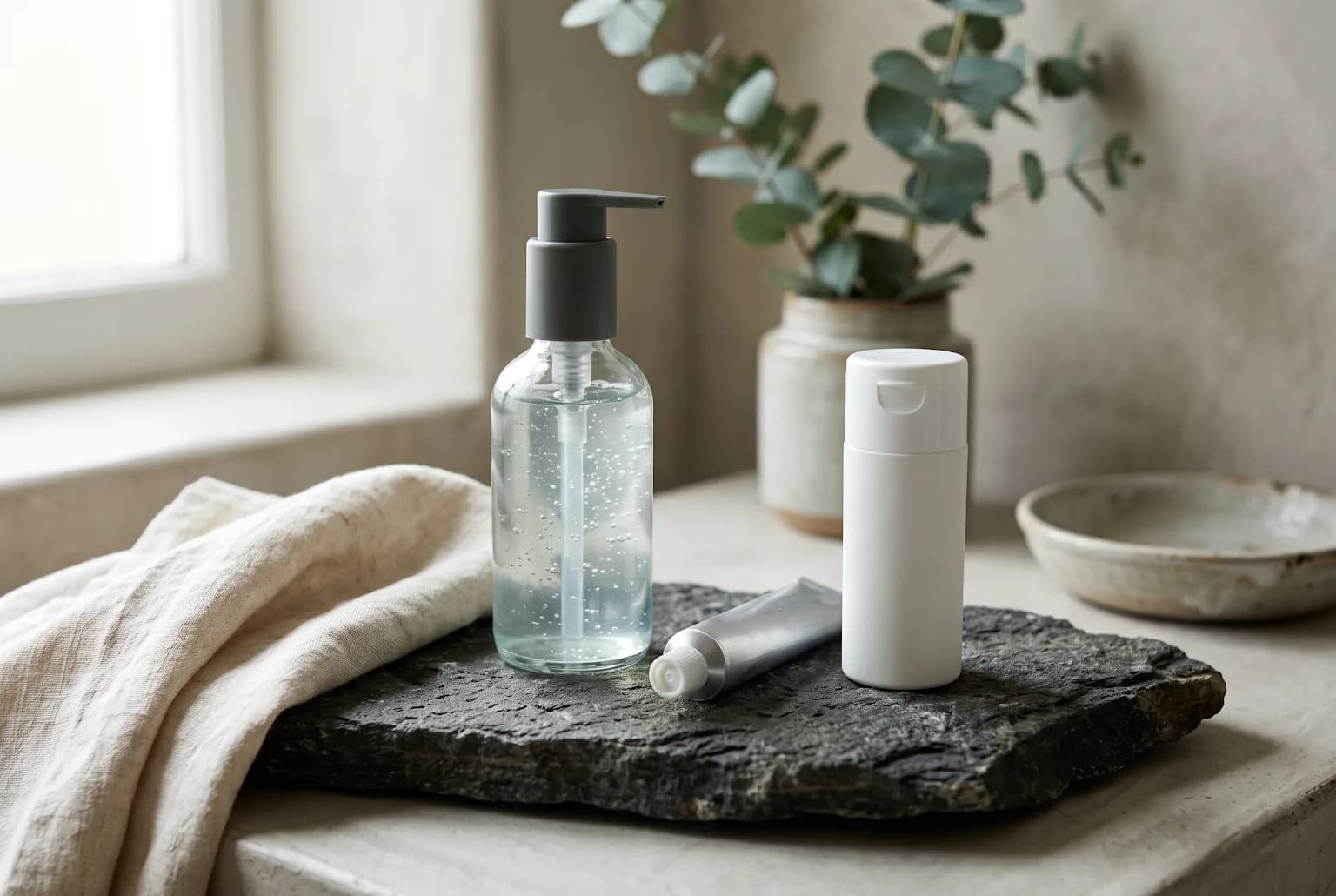
Cleansers and moisturizers are about texture and ingredient profiles: choose textures that match oiliness and sensitivity. For cleansers, gel, cream-to-foam, and micellar types are common. Gel and foaming gels suit very oily skin because they remove sebum efficiently. Cream cleansers provide more cushion for sensitive acne-prone skin that experiences retinoid irritation. Avoid harsh physical scrubs or high-pH soap bars that strip the barrier.
Moisturizer textures include oil-free gels, lightweight lotions, and richer creams. For oily acne-prone skin, prioritize oil-free gel-creams with humectants (glycerin, hyaluronic acid) and barrier-repairing lipids (ceramides). If you have dry or sensitive acne-prone skin, choose barrier-first, richer formulas—see our guide to the Best Moisturizer for Dry, Sensitive, Acne-Prone Skin for examples.
Common decision points:
- If skin shines within an hour: choose a gel-cream with mattifying silica.
- If retinoid stings: shift to a creamier moisturizer and apply with a buffering technique.
- If you want minimal finish: a lightweight lotion or gel will layer comfortably under sunscreen.
Sunscreen and makeup choices that won’t clog pores
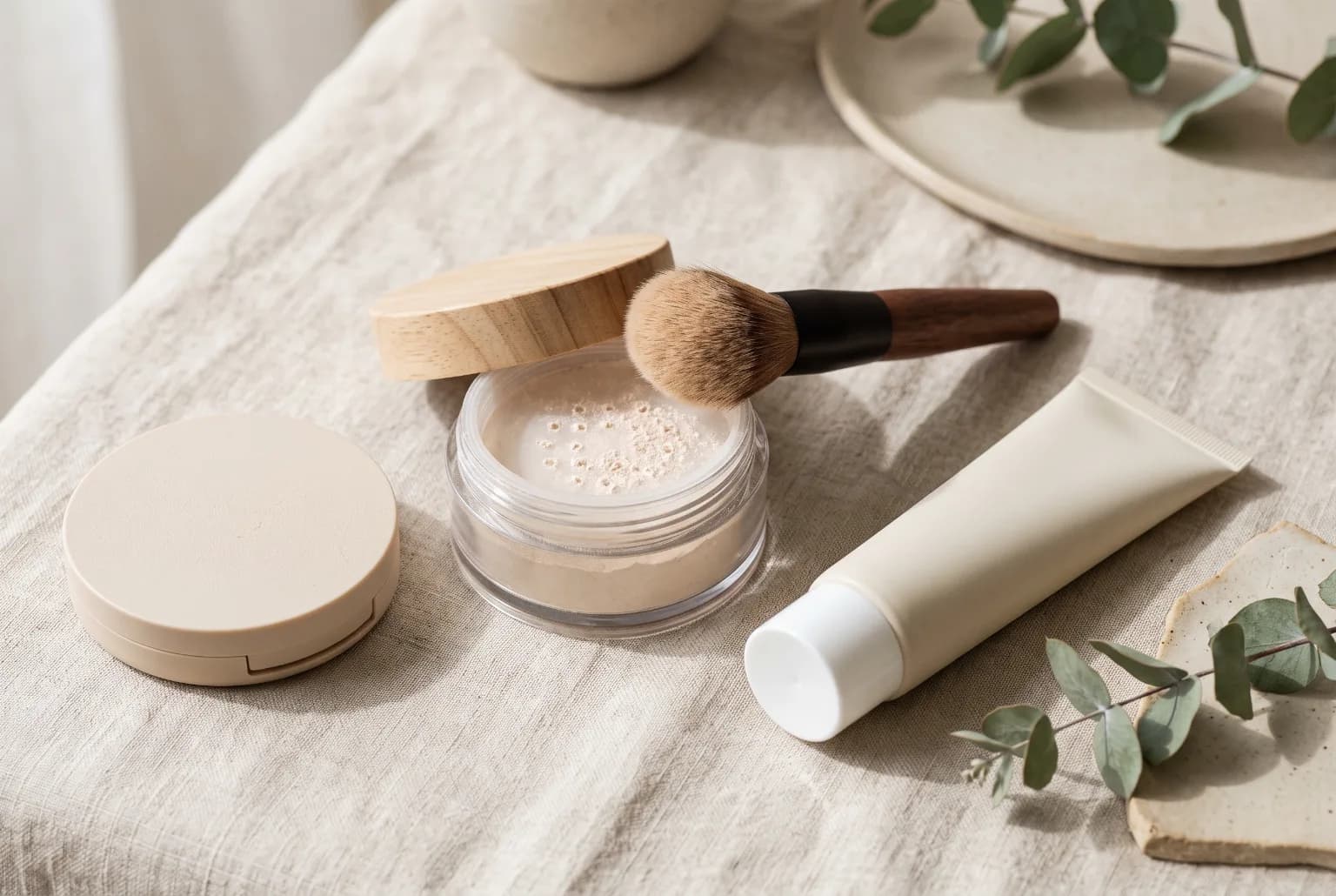
Sunscreen is non-negotiable when using retinoids—these increase photosensitivity and risk of pigment change. Look for SPF 30+ broad-spectrum formulas labeled non-comedogenic. Mineral sunscreens (zinc oxide/titanium dioxide) tend to be less irritating, though some leave a white cast. Chemical sunscreens often feel lighter in texture; seek oil-free, matte finishes for oily acne-prone skin.
For makeup, prefer powder or water-based foundations and avoid heavy silicone- or oil-rich compacts. A translucent mineral powder can reduce midday shine—our face powder guide covers texture choices suited to acne-prone skin Best Face Powder for Oily, Acne-Prone Skin. Test new makeup on a small area first and remove thoroughly at night.
Troubleshooting: irritation, plateau, and when to escalate
Irritation is the most common early problem—redness, peeling, and stinging often come from too-fast introduction of actives or from combining strong exfoliants with retinoids. If irritation occurs, pause active exfoliants, reduce retinoid frequency (every other night), and increase barrier-supportive moisturizing. If BPO causes excessive dryness, lower concentration or switch to spot application.
If you see no meaningful improvement after 6–8 weeks of consistent topical therapy—or if acne is moderate to severe (nodules, cysts, or widespread inflammation)—it’s time to see a dermatologist. Prescription options include higher-strength topical retinoids, topical or oral antibiotics (short courses), hormonal treatments for select patients, and oral isotretinoin for severe, refractory acne. Escalation decisions weigh lesion type, scarring risk, side-effect profiles, and patient preference.
Building a 4-week plan and product checklist
A pragmatic 4-week plan helps you introduce actives safely and judge response. Week 1: morning—gentle cleanse, spot BPO as needed, sunscreen; night—cleanse, retinoid every third night, lightweight moisturizer. Week 2: increase retinoid to every other night if tolerated; keep BPO spot-use in morning. Week 3: retinoid nightly if no irritation; introduce salicylic acid once or twice weekly if congestion persists. Week 4: assess—if inflammatory lesions decreased and comedones improved, maintain; if no change or worsening, seek dermatology evaluation.
Checklist: choose one product per slot to avoid layering conflicts.
- Gentle non-foaming gel or micellar cleanser
- Targeted daytime: benzoyl peroxide (2.5–5%) or salicylic leave-on
- Night retinoid: adapalene 0.1% OTC or prescription tretinoin
- Non-comedogenic moisturizer (gel-cream or barrier-rich cream)
- Broad-spectrum SPF 30+ non-comedogenic sunscreen
Frequently asked questions
How soon should I expect to see results?
Most topical regimens require 6–8 weeks to show visible improvement, because retinoids and exfoliation influence follicular turnover and inflammation over time. You may notice reduced whiteheads sooner, but deeper inflammatory lesions take longer. If you have no meaningful change after 8 weeks, consider a dermatology consult for escalation.
Can I use benzoyl peroxide and a retinoid together?
Yes, but sequence and tolerance matter. Many people use BPO in the morning and a retinoid at night to minimize irritation. If you plan to use both in the same routine, apply a thin layer of BPO to the specific lesion and allow it to absorb, then apply moisturizer; using them at separate times of day reduces combined dryness.
What moisturizer textures work best for oily acne-prone skin?
Lightweight gel-creams and water-gel moisturizers often suit oily acne-prone skin because they provide hydration without heavy occlusion. Look for humectants (glycerin, hyaluronic acid), barrier lipids (ceramides), and soothing agents (niacinamide). If you experience retinoid-related dryness, switch to a slightly richer, non-comedogenic cream at night.
When should I see a dermatologist?
See a dermatologist if you have nodular or cystic acne, scarring, or if topical OTC regimens haven’t improved your acne after 6–8 weeks. A clinician can offer prescription retinoids, combination topical therapies, hormonal options, or oral isotretinoin when appropriate; they’ll balance efficacy, side effects, and long-term goals.
Related Reading
- Create a skincare routine you’ll actually follow: a short audit and simple AM/PM plan
- Step-by-step skincare: the essential steps in a routine
- The Smart, Simple 11 Year Old Skincare Routine: A Parent’s Product Checklist
Sources
- American Academy of Dermatology — acne diagnosis and treatment guidance
- AAD — adult acne treatment and regimen sequencing
- AcnePath / expert routine examples (morning/night sequencing)
Clear guidance, checked before publication.
Solvi articles are structured by our editorial team and reviewed for clarity, consistency, and responsible health language. We update pages when guidance or product information changes.

Sofia Marin
Skincare Routine Editor. Sofia is always refining the order, timing, and purpose of a skincare routine. She likes practical systems that are easy to repeat and quick to adjust when skin changes.