Create a skincare routine you’ll actually follow: a short audit and simple AM/PM plan


Start with a short audit (skin type, sensitivity, main concern, any allergies) and use that to generate two simple sequences: an AM sequence that focuses on cleanse → treat → hydrate → protect, and a PM sequence that focuses on cleanse → targeted actives → moisturizer. Keep the routine to 3–5 core products, add one active at a time, and consult a clinician for medical issues.
How to audit your skin
A practical audit is the single best shortcut to create a skincare routine that fits your skin and your schedule. Ask these four quick questions and write the answers down: skin type (oily, dry, normal, combination), sensitivity (yes/no), your primary concern (acne, aging, pigmentation, texture), and any known allergies or medications. That small dataset guides product selection and sequencing without overwhelm.
Use the audit outcomes to pick textures and actives that suit your lifestyle. If you have oily skin and prefer minimal texture, gel cleansers and lightweight gels or water-based serums will be easier to live with. If your skin is dry and you shower with hot water, thicker creams and oil-based serums can restore barrier lipids faster.
| Audit result | Recommended textures | Why it works |
|---|---|---|
| Oily or acne-prone | Gel cleanser, lightweight lotion or gel moisturizer | Minimizes pore-clogging and excess shine while leaving room for actives |
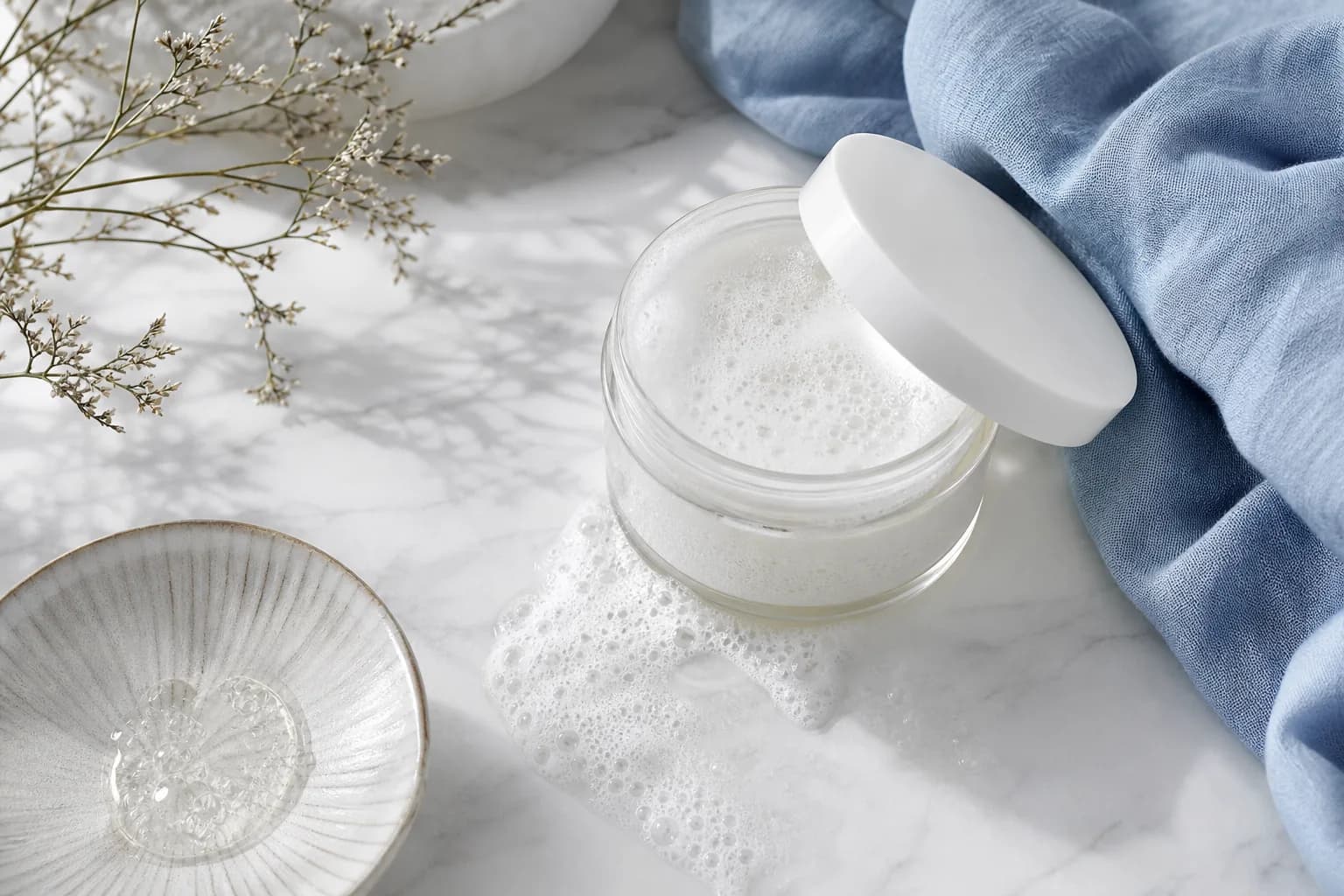
| Dry | Cream cleanser (or balm), richer cream or facial oil | Restores lipids and reduces tightness; supports overnight barrier repair |
| Combination | Gentle cleanser, zone-specific moisturizers (gel on T-zone, cream on cheeks) | Balances differing needs without extra products |
| Sensitive | Fragrance-free, low-risk hydrators (hyaluronic acid, ceramides) | Lowers irritation risk; introduces actives slowly |
Build your AM and PM sequence
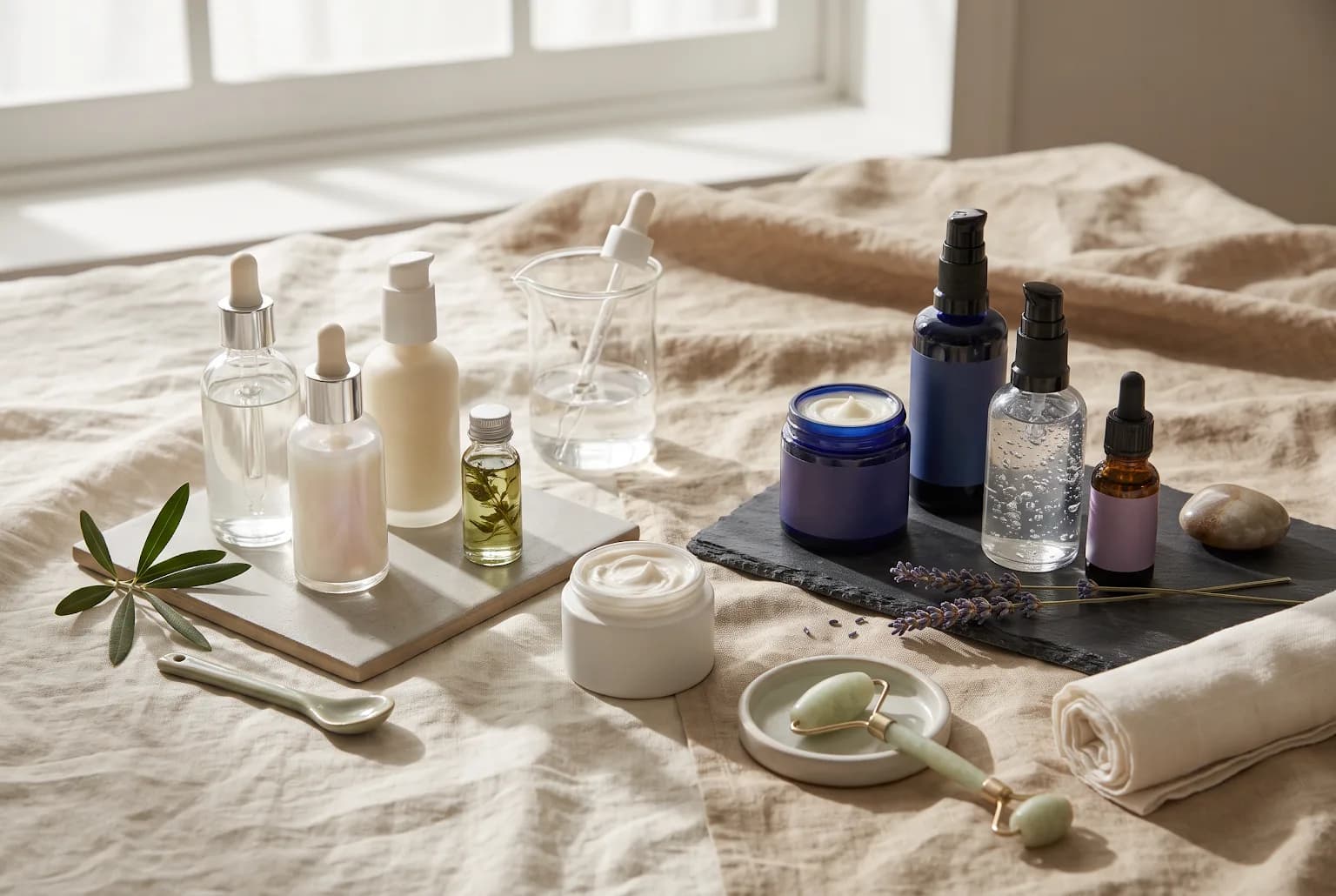
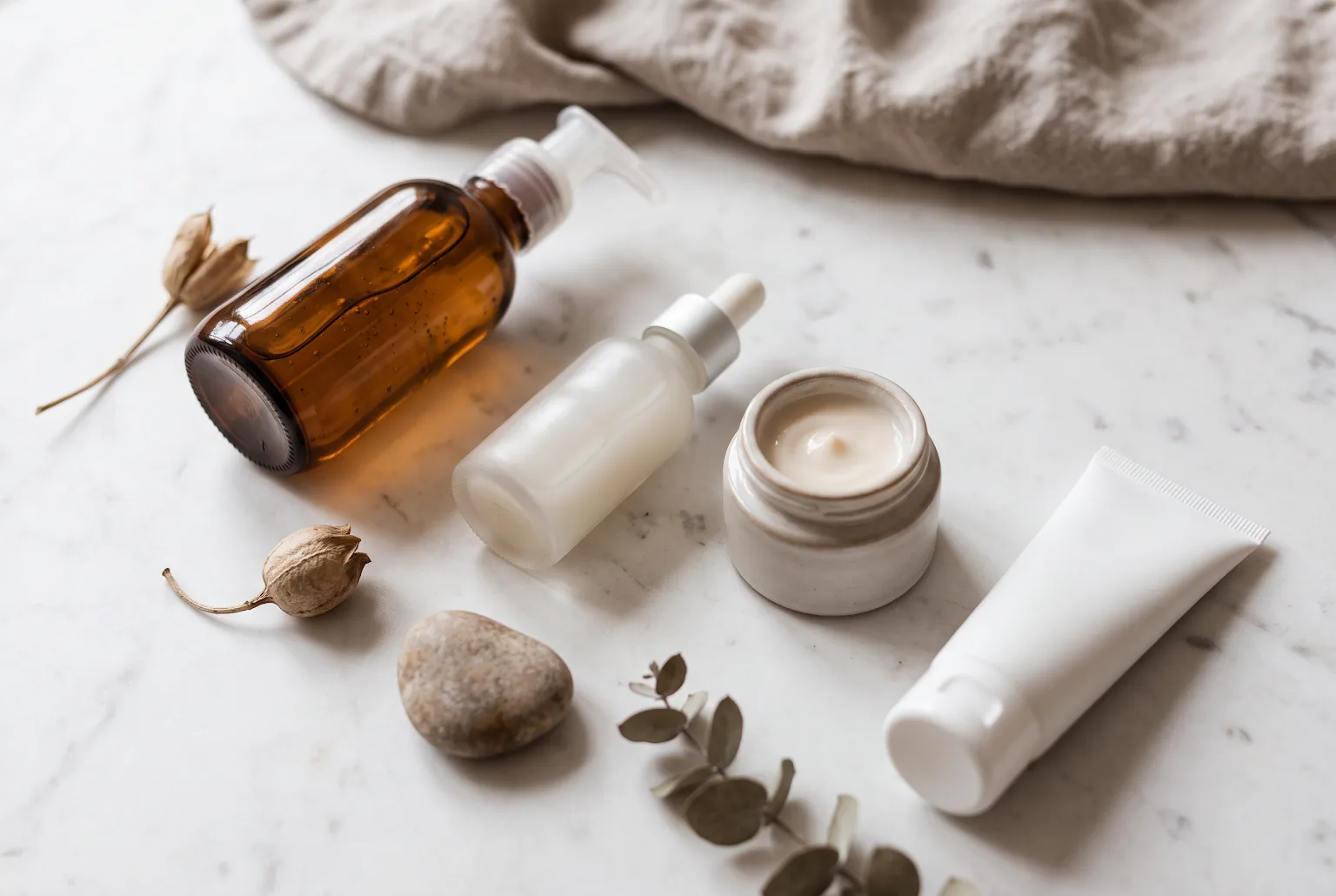
The sequence matters more than the brand: order creates outcomes. For AM, think cleanse → treat (antioxidant/brightener) → hydrate → sunscreen. For PM, cleanse → targeted active (retinoid, AHA, azelaic acid depending on concern) → moisturizer. Favor 3–5 products total so you actually use them every day.
Core product categories (a simple checklist to create a skincare routine):
- Cleanser: choose a texture that removes your day’s oil/makeup without stripping.
- Treatment/serum: one targeted active (vitamin C, azelaic acid, or hyaluronic acid).
- Moisturizer: light or rich depending on barrier needs.
- Sunscreen (AM only): daily SPF 30+ physical or chemical formula.
- Optional: spot treatment or targeted antibiotic as prescribed.
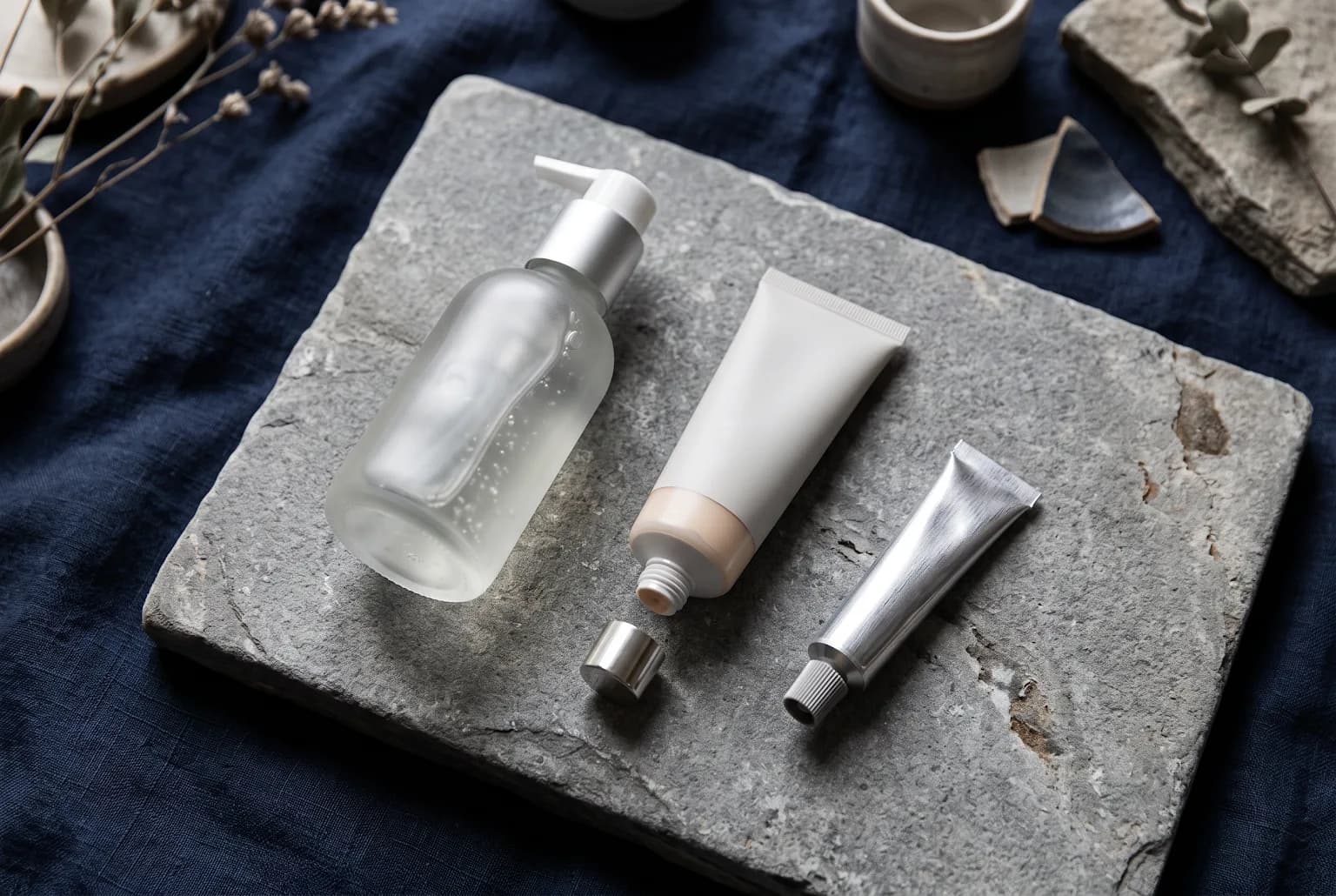
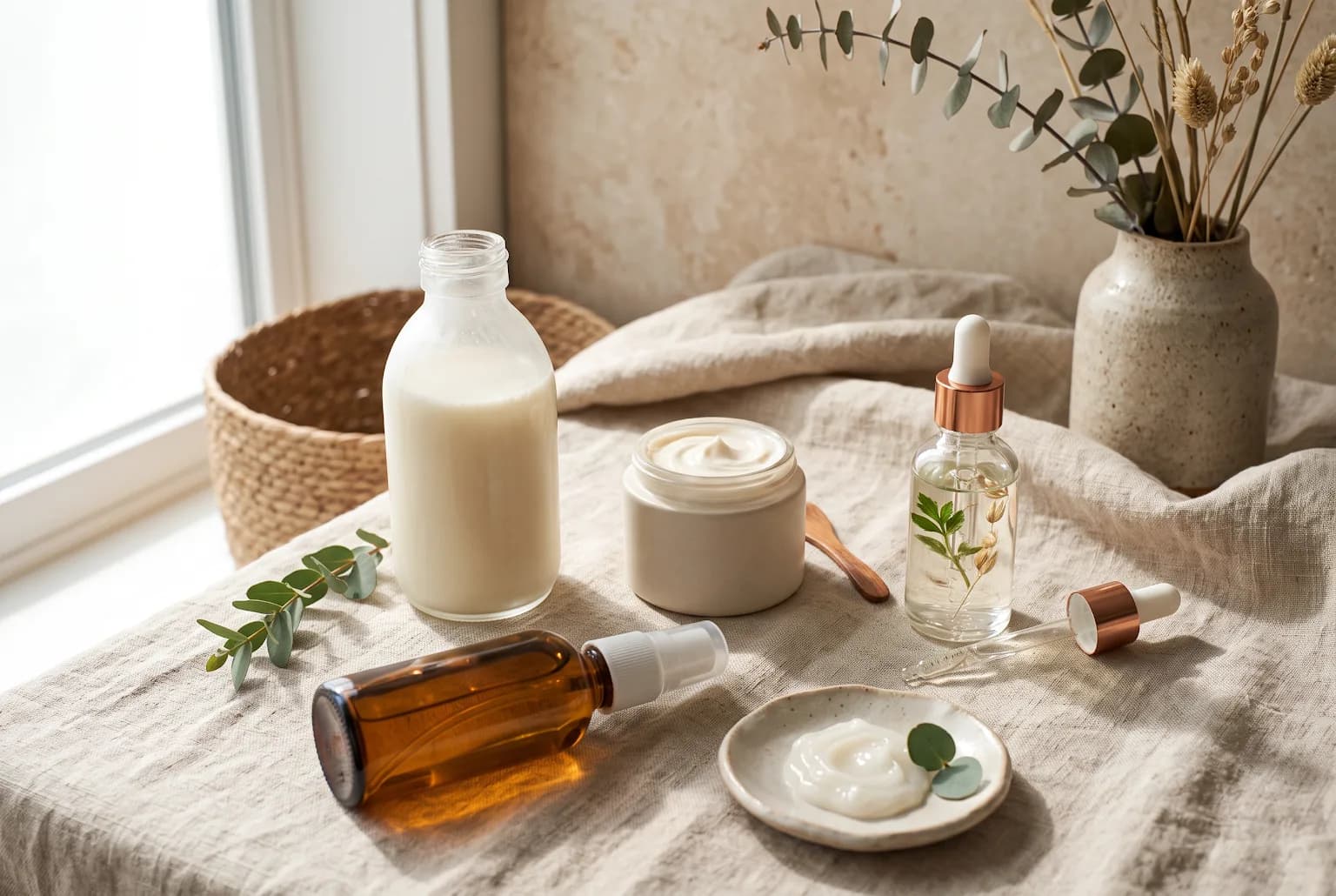
When you select formats, review tradeoffs: serums deliver higher concentrations quickly, creams improve barrier repair, and oils are efficient for very dry skin but can sit heavy on combination types. If you want deeper dives into AM minimalism, our guide on a good morning routine explains balance and finishes: .
Introduce actives safely
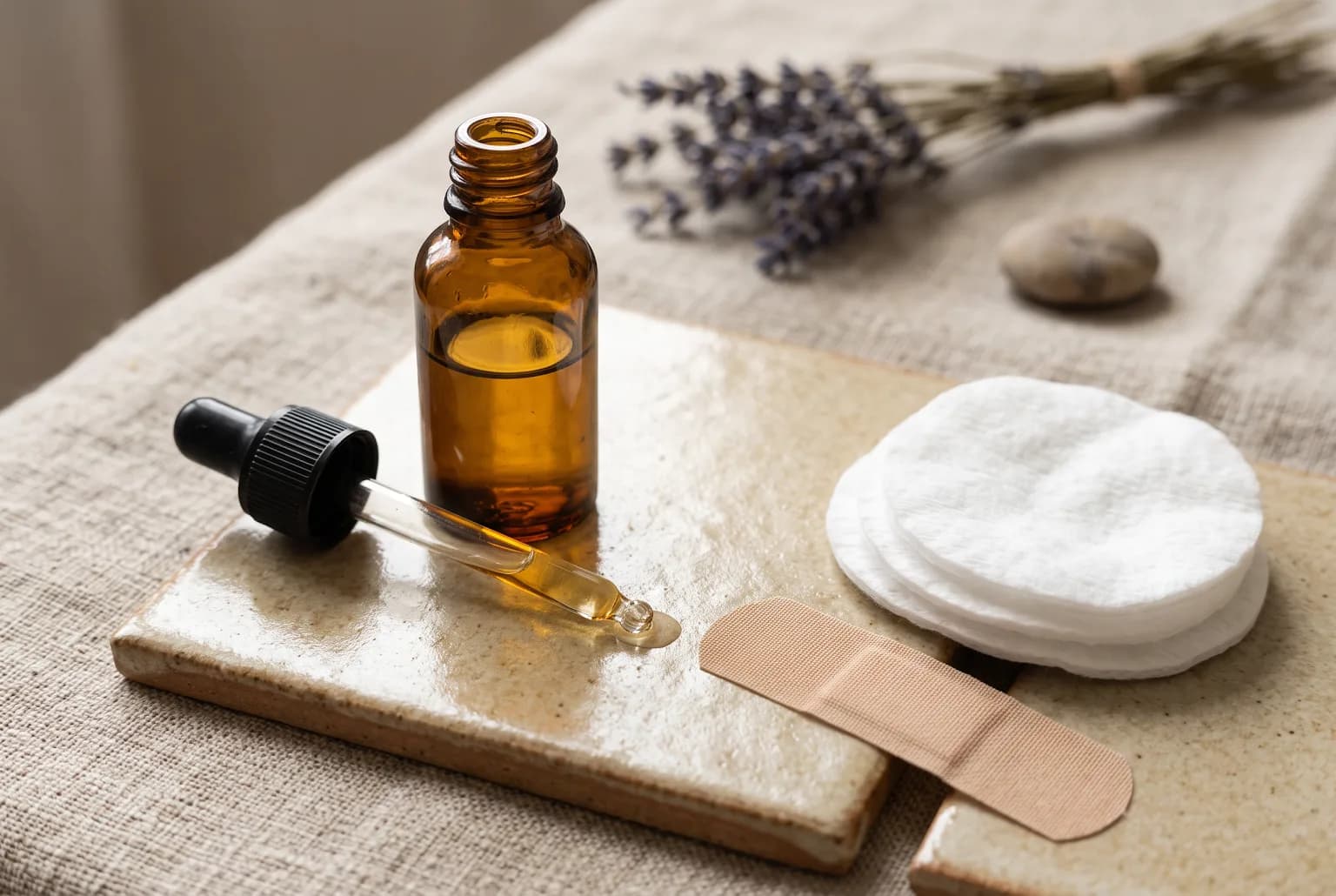
Actives are where routines get results — and risks. The simplest safety rule is one active at a time. Introduce a single new ingredient and wait two to four weeks before adding another. This cadence helps attribute any irritation to the right product and reduces the chance of compounding sensitivity.
Patch testing steps (routine-style):
- Apply a pea-sized amount of the new product to a discreet area (behind the ear or inner forearm).
- Wait 24–48 hours and check for redness, swelling, or itching.
- If no reaction occurs, use the product every third night for the first two weeks, then increase to every other night before moving to nightly use.
Which actives for which concern? Follow the audit. For acne, choose evidence-backed topical options and consider professional lanes for prescription therapies. For pigmentation, brightening serums with ingredients tailored to your tolerance are best; our dark spots guide covers formulation choices: .
Texture, tradeoffs and how to choose products
Textures matter because they shape adherence. A heavy cream you dislike will sit unused; a silky gel you like will become part of your ritual. Decide which formats you tolerate each season and buy a backup: travel size for gym bags, pump for bathroom counters, and a jar at your vanity.
Compare format tradeoffs in this quick table so you can prioritize what to test first:
| Format | Best for | Tradeoffs |
|---|---|---|
| Serum (liquid/dropper) | Fast absorption, concentrated actives | May be pricier per ounce; can sting sensitive skin |
| Cream | Barrier repair and long wear | Can feel heavy on oily zones |
| Gel | Lightweight hydration, good under makeup | Less occlusive for very dry skin |
| Oil | Deep nourishment, good over retinoids | Can clog pores for acne-prone skin |
| SPF lotion | Daily protection, easy to layer | Some leave whitecast; choose formula for skin tone |
Rotation strategies: some people prefer skin cycling (scheduled nights for retinoid vs. acid vs. recovery) while others use a simpler every-night single-active approach. If you’re unsure, start with nightly low-dose and escalate by tolerance. For more on night routines that actually work, see our practical guide: .
Shopping checklist and red flags to review
When you buy a product to create a skincare routine, evaluate these specifics: ingredient focus (what active is doing the work), concentration hints (higher is not always better), preservatives and fragrance (avoid fragrant formulations if sensitive), and price-per-use (value matters for consistency). A starter kit that pairs an AM moisturizer with a PM serum can be a low-risk path for beginners — many routine builders follow this simplified model: cleanser → serum → treatment → moisturizer → SPF (AM).
Quick red flags to avoid mixing into one routine:
- Multiple strong exfoliants at once (AHA + BHA + high-dose retinoid).
- Overcomplicated layering of five actives you change nightly.
- Apps or quizzes that demand extensive health data without a clear privacy policy — check storage practices.
If you want product-format guidance for a specific skin type, our zone-first shopping guide for combination skin helps balance textures across zones: . For a men-specific take on keeping routines simple and effective, see: .
A sample 5-step starter routine you can copy
Keep this template on your phone and adjust by the audit. Swap textures but keep sequence.
AM (5 steps):
- Gentle cleanser — rinse with lukewarm water.
- Antioxidant serum (vitamin C or azelaic acid if sensitive) — pat onto damp skin.
- Lightweight moisturizer — lock in hydration.
- Broad-spectrum SPF 30+ — apply 1/4 to 1/2 teaspoon for face.
- Optional makeup or lip protection.
PM (4 steps):
- Double cleanse if wearing sunscreen or makeup (oil or balm, then gentle cleanser).
- Targeted active (start low frequency for retinoids/AHAs).
- Moisturizer or cream to restore the barrier.
- Occasional spot treatment as needed.
Frequently asked questions
How many products should I use in my routine?
Aim for three to five core products. This range balances efficacy and adherence: a cleanser, a targeted treatment/serum, a moisturizer, and an SPF for mornings. Optional items include an occasional exfoliant or spot treatment depending on concerns.
How do I pick a sunscreen that won’t pill under makeup?
Choose formulations labeled as "non-comedogenic" or "lightweight" and look for textures (gel or fluid) if you wear makeup. Test a small area before committing and allow your sunscreen to set for a minute before applying products on top.
Can I use acids and retinol together?
Not at first. Start with one active at a time and wait to add another after two to four weeks if there’s no irritation. Some people later stagger acids and retinoids on alternate nights or use lower concentrations under clinician guidance.
My skin is sensitive — what’s the safest way to introduce new products?
Patch test a new product on the inner forearm or behind the ear for 24–48 hours. If clear, start with application every third night for two weeks, then increase frequency as tolerated. Favor fragrance-free, low-irritant formulations.
When should I see a dermatologist instead of using an app or quiz?
Seek professional help for persistent acne unresponsive to OTC regimens, sudden skin changes, severe dermatitis, or if you need prescription-strength actives. Apps and quizzes are good for routine frameworks but not for medical diagnosis.
Related Reading
- How to build a custom skincare routine that actually works
- The nighttime skincare routine that actually works: steps, textures, and tradeoffs
- The Smart, Simple 11 Year Old Skincare Routine: A Parent’s Product Checklist
Sources
- MySkincare — personalized routine frameworks & algorithmic builders
- Bellisimo Spa — stepwise personalized routine (science-backed)
- Skin Type Solutions — building routines by skin type
Clear guidance, checked before publication.
Solvi articles are structured by our editorial team and reviewed for clarity, consistency, and responsible health language. We update pages when guidance or product information changes.

Sofia Marin
Skincare Routine Editor. Sofia is always refining the order, timing, and purpose of a skincare routine. She likes practical systems that are easy to repeat and quick to adjust when skin changes.