How to build a custom skincare routine that actually works


Create a custom skincare routine by starting with a concise skin audit, repairing the barrier first, and then adding one targeted active at a time. Use the AM/PM framework—cleanse, treat, hydrate, protect—and favor formats and sequencing that match your tolerance and lifestyle.
Audit your skin
A practical custom routine always begins with a simple audit: determine your skin type (oily, dry, combination, normal), evaluate barrier health (tight, flaky, reactive), and list your top two concerns (e.g., acne, dark spots, fine lines, sensitivity). Don’t over-index on every perceived flaw; prioritize one primary concern and one maintenance goal such as hydration or barrier repair. If you are using prescription medications, note them here so you can check compatibility before adding over-the-counter actives.
How to perform a fast home audit
Start with three quick checks in this order: cleanse with a gentle face wash, wait thirty minutes, and then observe. If skin feels tight and shows small flakes, that points to barrier stress. If oil resurfaces across the T-zone within an hour, you’re likely combination or oily. If redness, itching, or burning appears, treat the skin as sensitive and lean into calming, non-irritating products.
Key details to record
Keep a short log of: product exposures that caused reactions, how long oiliness lasts after cleansing, what seasons worsen symptoms, and any recent procedures or prescriptions. These notes guide your choices and will be useful if you consult a professional.
Build the core routine

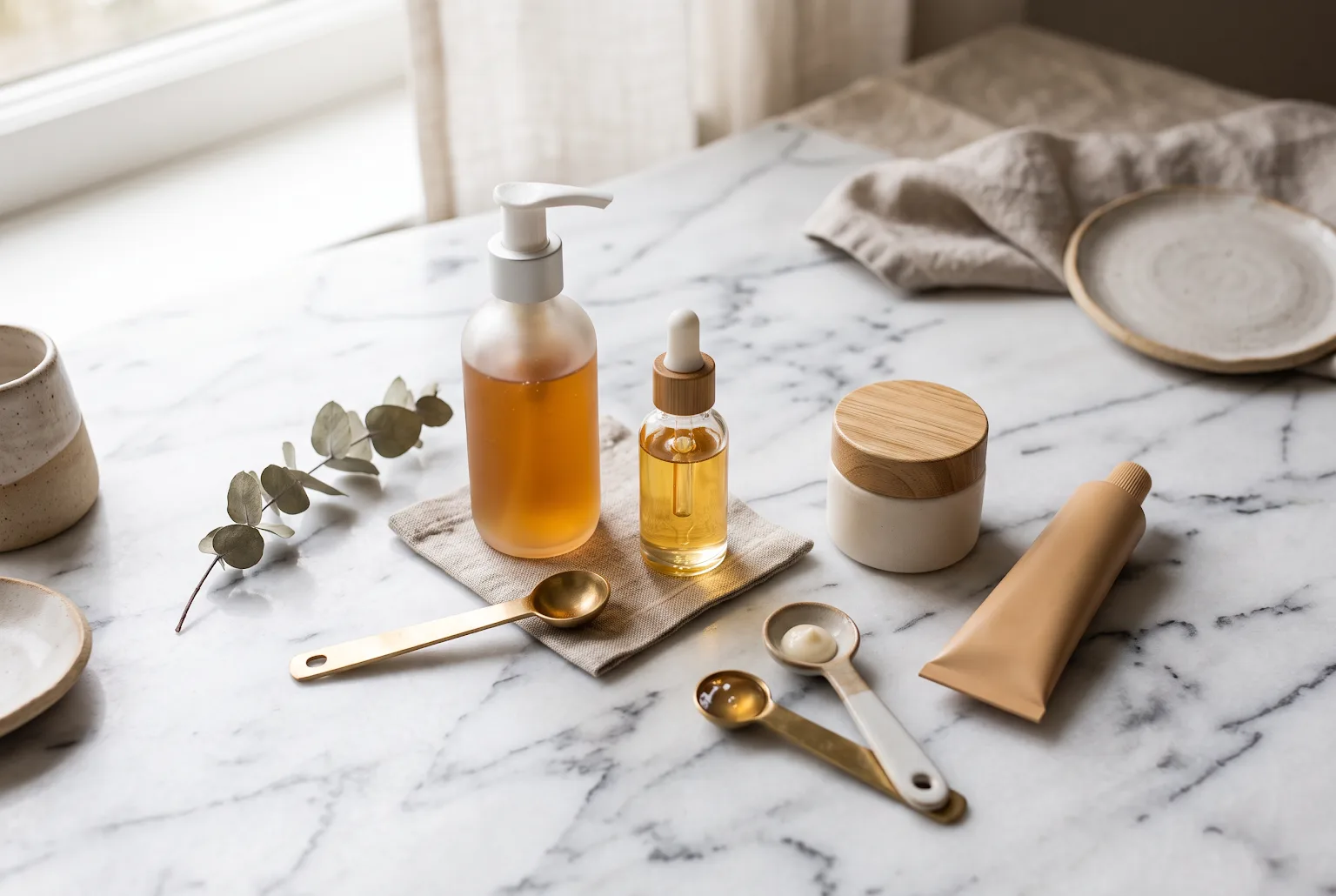
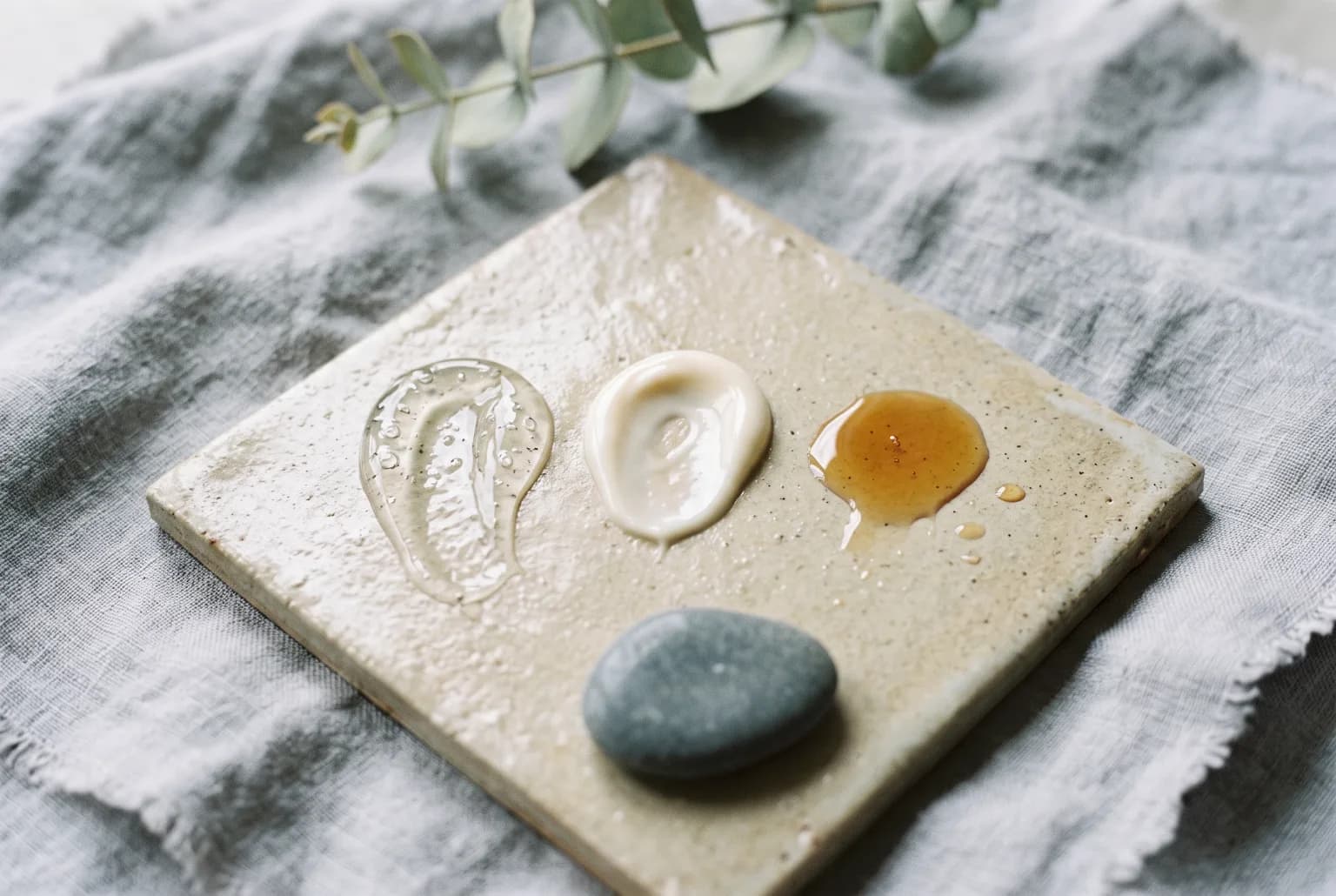
Every custom routine rests on five functional pillars: a cleanser, a hydrator (humectant-rich serum), targeted actives, a moisturizer that reinforces the barrier, and an AM sunscreen. That sequence—cleanse → treat → hydrate → moisturize → protect (AM)—is the practical backbone for most skin types. Choose textures that suit your life: gels for oilier skin, lotions or creams for dry skin, and emulsion or gel-cream hybrids for combination zones.
Compare formats and who they suit
| Format | Typical texture | Best for | Tradeoff/Value |
|---|---|---|---|
| Routine builders (pre-assembled kits) | Pre-curated mix of textures | Beginners wanting simplicity | High convenience; less customization per zone |
| Algorithmic consults / online routine builders | Recommendations plus product picks | People who want a quick personalized plan | Fast and affordable; review privacy policy for personal data |
| Custom lab blends (compounding) | Tailored concentrates | Complex prescription needs or unique sensitivities | Highly personalized; higher cost and longer lead time |
Texture and layering basics
Layer light-to-heavy and water-first before oil-based products. Serums with water-soluble actives (vitamin C, hyaluronic acid) go on prior to oils and richer creams. If you plan to use both a hydrating serum and an active like a retinoid, apply the hydrating serum first to help buffer irritation unless the active’s instructions specify otherwise.
Introduce and track actives

Add only one new active at a time and allow two to four weeks to observe effects; this avoids confusion when reactions appear. Keep a reaction log with the product name, start date, frequency, and any changes (redness, purging, improved texture). When layering actives, consider potency and mechanism: exfoliating acids (AHA/BHA) reduce surface adhesion and should not be stacked immediately with strong retinoids on the same night unless you’re intentionally skin cycling.
A simple four-week introduction plan
- Week 1: Start moisturizer and hydrator nightly; use cleanser and SPF in the morning.
- Week 2: Add your first targeted active 1–2 nights a week (observe).
- Week 3: If tolerated, increase to every other night and continue barrier support.
- Week 4: Move to a tolerated frequency or consult a professional if irritation persists.
- The weekly ramp gives the barrier time to adapt and makes it easier to spot sensitivity.
- If you see stinging, bright flushing, or persistent burning, stop the active and resume only the hydrating and barrier products until the skin calms.
When to consider skin cycling or scheduled nights
If you want to use multiple powerful actives—like a retinoid and an exfoliant—space them across different nights rather than layering. A skin cycling approach can reduce cumulative irritation while still delivering visible results; see our guide to a gentle skin cycling routine for beginners for a tested schedule.
Practical shopping decisions and tradeoffs
When choosing between ready-made kits, algorithmic builders, or custom compounding, weigh convenience, cost, and control. Kits are economical and beginner-friendly but may include redundant or unnecessary items. Algorithmic services are fast and can be tailored for skin type, but you should review their privacy policy before sharing detailed health data. Custom lab blends give the greatest specificity for complex needs, especially when combined with a dermatologist’s input, but they require higher cost and patience.
Who should pick which route
- Choose routine builders if you want a low-friction start and clear step-by-step use.
- Use algorithmic consults if you want inexpensive personalization and are comfortable sharing a skin quiz.
- Opt for compounding when prescriptions, allergies, or multiple active incompatibilities make off-the-shelf options impractical.
The value of texture testing
Sample or travel sizes let you trial textures before committing to a full-size product. Small format testing reduces waste and helps you verify that a thin serum won’t pill under your moisturizer or that a lightweight lotion provides sufficient occlusion overnight.
Privacy, prescription compatibility, and when to see a pro
Review the data policies of any online quiz or app before sharing sensitive skin history. For prescription actives (topical antibiotics, tretinoin, topical steroids), ensure a dermatologist or prescriber clears combinations with OTC actives—some pairings increase irritation or reduce effectiveness. If your primary concerns are medical (severe acne, rosacea, sudden pigment changes), schedule a professional consult before experimenting widely.
A quick compatibility checklist
| Question | Action |
|---|---|
| Are you using a prescription topical? | Ask your prescriber about OTC active compatibility. |
| Do you have a history of frequent reactions? | Favor barrier-repairing ingredients and consult a dermatologist. |
| Are you sharing health details online? | Read the privacy policy and data retention terms. |
A quick, repeatable routine template
Use this minimalist AM/PM scaffold and adapt textures by skin type: AM: gentle cleanse → antioxidant serum or treatment (optional) → hydrating serum → moisturizer → broad-spectrum SPF. PM: gentle cleanse → targeted active or treatment (as tolerated) → hydrating serum → richer moisturizer or occlusive if dry.
- For oily skin: prefer gel cleansers and lightweight gel-cream moisturizers.
- For dry skin: cream cleansers and richer emollient moisturizers at night.
- For combination skin: zone-based textures—lightweight gel in the T-zone, cream on the cheeks; see our products for combination skin guide for shopping tips.
Common layering mistakes to avoid
Applying all actives at once, not waiting between layers (especially when pairing water-based and oil-based products), and skipping SPF are the most frequent missteps. Always finish AM routines with SPF; it’s the single most consistent protector of results from actives.
Frequently asked questions
How long does it take to see results from a new custom skincare routine?
Expect to see initial improvements in hydration and texture within two to four weeks, but meaningful changes from actives like retinoids or pigment-targeting ingredients often take 8–12 weeks. Give single-actives a proper trial and avoid changing multiple variables at once.
Can I mix prescription and OTC actives safely?
Not always. Some prescription topicals can increase sensitivity when combined with OTC exfoliants or retinoids. Check with your prescriber and introduce any OTC active slowly while monitoring for irritation.
Are online routine builders reliable?
They can provide a useful starting point, especially for common skin types and concerns, but read the privacy policy before submitting personal data. For atypical or medical concerns, pair algorithmic recommendations with professional input.
What’s the minimum routine that still counts as "custom"?
A minimal custom routine is three products chosen for your audit: a suitable cleanser, a hydrating serum or product with humectants/ceramides, and a moisturizer plus SPF in the morning. Personalization comes through texture choice, actives selection, and frequency adjustments based on tolerance.
Related Reading
- The nighttime skincare routine that actually works: steps, textures, and tradeoffs
- Create a skincare routine you’ll actually follow: a short audit and simple AM/PM plan
- Fine Lines Treatment: A Smart, Layered Routine That Makes Sense
Sources
- MySkincare — personalized routine by skin type guide
- Bellisimo Spa — science-backed framework for personalized routines
- Skin Spa New York — building custom routines overview
Clear guidance, checked before publication.
Solvi articles are structured by our editorial team and reviewed for clarity, consistency, and responsible health language. We update pages when guidance or product information changes.

Sofia Marin
Skincare Routine Editor. Sofia is always refining the order, timing, and purpose of a skincare routine. She likes practical systems that are easy to repeat and quick to adjust when skin changes.