The Smart, Simple 11 Year Old Skincare Routine: A Parent’s Product Checklist


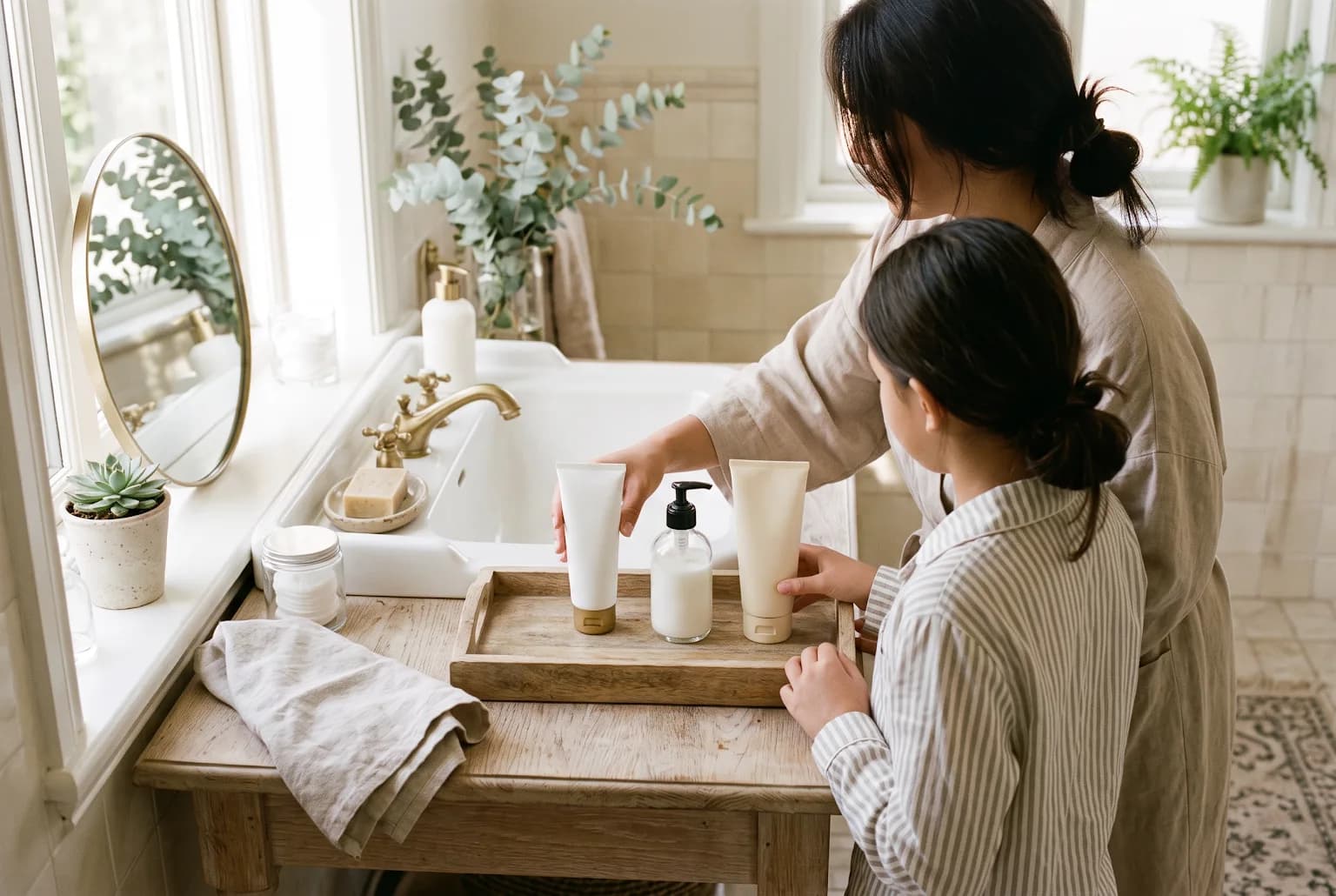
For most children, an 11 year old skincare routine needs only a gentle cleanser, a lightweight fragrance-free moisturizer, and broad-spectrum SPF 30+ in the daytime. Skip the elaborate “preteen” shelf: at this age, fewer formulas mean fewer opportunities for stinging, dryness, or a rash that is harder to trace.
The goal is not glass skin, anti-aging, or a 10-step ritual. It is a dependable, low-drama hygiene and sun-protection habit that can adapt if puberty brings oiliness or the occasional pimple. A parent can make the whole routine feel less like a correction and more like a practical getting-ready step—like brushing teeth, but for the face.
The minimal routine
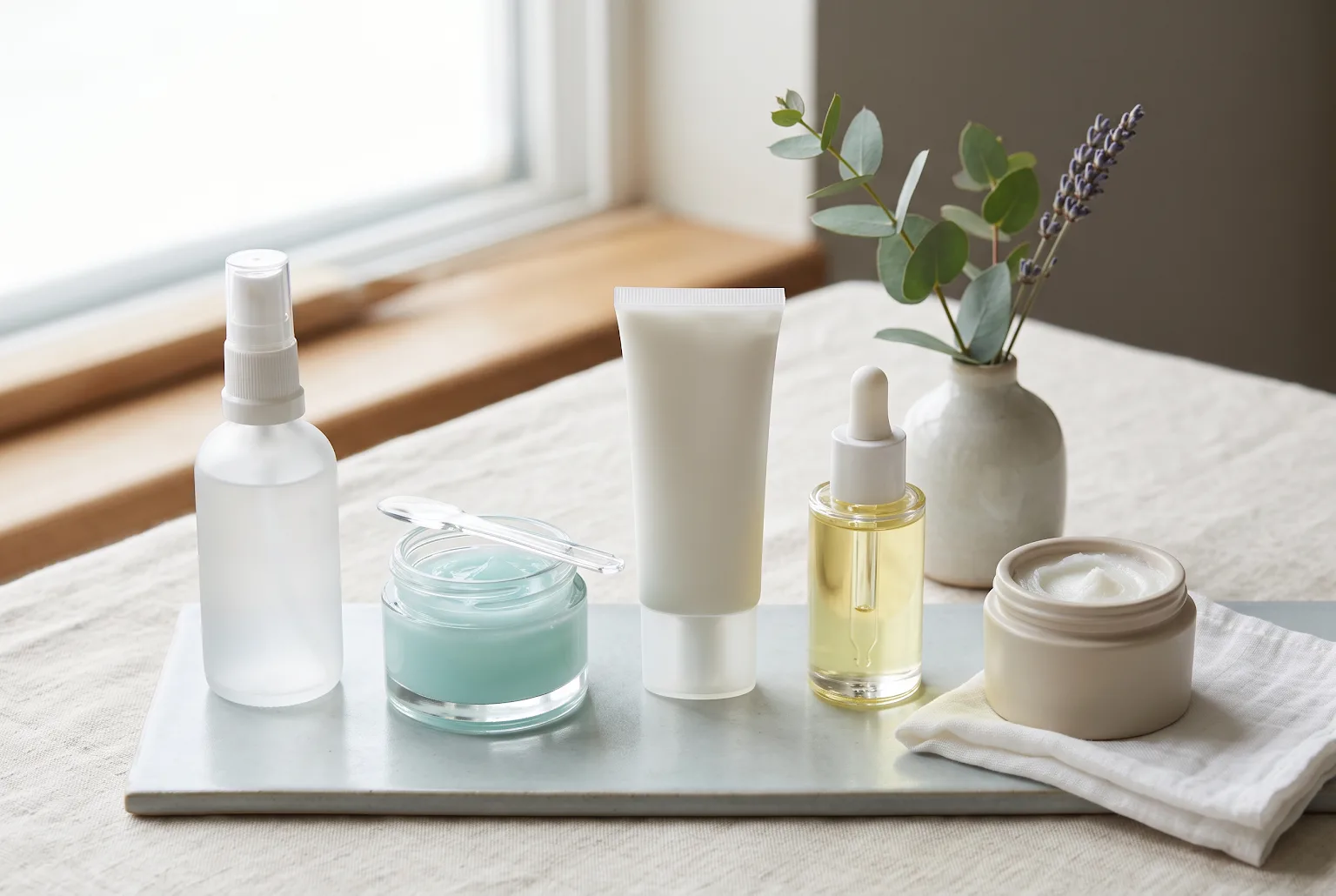
A useful tween routine earns its place by doing one of three jobs: taking off daily grime and sunscreen, supporting the skin barrier, or protecting skin from ultraviolet exposure. Start there before considering anything labeled exfoliating, resurfacing, brightening, or age-defying.
Morning
- Rinse with lukewarm water, or use a gentle cleanser if skin feels oily or sweaty.
- Apply a thin layer of lightweight moisturizer if skin feels dry, tight, or flaky.
- Finish with broad-spectrum SPF 30+ on exposed skin before school, errands, recess, or sports.
Evening
- Wash with a mild cleanser to remove sunscreen, sweat, and dirt.
- Pat—not rub—the face with a clean towel.
- Apply moisturizer while skin is still slightly damp if it tends to feel dry.
A child with comfortable, balanced skin may not need cleanser twice a day. In contrast, a tween who plays a sweaty sport, wears water-resistant sunscreen, or is getting oilier through puberty may appreciate a gentle evening cleanse as the nonnegotiable reset.
The “three products maximum” approach is also a useful shopping filter. If a product cannot clearly replace cleanser, moisturizer, or sunscreen—or address a specific, persistent concern with guidance—it probably belongs outside the starter routine.
How to choose the three essentials
Packaging can make skincare feel like a toy, but the formula and format matter more. Look first for fragrance-free options, simple directions, and textures the child will actually tolerate. A moisturizer that sits unused because it feels waxy is not better value than a basic lotion that becomes a habit.
| Step | What to look for | Format tradeoff | Product example to consider |
|---|---|---|---|
| Cleanser | Gentle, non-soap, pH-mild, fragrance-free | Creamy or lotion cleansers can feel more comfortable on dry skin; clear gels can feel lighter on oilier skin but should not leave skin squeaky | Cetaphil Gentle Skin Cleanser |
| Moisturizer | Fragrance-free, lightweight, non-comedogenic; ceramides can be a useful barrier-supporting feature | Lotions spread quickly; gels feel weightless but may not be enough for very dry skin; thicker creams can suit dry patches | CeraVe Daily Moisturizing Lotion |
| Sunscreen | Broad-spectrum SPF 30+; mineral zinc oxide or titanium dioxide is a practical kid-friendly starting point | Lotions offer broad coverage; sticks are handy for touch-ups but take care to apply enough; tinted mineral formulas can reduce a white cast for some skin tones | EltaMD UV Physical Broad-Spectrum SPF 41 or a mineral kids SPF 30+ |
Product examples are starting points, not a required shopping list. Check the current package directions and ingredient list, because formulas and availability can change. If a child already has a gentle, fragrance-free product at home that meets the same criteria, there is no reason to replace it for a trendier version.
Cleanser textures, decoded
Choose a cleanser based on the after-feel, not foam volume. Skin should feel clean and comfortable, never taut or “polished.” The following cues make a practical cart checklist:
- Choose a milky, lotion-like cleanser for skin that gets dry, reactive, or tight after washing.
- Consider a gentle gel if the forehead and nose are becoming noticeably oilier, provided it rinses without a stripped feeling.
- Avoid physical exfoliants, cleansing brushes, and strongly scented washes, which can turn cleansing into unnecessary irritation.
- Keep makeup-removing wipes as an occasional convenience, not the core cleansing step; a gentle rinse-off cleanser is the simpler baseline.
Moisturizer without the heaviness
“Lightweight” does not have to mean skipping moisturizer. A thin lotion can disappear quickly under sunscreen and make the routine more comfortable, especially when a cleanser or weather has left skin dry. Water-based gels can be appealing in hot, humid weather or for oilier skin, while a lotion is often the easier all-season middle ground.
Sunscreen is the step worth making automatic
If one habit deserves a permanent place in an 11-year-old’s routine, it is daily broad-spectrum sun protection. The American Academy of Dermatology and pediatric guidance emphasize sunscreen, and the simplest plan is to make it the final morning step rather than a beach-only product.
Mineral formulas using zinc oxide and/or titanium dioxide are often a comfortable starting point for children. They can leave a visible cast depending on the formula and skin tone, however, so texture and blendability count. A sunscreen that a child dislikes wearing will not build the habit a parent is trying to establish.
Find a sunscreen format that fits real life
- Use a lotion or fluid for dependable face, ears, neck, and other exposed-skin coverage before heading outside.
- Keep a stick in a backpack or sports bag for convenient reapplication on the face, ears, and nose; swipe deliberately rather than making one quick pass.
- Consider a water-resistant formula for swimming or sweaty outdoor play, then follow the package directions for reapplication.
- Let the child help choose between a few parent-approved textures, especially if white cast, eye sting, or tackiness has made sunscreen a point of resistance.
For an ordinary school morning, sunscreen goes on after moisturizer. If moisturizer makes the face feel too slick under a preferred sunscreen, try a lighter lotion, use less, or choose a sunscreen with a more moisturizing vehicle—not a stronger active routine.
Outdoor reapplication, made manageable
Sunscreen needs reapplication during outdoor activity. Read the label’s water-resistance instructions, and plan a fresh application after swimming, toweling off, or substantial sweating. This is a good place for a parent to handle the first full application and teach the child how to manage simple touch-ups as independence grows.
If breakouts enter the picture, keep the plan small
A few pimples, clogged pores, or a shinier T-zone can be part of puberty; they do not automatically call for a wholesale routine makeover. First, keep the gentle cleanser, moisturizer, and sunscreen steady. Then, if a targeted over-the-counter acne product is appropriate, introduce just one product at a time with parental oversight.
Benzoyl peroxide at 2.5% to 5% and salicylic acid at 0.5% to 2% are examples of ingredients used for acne. They are not casual add-ons for an already long routine: overuse can leave skin dry and irritated, and it becomes difficult to know what is causing a reaction when several new products arrive at once.
A cautious way to introduce one treatment
- Choose either a benzoyl peroxide or salicylic acid product—not both on the first day—and read its directions.
- Patch-test a new product and watch for signs of irritation or a possible contact reaction.
- Use it sparingly and keep moisturizer in the routine rather than trying to “dry out” a blemish.
- Stop using a product that causes significant irritation and seek advice from a healthcare professional as needed.
A pediatric dermatologist is the right next conversation for persistent or moderate acne, painful or widespread breakouts, scarring concerns, or a problem that is affecting a child’s confidence. That visit is also the appropriate setting to discuss prescription retinoids or oral medications; neither is a social-media starter product.
The viral-ingredient pause button
The tween skincare trend has turned potent actives into colorful collectibles. Yet pediatric dermatology guidance favors simple, gentle products for younger skin, and a Pediatrics study examining popular social-media skincare routines raised concerns about potential irritation and incomplete sun-protection practices.
The clearest parent rule is not “never use skincare.” It is “do not treat young skin like mature skin with a problem to solve.” An 11-year-old does not need preventive anti-aging products, multiple acids, or a peeling schedule.
Put these on hold unless a dermatologist directs otherwise
- Prescription retinoids and other adult-strength retinoid routines.
- High-percentage AHAs or BHAs, at-home peels, and leave-on exfoliating pads.
- Abrasive scrubs, cleansing devices, and scrubby masks that can cause friction.
- Fragranced serums, essential-oil-heavy formulas, and novelty masks with no practical role in the routine.
- Multi-step product bundles bought to imitate a creator’s shelf rather than meet a child’s skin needs.
More products increase the chances of irritation, especially when fragrance and active ingredients stack up. Keep the receipt, add one new formula at a time, and patch-test when possible. The strongest possible routine is not the goal; the least complicated routine that the child’s skin tolerates well is.
A parent’s checkout checklist
Before buying, use this quick edit. It turns a crowded skincare aisle into a few concrete decisions and gives an 11-year-old age-appropriate choices within parent-set boundaries.
- Is it fragrance-free and intended to cleanse, moisturize, protect from the sun, or address one specific concern?
- Is the cleanser gentle and non-abrasive, without a scrub or brush requirement?
- Does the moisturizer have a comfortable lotion, cream, or gel texture for the child’s skin feel and climate?
- Is the sunscreen broad-spectrum SPF 30+ and a format the child is willing to wear and reapply outdoors?
- If acne treatment is involved, is there one targeted active, a clear usage plan, and parental supervision?
- Would removing this item make the routine clearer? If yes, leave it on the shelf.
This restrained approach has a value advantage, too. Spending on a reliable cleanser, moisturizer, and sunscreen leaves less room for abandoned serums and duplicate masks. It also gives a child a repeatable baseline, so any future change—oiliness, dryness, or acne—is easier to notice and discuss.
Related reading
- Normal Skincare Routine: Simple, Flexible Steps
- Best Face Wash for Sensitive Skin: Gentle Guide
- Mineral vs. Chemical Sunscreen for Sensitive Skin
Frequently asked questions
Does an 11-year-old need a cleanser every morning?
Not necessarily. A lukewarm-water rinse can be enough for comfortable, non-oily skin in the morning; a gentle cleanse is especially useful at night to remove sunscreen, sweat, and daily buildup.
Can an 11-year-old use salicylic acid?
It may be used sparingly for a specific acne concern with parental oversight, but it should not become part of a large active-heavy routine. Start carefully, follow the product directions, and seek pediatric dermatology guidance for persistent or moderate acne.
Is mineral sunscreen always better for tweens?
Mineral sunscreen is a practical preferred starting point in many kid-focused routines, particularly formulas with zinc oxide or titanium dioxide. The best choice still needs to be broad-spectrum SPF 30+, comfortable to wear, and used consistently.
What should a tween do after sports practice?
Wash off sweat and sunscreen with a gentle cleanser when practical, pat dry, and moisturize if skin feels dry. If returning outdoors in daylight, apply broad-spectrum SPF 30+ again.
Sources
- American Academy of Dermatology — tween routine guidance
- HealthyChildren.org (AAP) — trendy skin care for tweens & teens
- Mayo Clinic — do tweens need a skin care routine?
- Pediatrics — social media/tween skin care trends and recommendations
Clear guidance, checked before publication.
Solvi articles are structured by our editorial team and reviewed for clarity, consistency, and responsible health language. We update pages when guidance or product information changes.

Lena Brooks
Wellness and Skincare Writer. Lena looks at skincare as a daily habit rather than a perfect ten-step performance. She gravitates toward comforting textures, simple rituals, and routines people can genuinely maintain.