Morning skincare routine steps: a clear, repeatable order


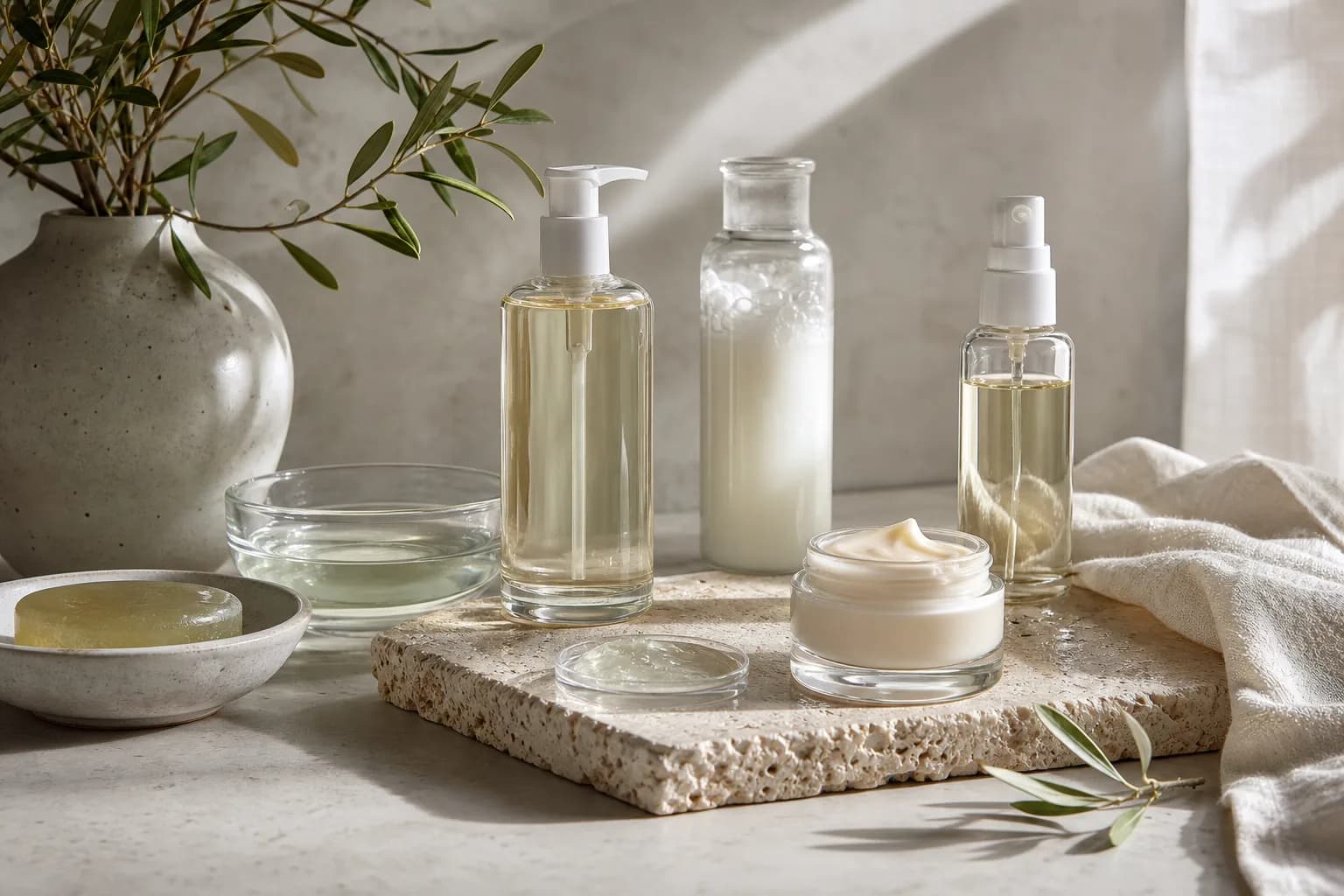
Start here: the shortest clear answer. A reliable morning skincare routine steps order is: cleanse, optional toner/mist, antioxidant/targeted serums (vitamin C as a daytime staple), lightweight moisturizer, and broad‐spectrum sunscreen as the final step. Keep AM textures thin-to-thick so makeup and SPF sit comfortably, and prioritize protection and hydration over aggressive actives.
A concise morning routine order you can stick to
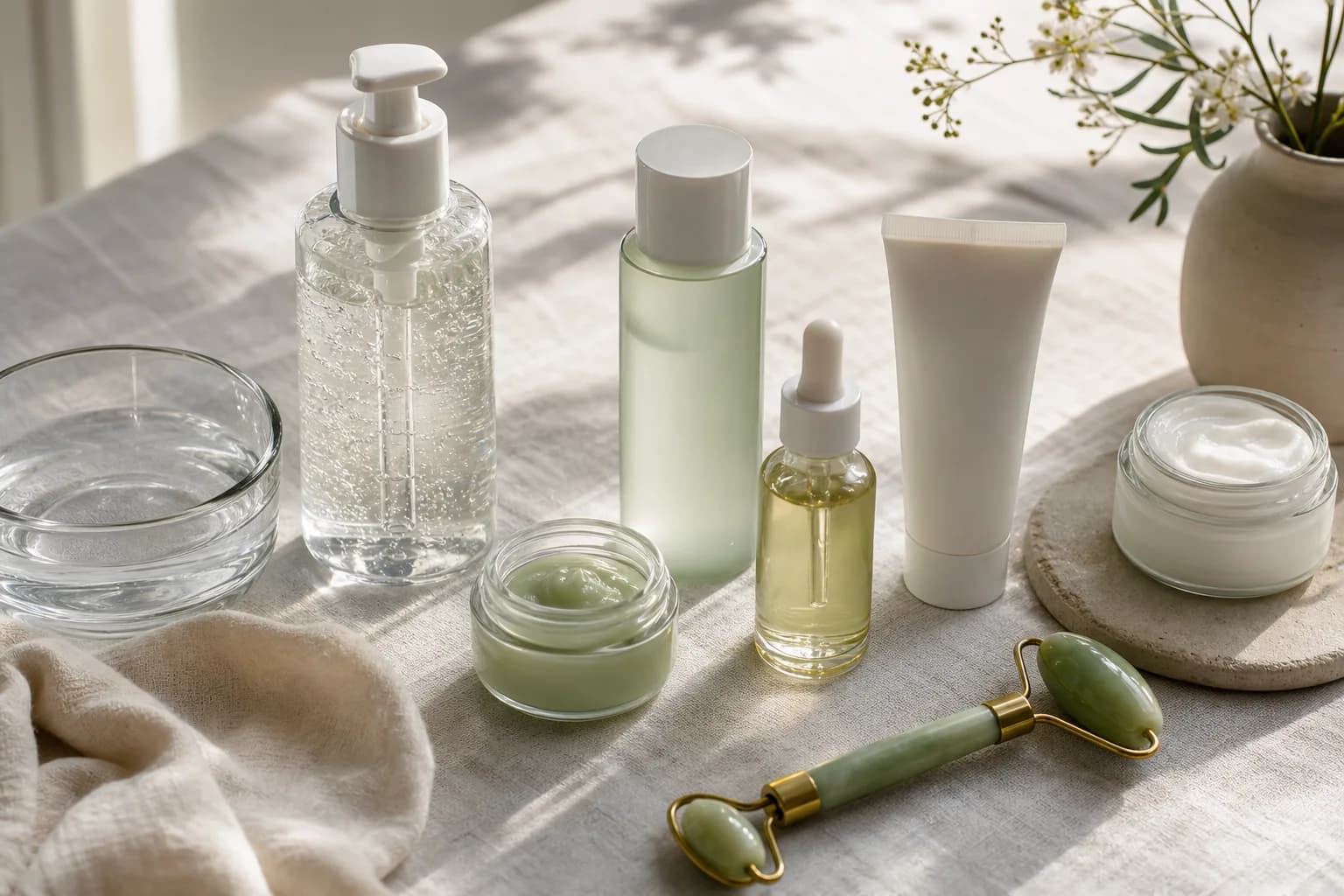
Consistency beats complexity. Begin with a gentle cleanser to remove oil and overnight products; this sets a clean base so antioxidant serums and moisturizers absorb evenly. If you like a toner or hydrating mist, use it next—it’s optional and useful when your skin feels tight or during dry seasons. After that, apply antioxidant or targeted serums; thin, watery serums should precede thicker gels. Follow with a moisturizer chosen for your skin's needs, and always finish with a broad‐spectrum sunscreen applied liberally.
Use this rule-of-thumb order: cleanse → (toner/mist) → antioxidant/targeted serum → moisturizer → sunscreen. Avoid switching texture order (for example, putting a cream on before a thin serum) because dense creams can block serums and reduce active delivery. If you wear makeup, let the sunscreen set for a minute before foundation to avoid pilling.
How to choose textures for comfortable layering
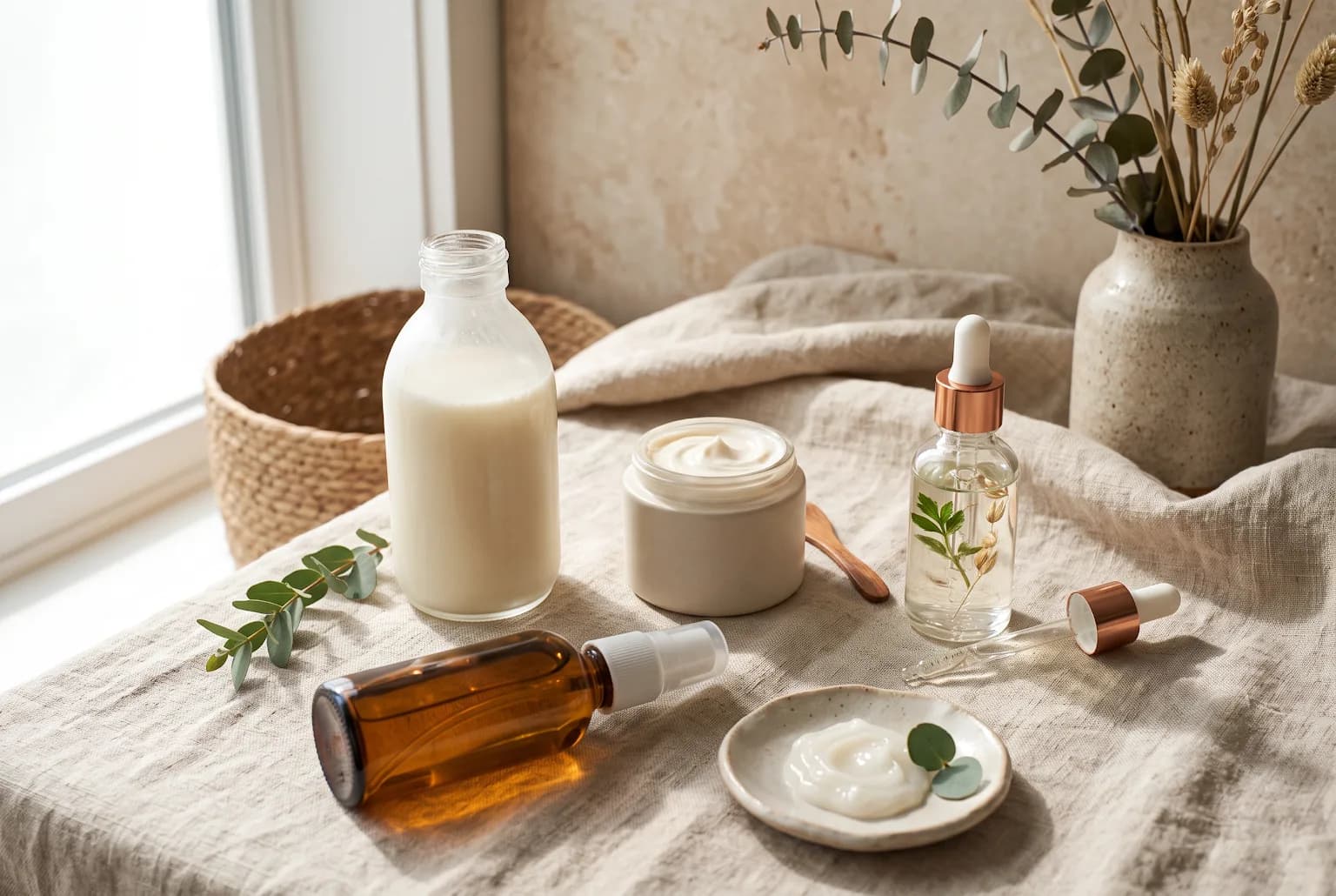
Textures determine how products sit together. Lightweight, low-viscosity serums penetrate quickly and dry down, so they belong early in the routine. Water-based serums and gels are ideal for oily or combination skin because they hydrate without heaviness. Lotions and light creams give balanced hydration and are easy to layer under sunscreen. Heavy creams and oils are best reserved for night or for very dry skin, because they can interfere with sunscreen adhesion and makeup application in the morning.
Decision criteria when you buy: look at first three ingredients—water-dominant formulas feel lighter; silicone or oil-heavy formulas feel thicker. Packaging signals texture: pumps and airless bottles often hold lighter emulsions; jars often indicate richer creams. For AM, prioritize quick-absorbing textures that leave a slight tack-free finish to help sunscreen glide on.
| Texture | Best for | Morning layering role |
|---|---|---|
| Water-serum (light) | Oily, acne-prone, humid climates | Apply first; absorbs fast |
| Gel | Combination, dehydrated | Hydrates without weight |
| Lotion / light cream | Normal, dry-season skin | Balances hydration under SPF |
| Cream / balm | Very dry skin, winter | Use sparingly in AM; may impede SPF |
| Oil | Dry or post-moisturizer seal | Leave to night in most AM routines |
Antioxidants in the morning: what to use and why
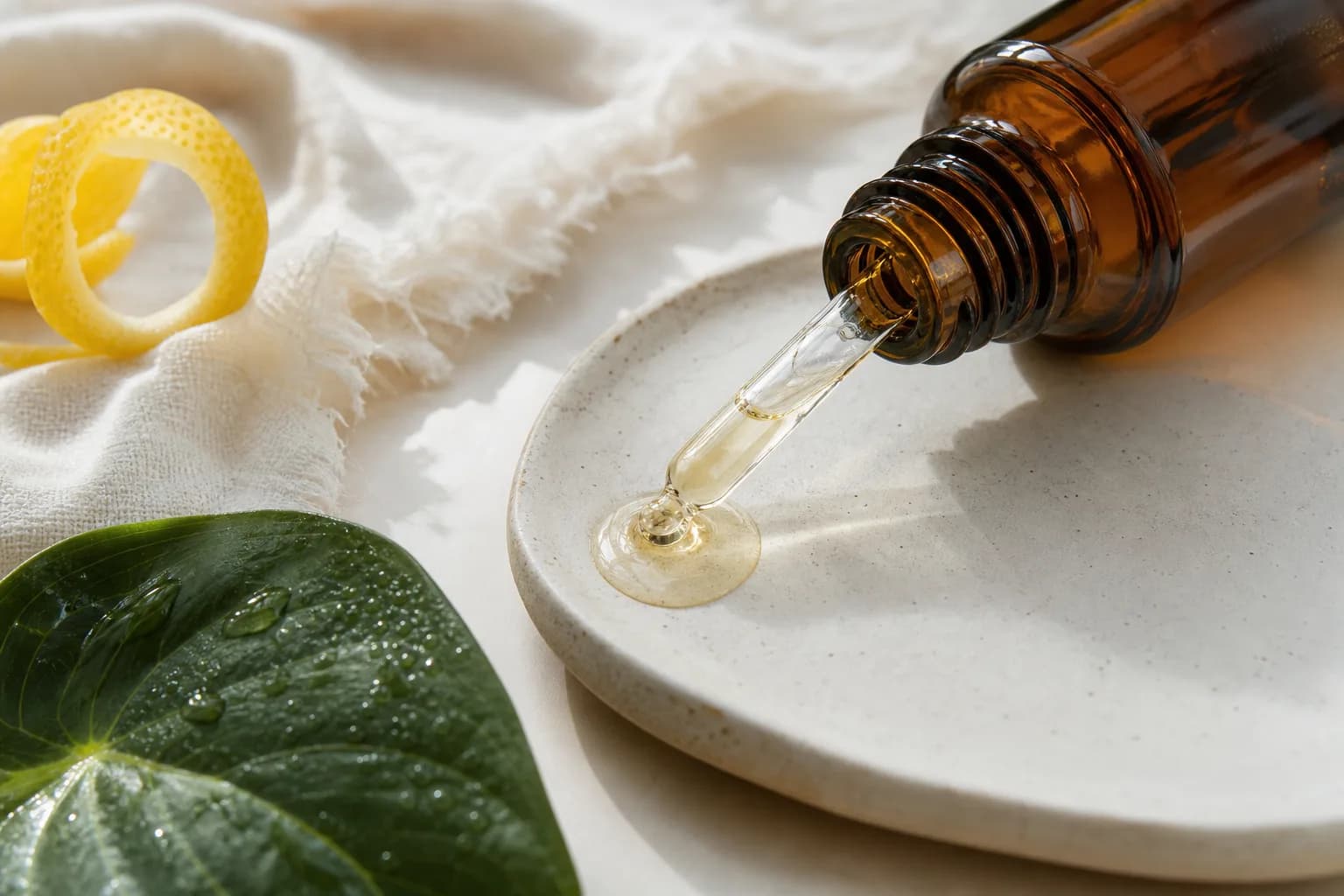
Antioxidants protect against environmental stressors and boost sunscreen performance. Vitamin C derivatives are the most common daytime choice because they pair well with sunscreen and combat oxidative damage from UV and pollution. Choose formulations with stable delivery—derivatives like ascorbyl glucoside or serum formulations stabilized against light are sensible options. Apply antioxidants after cleansing and any hydrating mist so they can penetrate.
Tradeoffs: high-concentration L‐ascorbic acid serums can be more potent but sometimes cause sensitivity; derivatives are gentler but may deliver results more slowly. If you're layering multiple actives (niacinamide, peptides), place the thinnest serums first and allow each layer to dry briefly. Avoid combining strong daytime acids or prescription-strength retinoids in the AM; retinoids are night-time territory.
Sunscreen as the final and nonnegotiable step
Sunscreen is the outcome goal of your morning routine: without adequate SPF, other steps only offer limited protection. Use a broad‐spectrum sunscreen with an SPF appropriate for your exposure. Textures matter—chemical sunscreens often feel lighter and blend into makeup more easily, while mineral (physical) sunscreens can give a drier or slightly white cast depending on formulation. Choose a sunscreen that complements your moisturizer; gel or fluid SPFs layer well over lotions.
Practical application: apply sunscreen generously to the face, neck, and ears; a common rule is about a nickel- to quarter-sized amount for the face. If you plan to be outdoors, remember to reapply every two hours or after swimming/sweating. If you use a physical SPF with a visible cast, consider tinted mineral formulations to even skin tone while maintaining protection.
Adapting steps for acne, dry, combination, and sensitive skin
Your morning routine can stay short while addressing specific concerns. For acne-prone skin, use a gentle cleanser formulated for oil control, a lightweight antioxidant serum (look for niacinamide), and an oil-free, non-comedogenic moisturizer before sunscreen. If you have dry skin, choose a hydrating serum (hyaluronic acid) followed by a richer moisturizer and then a sunscreen compatible with thicker creams, or use a thin hydrating layer then a sunscreen that tolerates the added emollients.
Combination skin benefits from zone-specific choices: lighter gel textures where you tend to get oily, and creamier products on dry cheeks. Sensitive skin should favor fragrance-free, low-irritant formulas and avoid provocative actives like high-strength acids in the AM. For acne and oily skin plans, see the focused routine in our guide on the best skincare routine for acne.
A minimalist 3-5 step routine with texture and product choices
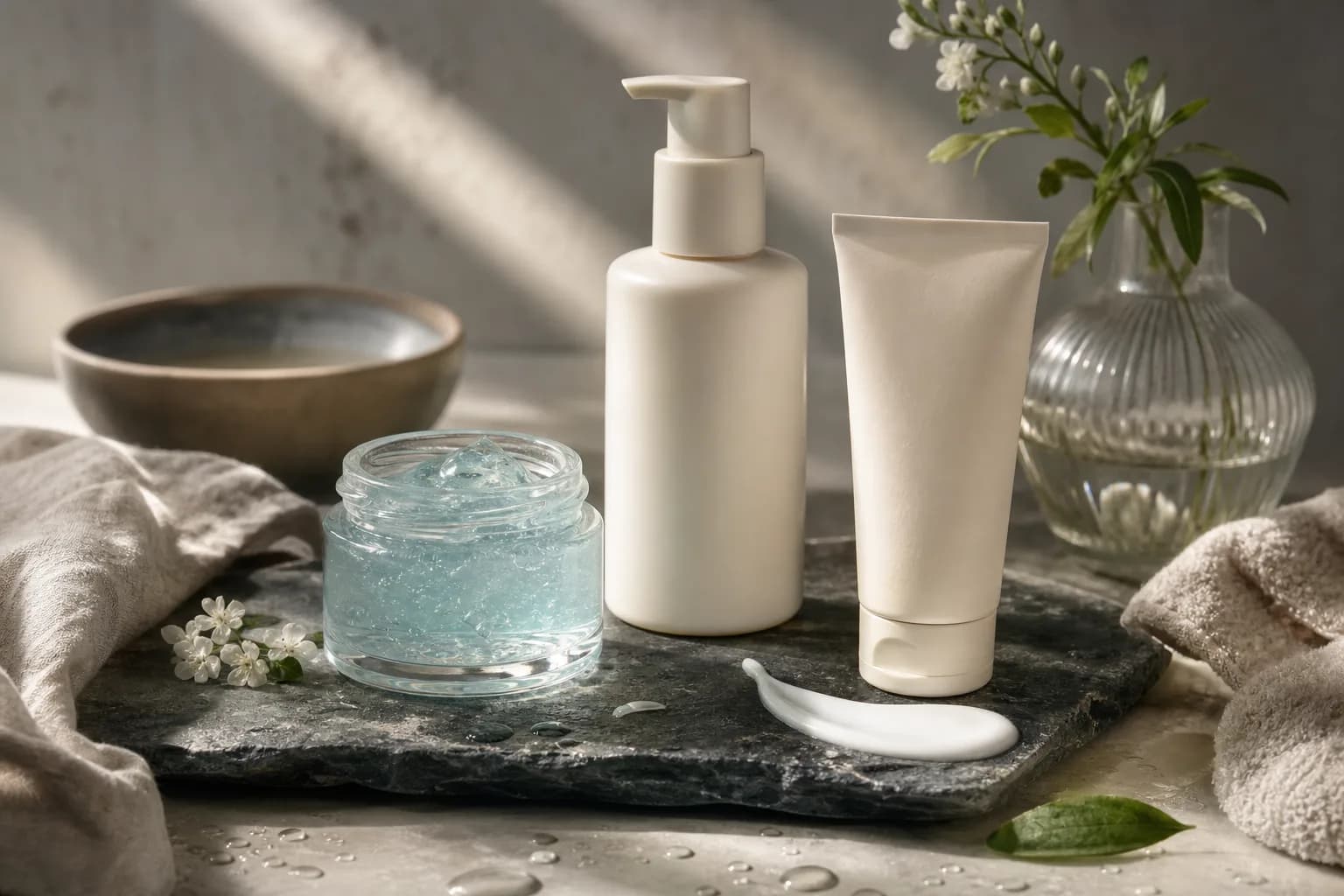
A minimalist AM routine that still protects and hydrates focuses on three to five steps depending on goals. Core options:
- Cleanser (gentle) — choose a gel or cream based on skin type.
- Antioxidant serum (vitamin C or niacinamide) — water or gel-based for quick absorption.
- Moisturizer — lotion for most, light cream for drier skin.
- Sunscreen — final and nonnegotiable.
- Optional: hydrating mist or eye cream for targeted needs.
When to stop at three steps: if mornings are rushed, do cleanse, moisturizer, and sunscreen. That order still protects and hydrates. If you exercise outdoors, add an antioxidant for daytime environmental defense. If your skin is dry, swap the moisturizer texture rather than adding multiple layers that can make SPF sit unevenly. For shopping and texture guidance, our dry skin guide and the piece on a good morning skincare routine that does the most with less expand on product matching.
Practical layering rules and common tradeoffs
Layering is predictable if you follow these rules: apply products from thinnest to thickest; give each layer 20–60 seconds to settle; prioritize protection (antioxidants + SPF) in the AM. Be mindful of incompatible actives—strong retinoids and office-strength chemical exfoliants belong at night, and frequent morning use of potent exfoliants can weaken the skin barrier and increase UV sensitivity. If you use a medicated topical (like benzoyl peroxide or prescription treatments), discuss timing with your prescriber: some medications affect what pairs well with sunscreen or makeup.
Common tradeoffs: richer moisturizers boost comfort in cold weather but may interfere with sunscreen finish. Lightweight textures add comfort under makeup but might need reapplication for prolonged outdoor exposure. If layering causes pilling, simplify: remove one product or swap to a different texture—often a spray or water-serum will solve pilling issues.
Frequently asked questions
What is the correct order of morning skincare steps?
The standard order is cleanse, optional toner/mist, antioxidant/targeted serum, moisturizer, and then broad‐spectrum sunscreen. Keep textures thin-to-thick so each layer absorbs properly. Sunscreen should always be the last product before makeup.
Can I use retinol in the morning routine steps?
No—retinoids are photosensitive and can increase sun sensitivity; they’re recommended for nighttime use only. Using retinol in the morning risks irritation and reduced efficacy. Stick to antioxidants and sunscreen in the AM.
How much sunscreen should I use after my morning routine steps?
Apply a nickel-to-quarter-sized amount to the face and cover neck and ears as well. If you're outdoors, reapply every two hours or after sweating or swimming. Choosing a sunscreen you like to wear increases the chance you'll use it consistently.
How do I simplify my morning routine when I'm short on time?
Prioritize cleanse, moisturizer, and sunscreen as a three-step essential. If you want extra protection, add a single antioxidant serum. Simplifying textures—using a combined moisturizer-SPF in low-exposure days—can help, but make sure the SPF is broad spectrum and applied generously.
Related Reading
- The best skincare routine for men: simple, repeatable, effective
- A short, repeatable men's skincare routine that actually fits your life
- The nighttime skincare routine that actually works: steps, textures, and tradeoffs
Sources
- Cleveland Clinic — Proper skin care product order & morning routine advice
- NBC Select — How To Build The Best Skin Care Routine (derm-backed steps)
- Eucerin — Steps for a skincare routine (layering rationale)
Clear guidance, checked before publication.
Solvi articles are structured by our editorial team and reviewed for clarity, consistency, and responsible health language. We update pages when guidance or product information changes.

Naomi Chen
Skincare Ingredients Writer. Naomi reads ingredient lists for fun and loves translating formulation language into advice that makes sense at the bathroom mirror. Hydration, barrier care, and sensitive-skin formulas are her favorite rabbit holes.