The best men skincare routine: simple, effective plans for every skin type

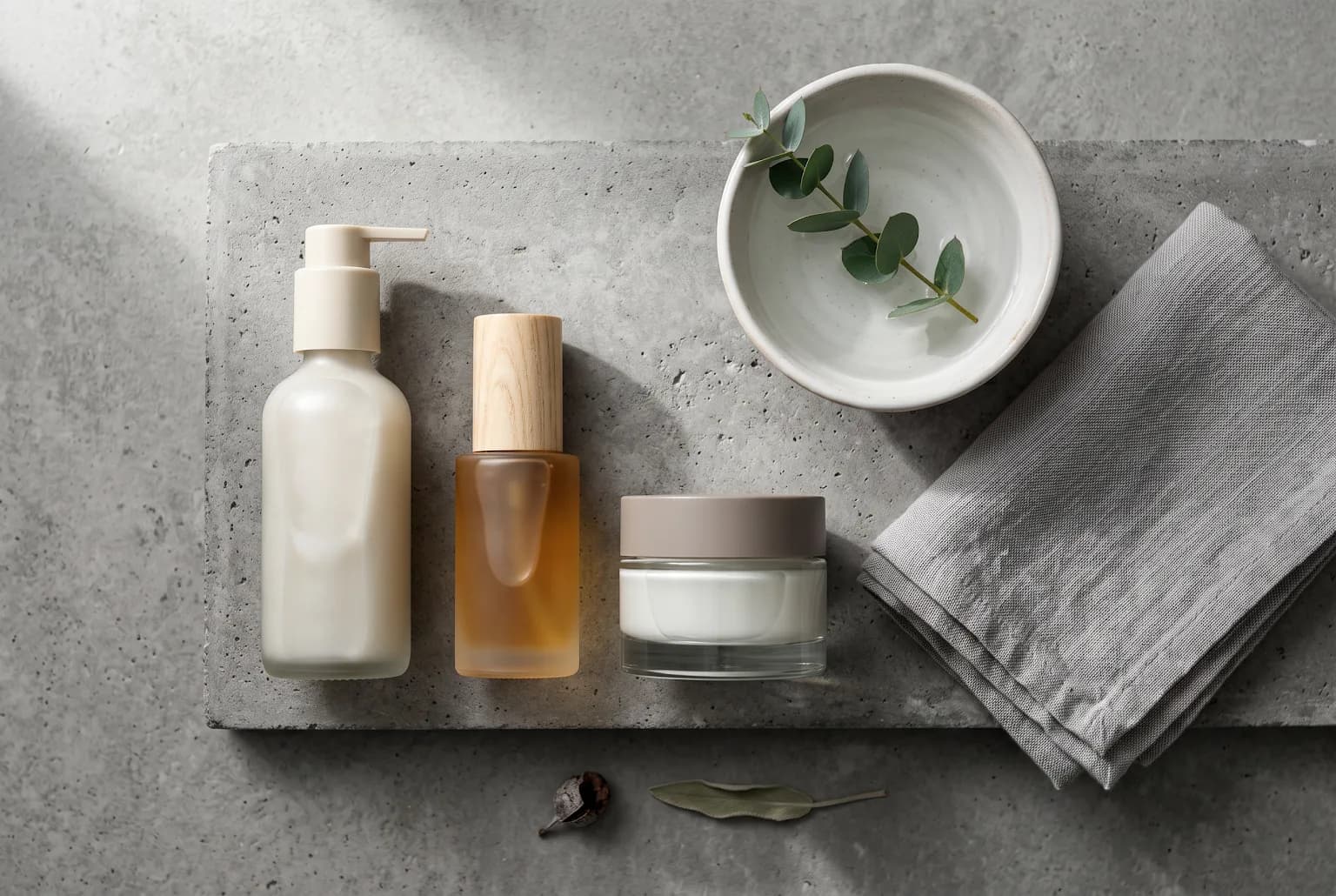
The best men’s skincare routine starts with a comfortable cleanser, moisturizer where needed, and broad-spectrum SPF 30 or higher for daytime sun protection. Add a treatment only for a specific concern, and keep shaving technique separate from the decision to buy more skincare. You do not need a serum, eye cream and exfoliant simply to have a complete routine.
A small routine you can repeat

The American Academy of Dermatology’s guidance for men emphasizes the same fundamentals used in other skincare routines: understand your skin, cleanse gently, moisturize and protect it from the sun. The useful customization is how your face feels and what you need to remove, not a shelf of products labeled for men.
Use this 3‐step AM template when you want reliability and speed:
- Cleanser: keep one that removes your usual residue comfortably.
- Moisturizer: choose a texture you will use, without assuming it must contain a particular fashionable ingredient.
- Sunscreen: choose broad-spectrum SPF 30 or higher and follow its application and reapplication directions.
If these basics already work, an optional serum should have a clear job. “More protection from screens” is not a sufficient reason to insert a generic antioxidant step, and an expensive serum does not compensate for sunscreen you dislike wearing.
| Situation | First practical decision | Avoid adding by default |
|---|---|---|
| Comfortable skin, new to skincare | Establish the basic products and where you will keep them | Several active serums |
| Tightness after washing | Review the wash and moisturizer | A stronger oil-control cleanser |
| Shaving discomfort | Review pressure, passes and razor instructions | An acid toner to smooth the area |
| Persistent acne | Seek an appropriate acne plan | A rotating collection of treatments |
A targeted anti-aging routine for men

If fine lines or uneven-looking texture are a priority, a retinoid may be an option, but the category includes different medicines and cosmetic products. Follow the chosen product’s directions or your prescriber’s advice. A generic “one to two nights” rule should not replace either.
A simple PM anti‐aging scaffold to consider:
- Remove the day’s products with a comfortable cleansing method.
- Use an established treatment exactly as directed, if you have one.
- Moisturize as needed.
- Keep optional additions separate so you can judge whether they help.
How to choose actives and textures:
- Retinol is optional, not a compulsory evening step. Check suitability and warnings before adding it.
- Do not automatically pair a retinoid with alternating acid nights. A night without treatment can simply be a basic routine.
- If a treatment irritates, seek product-specific advice instead of inventing a new dilution or sandwich schedule.
What texture should I use for night creams?
Choose the nighttime texture you find comfortable. You may prefer a richer cream on dry areas or the same lotion you use during the day. A separate “night” label is not a requirement, and a thicker texture does not automatically mean it clogs pores.
An acne-focused routine that balances shaving
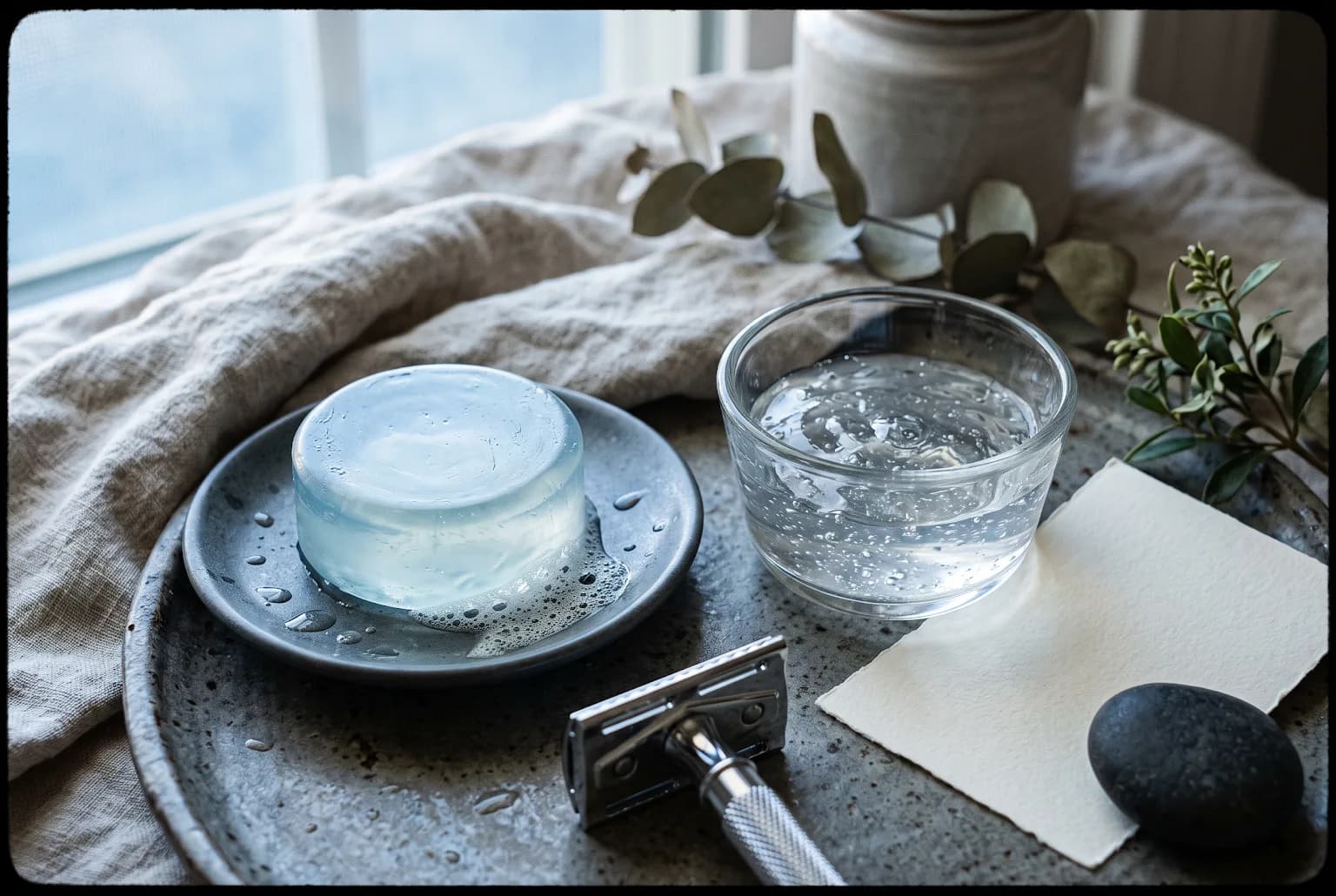
If shaving causes discomfort, first examine the technique. Follow the razor instructions, avoid excessive pressure and repeated close passes, and use an appropriate shaving product. Acne and razor bumps are not always the same problem, so persistent bumps deserve more than a generic cleanser change.
A practical shaving checklist:
- Record whether the problem begins during shaving or after a leave-on product.
- Use the preparation and method appropriate to your razor.
- Keep familiar skincare stable while you assess a technique change.
- Ask for advice if bumps, bleeding or irritation keep recurring.
Quick checklist for shopping and comparing acne products:
- Identify whether the goal is ordinary cleansing or acne treatment.
- Account for treatments already in use before buying another drug active.
- Do not rotate retinoids, benzoyl peroxide and acids simply to make the routine more comprehensive.
How to choose products: textures, tradeoffs and decision criteria
Use five questions to narrow the routine: What feels uncomfortable? What do you want to change? What already works? What instructions do your current treatments have? How many steps will you realistically keep doing?
Consider these tradeoffs:
- If mornings are rushed, place sunscreen where you get ready rather than adding another serum.
- If only your cheeks feel dry, assess that area instead of replacing every product with a richer version.
- If you already have an acne prescription, fit optional cosmetics around its instructions rather than rewriting the treatment.
For example, a beginner with comfortable skin who wants a manageable routine needs a different shopping list from someone whose face burns after every shave. The first needs a repeatable habit; the second needs the source of discomfort addressed.
A shopping checklist for efficient routines
When evaluating products, prioritize these labels and textures:
- Choose a cleanser for the products you need to remove and the finish you prefer.
- Choose a moisturizer by comfort, known sensitivities and use case.
- Check the sunscreen label for broad-spectrum protection, SPF and water resistance when needed.
Shopping list example:
- One cleanser that you tolerate.
- One moisturizer if it adds needed comfort.
- One appropriate daytime sunscreen.
- The shaving products you actually use.
- An optional concern-specific treatment only when you have a reason and clear directions.
Frequently asked questions
Do men need different skincare ingredients?
The basics are broadly the same. Your skin’s behavior, preferences and shaving routine are more useful shopping criteria than gendered packaging.
Do I need retinol?
No. It is an optional treatment decision. If you choose it, follow the specific product’s directions and warnings rather than a universal schedule.
Can I use the same moisturizer morning and night?
Yes, if it suits you. Keep daytime sunscreen requirements separate and do not assume a nighttime product contains SPF.
Can I put face retinol around my eyes?
Only where the product directions allow. Do not extend a facial retinoid into the eye area on the assumption that a smaller amount makes it appropriate.
Related Reading
- how to start a skincare routine for beginners
- best face wash for men oily skin
- sunscreen after shaving face
Sources
- American Academy of Dermatology: Skin care tips for men — https://www.aad.org/public/everyday-care/skin-care-basics/care/skin-care-for-men
- American Academy of Dermatology: Retinoid or retinol? — https://www.aad.org/public/everyday-care/skin-care-secrets/anti-aging/retinoid-retinol
- American Academy of Dermatology: How to shave — https://www.aad.org/public/everyday-care/skin-care-basics/hair/how-to-shave
Clear guidance, checked before publication.
Solvi articles are structured by our editorial team and reviewed for clarity, consistency, and responsible health language. We update pages when guidance or product information changes.

Amara Lewis
Sensitive Skin Writer. Amara is fascinated by calm, barrier-first skincare and the small details that make a routine easier to tolerate. She favors thoughtful formulas, slow introductions, and less guesswork.