What foundation is best for dry skin: a hydration-first guide


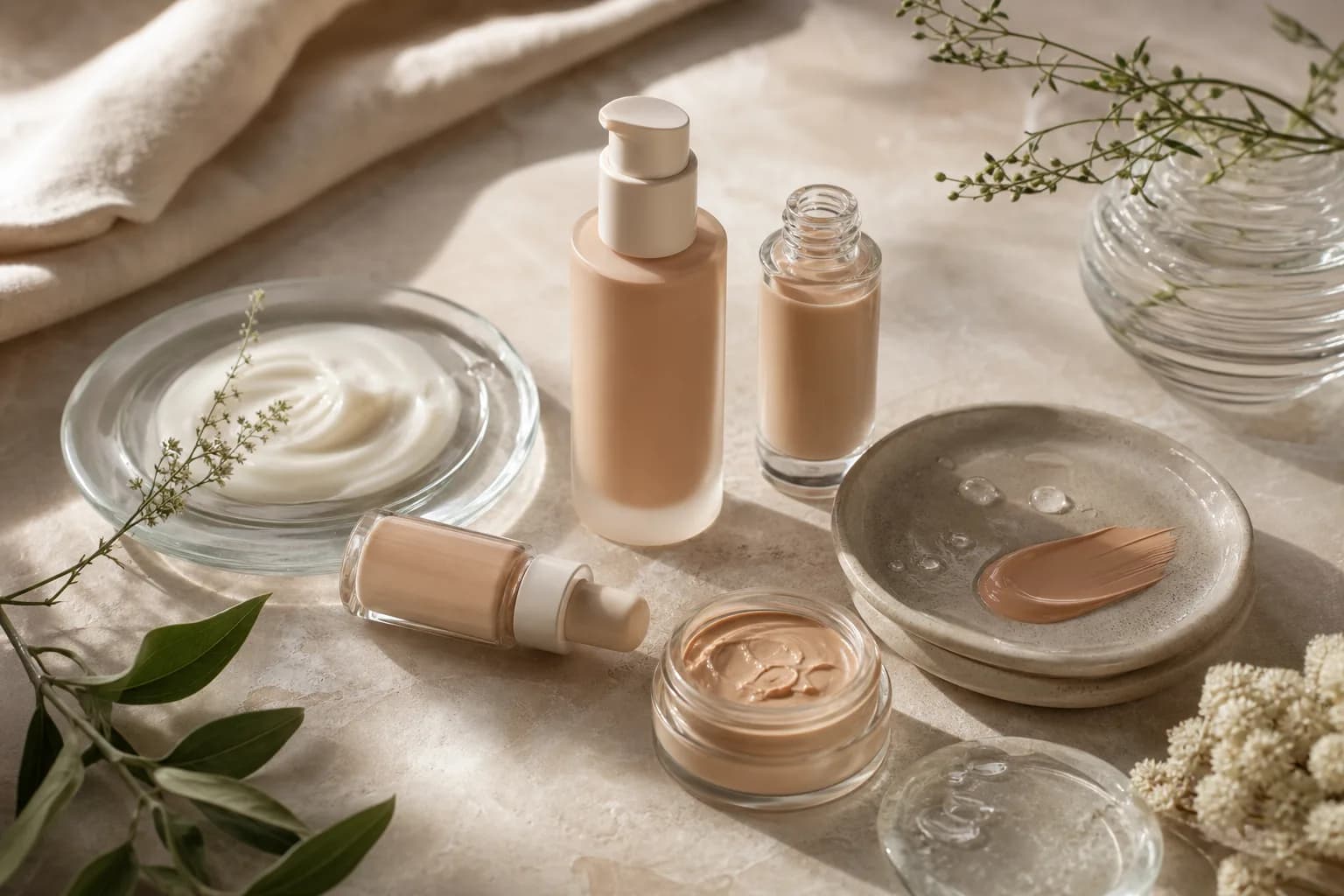
Answer first: the best foundation for dry skin is a hydrating liquid, cream, or serum formula with humectants (like hyaluronic acid or glycerin) and emollients, finished in a satin or dewy sheen. Prep and thin layering matter as much as formula: moisturize, prime lightly, then apply product with a damp sponge or soft brush to avoid accentuating dry patches.
A hydration-first foundation prevents flaking and looks more natural than matte or powder-heavy options. Favor buildable coverage and avoid applying thick layers in one pass; thin, even coats keep texture smooth and avoid cakiness.
Choose a formula based on texture and skin needs
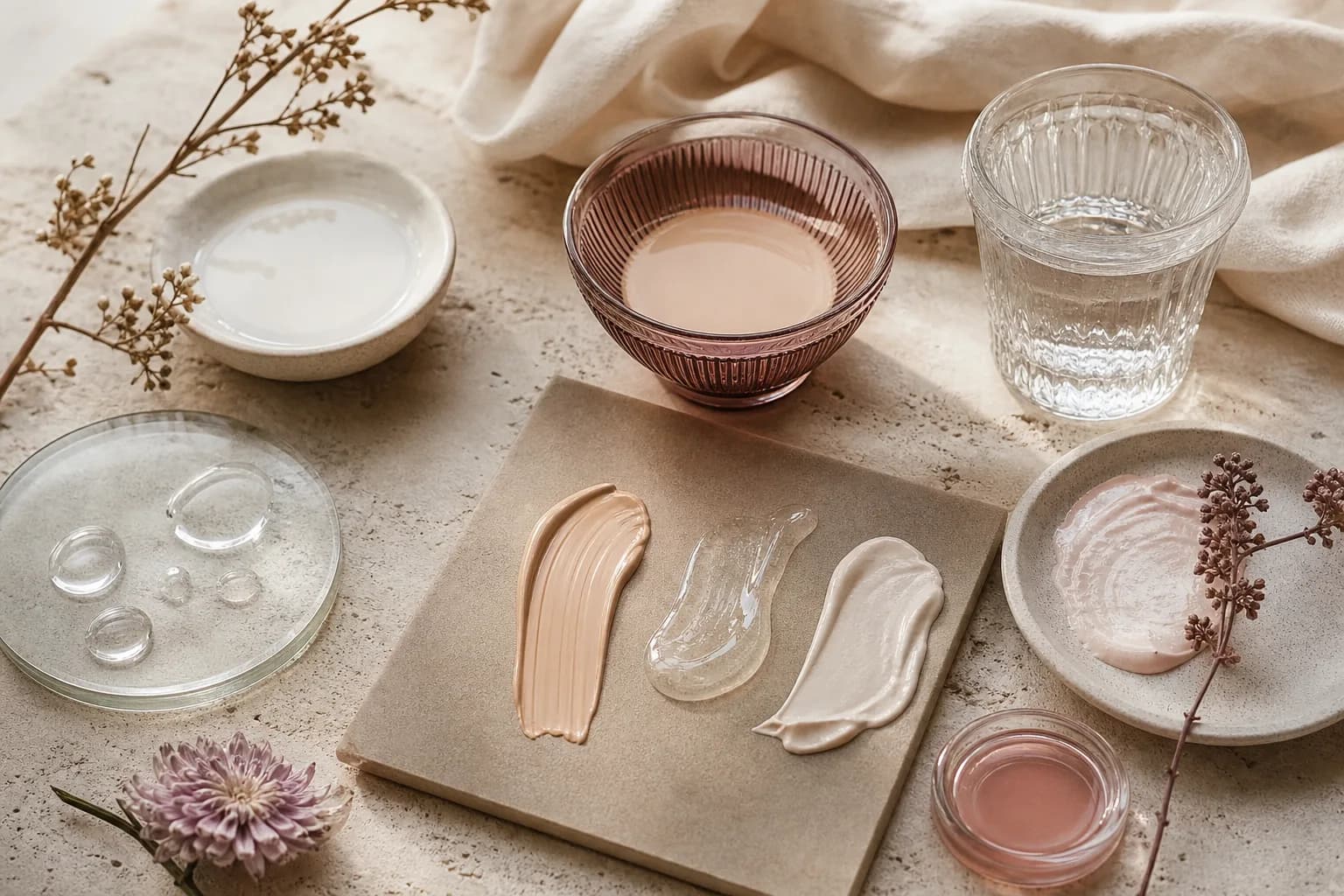
Start by thinking in textures: liquid, cream, and serum foundations each solve dryness differently. Liquid foundations range from thin, water-light serums to richer creamy liquids; choose a slightly thicker liquid if you need more slip to smooth fine flakes. Cream foundations offer cushion and barrier-like emollience, which is helpful in cold weather or very dry complexions, but pick a cream that reads dewy rather than powdery.
Serum foundations and BB/CC textures are an excellent compromise for dryer skin because they tend to include humectants and feel weightless. They layer well over lightweight moisturizers and rarely cake when applied sparingly. The tradeoff: serums often offer lighter coverage, so they’re best if you want skin‐like finish over heavy coverage.
If you routinely use a retinoid or acid, a cream or serum foundation with extra emollients will sit more comfortably on compromised areas. For a decision example: if your usual routine includes a hydrating hyaluronic serum, pair it with a dewy liquid foundation for seamless blending; if you skip serums, a cream foundation can add that missing barrier effect.
Prioritize humectants and emollients in ingredients
Ingredient cues matter when choosing what type of foundation is best for dry skin. Humectants such as hyaluronic acid and glycerin draw moisture into the top skin layers and help a foundation sit smoothly. Emollients like squalane, cetyl or isopropyl myristate, and lightweight esters provide slip and fill micro‐texture without a heavy film.
Avoid relying on powder absorbers high in silica or talc near the top of the ingredient list; those are more likely to mattify and emphasize flakes. If you need a quick checklist, look for “hyaluronic acid,” “glycerin,” “squalane,” or words like “hydrating” and “luminous” on the formula description.
A practical tradeoff: some hydrating foundations include SPF. While convenient, SPF can slightly change texture—test to ensure yours layers well. Also prefer non‐comedogenic formulations if you’re acne‐prone but dry.
Pick a finish that flatters dry skin
The finish you pick—dewy, satin, or matte—is a major visual decision. For dry skin, dewy or satin finishes are generally the most flattering because they reflect just enough light to disguise fine dryness. A satin finish hits the balance between glow and polish; dewy finishes emphasize luminosity but can look greasy if over-applied.
Matte foundations often use oil‐absorbing powders that can cling to dry patches and create an uneven, flaky appearance. That’s why, when your skin’s thirsty, choosing a luminous or natural finish reduces the need for additional highlighters and provides a fresher overall look.
Decision example: if you want medium coverage and a naturally lit appearance, pick a satin liquid foundation with hyaluronic acid. If you prefer sheer, go for a BB or serum base with glycerin for continuous hydration and easier touch-ups.
| Format | Texture | Ideal for | Tradeoffs | Key ingredient cues |
|---|---|---|---|---|
| Dewy liquid | Light to medium, blends easily | Dehydrated, fine lines | Can slide if too much oil | Hyaluronic acid, glycerin, squalane |
| Cream | Thick, cushiony | Very dry or cold climates | May feel heavy in heat | Emollients, ceramides |
| Serum/BB | Ultra-light, skinlike | Minimal coverage, daily wear | Lower coverage | Humectants, lightweight oils |
Application technique: tools, layers, and primer choices
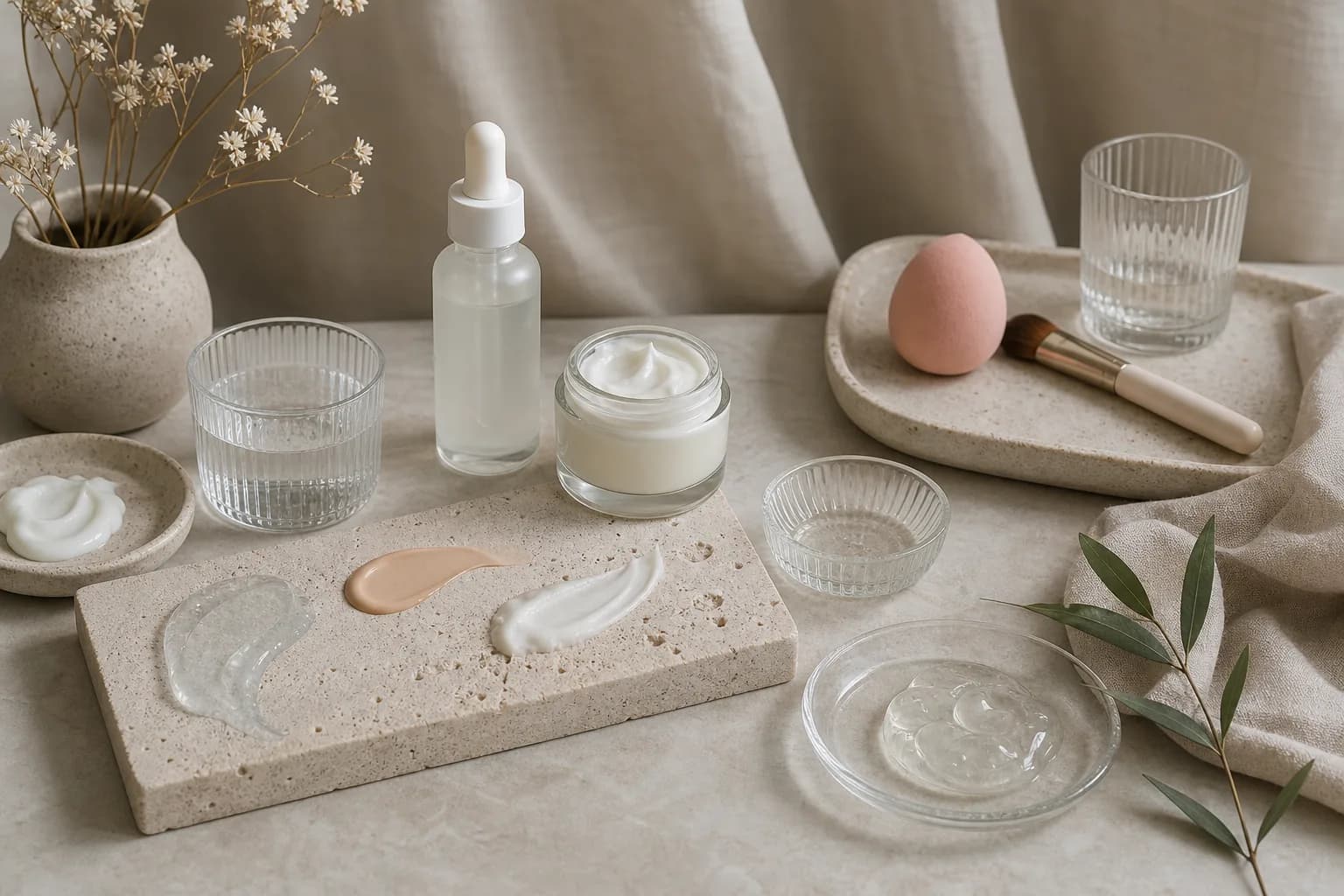
How you apply foundation changes the outcome as much as the formula. Thin, buildable layers are the golden rule: apply a light first layer, blend, then add spot coverage only where needed. Use a damp makeup sponge for a skin‐tinted effect that won’t cling to dry patches, or a dense natural-fiber brush for fuller coverage but still smooth finish.
Primer choice should be subtle: a hydrating primer with humectants or a thin layer of silicone-free smoothing primer can create a slip that keeps product from settling. Avoid heavy mattifying primers. If you’re using a moisturiser with active humectants (see our guide on how to choose a hyaluronic acid serum for sensitive skin), let it sink in fully before priming so the foundation layers evenly.
Application tradeoffs: brushes give coverage but can pick up product; sponges thin and press product into skin. For example, evening events where you need longer wear might benefit from a brush application with a sealing light powder only on the T-zone, while daytime looks stay better with a sponge and no powder.
SPF and non-comedogenicity: tradeoffs to weigh
SPF in a foundation adds convenience but can affect texture and finish. Chemical SPF ingredients may make a formula feel slightly tacky, while mineral SPF (zinc oxide or titanium dioxide) can add a faint opacity or dry down. If you need daily SPF and dislike the feel of separate sunscreens under makeup, try a lightweight foundation with SPF tested for dryness compatibility. Always patch-test to check for any textural change.
Non‐comedogenic labels can help if you’re dry but acne-prone; such formulas avoid pore-clogging emollients. However, non‐comedogenic doesn’t guarantee moisturization. Balance is key: seek humectant-forward formulas that also avoid heavy occlusives.
Decision example: for everyday wear choose a dewy liquid with SPF 15–30 if you want fewer steps; for full outdoor exposure, use a dedicated broad‐spectrum sunscreen under a hydrating foundation.
Special formats: BB/CC creams and serum foundations explained
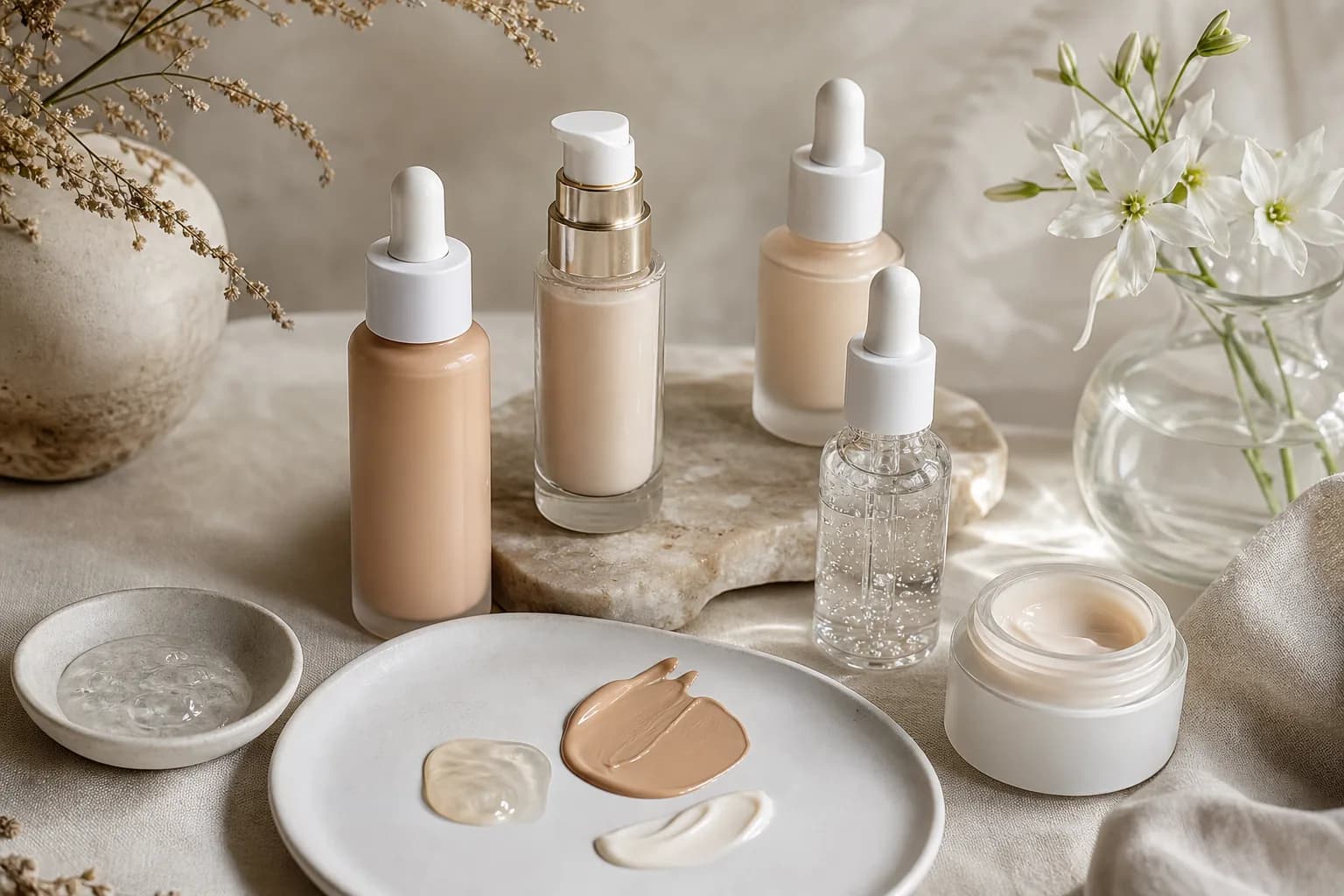
BB and CC creams and serum foundations are often the best starting point when asking what type of foundation is best for dry skin. They typically prioritize lightweight hydration and a natural finish, delivering skincare-like benefits alongside tint. Serum foundations are particularly useful when your priority is a skin‐like veil with continuous humectant delivery through the day.
Tradeoffs include coverage level—these formats generally offer light to light‐medium coverage—so they aren’t ideal if you need heavy camouflage. But they win on comfort and blendability, which reduces the tendency to apply excess product (a common cause of cakiness).
If you use barrier-repair products at night or a nourishing night cream (see our guide to the best night moisturizer for sensitive skin), pairing that with a serum foundation can preserve the skin’s hydration baseline while still delivering a flawless look.
When to avoid matte and powder foundations
Avoid matte and powder-heavy formulations when your skin is visibly dry, flaking, or when you’ve recently been on drying actives. Powder and mattifying agents emphasize texture by absorbing surface oils and creating contrast with dry patches. If you need longer wear, prefer a satin foundation and control shine in a targeted way—blotting or micro-powder only in the smallest areas.
A useful decision example: for a winter look, choose a cream or dewy liquid foundation and reserve a translucent powder for touch-ups on the nose only. If you’re prepping for a photo-heavy event and want reduced shine, layer a tiny amount of lightweight, luminous primer under the foundation rather than switching to matte foundation.
Frequently asked questions
Is a dewy finish always better for dry skin?
A dewy finish is generally preferable because it reflects light and minimizes the appearance of flakes and fine dryness. Dewy does not mean oily: choose a satin‐leaning dewy foundation and apply in thin layers. If you worry about longevity, combine a satin foundation with light blotting and targeted touch-ups rather than switching to a matte formula.
Can I use powder with dry skin without looking cakey?
Yes—sparingly. Powder applied only to the small oil-prone zones (often the T-zone) or using a finely milled, luminous powder can control shine without exacerbating dry patches. Avoid full‐face powdering; instead, focus on light dusting and rehydrate with a facial mist if the skin appears too dry after powder.
Should I pick foundation with SPF or layer sunscreen underneath?
For best protection, use a dedicated sunscreen underneath your foundation and treat SPF-in-foundation as supplemental. If you prefer fewer steps and choose a foundation with SPF, test for any texture changes and ensure you still apply enough sunscreen when needed for prolonged sun exposure.
What tools minimize cakiness on dry skin?
A damp makeup sponge tends to give the most natural, dewy finish and presses product into hydrated skin. A dense, synthetic brush gives fuller coverage but can deposit more product—use it with thinner layers. Whichever tool you pick, build coverage gradually and stop when the skin looks even.
Related Reading
- Oily vs dry skin: the clear, zone-first guide to diagnosing and treating both
- Best Concealer for Oily Skin: A Finish-First Guide to Coverage That Stays Put
- The best makeup for oily skin: a finish-first, wear-tested approach
Sources
- Good Housekeeping — Best Foundations for Dry Skin guidance
- Haute Atlas — Best Foundation for Dry Skin (2026)
- Nykaa Beauty Book — Hydrating foundations overview
Clear guidance, checked before publication.
Solvi articles are structured by our editorial team and reviewed for clarity, consistency, and responsible health language. We update pages when guidance or product information changes.

Naomi Chen
Skincare Ingredients Writer. Naomi reads ingredient lists for fun and loves translating formulation language into advice that makes sense at the bathroom mirror. Hydration, barrier care, and sensitive-skin formulas are her favorite rabbit holes.