The best makeup for oily skin: a finish-first, wear-tested approach


Answer in two lines: The best makeup for oily skin starts with oil-regulating skincare (light moisturizer + mattifying primer), a long-wear soft-matte foundation, and strategic setting with translucent powder and a finishing spray. Touch up with blotting papers rather than piling on powder to avoid caking.
Prep skin with oil-control skincare
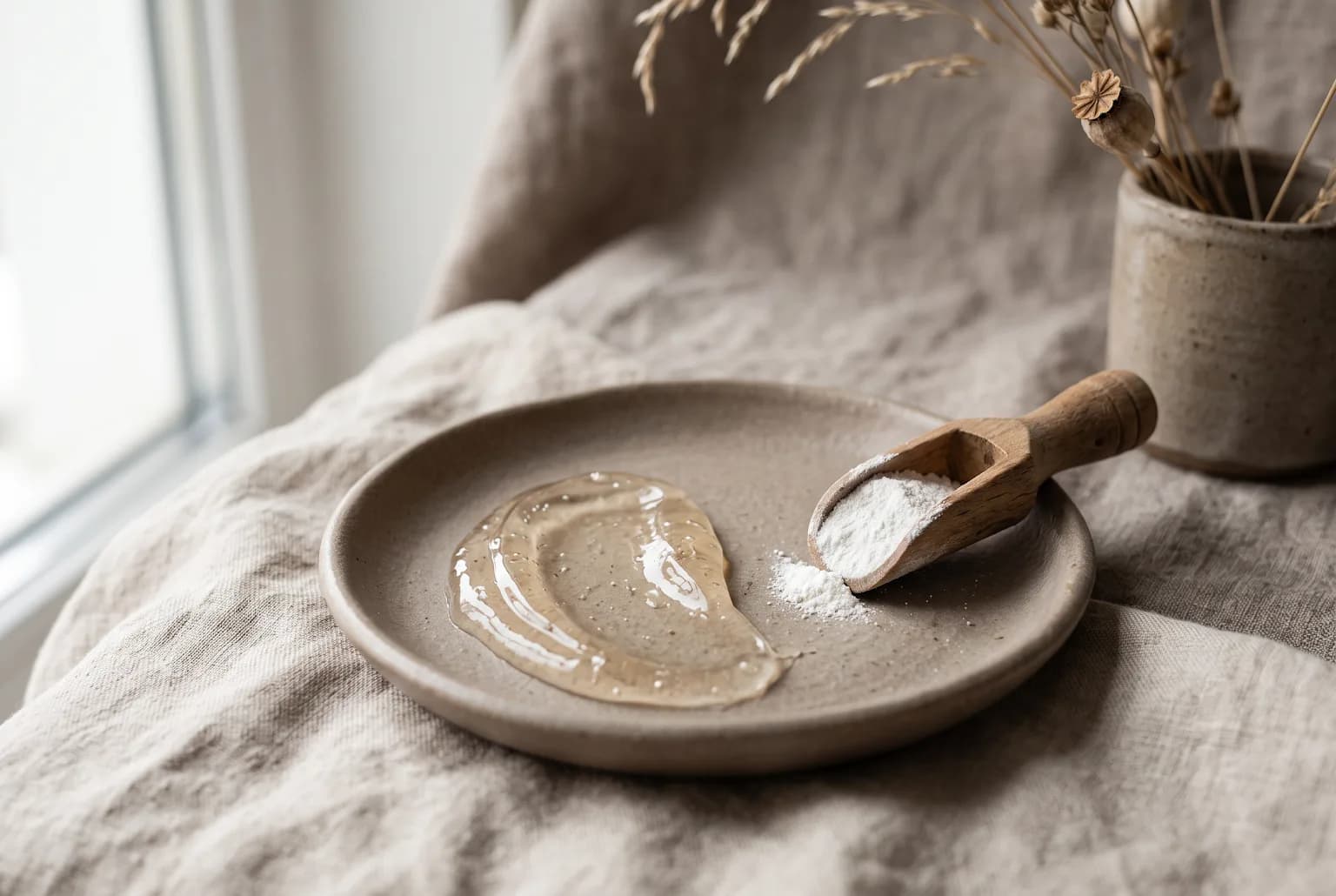
Start makeup with balanced oil-control, not bone-dry mattification. A lightweight, non-comedogenic moisturizer keeps skin barrier function steady; when skin is stripped or overly matte it often compensates with rebound oil later in the day. If you use active ingredients for oil or acne control—like salicylic acid or niacinamide—apply them before moisturizer and allow them to absorb so they won't interfere with primer adhesion.
Pair the moisturizer with a primer that contains oil-absorbing tech such as silica or microspheres; these ingredients create a dry-touch canvas and reduce slip without adding heavy occlusion. For acne-prone users, patch test new primers and avoid comedogenic emollients. If you favor sunscreen, choose a lightweight, mattifying formula and let it set under your primer before foundation.
<!-- image: prep-skin-with-oil-control-skincare -->
Choose the right primer for shine control
Primers are the foundation of oil-control performance; decide by texture and ingredients. Powders or silicone-cream primers create a velvety surface with visible mattification. Gel or water-based primers feel lighter but rely on silica and microsphere payloads for oil absorption. If your skin tends to cake, pick a thinner primer and blot less frequently rather than applying thick layers.
Tradeoffs: silicone-heavy primers deliver smooth blurring and grip for foundation but can feel occlusive to some; silica-rich primers absorb oil without heavy film but may emphasize dryness in flakey patches. For combination skin, use a thinner layer in the T-zone and skip the heavy application on dry cheeks. Keep application sparing—press a pea-sized amount into problem areas instead of swiping across the whole face.
Pick a foundation finish for oily skin
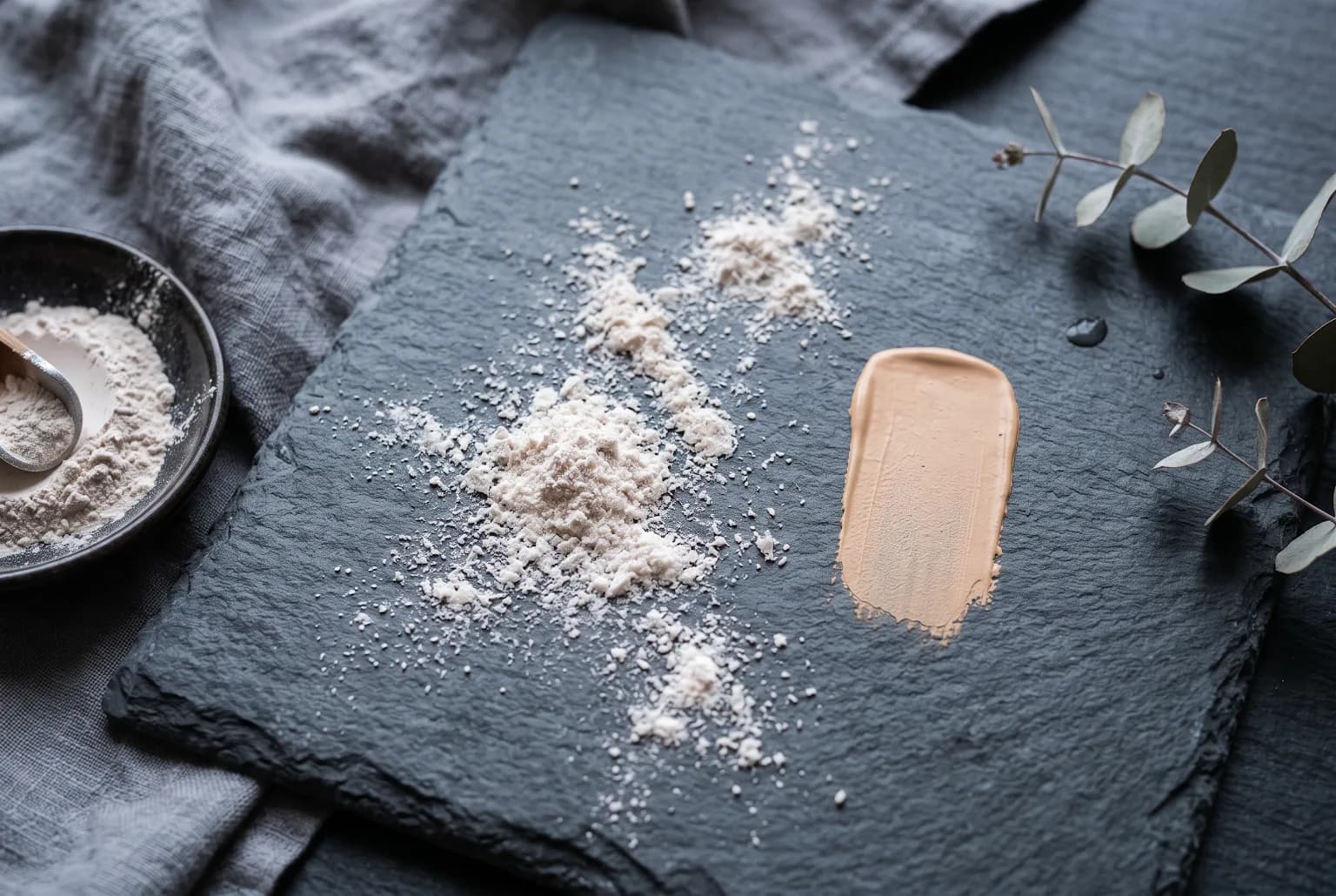
Soft-matte, long-wear foundations are the core decision for oily skin: they control shine without looking flat. Look for foundations described as transfer-resistant or long-wear and with a soft-matte finish. Choose formula form based on coverage needs: liquids offer buildable coverage and blendability, while powders are quick, inherently matte, and excellent for oily-prone skin that needs speedy application.
Consider texture versus longevity. Extremely mattifying foundations can sit heavily in textured areas and accentuate fine lines. If you have texture, opt for a soft-matte liquid with good transfer resistance rather than the heaviest matte. If you prefer powder foundations, test them over your primer to ensure they don't clump. For cues on long-wear performance, consult pro tests and roundups from trade sources.
<!-- image: pick-a-foundation-finish-for-oily-skin -->
Set smartly: powder, spray, and touch-ups
Setting is a two-part strategy: an initial lock and a midday plan. For initial setting, a light dusting of translucent setting powder—focused on the T-zone—reduces shine and helps foundation cling. Use a finely milled, silica-forward loose powder for less visible texture. Avoid heavy application across the whole face; over-powdering increases cakiness and can sit in pores.
Finish with a light misting of a long-wear setting spray to meld layers for durability and a skin-like finish. For product recommendations on sprays designed for oily skin mechanics, see our guide to the best setting spray for oily skin. Midday touch-ups should favor blotting papers and targeted powder only where needed; blot first, then press minimal powder if required.
Concealer, bronzer, and blush: formulas that last
Secondary color products should match your foundation strategy. Use cream concealers with a soft-matte finish and good transfer resistance for under-eye and spot work; set them lightly with a translucent powder to avoid migration. For bronzer and blush, opt for powder or thin, oil-free cream sticks. Creams can look fresher than powders, but heavier cream formulas with emollients will slide on oily skin unless set.
Decision cues: choose powders if you want immediate longevity with minimal set time. Pick thin, oil-free cream sticks if you prefer a skin-like finish and are disciplined about setting. If coverage is a priority (for scars or hyperpigmentation), select a concealer with full coverage but a matte or demi-matte finish and set it sparingly.
For a deeper primer on concealer choices for oily skin, see our finish-first guide to the best concealer for oily skin.
Avoiding common mattifying mistakes
Mattifying everything is tempting, but aggressive mattification has costs. Overly matte bases can accentuate texture, fine lines, and look powdery in photographs. Heavy layering—primer, full-coverage matte foundation, thick powder—reliably leads to midday separation and patchiness. The smarter path is targeted mattification: control the T-zone and leave radiance where skin is smoother.
Patch testing is essential if acne-prone; new mattifying formulas can irritate. Also remember sunscreen: skipping it because you fear shine invites long-term skin damage. Instead, choose a non-comedogenic, mattifying sunscreen and fit it into the prep step under primer. If you’re managing combination skin, treat zones differently: use a mattifying primer on the forehead and nose but a lighter approach on the cheeks.
| Decision point | Good choice for oily skin | Tradeoff to watch |
|---|---|---|
| Primer texture | Silica/microsphere lightweight gel or powder | Silicone primers can feel heavy on some people |
| Foundation form | Soft-matte liquid or powder long-wear | Very matte formulas can emphasize texture |
| Setting method | Translucent loose powder + setting spray | Over-powdering creates cakey finish |
A sample gentle, oily-skin makeup routine
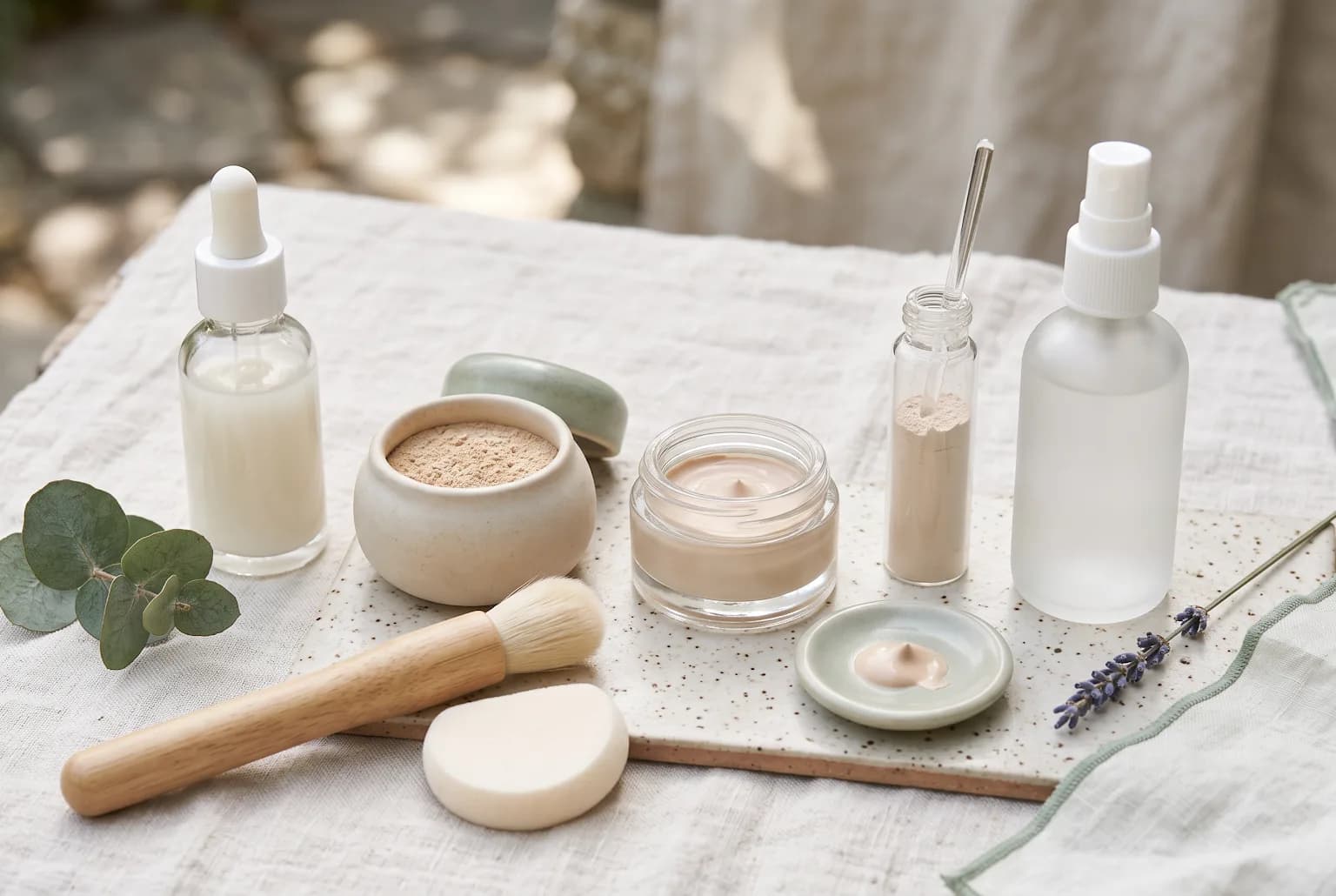
This routine balances mattification and skin health. Steps are minimal, focused on T-zone control and longevity while preserving natural skin texture.
- Cleanse and apply any targeted actives (e.g., salicylic acid) and allow to absorb.
- Apply a lightweight, non-comedogenic moisturizer and a mattifying sunscreen if used.
- Dab a pea-sized amount of silica- or microsphere-containing primer into the T-zone; blend outward.
- Apply a soft-matte, long-wear foundation in thin layers—sheer first, then build where needed.
- Spot-conceal with a demi-matte concealer and very lightly set under the eyes with translucent powder.
- Dust a small amount of translucent loose powder on the T-zone only. Finish with a fine mist of setting spray.
- For midday touch-up: blot with paper, press a small amount of powder only where necessary, and mist lightly if desired.
<!-- image: a-sample-gentle-oily-skin-makeup-routine -->
Frequently asked questions
What foundation finish is best for oily skin?
Soft-matte, long-wear finishes are generally best for oily skin because they reduce shine while maintaining some natural skin texture. If you have significant texture, choose a softer matte or demi-matte liquid with transfer-resistant properties rather than the heaviest matte options, which can emphasize lines and flakes.
Should I use a powder or liquid foundation if I have oily skin?
Both can work. Powder foundations offer immediate matte effect and are quick to apply, while liquid soft-matte foundations typically offer more blendability and buildable coverage. The right choice depends on coverage needs and how your skin accepts powder: test both over your chosen primer to see which separates or lasts longer.
How do I touch up makeup midday without caking?
Start by blotting to remove excess oil, then apply minimal translucent powder only where needed. Blot first; powder on a greasy base causes clumping. Carry single-use blotting papers and a travel-size setting spray to refresh rather than re-powdering heavily.
Can I use an oil-control primer every day?
You can, but monitor skin response. Continuous heavy mattification can dry some skin types and prompt rebound oil. Alternate primer use on low-oil days, prioritize lightweight formulas with silica/microspheres, and maintain a gentle moisturizing routine to support the skin barrier. If acne-prone, patch test new primers.
Related Reading
- Best Concealer for Oily Skin: A Finish-First Guide to Coverage That Stays Put
- Best setting spray for oily skin: a performance-first guide
- The Best Serum for Oily Skin Is the One That Solves Your Actual Skin Goal
Sources
- Allure — Best foundations for oily skin (product testing, 2026)
- Glamour — Makeup artist recommended foundations for oily skin (2026)
- YouTube pro makeup tests — long-wear foundations for oily skin (2026)
Clear guidance, checked before publication.
Solvi articles are structured by our editorial team and reviewed for clarity, consistency, and responsible health language. We update pages when guidance or product information changes.

Maya Bennett
Senior Beauty Editor. Maya is the skincare obsessive who turns big beauty questions into clear, grounded guidance. She is especially interested in routines that respect real skin, real schedules, and realistic budgets.