The balance-first guide to the best toner for combination skin


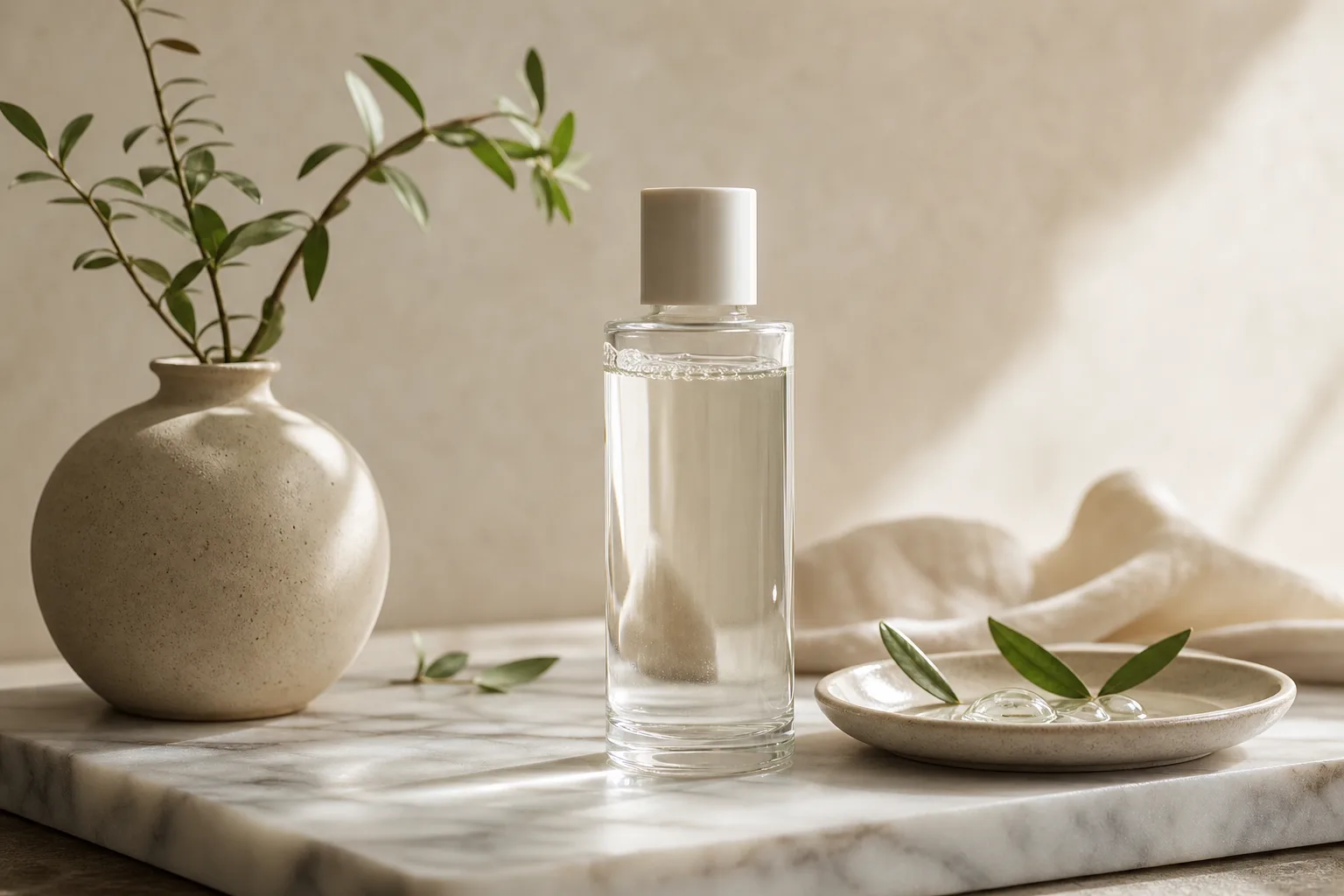
the best toner for combination skin is a lightweight, hydrating formula with humectants (glycerin or low‐weight hyaluronic acid) and a low‐strength exfoliant (AHA, PHA, or a gentle BHA) targeted at the oily T‐zone. Avoid toners that rely on high‐strength alcohol or heavy fragrances, and always introduce acids slowly while using sunscreen.
<!-- image hero -->
What to look for in a toner
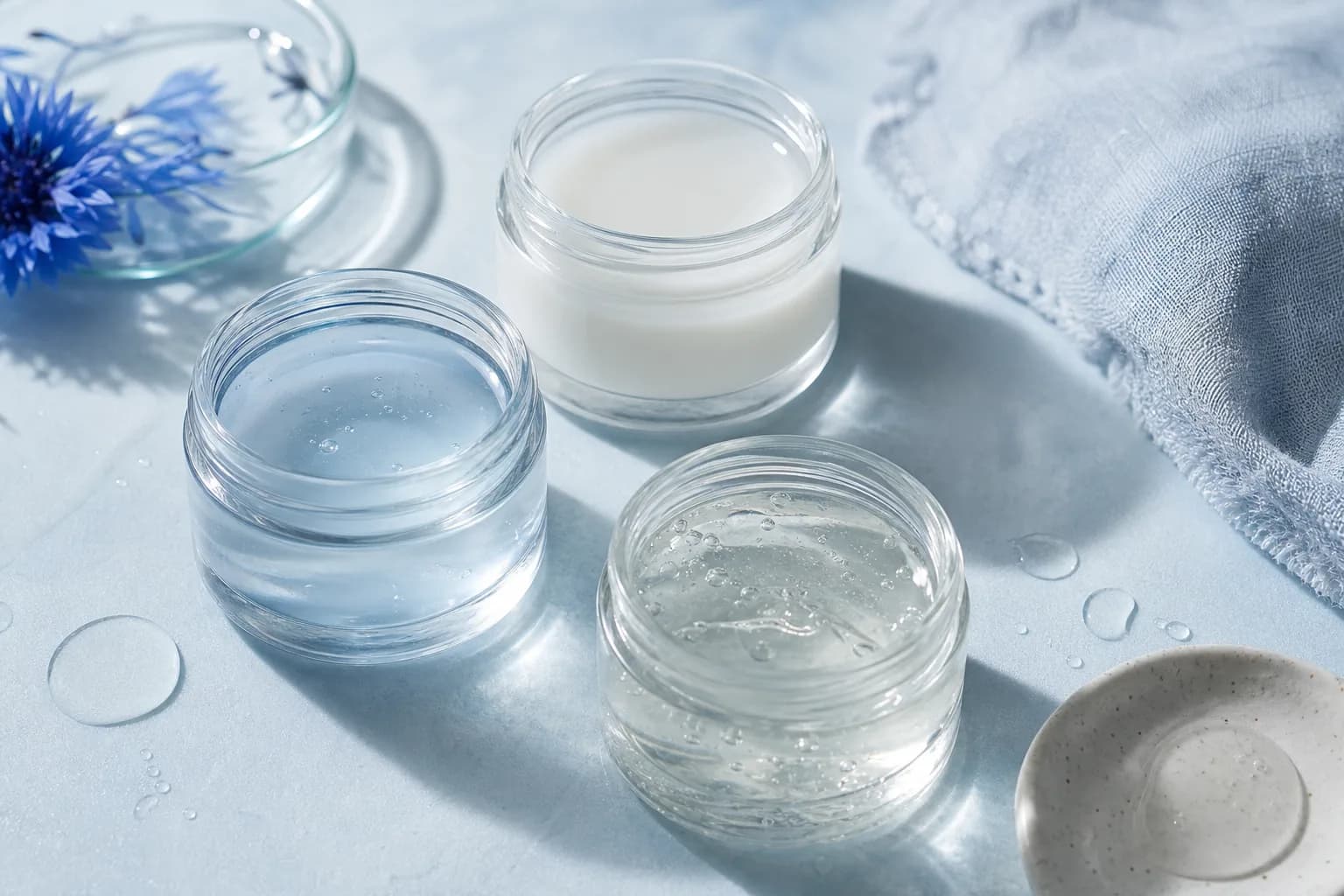
Start by thinking of a toner as a balancing bridge between cleansing and treatment. Combination skin needs moisture on the cheeks and control in the forehead/nose area; a good toner delivers humectant‐forward hydration without oil or heaviness and offers mild resurfacing for texture in the T‐zone. Key ingredients to seek are glycerin and low‐molecular‐weight hyaluronic acid for light hydration, and a low concentration of AHA/PHA or a BHA‐lite to smooth pores and refine texture.
Texture matters: watery or milk‐like toners sink in quickly on dry areas and won’t pill beneath serums. Check labels for "alcohol denat" or high alcohol content if you notice flakiness after use—those formulas can strip cheeks and provoke rebound oil. When acids are present, they should be marketed as gentle or low‐strength; start every few nights and monitor for sensitivity.
Texture and layering by skin zone
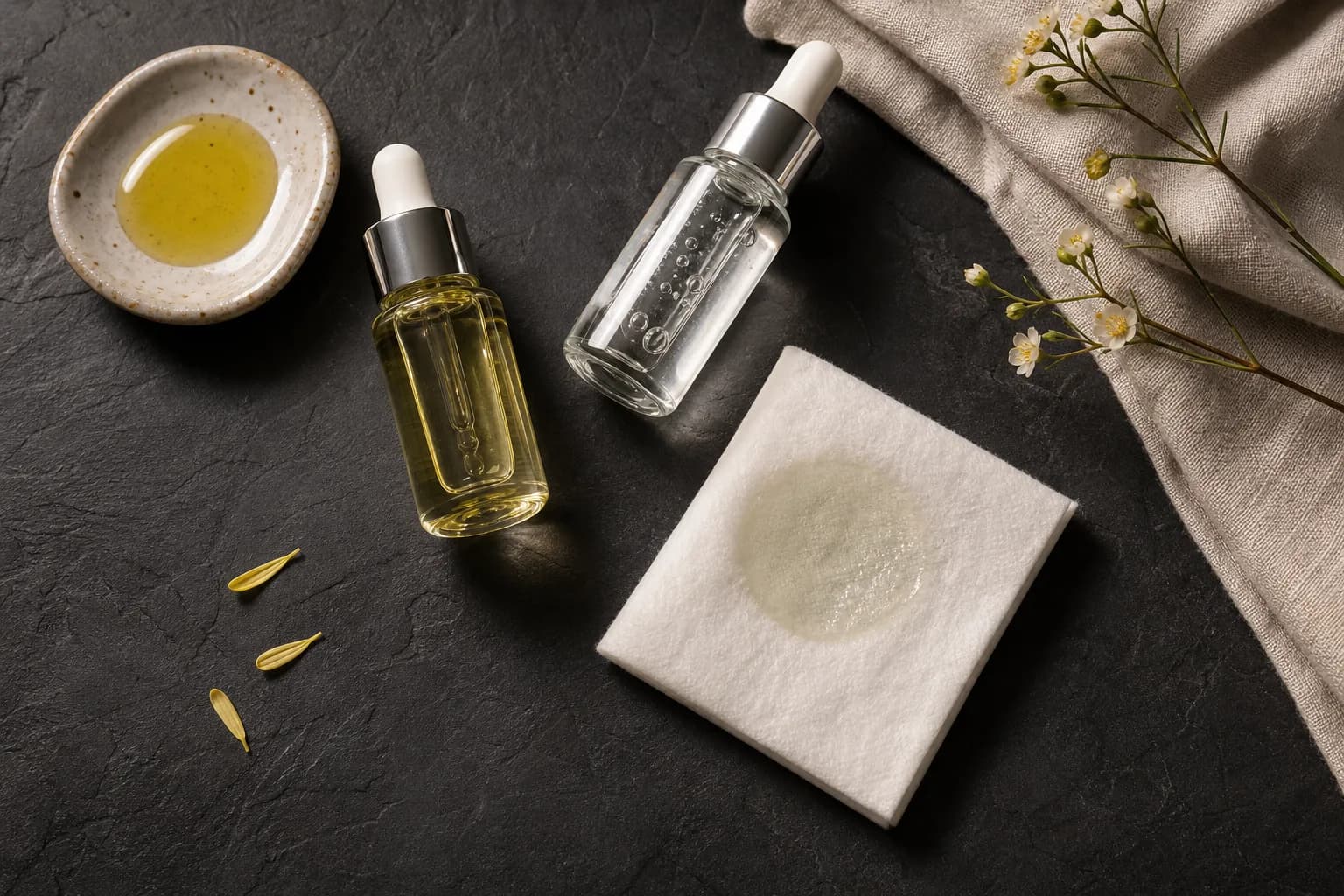
Think in thirds: the T‐zone (forehead, nose, chin) tends to need mattifying and mild exfoliation; the cheeks and periorbital area need humectant hydration and barrier support. Choose a watery or milky toner if you want even spread and quick absorption. A thin, milky toner with glycerin gives a dewy finish on cheeks while a water‐thin BHA‐lite step can sit over the T‐zone without clogging.
Practical application: pour a few drops onto a cotton pad or into your palms. Pat a glycerin‐rich toner into cheeks, then lightly sweep an exfoliating toner across the T‐zone. If you prefer a one‐bottle solution, pick a balanced formula described as "gentle AHA/PHA" or "BHA‐lite" so the acid dose is low enough not to dry out the drier areas.
<!-- image: texture-and-layering-by-skin-zone -->
How to read ingredient lists (decision cheat sheet)
Use ingredient priorities to choose fast: humectants first, low‐strength acids second, and skin‐friendly pH third. Avoid long strings of drying denaturants near the top of the list. Here’s a compact way to compare formulas that you can carry in your head when shopping.
| Ingredient category | What it does | What to look for on the label |
|---|---|---|
| Humectants | Attracts and holds water to hydrate cheeks without oil | Glycerin, sodium hyaluronate (low MW), propanediol near the top |
| Gentle exfoliants | Smooth texture and clear pore congestion | Low % AHA (glycolic/lactic), PHA (gluconolactone), "BHA‐lite" or salicylic acid listed lower down |
| Irritants to avoid | Strip or over‐dry sensitive zones | High alcohols (alcohol denat), strong fragrances high in the list |
| pH considerations | Acid actives need moderate pH to work and be tolerable | Branded as formulated at skin‐safe pH or labeled "gentle" with acids |
This table helps you trade off: a stronger exfoliant gives faster smoothing but raises irritation risk for cheeks. A humectant‐first bottle is kinder to dry areas but might need an additional, targeted exfoliant for the T‐zone.
Picking formats: single bottle vs. zone‐specific approach
Single‐bottle toners: Convenience wins if the formula is truly balanced—light humectants plus a low‐strength acid that won’t desiccate sensitive cheeks. These are best for people who prefer a minimalist routine and whose cheeks aren’t extremely dry. The tradeoff is limited control: if your T‐zone oil is severe, a mild one‐bottle acid may not be strong enough.
Zone‐specific layering: Using two products—one hydrating toner for cheeks and a separate BHA‐lite or PHA product for the T‐zone—lets you tailor treatment by area. The downside is complexity and cost. This strategy is preferable for pronounced combination patterns, seasonal shifts, or when your cheeks flare with active ingredients.
Who should pick which? If you wear makeup daily and need quick prep, a single, lightweight milk toner keeps skin primed. If you’re controlling blackheads and shine centrally while avoiding cheek sensitivity, adopt a zone approach and apply acids only where needed.
How to introduce acids safely into a combination routine
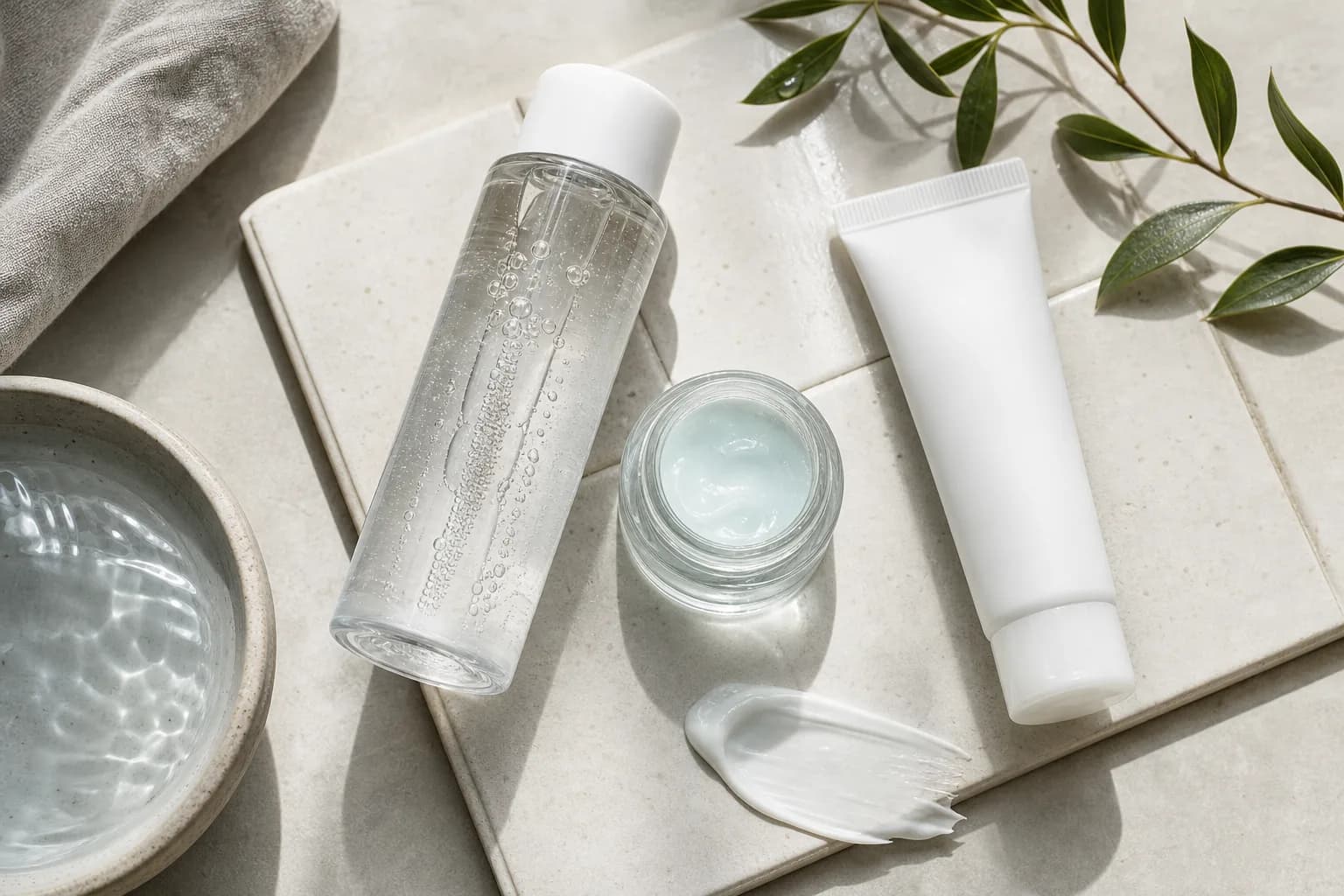
Start slowly: apply an acid‐containing toner once every three nights for the first two weeks, then increase frequency if no irritation appears. If you’re using other actives like retinoids, stagger nights to lower cumulative irritation risk. Always follow with a gentle, non‐stripping moisturizer to support the barrier.
Watch for these signs that you’re using acids too often: persistent stinging, redness, flaking, or increased sensitivity. If that happens, pause the acid toner and focus on humectant and ceramide‐rich products for two weeks before reintroducing at a lower cadence.
Concretely, a beginner plan looks like this: nights 1–14, acid toner every third night; nights 15–28, every other night; and then assess oil control and texture. Daytime always includes broad‐spectrum sunscreen when acids are in play—the light chemical exfoliation increases sun sensitivity.
What to review when comparing specific products
When you compare labels, evaluate five tradeoffs: active strength, humectant load, absence of high alcohol, fragrance level, and price per ounce. Ask: does the product emphasize hydration or exfoliation? Which wins for your skin pattern? Read formulation notes—terms like "gentle," "AHA/PHA," or "BHA‐lite" indicate lower actives suited for combination skin.
Use these concrete decision examples: if your cheeks are dry and pores around the nose are mild, choose a glycerin‐forward, low‐AHA toner. If the T‐zone is congested and you tolerate salicylic acid, pick a product listing salicylic or "BHA" but ensure it's farther down the ingredient list and paired with humectants. If you want a single hybrid, prefer a milky texture with labeled PHAs or low‐strength lactic acid.
For fuller routines, pair a hydrating gel‐cream (see our guide on the Best Face Moisturizer for Combination Skin: The Smart Gel-Cream Guide) after toner to lock in moisture without clogging pores. For midday touchups, consult our primer on powdering options for oily zones in Best Face Powder for Oily, Acne-Prone Skin: A Smarter Way to Set Shine.
Texture tradeoffs, price, and who benefits most
High‐value toners deliver the essentials: humectant base, a gentle acid line, and minimal irritants. Luxury pricing often buys scent, packaging, or refined textures, but a mid‐priced glycerin + low‐AHA/PHA formula can do the same balancing work. Evaluate price per ounce and ingredient prominence to judge value: more glycerin and sodium hyaluronate near the top generally signal real hydrating content.
Decision examples: buy a single mid‐priced balanced toner if you want simplicity and travel ease. Spend more only if a product offers a clinically justified ingredient profile you need. If you have acne‐prone zones, pairing a focused BHA product with a budget hydrating toner is often more effective than a single premium hybrid.
A practical shopping checklist: read the first five ingredients, avoid high alcohols, confirm a humectant is present, and ensure acids are labeled "gentle" or PHA/AHA low strength. If you need help narrowing, see our related guide on cleansing essentials for sensitive barriers in The best face cleansers for sensitive skin: a barrier-first guide.
Frequently asked questions
Can I use the same toner on my entire face if I have combination skin?
Yes—if the toner is explicitly formulated as balanced and gentle (humectant‐forward with a low‐strength acid). Single‐bottle solutions work well for mild combination patterns. For pronounced oiliness in the T‐zone and dry cheeks, a zone‐specific approach—hydrating toner for cheeks and a BHA‐lite for the T‐zone—gives more targeted control.
How often should I use a toner with AHA, BHA, or PHA?
Begin slowly: use an acid toner once every two to three nights for the first two weeks and increase frequency only if your skin tolerates it without redness or flaking. If you use retinoids or other actives, alternate nights to reduce irritation. Always pair with sunscreen during the day when acids are in your routine.
Will a toner with glycerin make my oily T‐zone worse?
Not usually. Glycerin is a humectant that attracts water, not oil; in water‐light concentrations it hydrates without adding sebum. For the T‐zone, combine a glycerin‐containing toner with a low‐strength exfoliant or use a targeted BHA step to control shine and clear pores.
Should I avoid toners with fragrance if I have reactive cheeks?
Yes—fragrance can sensitize already reactive areas. For combination skin that includes dry or easily irritated cheeks, choose alcohol‐ and fragrance‐free formulas to reduce the risk of irritation while still treating the oily zones.
Related Reading
- Best Night Moisturizer for Sensitive Skin: A Barrier-First Guide for Mature, Dry, and Combination Skin
- Products for Combination Skin: A Zone-First Shopping Guide That Keeps Routine Simple
- Best Face Moisturizer for Combination Skin: The Smart Gel-Cream Guide
Sources
- Glamour — Best Toners Tested (includes picks for combination skin)
- DermApproved — Best Toners for Combination Skin (2026)
- Eadem product listing (example toner)
Clear guidance, checked before publication.
Solvi articles are structured by our editorial team and reviewed for clarity, consistency, and responsible health language. We update pages when guidance or product information changes.

Naomi Chen
Skincare Ingredients Writer. Naomi reads ingredient lists for fun and loves translating formulation language into advice that makes sense at the bathroom mirror. Hydration, barrier care, and sensitive-skin formulas are her favorite rabbit holes.