The best skincare routine for dry skin: a hydration-first plan



For dry skin, prioritize humectants (hyaluronic acid or glycerin) applied to damp skin, then replenish lipids with a ceramide‐rich cream and seal with an occlusive when needed. Use a gentle, non‐foaming cleanser and daily broad‐spectrum SPF during the day. Introduce potentially drying actives—like retinoids or low‐strength AHAs—slowly while keeping barrier support as your baseline.
Build a hydration-first routine
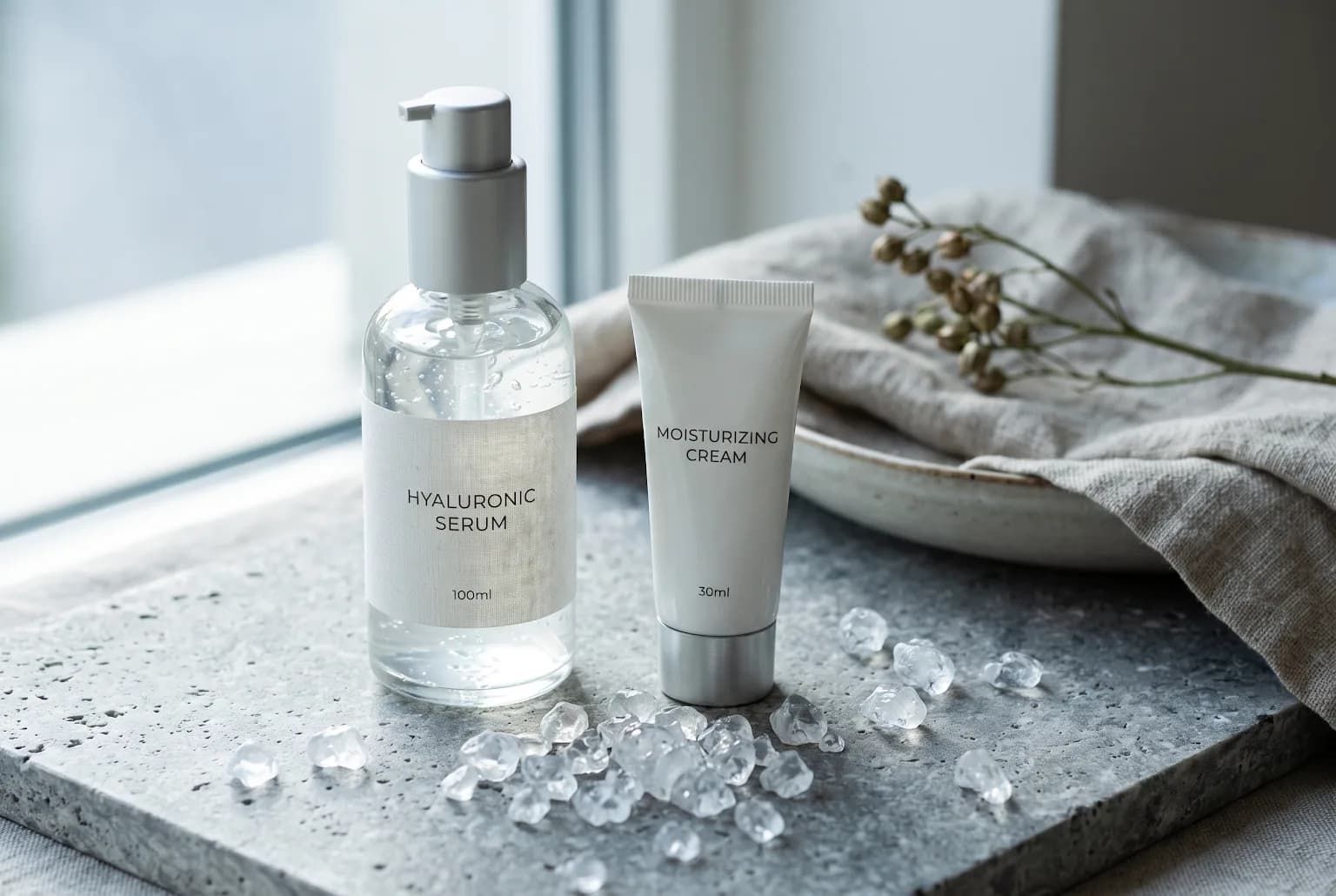
A hydration-first routine means arranging products so each step solves a specific loss of water or lipids. Start with a creamy or syndet cleanser to remove dirt without stripping; follow with a humectant serum (hyaluronic acid or glycerin) while skin is still damp; then apply a moisturizer that lists ceramides and cholesterol among its top ingredients; finish with an occlusive (petrolatum, squalane, or a balm) over areas that lose moisture rapidly—lips, cheeks, or hands.
Texture and format matter: light humectant serums are easy to layer under thicker creams; creams vary from skin‐feeling emollient to dense, butter‐like balms that trade spreadability for sealing power. If you prefer lightweight finishes, choose a hyaluronic serum plus a richer cream; if you crave visible overnight smoothing, opt for a balm as the final step.
When selecting products, favor fragrance‐free, hypoallergenic packaging choices and formulas that explicitly avoid foaming sulfates. For a deeper primer on product classes and buying cues, see our wider resources on building routines for dry skin at and layering principles at .
How to layer for maximum hydration
Layering is about chemistry and timing: humectants pull ambient water into the stratum corneum, emollients smooth the surface and replenish fatty acids, and occlusives form a physical barrier to reduce transepidermal water loss (TEWL). Apply humectants on damp skin to increase uptake; give lightweight serums 30–60 seconds to settle before topping with a cream. Thicker occlusives should be patted on as the final step, especially at night.
Below is a quick decision table to match format to need and tradeoffs:
| Purpose | Common formats | Best when you want | Tradeoffs |
|---|---|---|---|
| Hydration (water binding) | Hyaluronic acid, glycerin serums | Lightweight layers that sink in | Can feel sticky; needs sealing |
| Lipid replenishment | Creams with ceramides, fatty acids | Daily day/night moisturization | May feel heavy under makeup |
| Sealing loss | Petrolatum, shea butter, balm | Overnight repair and very dry patches | Can be occlusive/greasy |
For daytime, choose a cream that balances lipids with a pleasant finish so it layers well under SPF. For evening, you can use a richer cream or add an occlusive selectively. If you wear makeup, apply occlusives only to areas that tolerate them or use a lightweight facial oil instead.
Choose the right cleanser and why texture matters
A cleanser sets the tone: foaming, strip‐prone washes remove oils aggressively and can worsen dryness; instead, select a creamy, milky, or syndet cleanser formulated for dry or sensitive skin. Look for nonionic or amphoteric surfactants rather than sulfates, and avoid high‐alcohol toners immediately after cleansing.
Textures to consider:
- Cream or milk cleansers: gently dissolve makeup and grime without tightness.
- Syndet bars: solid cleansers that mimic skin’s pH and are less drying than soap.
- Micellar waters: good for quick removal but should be followed by a rinse or hydrating toner to avoid residue.
Practical rules: wash with lukewarm—not hot—water, and pat, don’t rub, skin dry. If you double‐cleanse in the evening (oil cleanser then rinse), keep the second step mild and quick. When shopping, check ingredient lists for added glycerin or panthenol for an extra hydration boost.
Humectants, emollients, occlusives — formats and tradeoffs
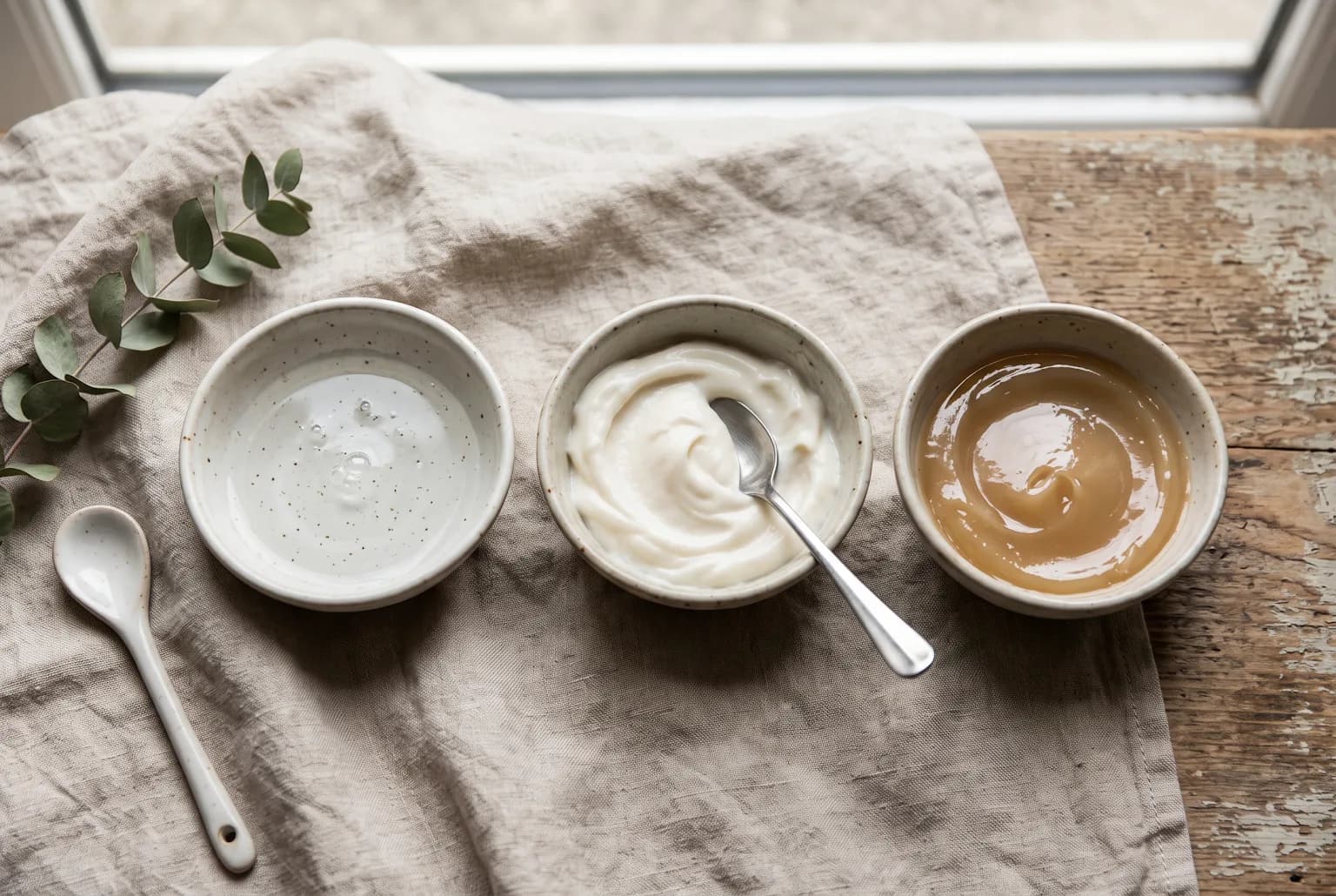
Understanding formats helps you match products to routine goals. Humectants (hyaluronic acid, glycerin) draw water into the outer skin and are thin in texture; they layer well but require a follow‐up moisturizer to prevent surface stickiness. Emollients and lipid‐rich creams containing ceramides, fatty acids, and cholesterol restore the skin’s barrier—choose a cream if you want spreadability and a matte finish, or a heavier butter for immediate smoothing.
Occlusives like petrolatum, mineral oil, or thick plant butters form a film to lock in moisture. Use occlusives selectively: under eyes or on cheeks overnight if you experience flaking, or as a targeted balm for cracked areas. If you prefer lightweight finishes, facial oils (squalane, jojoba) give mild sealing without a heavy film but are not as effective as petrolatum for severe TEWL.
Texture tradeoffs to weigh:
- Spreadability vs. sealing: lighter creams are comfortable under makeup but seal less effectively.
- Absorption vs. longevity: balms last longer overnight but can pill or interfere with styling.
- Cost vs. concentration: smaller jars of clinical‐grade ceramide creams may cost more but often list active lipids higher in the formula.
Work in actives without stripping
Actives can be part of a dry‐skin plan, but prioritize barrier support around any treatment. If you use an overnight retinoid, reduce frequency to 1–2 nights per week initially and add hydration steps: humectant serum on damp skin, followed by a ceramide cream, and finish with an occlusive if you notice tightness. Low‐concentration AHAs (lactic acid at gentle doses) can help flakiness once weekly, but avoid daily exfoliation.
Apply these decision rules:
- Start slow: introduce one active at a time, wait 2–4 weeks to assess tolerance.
- Buffering: on nights you use a retinoid, apply moisturizer first (a thin layer) and retinoid on top if irritation is a concern, or vice versa based on product instructions.
- Hydration fallback: if redness or stinging appears, pause actives and return to the core three steps—humectant, ceramide cream, occlusive—until comfort returns.
Night routine specifics
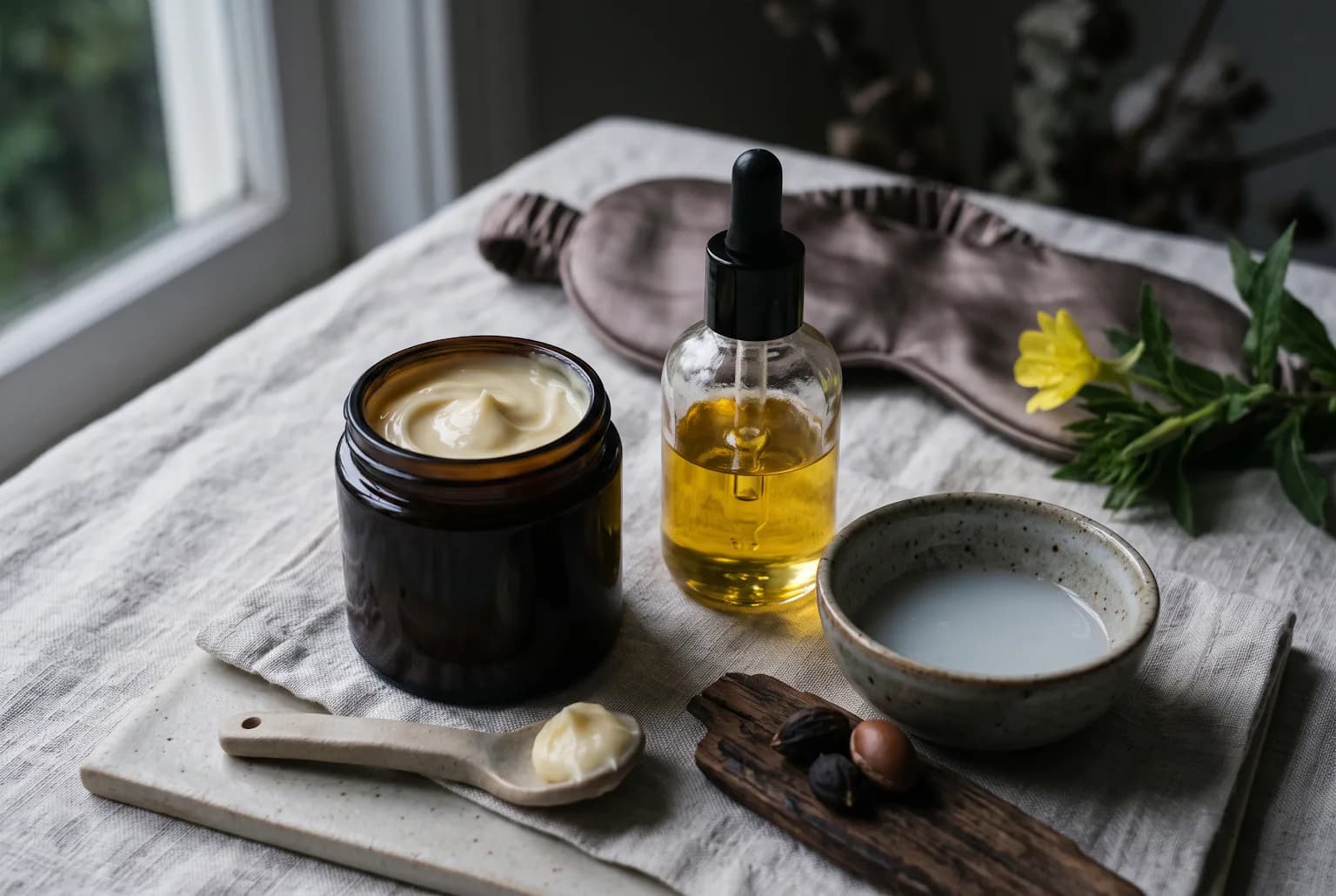
Night is when you can be more aggressive with sealing and reparative formulas. Cleanse gently, then use a humectant serum on slightly damp skin. Layer a ceramide‐rich, richer night cream to replenish lipids; if you tolerate it, add a thin occlusive patch across very dry zones—this is particularly effective for overnight repair. For those who want anti‐aging benefits, a low‐strength, well‐buffered retinoid used 2–3 nights per week can be introduced, but always pair it with nightly hydration and reduce frequency if dryness worsens.
If irritation occurs, simplify immediately: stop actives, use a bland ceramide cream (look for cholesterol and fatty acids in addition to ceramides), and consider applying a petrolatum layer at night for 1–2 weeks to rapidly reduce water loss. For more details about night moisturizers and barrier‐first options, consult our guide at and the cream recommendations in .
Practical product checklist and shopping guide
When shopping, evaluate texture, ingredient order, and the specific skin problems you want to solve. A simple checklist helps:
- Cleanser: creamy or syndet, fragrance‐free.
- Humectant: hyaluronic acid or glycerin serum, ideally low concentration for layering.
- Moisturizer: lists ceramides high on the ingredient list and contains fatty acids.
- Occlusive: petrolatum, shea, or a balm for nights and targeted patches.
- SPF: broad‐spectrum sunscreen formulated for dry or sensitive skin.
Compare two realistic decision examples: if you spend mornings in makeup and need a smooth base, pick a lightweight ceramide cream that absorbs quickly and pair it with a separate occlusive for nights. If you prefer minimal products, choose a richer day cream with ceramides plus a thin facial oil to layer under sunscreen.
Aim for fragrance‐free formulas and avoid repeated daily exfoliation. Use repair‐focused ingredients as your baseline, then layer actives cautiously. For curated product rounds and deep dives into moisturizer formats for dry and sensitive skin, explore our related guides at and .
Frequently asked questions
How do I apply products if my skin is very flaky?
If skin is flaky, use lukewarm water and a gentle cleanser, then apply a humectant to damp skin, a ceramide‐rich cream, and an occlusive over the driest patches. Skip exfoliation until flaking subsides. If flakes persist despite this routine, consult medical guidance for possible underlying causes.
Can I use retinoids if I have dry skin?
Yes, but introduce retinoids slowly and pair them with extra hydration. Start with 1–2 nights per week, build tolerance, and always ensure you have a ceramide cream and occlusive available. If dryness or irritation develops, reduce frequency and prioritize barrier repair.
Is hyaluronic acid safe for very dry, sensitive skin?
Hyaluronic acid and glycerin are generally safe and helpful for dry skin when applied to damp skin and sealed with a moisturizer. Some people with extreme sensitivity may find concentrated serums sticky; if so, dilute with your moisturizer or choose lower‐concentration products.
What sunscreen should I use with a dry‐skin routine?
Choose a broad‐spectrum SPF with moisturizing ingredients or a cream base that works well with your moisturizer. Mineral sunscreens can be a gentle option; test for pilling under makeup and reapply as needed. Always layer sunscreen over your final morning moisturizer.
Related Reading
- The best dry skin guide: moisturizers, routines, and what to buy
- The best men skincare routine: simple, effective plans for every skin type
- The balanced skincare routine for acne and oily skin
Sources
- American Academy of Dermatology — Tips to relieve dry skin
- Mayo Clinic — Dry skin diagnosis & treatment guidance
- Allure — Expert dermatologist guidance on building a dry‐skin routine
Clear guidance, checked before publication.
Solvi articles are structured by our editorial team and reviewed for clarity, consistency, and responsible health language. We update pages when guidance or product information changes.

Amara Lewis
Sensitive Skin Writer. Amara is fascinated by calm, barrier-first skincare and the small details that make a routine easier to tolerate. She favors thoughtful formulas, slow introductions, and less guesswork.