The best dry skin guide: moisturizers, routines, and what to buy


Answering the search: Treat the best dry skin by rebuilding both water and lipids—use a humectant (glycerin, hyaluronic acid, or urea) to draw moisture in, layer an emollient (squalane or light esters) to smooth, and finish with an occlusive (petrolatum or thick balm) to lock it all in. Choose textures by severity: light creams for mild dryness, urea or ointments for very dry skin and cracked areas. Avoid frequent hot showers and harsh soap substitutes that strip lipids, and seek medical care if you see persistent cracking or bleeding.
Layering for dry skin
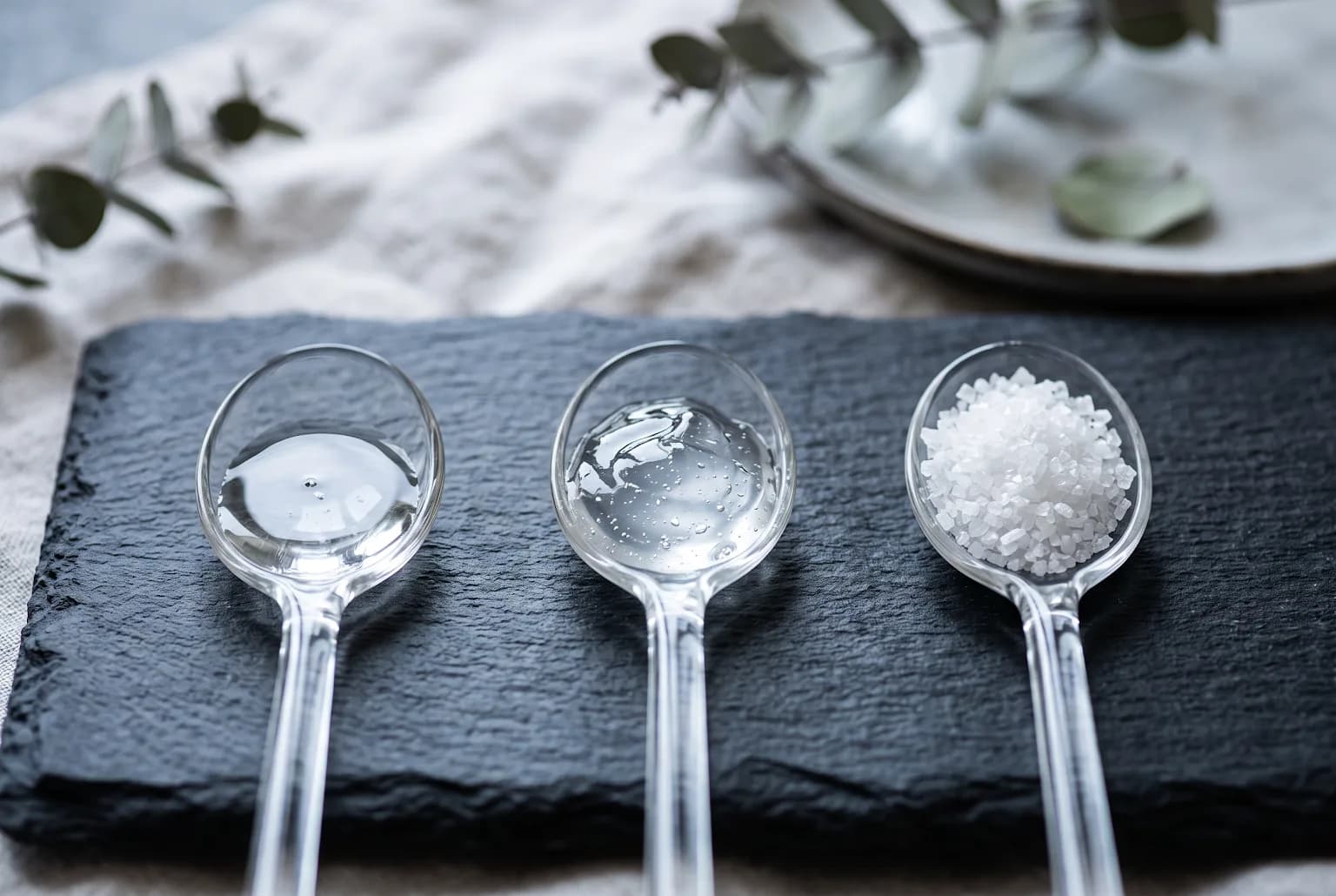
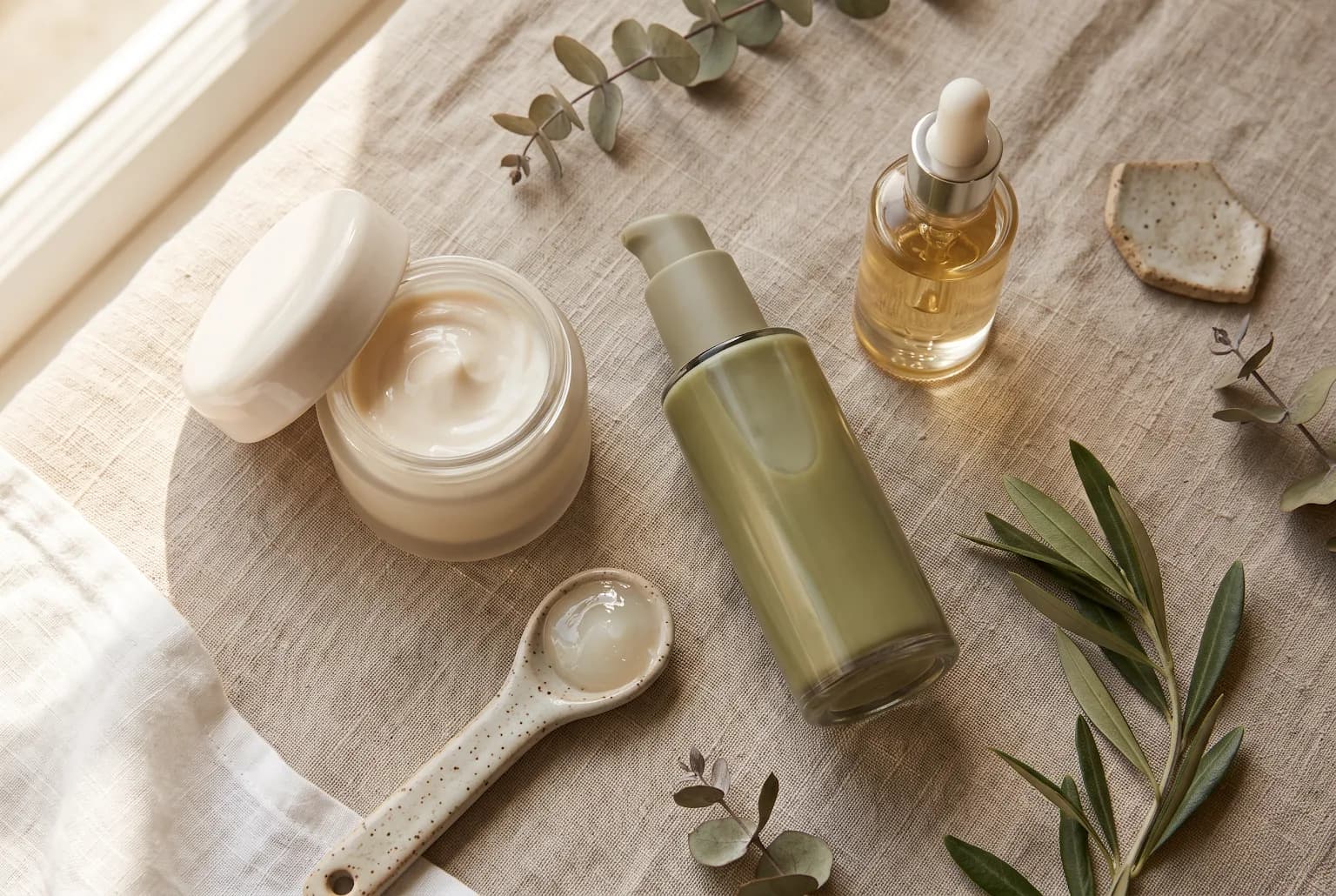
Start with the triad: humectant → emollient → occlusive. A practical order matters because each layer changes the surface chemistry. Apply a humectant product (glycerin or hyaluronic acid serum, or low‐percentage urea for very dry patches) to slightly damp skin; it draws or holds water in the outer layers. Follow immediately with an emollient—a squalane oil, a ceramide‐rich cream, or an ester blend—to fill gaps between corneocytes and create a softer, more cohesive surface. Finish with an occlusive, such as petrolatum or a rich night balm, to slow transepidermal water loss overnight.
Mechanically, humectants are lightweight and tacky, emollients feel smoothing and replenish lipids, while occlusives are heavier and form a film. If you live in a humid climate, a lighter occlusive (squalane plus a ceramide cream) may suffice. In cold, dry weather, favor petrolatum or an ointment texture.
Ingredient triad and what to look for
When evaluating a product, rate it by the ingredient triad: humectant, emollient, occlusive. Prioritize ceramides in the emollient phase—their lipids match skin’s natural barrier. For humectants, glycerin and hyaluronic acid are appropriate for most dry skin; urea is a humectant with keratolytic properties and is useful at 5–10% for very dry, rough skin (as found in some repair creams). Occlusives include petrolatum, lanolin, and heavier botanical butters, though petrolatum is the most occlusive and longest‐lasting.
Use this table to compare function, typical texture, and who it suits:
| Ingredient class | Common actives | Typical texture | Suited for |
|---|---|---|---|
| Humectant | Glycerin, Hyaluronic acid, Urea (5–10%) | Lightweight serum/gel | Mild to severe (adjust active) |
| Emollient | Ceramides, Squalane, fatty esters | Cream or oil | All severities; key for barrier repair |
| Occlusive | Petrolatum, mineral oil, thick balms | Ointment/balm | Moderate to severe; night use, cracked skin |
Decide by label order and concentration cues: if glycerin or HA is near the top, the product will help water retention; if ceramides and fatty acids follow, you have barrier rebuilding. A heavy petrolatum at the end signals strong occlusion for overnight rescue.
Choosing by severity: mild to severe
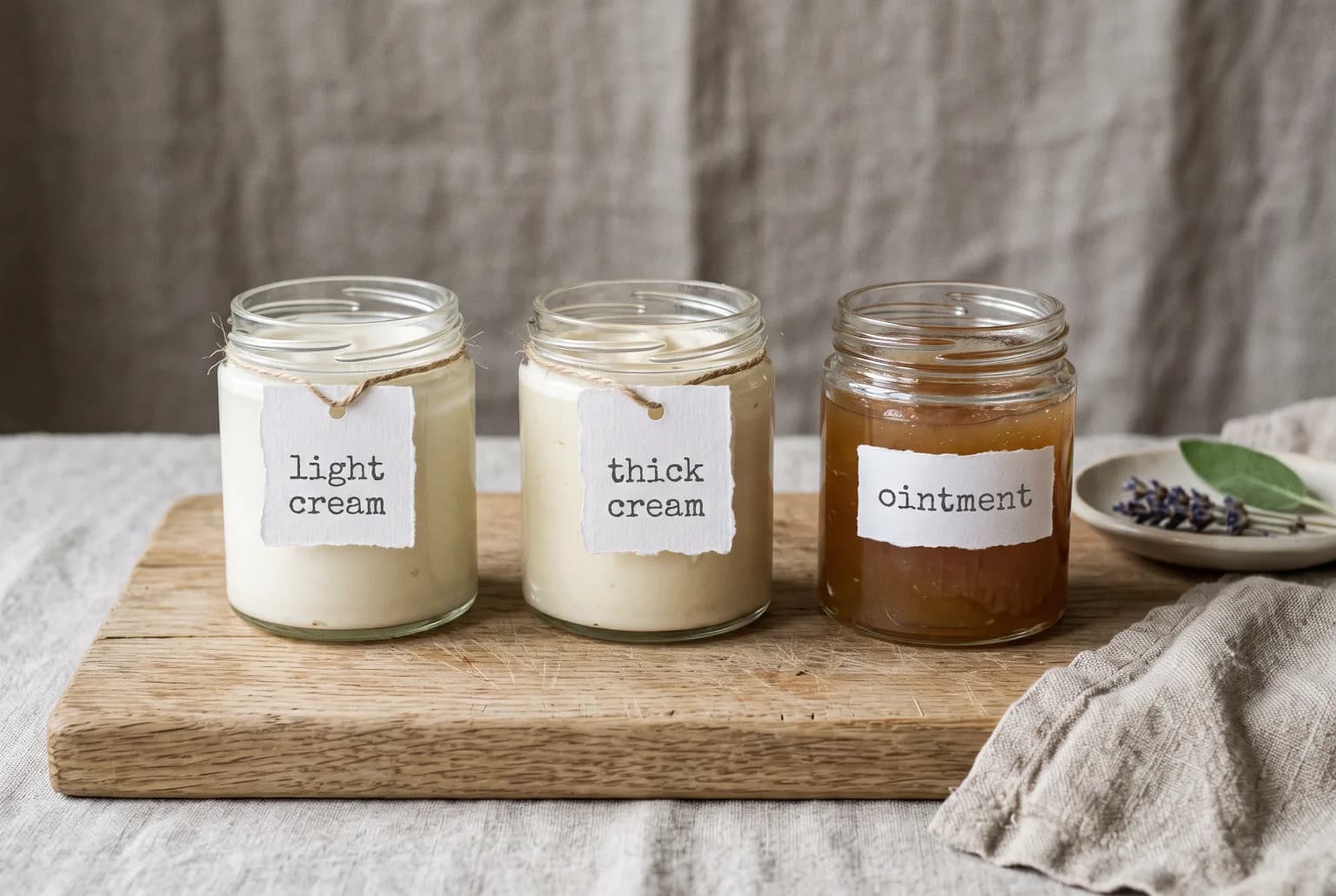
Match product format to symptom intensity. For mild dry skin—occasional flaking or tightness—a light, ceramide‐rich cream with glycerin and squalane is often enough. For moderate dryness—persistent rough patches—step up to a thicker cream or a cream that lists urea or higher glycerin concentrations. For severe dryness—visible cracks, fissures, or painful scaling—use ointments (petrolatum‐based), targeted urea formulas, and consider seeing a clinician if over‐the‐counter options don’t improve symptoms.
Concrete examples: choose CeraVe Moisturizing Cream when you want ceramides plus hyaluronic acid in a thicker cream texture. Reach for an Eucerin Advanced Repair product containing 5–10% urea for very dry, thickened areas. Reserve squalane‐rich night creams or La Roche‐Posay Lipikar‐style occlusive formulations for the driest seasons or overnight use.
- Mild dryness: lightweight cream, pump bottle, fragrance‐free
- Moderate dryness: thicker jar cream, look for urea or higher glycerin
- Severe dryness: ointment or heavy balm, petrolatum focus
How to pick a cleanser
A cleanser for dry skin should remove grime without stripping lipids. Look for non‐soap syndet formulas labeled "gentle" or "for dry skin" and avoid high‐pH soap bars. Ingredients like glycerin and mild surfactants (e.g., cocamidopropyl betaine) help cleanse while leaving moisture behind. If you wear makeup, a two‐step approach can be kinder: an oil or micellar first step followed by a gentle cream or milk cleanser. That minimizes friction and repeated hot water exposure.
Temperature and duration matter: lukewarm water is kinder than hot water, and short wash times reduce lipid loss. For body cleansing on very dry skin, avoid daily use of exfoliating washes and favor gentle, emollient body washes; follow immediately with a moisturizer while skin is still slightly damp to trap hydration.
Habits and lifestyle that matter
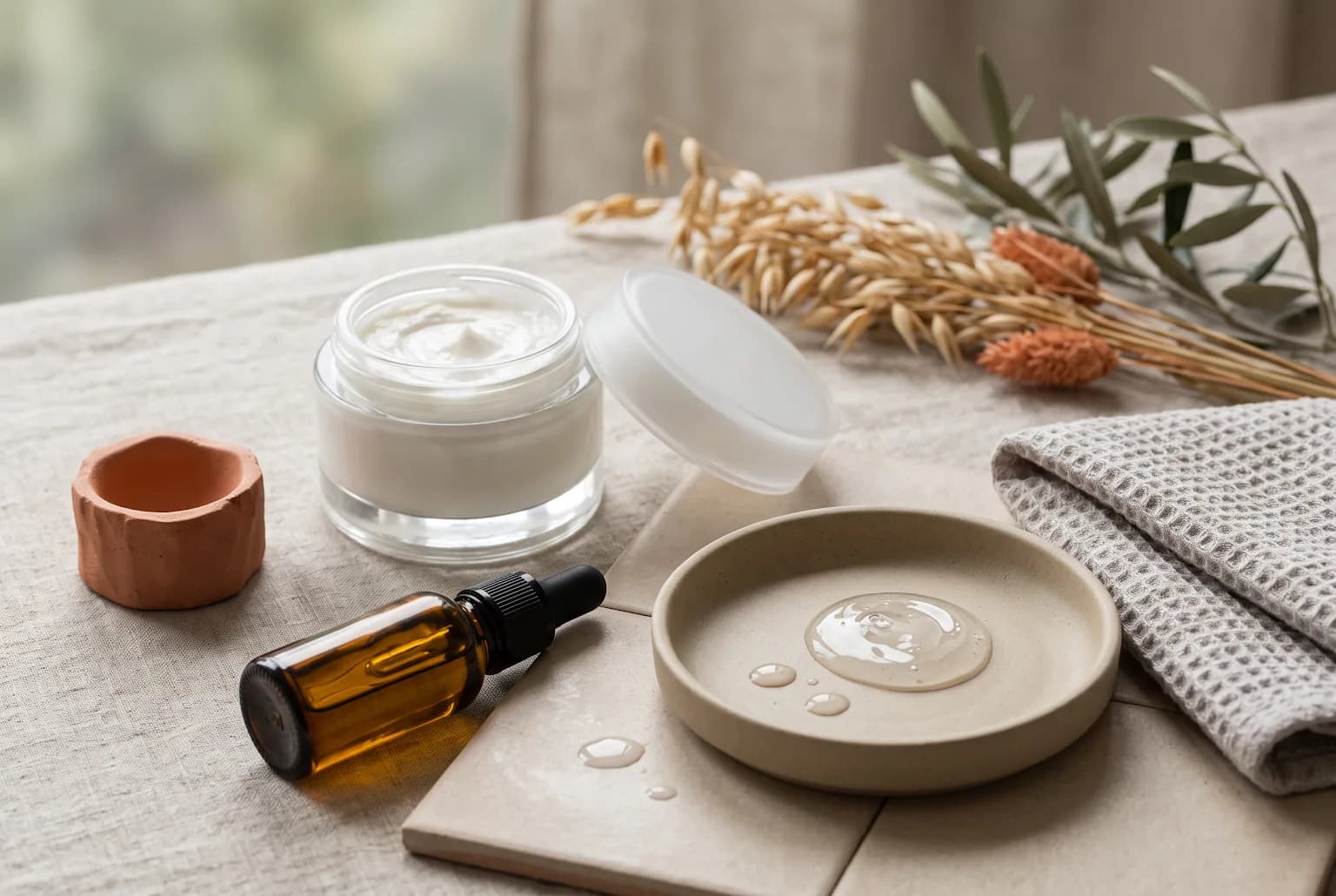
Fixing dry skin isn’t only about products. Adjust daily habits: reduce shower length and temperature, swap harsh soap for a non‐soap cleanser, pat dry and apply moisturizer within two minutes. Pillowcases in breathable cotton, a humidifier in winter, and wearing gloves for chores are small changes that reduce barrier stress.
If you use topical actives for other concerns (retinoids, benzoyl peroxide), schedule them for alternating nights and increase emollient support on treatment nights. Avoid fragranced products if your skin is reactive; fragrance can increase irritation and undermine barrier repair. When travel or seasonal change dries air, step up occlusion.
Seasonal texture and value tradeoffs
Seasonal shifts change what "best" looks like. In humid months, a lightweight cream with high humectant content and light emollients keeps skin balanced without greasiness. In cold, dry months, fattier emollients and stronger occlusives are worth the extra jar space because they prevent overnight water loss. Consider value tradeoffs: a multipurpose ceramide cream is cost‐effective year‐round, while a petrolatum ointment is inexpensive for targeted rescue and lasts a long time.
Think texture, not brand: a thinner lotion spreads more easily and saves product, but it may require more frequent reapplication. An ointment seems expensive at purchase but a pea‐sized amount covers a large area and needs less frequent application. If budget is a constraint, prioritize a humectant + ceramide cream for daily use and reserve petrolatum for very dry patches or overnight sealing.
Layering routines: morning and night examples
Morning routine: cleanse with a gentle non‐soap formula, apply a lightweight humectant serum (glycerin or HA), follow with a ceramide emollient cream, and finish with a light occlusive or SPF if heading outdoors. For makeup wearers, allow layers to set before foundation application; a thin squalane layer under foundation can prevent patchiness.
Night routine: cleanse, apply a higher‐strength humectant (or a low‐percentage urea treatment on rough spots), then a thicker emollient containing ceramides, and seal with an occlusive balm over the driest areas. For hands and feet, apply a urea or petrolatum product and wear cotton gloves or socks overnight to enhance absorption.
A simple shopping checklist:
- A gentle, non‐soap cleanser (pump or cream)
- A humectant serum or lotion (glycerin, HA, or low‐% urea)
- A ceramide‐rich cream or squalane emollient
- A petrolatum or heavy balm for overnight or severe patches
Frequently asked questions
Is dry skin the same as dehydrated skin?
No. Dry skin refers to low sebum production (a lipid deficiency), while dehydrated skin means the skin lacks water content. They can coexist, but the treatment emphasis differs: dry skin benefits from emollients and occlusives to restore lipids, while dehydration responds to humectants and increased water intake or barrier repair.
How often should I apply moisturizer for dry skin?
Apply moisturizer at least twice daily—after morning cleansing and immediately after bathing. For very dry or compromised skin, add targeted applications during the day to hands, feet, and exposed areas. Reapply after handwashing with a fragrance‐free emollient to protect barrier lipids.
Are there cleansers I should avoid for dry skin?
Avoid high‐pH soap bars and products labeled "deep clean" or "stripping." Harsh surfactants and frequent hot showers remove natural lipids. Choose syndet or cream cleansers instead, and limit exfoliating washes to occasional use if you have dry skin.
When should I see a clinician for my dry skin?
See a clinician if you experience persistent cracking, bleeding, severe itching, widespread scaling, or signs of infection. Conditions like eczema or ichthyosis can mimic or worsen dry skin and may require prescription topical therapies or targeted medical evaluation.
Related Reading
- The best men skincare routine: simple, effective plans for every skin type
- The balanced skincare routine for acne and oily skin
- The Best Skin Care Routine for Oily Skin Is a Balanced One
Sources
- American Academy of Dermatology — pick the right moisturizer for dry skin
- ClinicAdvisor / dermatologist picks for dry skin moisturizers
- NewBeauty — dermatologist product recommendations for dry skin
Clear guidance, checked before publication.
Solvi articles are structured by our editorial team and reviewed for clarity, consistency, and responsible health language. We update pages when guidance or product information changes.

Amara Lewis
Sensitive Skin Writer. Amara is fascinated by calm, barrier-first skincare and the small details that make a routine easier to tolerate. She favors thoughtful formulas, slow introductions, and less guesswork.