How to avoid sunscreen white cast without using less
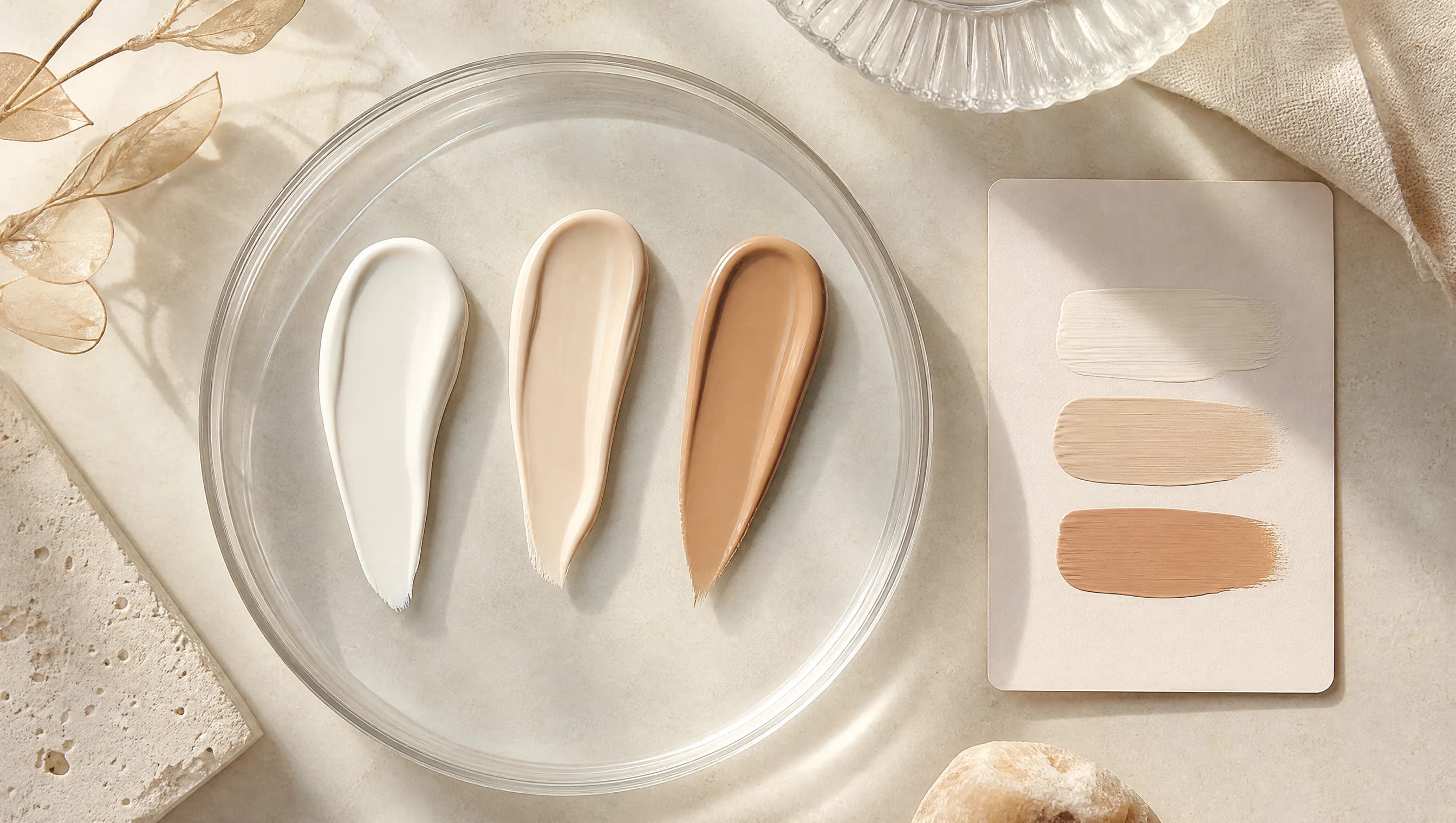
To avoid white cast, choose a finished sunscreen whose tint and texture work for your skin tone when applied as directed. Do not solve the problem by using less or mixing in another product. A tint can help, but it must also be a wearable shade at the amount you need.
Identify what you are actually seeing
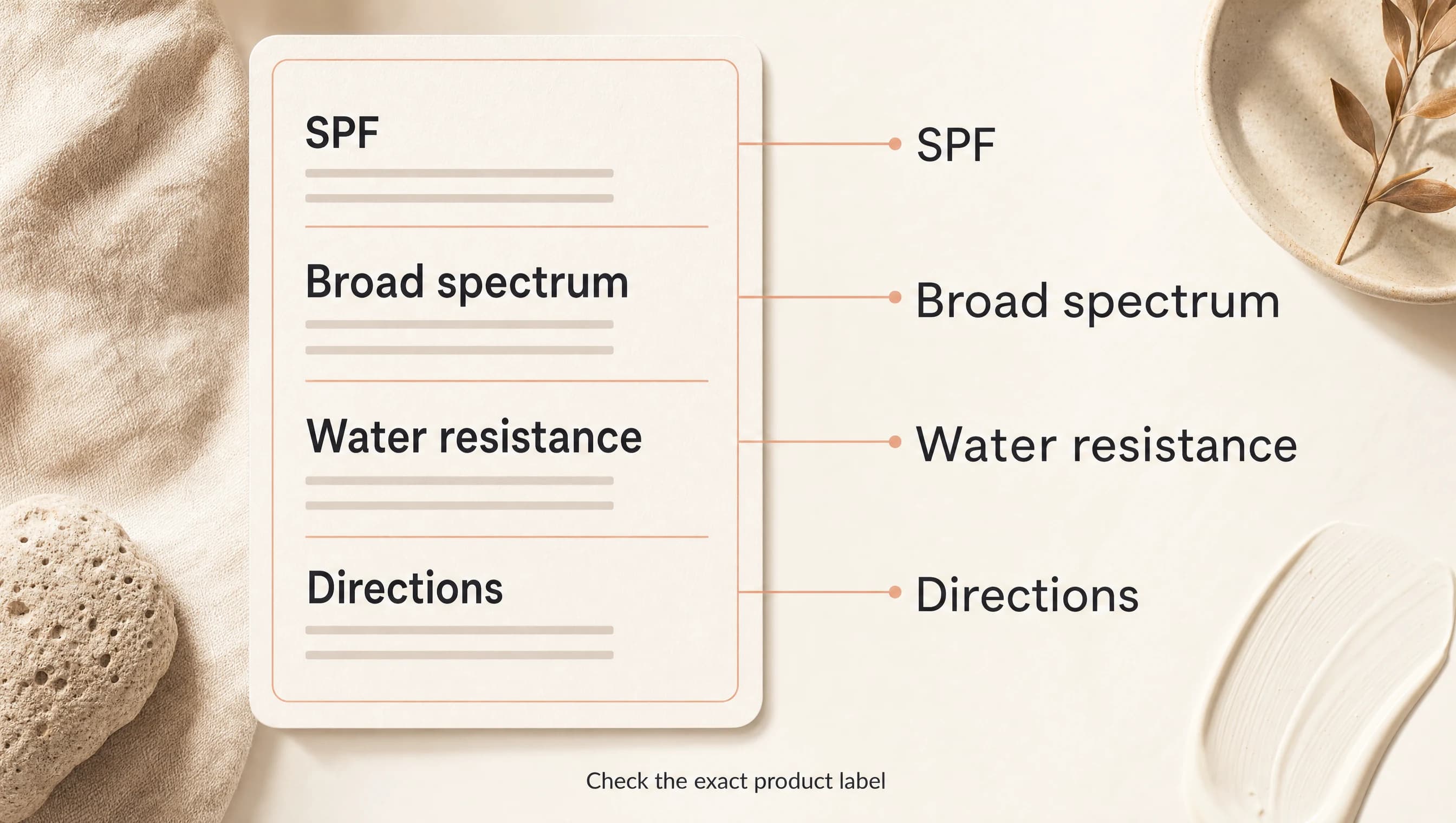
White cast, a mismatched tint, shine and pilling are different cosmetic problems. A gray-looking film calls for a different comparison from a formula that matches your skin but rolls under makeup.
AAD's selection guidance identifies a matching tinted sunscreen as an option for visible white residue. That does not mean every tinted product will match every complexion. Color depth, undertone and finish still matter.
| What you see | Useful comparison | Unhelpful shortcut |
|---|---|---|
| Pale or gray residue | A different finished formula or tint | Applying a much thinner layer |
| Tint looks orange or pink | Another shade or undertone | Diluting it with plain moisturizer |
| Excess shine | A different texture | Assuming tint caused it |
| Rolled-up product | The layering combination | Treating it as white cast |
Compare the required application, not a tiny swatch
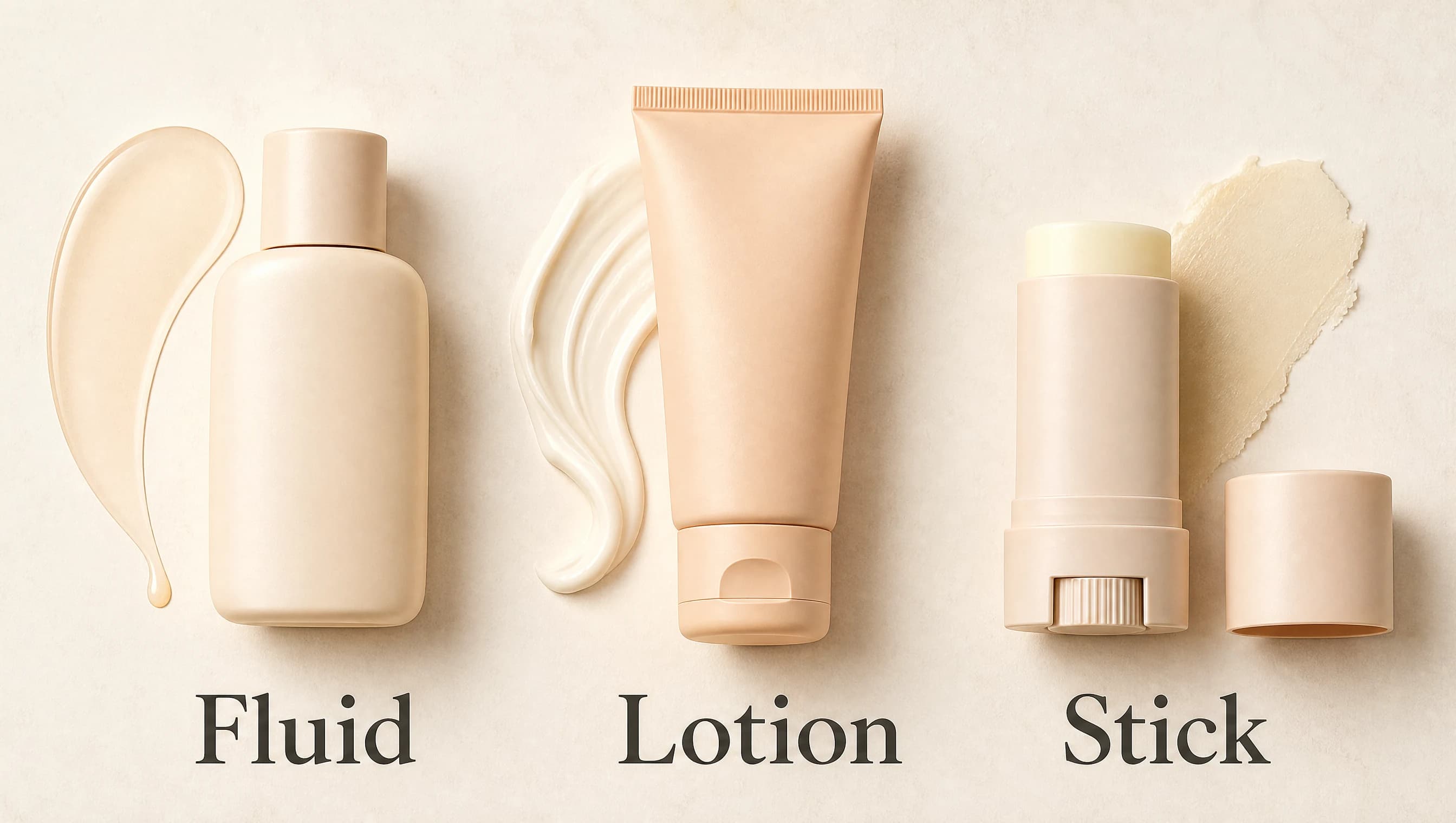
A small swatch can introduce the color, but it does not tell you how a generous application will look. Evaluate the finished appearance in ordinary daylight and with your normal clothing neckline, rather than relying only on a close-up bathroom mirror.
This is a cosmetic check, not a home SPF test. It helps you decide whether you like the result. It cannot prove that every area has adequate protection.
Use product claims as a starting point
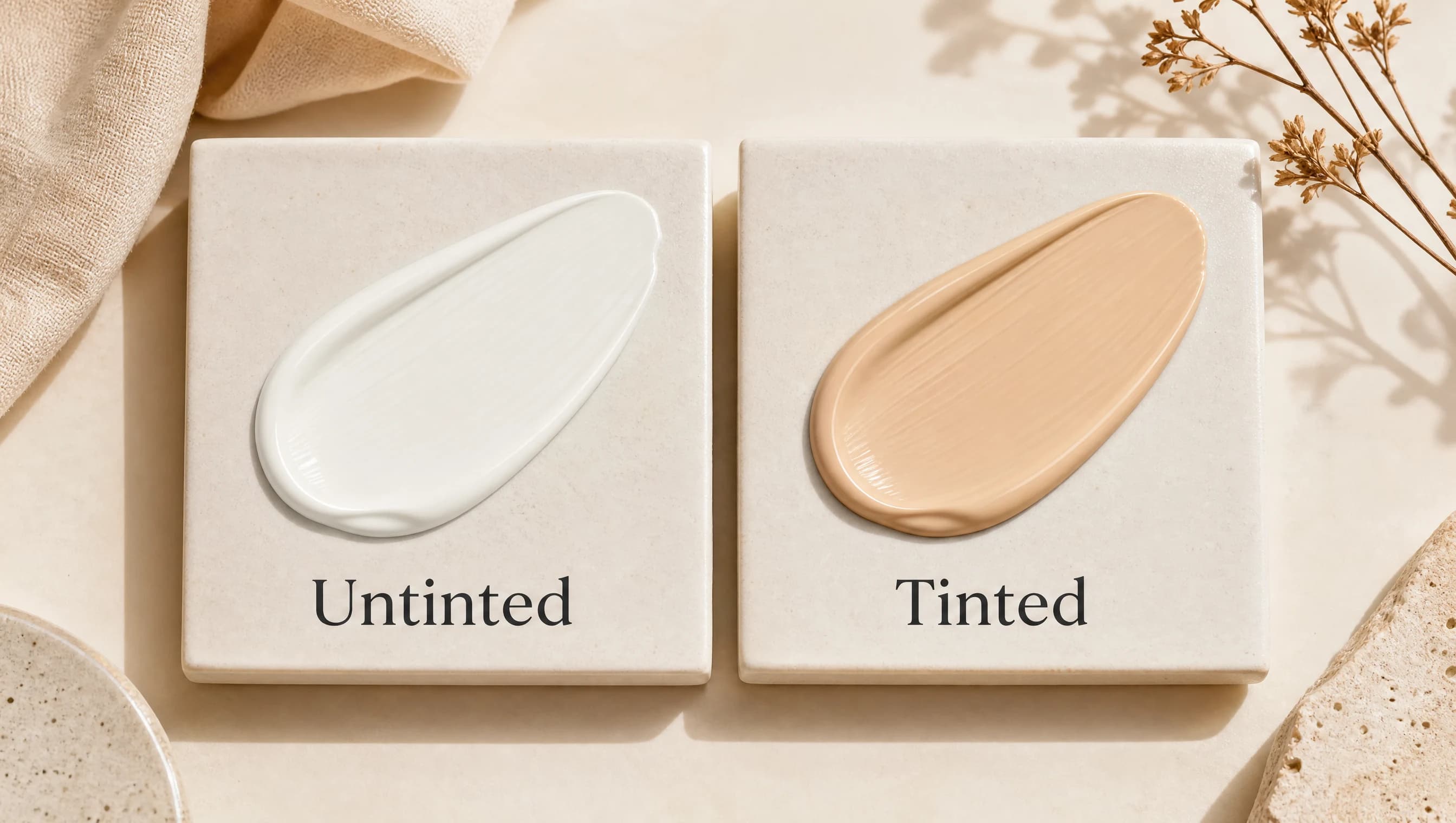
CeraVe's US Hydrating Mineral Face Sheer Tint SPF 30 is offered in light, medium and deep shades. The manufacturer positions the tint as a way to reduce the appearance of white cast. Three shade names still do not guarantee a match for every depth and undertone.
CeraVe's Hydrating Sheer Face and Body SPF 30 represents another approach: a hybrid filter formula rather than the same tinted mineral product. These are examples of different finished-formula choices, not a ranking based on first-hand testing.
Do not infer the result from one ingredient name alone. The entire formula and your application affect the cosmetic experience. An online photograph may also be affected by lighting and camera processing.
Build a useful replacement brief
Make the replacement brief specific: “Comfortable and fragrance-free, but the visible cast bothers me.” That preserves what already works while focusing the next search on appearance. A different note—“Tint is too warm at proper application”—points to a shade mismatch, not a reason to use less.
For example, if a medium tint is too warm but otherwise comfortable, the question is a better shade match. Switching to a completely different routine with several new products makes that simple decision harder to evaluate.
- Cast problem: compare the finish at the product’s directed application, in ordinary daylight.
- Tint problem: evaluate the actual shade on your skin, not only the package swatch.
- Texture problem: check the rest of the layers before treating every visible mark as a color issue.
Frequently asked questions
Does a visible white cast mean better protection?
You cannot judge protection from the residue alone. Use the sunscreen's labeled claims and directions rather than treating visible whiteness as a performance measurement.
Will tinted sunscreen always look natural?
No. Shade and undertone still need to work for you, especially at a proper application. A single universal shade can be limiting.
Should I rub longer until every trace disappears?
Follow the directions and distribute the product evenly. If the formula remains cosmetically unsuitable, choose a better fit rather than repeatedly wiping away or reducing the layer.
Related decisions
- Mineral vs. Chemical Sunscreen for Sensitive Skin: The Formula-First Guide
- The best facial sunscreen for mature skin: a hydrating, low-settle guide
- Best Sunscreen for Combination Skin: Find the Finish That Works on Every Zone
- Tinted vs untinted sunscreen — Compare tinted and untinted formulas when visible residue is the central preference.
- Spf 30 vs 50 — Keep the labeled protection decision separate from the cosmetic-finish decision.
Sources
AAD: Choosing sunscreen for different needs (aad.org) — https://www.aad.org/public/everyday-care/sun-protection/shade-clothing-sunscreen/choosing-right-sunscreen
CeraVe US: Hydrating Mineral Face Sheer Tint SPF 30 (cerave.com) — https://www.cerave.com/sunscreen/face/hydrating-mineral-sunscreen-spf-30-face-sheer-tint-medium
CeraVe US: Hydrating Sheer Face and Body SPF 30 (cerave.com) — https://www.cerave.com/sunscreen/hydrating-sheer-sunscreen-broad-spectrum-spf-30-for-face-and-body
Clear guidance, checked before publication.
Solvi articles are structured by our editorial team and reviewed for clarity, consistency, and responsible health language. We update pages when guidance or product information changes.