Face sunscreen vs body sunscreen: do you need two products?
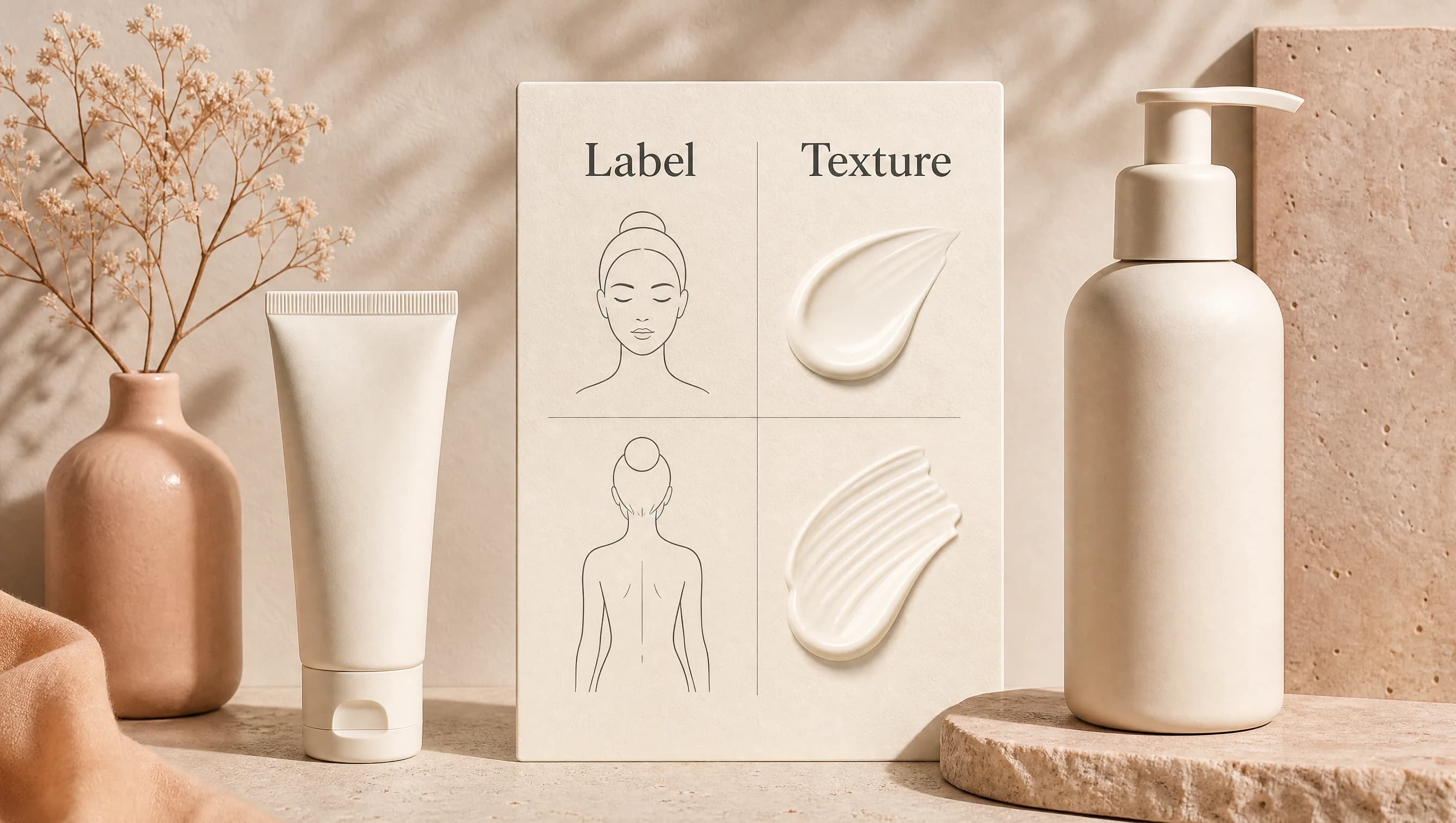
You do not automatically need separate sunscreens for face and body. Some products are explicitly intended for both. Check the label and whether the formula is comfortable for the areas where you use it. A face-only preference can be practical, but a more expensive or smaller bottle is not proof of superior protection.
Check the intended areas first
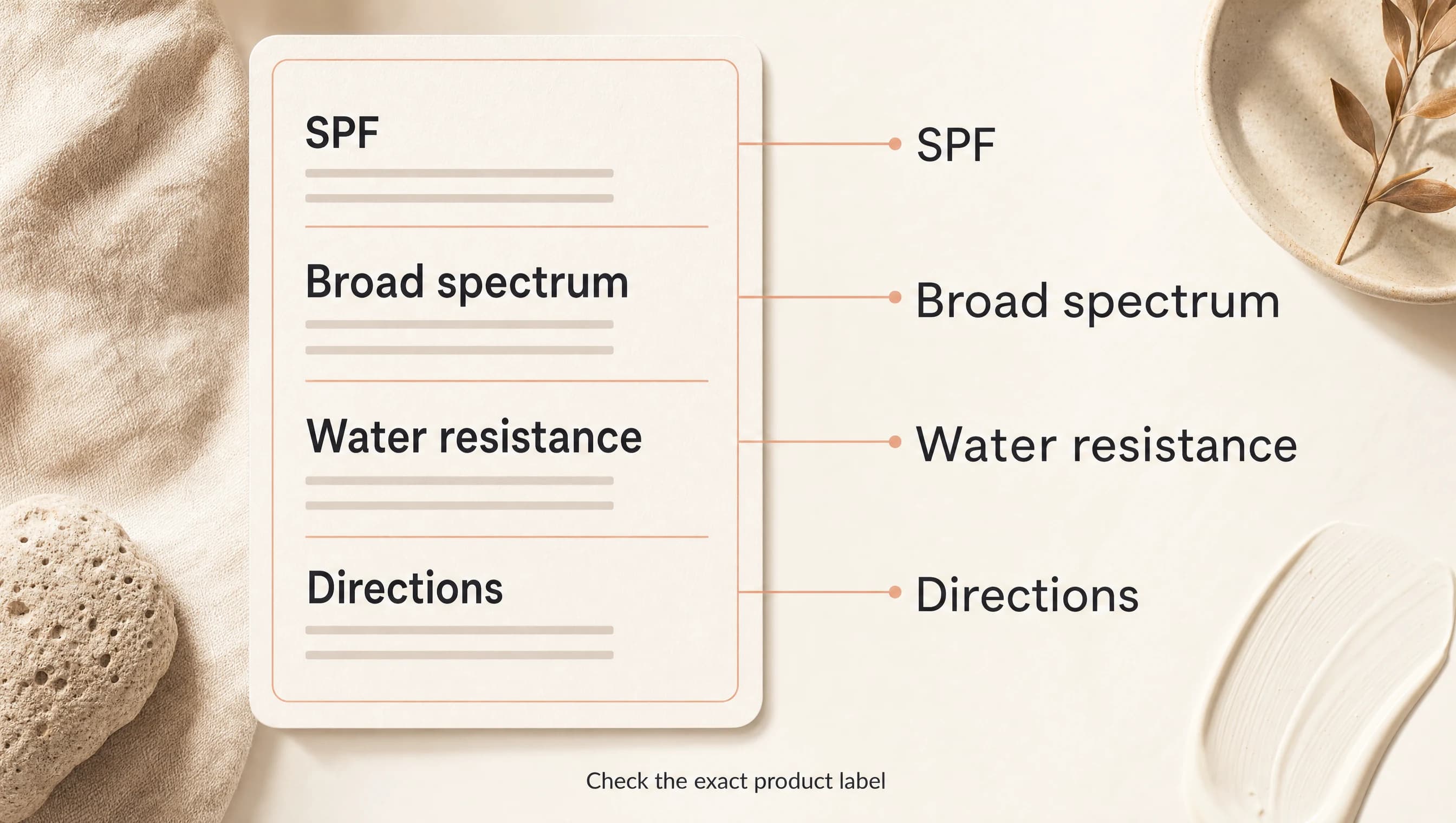
CeraVe's US Hydrating Sheer SPF 30 identifies face and body use. La Roche-Posay's US Anthelios Melt-In Milk SPF 60 does the same. These examples show why the product directions are more useful than assuming every large bottle belongs only below the neck.
Conversely, do not assume that every product is appropriate for every area. Eye precautions, application format and the directions still matter. A body spray should not be aimed at the face simply because you want one bottle for everything.
| Your situation | Practical choice | Check before relying on it |
|---|---|---|
| One product is labeled for face and body and comfortable on both | One bottle can cover the intended roles | Use the instructed amount and activity-related directions |
| The body sunscreen feels uncomfortable on your face at proper use | Compare a separate facial formula for that specific finish problem | Do not solve the mismatch by using less |
| Swimming or sweating changes the day | Choose the product with the relevant water-resistance directions | The words face or body do not establish water resistance |
Comfort can justify a separate product
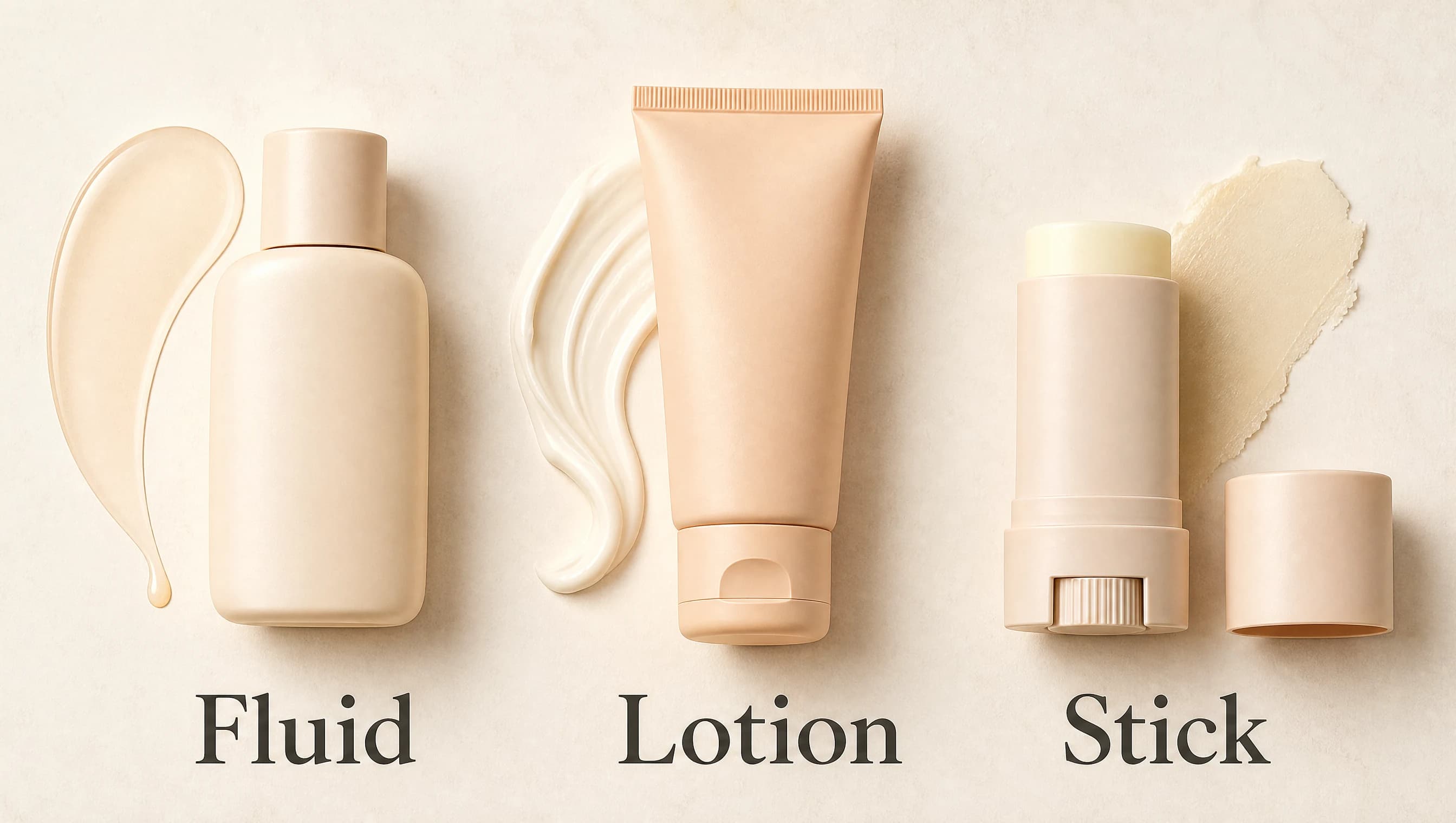
The face may be where you notice shine, pilling, a tint mismatch or eye stinging most readily. Those are valid practical reasons to prefer another formula. They do not prove that a body-labeled product is inherently unsafe or that a facial product cannot cause discomfort.
Neutrogena's current guide illustrates how manufacturers offer different formulas for different preferences and skin concerns. Treat that positioning as a way to narrow options, not a guarantee that a named product will work for you.
Compare the real cost of using it properly
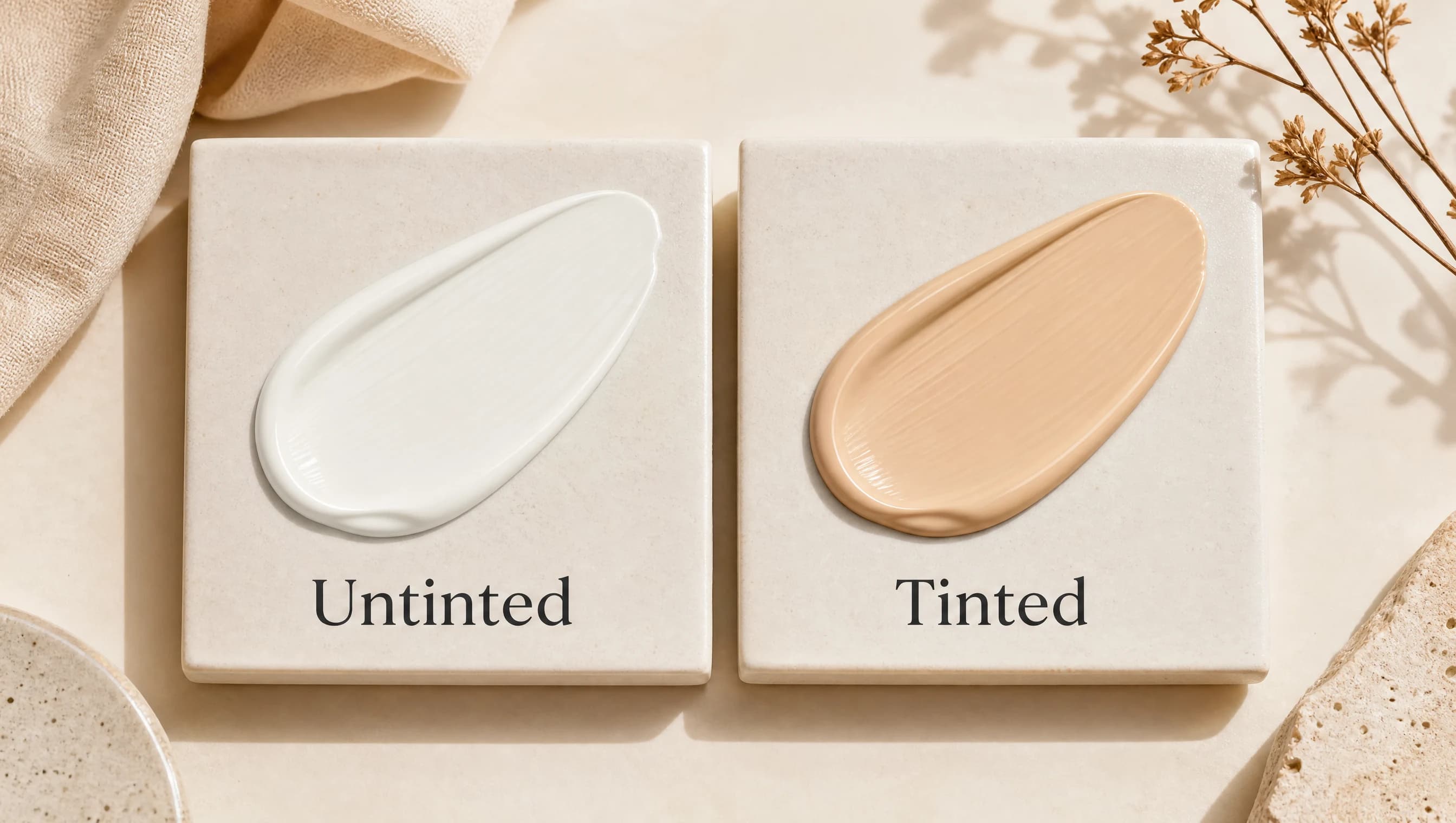
A small bottle may be convenient to carry, while a larger one may be more practical for larger exposed areas. Compare the actual price and size on the products you are considering, without assuming every face product is poor value.
Do not save the expensive sunscreen by applying less. If the required use feels financially impractical, choosing a more affordable suitable formula is a better purchasing decision than treating a small bottle as a reason to change the application.
Imagine someone who likes one sunscreen on the face but avoids using it on arms because the bottle empties quickly. A separate body-sized option could solve that practical problem. Another person may be entirely happy with a single face-and-body product.
Keep activity requirements separate
Your workday and a swimming trip can call for different label checks, regardless of the face/body category. Do not assume a daily facial moisturizer with SPF has water resistance, or that every body sunscreen has it.
- Check the intended application areas.
- Check the protection claims and directions.
- Consider comfort at the required amount.
- Decide whether packaging makes proper use convenient.
If you buy two products, label storage and routines clearly enough that both remain easy to maintain. The aim is not a longer skincare collection; it is a workable way to cover the areas exposed during your actual day.
Frequently asked questions
Is body sunscreen too strong for the face?
The category does not establish that. Consider the whole formula, intended areas and your tolerability rather than treating body as a strength rating.
Can I use face sunscreen on my neck?
Check its directions and intended use. Also make sure the amount and bottle supply allow you to cover the intended area instead of stretching a face application farther than planned.
Is a face-and-body product lower quality?
That conclusion does not follow from the label. Compare its claims, instructions and practical fit rather than using category separation as a quality score.
Related decisions
- Mineral vs. Chemical Sunscreen for Sensitive Skin: The Formula-First Guide
- The best facial sunscreen for mature skin: a hydrating, low-settle guide
- Best Sunscreen for Combination Skin: Find the Finish That Works on Every Zone
- Sunscreen stinging eyes — Consider eye-area tolerance as a practical face-use question.
- Water resistant vs waterproof sunscreen — Check water-resistance labeling separately from a face or body marketing label.
Sources
CeraVe US: Hydrating Sheer Face and Body SPF 30 (cerave.com) — https://www.cerave.com/sunscreen/hydrating-sheer-sunscreen-broad-spectrum-spf-30-for-face-and-body
La Roche-Posay US: Anthelios Melt-In Milk SPF 60 directions (laroche-posay.us) — https://www.laroche-posay.us/our-products/sun/body-sunscreen/anthelios-melt-in-milk-sunscreen-spf-60-antheliosmeltinmilk.html
Neutrogena: Sun safety and format guide (neutrogena.com) — https://www.neutrogena.com/sun/sun-safety
Clear guidance, checked before publication.
Solvi articles are structured by our editorial team and reviewed for clarity, consistency, and responsible health language. We update pages when guidance or product information changes.