Best setting spray for oily skin: a performance-first guide


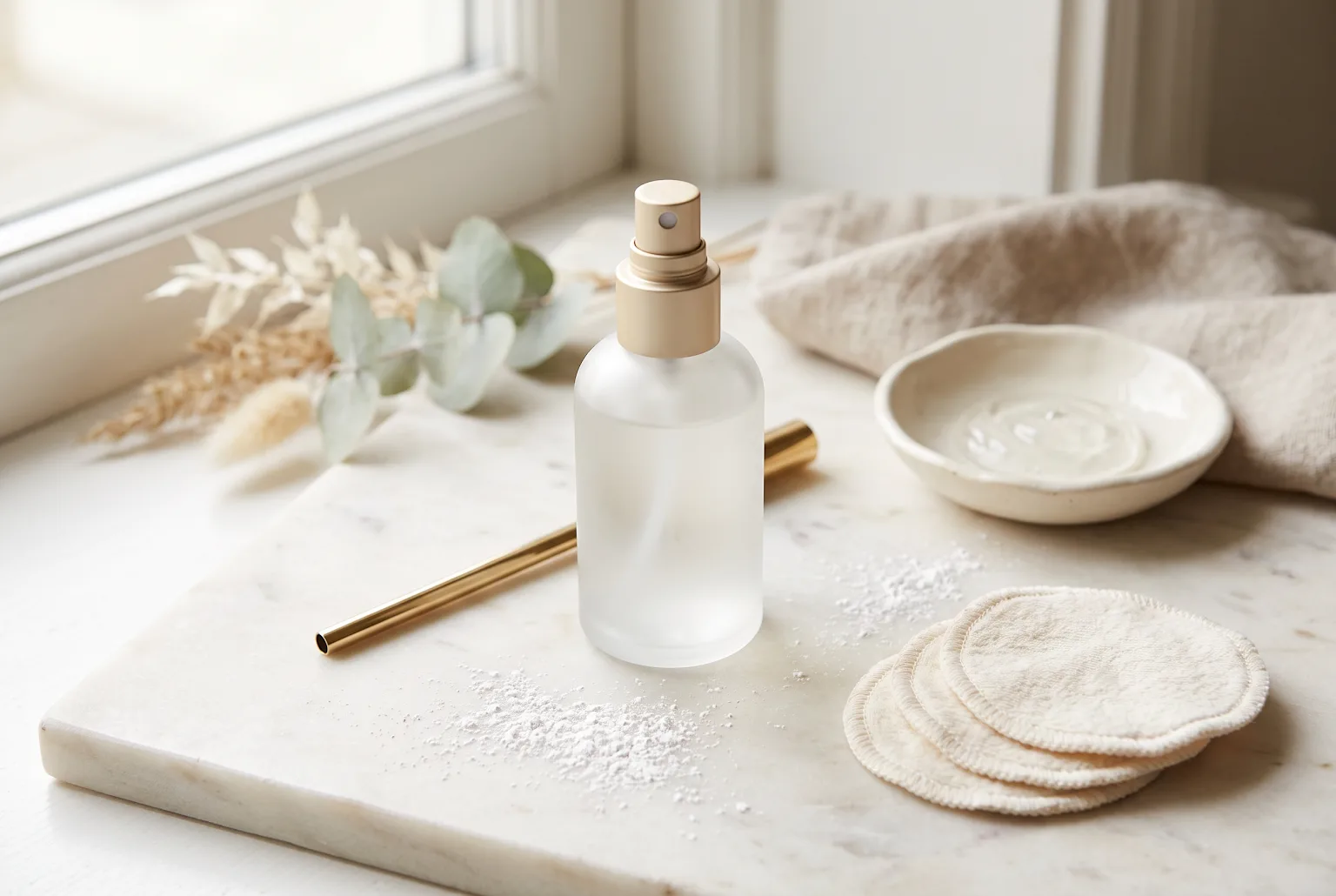
Answer in two lines: Choose a matte setting spray that uses silica or dimethicone film‐formers and avoids high levels of denatured alcohol; use it as the final sealing step over powder and a mattifying primer to get realistic oil control. Setting sprays help, but they’re one part of a system—correct skin prep, powder choice, and mid‐day blotting matter just as much.
How mattifying sprays work
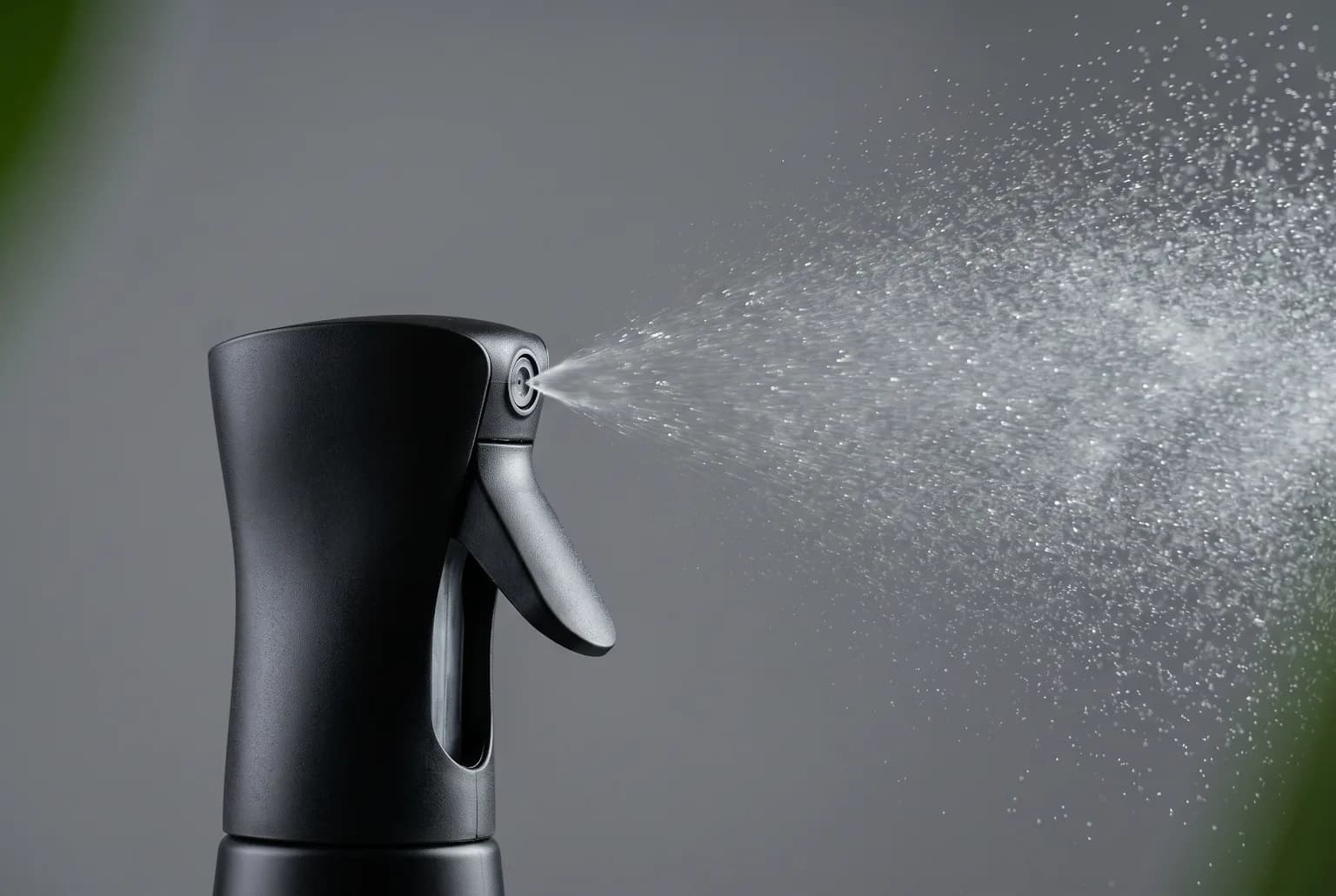
Setting sprays for oily skin work two ways: they create a thin film over makeup that resists sebum and they absorb surface oil through mattifying powders. The most effective mattifying sprays use either silica (an oil‐absorbing powder) or silicone film‐formers such as dimethicone. Silica helps trap shine; dimethicone smooths texture and forms a water‐resistant mesh that slows oil breakthrough.
Solvents and carriers matter. Many long‐wear sprays use volatile alcohols to help the product dry quickly; this can deliver an immediate matte finish but may irritate sensitive skin or disturb certain water‐based foundations. A lower‐irritant solvent system—using water, mild glycols (butylene glycol, propanediol), or cyclomethicone—reduces that risk while still allowing the spray to set into a film.
What to check on labels
When you read a setting spray label for oily skin, prioritize these items: active mattifying ingredients (silica, silica silylate, dimethicone, VP/VA copolymer), solvent balance (water- or glycol-based versus denatured alcohol), and any long-wear claims that reference sweat- or oil-resistance. Also scan for added emollients—if a product lists multiple oils or heavy esters near the top of the INCI it may soften your finish rather than mattify it.
| Ingredient or label claim | What it does | Tradeoff to know |
|---|---|---|
| Silica / silica silylate | Absorbs surface oil and reduces visible shine | Can feel slightly powdery or show on very dry patches |
| Dimethicone / cyclopentasiloxane | Creates a flexible film and blurs texture | Can trap oil beneath if not used over powder |
| VP/VA copolymer (film‐former) | Extends makeup wear by bonding powders | Strongest films may feel less breathable |
| High denatured alcohol | Fast-drying matte effect | Can be drying or irritating for sensitive skin |
| Water/glycol base | Gentler drying and more comfortable feel | May take slightly longer to dry fully |
How to layer with powder and primer
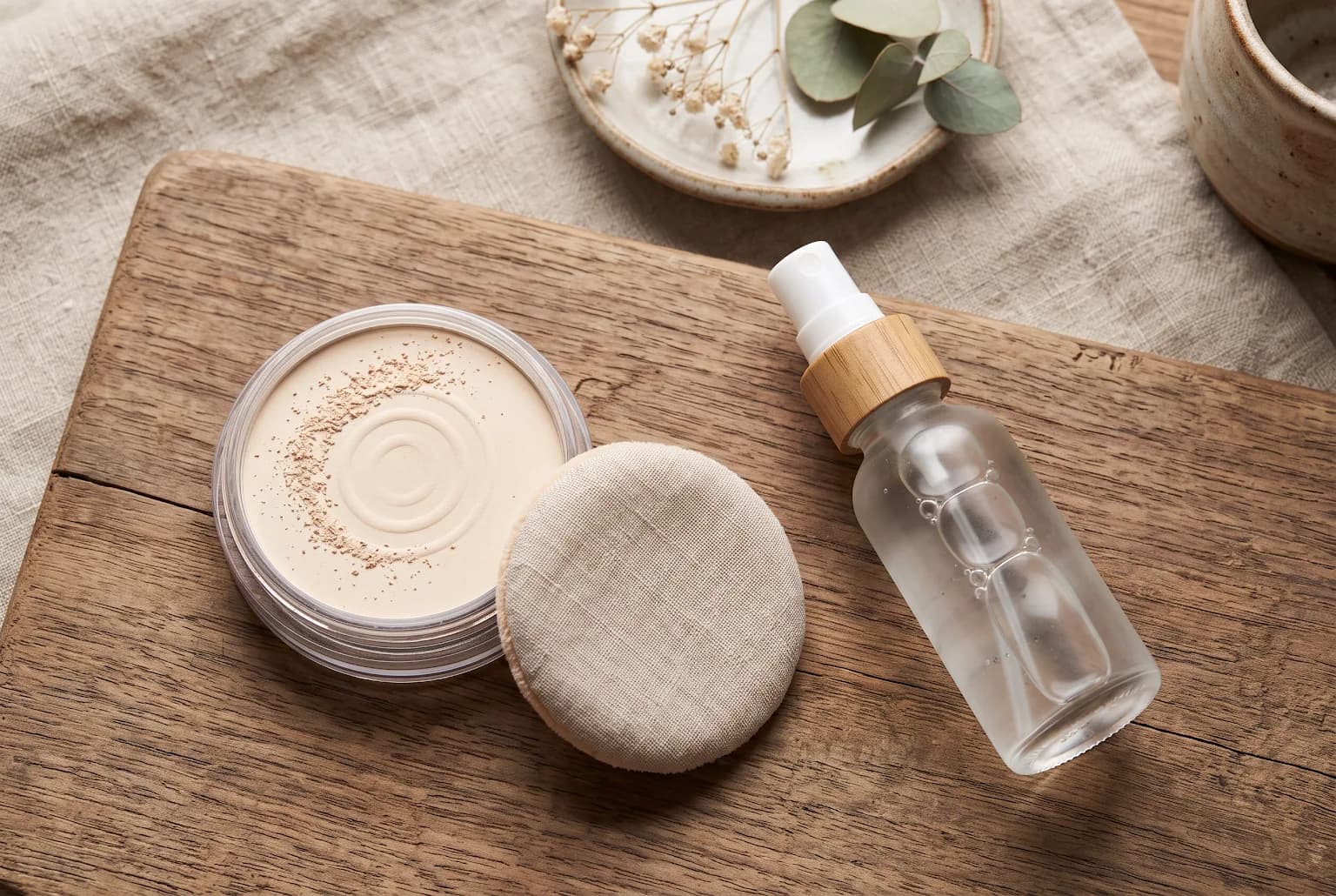
The spray’s performance is cumulative: the right primer and powder change how the film behaves. For oily skin, start with a mattifying primer that reduces surface oil and creates a more even base for foundation. Use powder to set cream products and to absorb excess oil before you apply a setting spray—film‐formers adhere better to powder than to ongoing cream/sebum.
If you want product recommendations for compatible powders and concealers, our guides to the Best face powder for oily, acne-prone skin and the Best concealer for oily skin explain finish‐first texture choices that work with matte sprays.
What formats suit which makeup types
Different spray textures pair better with different bases. A fine, water‐based mist suits lightweight, water or cushion foundations because it won’t cake; a dimethicone‐forward spray complements heavier cream foundations and powder foundations because the silicone film bonds to pigments and powder particles. If you use a dewy cream foundation but want a matte finish, a silica‐rich spray gives surface blur without feeling too occlusive.
Tradeoffs to consider: silicone films extend wear but can make skin feel less breathable; silica absorbs well but can highlight dry patches if overapplied. Ask yourself whether you want an immediate matte finish (alcohol or fast‐evaporating solvent) or a gentler, longer‐lasting matteness (water/glycol base plus film‐formers).
How to apply for the best payoff
A repeatable application routine beats random sprays. Follow these steps for oil-prone skin; treat this as the baseline and tweak to fit your foundation type and activity level.
- Cleanse and hydrate with oil‐balancing products; let your routine sit for a minute so serums sink in.
- Apply a mattifying primer to high‐shine zones (T‐zone, cheeks as needed). Press, don’t rub, so the primer creates a uniform film.
- Build foundation in thin layers; set cream products with a translucent or oil‐controlling powder in problem areas.
- Hold the bottle 8–10 inches from your face and mist in an X and T pattern—two light layers are better than one heavy one.
- Wait 30–60 seconds; if you still see noticeable shine after 2–3 hours, use blotting papers first, then apply a light second mist only to the targeted zones.
- Tip: If your spray contains alcohol and you have sensitive skin, test it on the back of your hand before full‐face use.
Common tradeoffs and why they matter
No spray is a magic bullet. High‐alcohol sprays deliver instant matte skin but can fade the appearance of dewy, water‐based foundations and irritate fragile skin. Silicone‐heavy sprays increase wear but can feel heavier and may show on very oily skin as separated patches of oil beneath the film. Silica provides dry, soft touch but can cling to dry textured areas.
Layering choice matters: if you skip powder, most sprays—especially dimethicone-rich ones—will seal whatever surface oils are present, sometimes locking oil in rather than absorbing it. That’s why combination systems (primer + powder + spray + blotting) outperform a single product approach.
A quick buyer’s checklist
Use this checklist when you’re scanning shelves or shopping online: is silica or dimethicone listed? Is denatured alcohol high in the ingredient list? Does the product claim oil control with a measurable time frame (8–16 hours) or only “long lasting”? Are there potential irritants that matter to you (fragrance, high alcohol)? Finally, consider compatibility with your foundation format.
Routine variations for real life
If you work indoors in air‐conditioning and need four‐to‐eight hour oil control: prioritize a film‐forming spray with dimethicone plus a translucent powder, and carry blotting papers. For hot, humid environments: rely more on silica‐rich sprays and micro‐powdering between layers, and avoid heavy silicone films that can attract humidity.
If acne or sensitivity is a concern, choose a spray with lower alcohol content and fewer added fragrances. Pair it with a non‐comedogenic primer and a powder made for acne‐prone skin. For more on creating a low-irritation daily routine that reduces downstream oiliness, see our guide to the best skin care routine for oily skin.
Practical purchase guide
When comparing formulas side by side, weigh these decision criteria: primary mattifier (silica vs. dimethicone), solvent system (alcohol vs. water/glycol), claims (oil/sweat resistance with testing), and user feedback on sensitivity. A product that lists clinically tested wear times and names the film-formers or silica variants gives you more to judge than a vague “long-lasting” claim.
For complementary product reading, our guide to double cleansing for sensitive skin explains how gentle cleansing prevents rebound oil production that undermines setting sprays.
Frequently asked questions
Are matte setting sprays safe for acne-prone skin?
Most matte sprays are safe for acne‐prone skin if they are labeled non‐comedogenic and avoid heavy oils or pore‐clogging esters. Look for sprays that use silica or lightweight silicones and avoid sprays with multiple emollient oils high in the ingredient list.
Will setting spray stop makeup from melting in humidity?
Setting sprays improve resistance to sweat and transfer by creating a film, but humidity can still cause breakdown—choose silica‐rich formulas and reapply light powder or blot as needed. No spray guarantees perfect performance in very humid conditions.
Is alcohol in setting sprays always bad for oily skin?
Not always. Alcohol gives a quick matte finish and fast drying, which many oily‐skin users appreciate. However, high levels of denatured alcohol can be irritating and may increase oil rebound over time for some people. If you’re sensitive, opt for water/glycol‐based sprays.
How often should I reapply setting spray during the day?
Reapply sparingly—one light mist to targeted areas after blotting or powder touch‐ups is usually sufficient. Overapplication can cause buildup and accentuate texture.
Related Reading
- Best Concealer for Oily Skin: A Finish-First Guide to Coverage That Stays Put
- The Best Serum for Oily Skin Is the One That Solves Your Actual Skin Goal
- Best Face Powder for Oily, Acne-Prone Skin: A Smarter Way to Set Shine
Sources
- Allure
- Consumer makeup performance testing (Glamour)
- Brand technical pages (Urban Decay, etc.)
Clear guidance, checked before publication.
Solvi articles are structured by our editorial team and reviewed for clarity, consistency, and responsible health language. We update pages when guidance or product information changes.

Naomi Chen
Skincare Ingredients Writer. Naomi reads ingredient lists for fun and loves translating formulation language into advice that makes sense at the bathroom mirror. Hydration, barrier care, and sensitive-skin formulas are her favorite rabbit holes.