The Best Serum for Oily Skin Is the One That Solves Your Actual Skin Goal


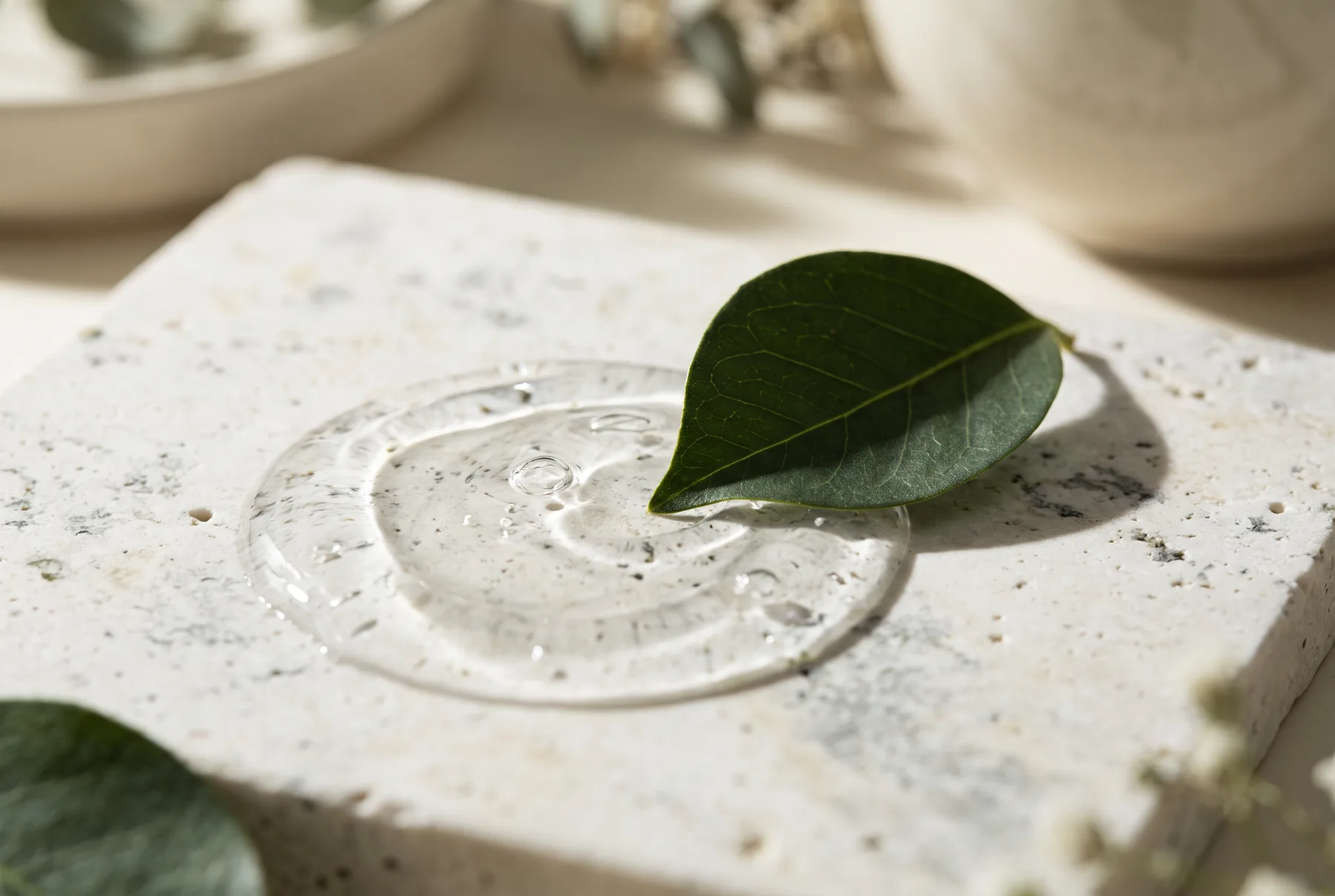
The best serum for oily skin is a lightweight, non-comedogenic formula matched to the concern that bothers you most: shine, congested-looking pores, dehydration, or uneven texture. Niacinamide is the versatile starting point for oil control and the look of pores; salicylic acid is the targeted pick for pore clarity; low-molecular-weight hyaluronic acid adds water without oil; and a lightweight retinoid is the texture-minded option.
The important distinction is that oily skin does not need to be stripped. A serum should feel like a thin veil—watery, gel-like, or fast-absorbing—not a slippery layer that leaves your sunscreen fighting for grip.
Choose the serum lane
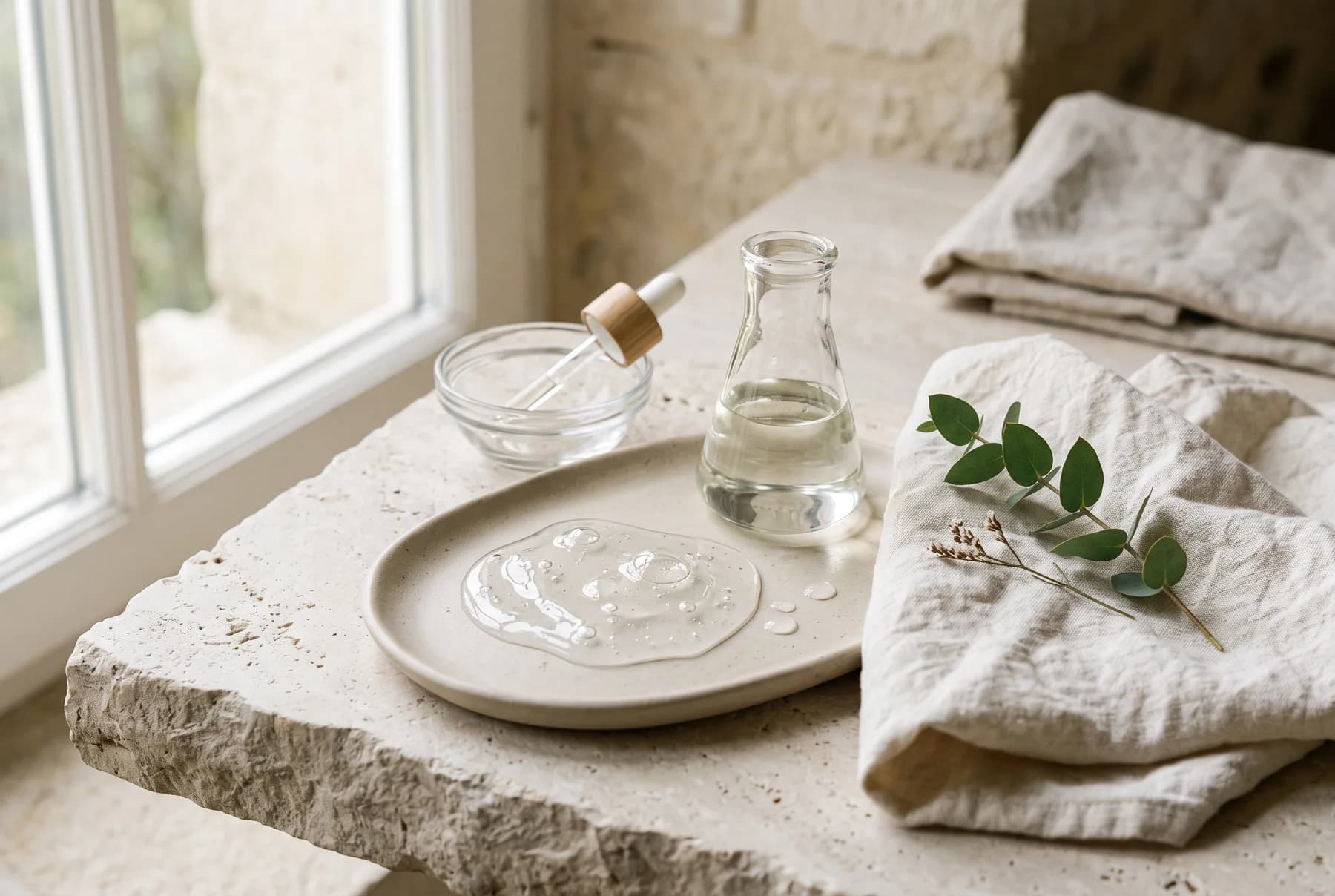
Shopping by the word “oily” alone leads to a crowded shelf of promises. Shop by one primary goal first, then make sure the formula’s finish and active ingredients fit the rest of your routine. If you have several concerns, rotate rather than stack every active serum at once.
| If your priority is | Look for | Expected texture | The main tradeoff |
|---|---|---|---|
| Midday shine and visible-looking pores | Niacinamide, often 5–10%; matte-supporting silica where included | Water-light or fluid gel | Higher-strength formulas may not be the most comfortable place to start for everyone |
| Congested-looking pores and breakouts | 2% salicylic acid | Thin liquid or clear gel | Too-frequent use can leave skin feeling dry or irritated |
| Tightness beneath surface oil | Low-molecular-weight hyaluronic acid, around 0.5–1% | Slip-free gel serum | It hydrates; it does not exfoliate pores |
| Texture and anti-aging concerns | A lightweight retinoid formula | Emulsion-serum or fine fluid | Requires careful pacing alongside exfoliating acids |
The balanced-shine lane
A niacinamide serum is the easiest fit when your skin is oily but not especially congested. Look for a 5–10% formula with a fluid or gel-serum base, particularly if you want a finish that stays composed beneath sunscreen and complexion makeup. This category makes sense for someone whose main complaint is a reflective T-zone by lunchtime, rather than persistent roughness.
Silica can be a useful supporting player in a mattifying formula because it changes the surface feel: less slick, more soft-focus. It is not a substitute for salicylic acid if clogged pores are the central concern, but it can make a daytime serum feel more makeup-friendly.
The pore-clarity lane
A 2% salicylic acid serum is the more specific choice for oily, acne-prone skin with clogged pores or recurring congestion. Salicylic acid is a beta hydroxy acid (BHA), so the formula’s pH and your tolerance matter. A clean, watery serum can be elegant here, but “lightweight” does not mean consequence-free: this is an exfoliating step.
Use this lane when pore buildup is the job to solve—not simply because your face becomes shiny. If you are already using another exfoliant or a retinoid, consider whether adding salicylic acid would make the routine overly busy.
The hydration-without-oil lane
Oil and water are different skin needs. Oily skin can still feel tight, especially after cleansing or active treatments, and a low-molecular-weight hyaluronic acid serum offers a light way to bring hydration back into the routine. The ideal feel is cushiony for a moment, then nearly undetectable once it settles.
Choose this format when your skin looks oily yet feels uncomfortable or taut. It is also a useful support serum when you want a simpler counterweight to a carefully paced exfoliating or retinoid routine.
The texture lane
For someone prioritizing texture and anti-aging, a lightweight retinol or other retinoid serum may be more relevant than a dedicated oil-control formula. Seek a texture you will actually use consistently: a fine serum-emulsion is often easier to layer than a rich cream on an oily complexion. The tradeoff is planning—retinoids and exfoliating acids require extra attention to tolerability when used in the same routine.
Read the formula, not the front label
“Oil-free” is a useful clue, but it is not a complete shopping shortcut. An oil-free serum can still be a poor match if its overall formula feels heavy on your skin or if it does not meet your preference for non-comedogenic positioning. Think of the label as a short list of checkpoints, not a verdict.
Before adding a serum to cart, review these practical details:
- Non-comedogenic positioning: This is especially relevant if you are shopping for oily, congestion-prone skin. It is one signal, not a guarantee that every individual will respond the same way.
- The active and its job: Niacinamide is not interchangeable with salicylic acid, and hyaluronic acid will not perform the role of either.
- Concentration and pH: For acid formulas, concentration and pH affect how the product functions and how it may feel on skin.
- The vehicle: Watery liquids, gel serums, and thin emulsions can all suit oily skin. Pick the finish you will enjoy using under sunscreen.
- Your existing actives: A new serum has to coexist with, not compete with, what is already on your bathroom shelf.
An ingredient list cannot predict every skin response, but it can clarify whether a product is built for your goal. A niacinamide serum that dries down cleanly is a different purchase from a 2% BHA serum, even when both are marketed to oily skin.
How to layer a serum without the shine
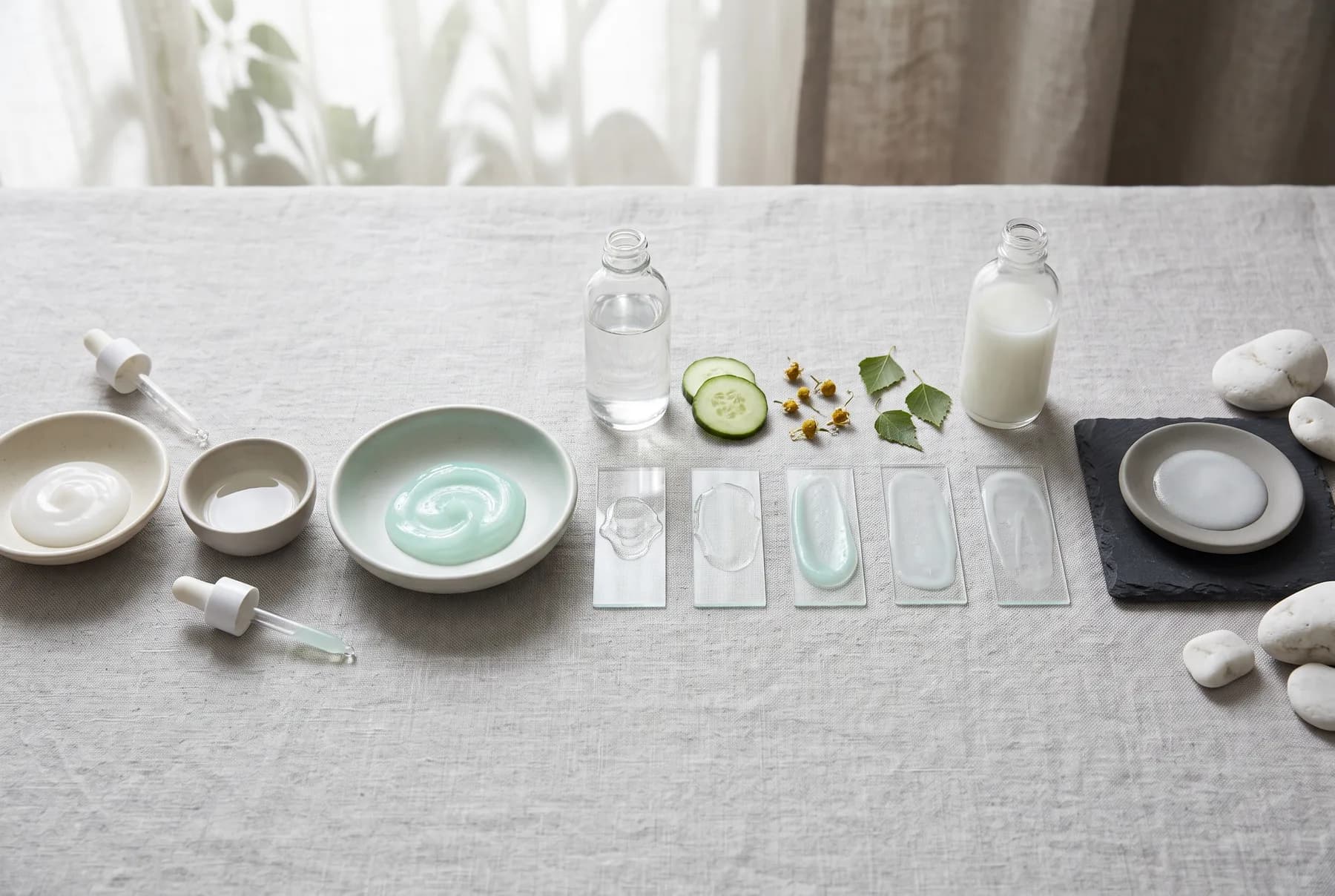
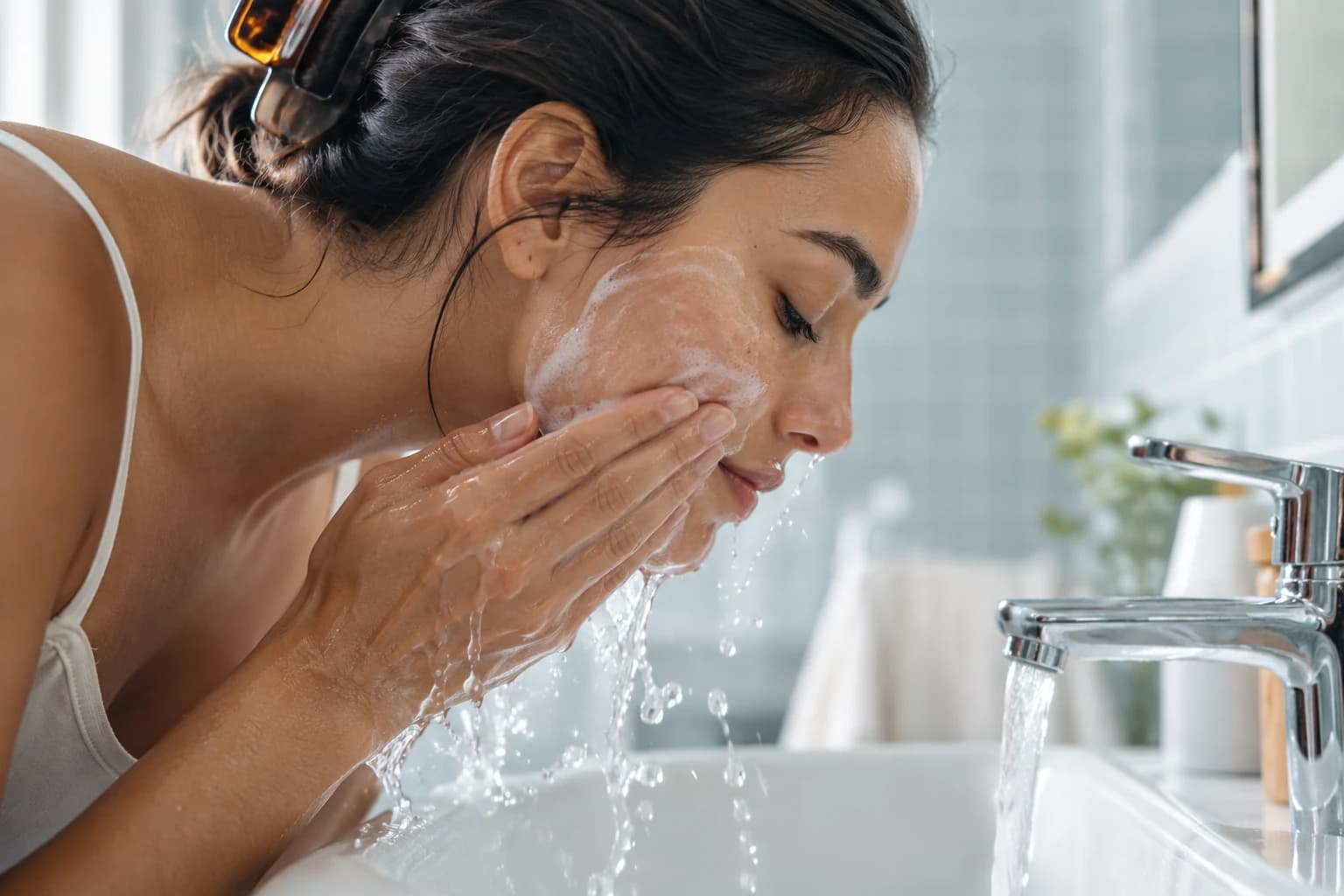
The order is simple: move from the thinnest texture to the most substantial, then finish with sun protection in the morning. What changes is the pace. Oily skin often benefits more from a small amount applied evenly than from a generous layer that pills under the next step.
Morning
- Cleanse in the way that feels appropriate for your skin that day, then pat rather than vigorously rub dry.
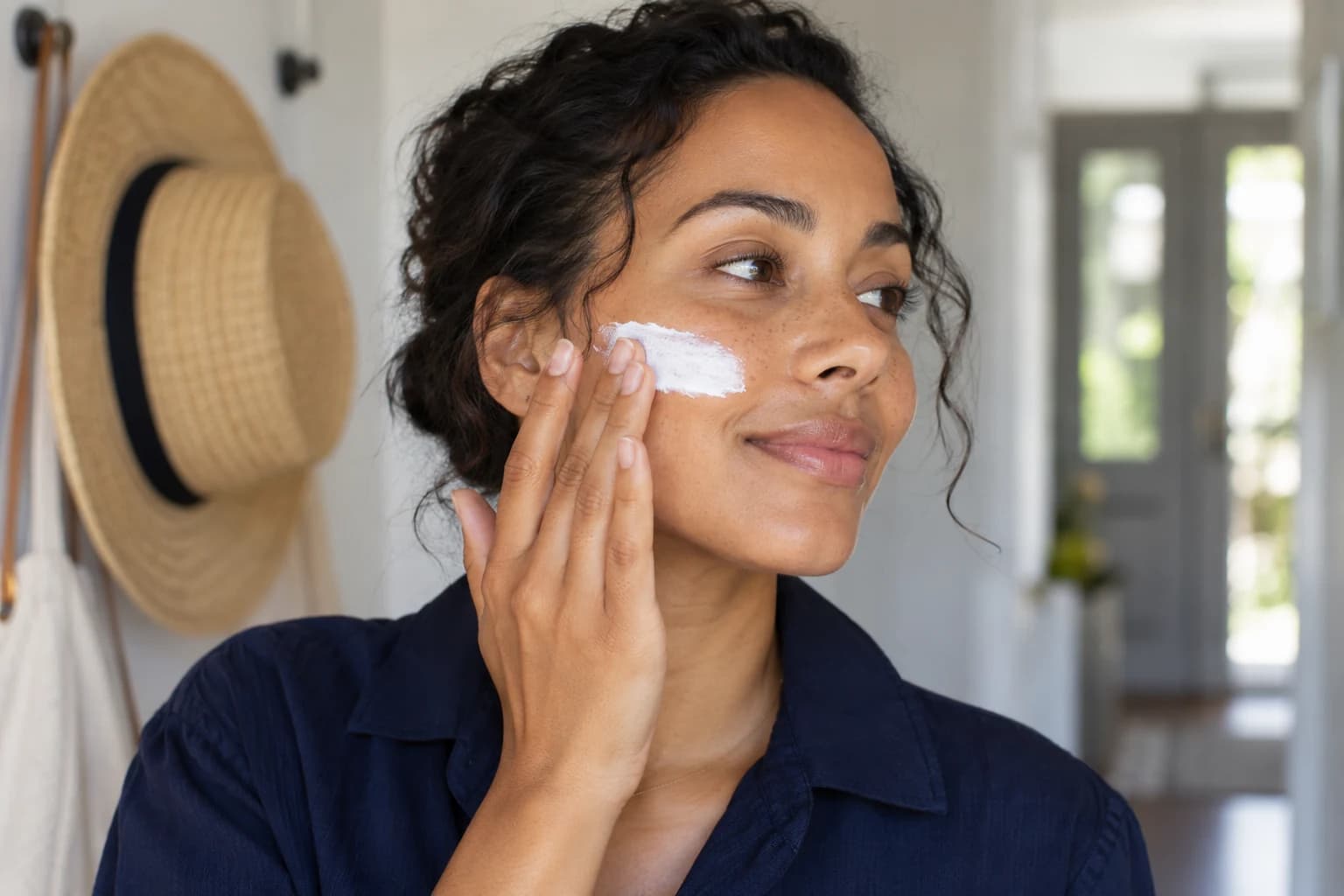
- Apply a lightweight niacinamide or hyaluronic acid serum in a thin layer, focusing on an even film rather than a wet sheen.
- Follow with a moisturizer only if your skin needs it; a light formula can be enough for many oily complexions.
- Finish with sunscreen, allowing the serum to settle first so the layers have a better chance of sitting smoothly.
Evening
- Cleanse to remove sunscreen, makeup, and the day’s surface oil.
- Use either a salicylic acid serum or a lightweight retinoid serum according to the product directions and your tolerance; avoid treating them as automatic partners in one session.
- Add a hydrating hyaluronic acid serum if your skin feels tight, or follow with a suitable moisturizer.
- Keep the routine calm and consistent instead of adding an additional exfoliating product just because the finish feels light.
Mistakes that make oily skin feel worse

The temptation with a shiny complexion is to chase a matte, almost squeaky finish. That approach can backfire aesthetically and practically: skin may feel tight, makeup can cling unevenly, and a routine becomes difficult to sustain. Aim for balanced skin that looks comfortable, not aggressively de-oiled.
Common course-corrections include:
- Using salicylic acid as an all-purpose serum. Reserve it for the pore-clarity job it is designed to do rather than making it your only answer to shine.
- Adding several exfoliating steps. Pairing acids, scrubs, and retinoids without a plan raises the chance of overdoing it.
- Skipping hydration because your skin produces oil. A light hyaluronic acid serum can make sense when tightness is part of the picture.
- Choosing a dewy finish when you want makeup longevity. A fluid gel or more matte-leaning niacinamide formula may suit that goal better.
- Applying too much serum. More product can mean a tackier surface and more pilling, not more benefit.
A quick buying framework for oily acne-prone skin
When oiliness and breakouts overlap, the best serum is rarely the most complicated formula. Start by deciding whether active congestion is your primary concern, or whether you need daily shine management with a lower-intensity approach. Then build around a texture you can layer consistently.
Best for daily oil control
A niacinamide serum in the 5–10% range is the sensible starting point when your skin becomes shiny and pores look more noticeable through the day. Choose a water-light or gel format, ideally with non-comedogenic positioning, if you wear sunscreen and concealer regularly.
Best for clogged-looking pores
A 2% salicylic acid serum is the more targeted category. Pay close attention to the brand’s directions, the formula’s pH information where supplied, and how it fits with any retinoid or other exfoliant already in your routine.
Best for oily but dehydrated skin
Choose a low-molecular-weight hyaluronic acid serum in a thin, oil-free vehicle. This is not a matte-making active, but it can make an oily routine feel more balanced and less dependent on harsh cleansing or constant blotting.
Skip if
- You are selecting an active only because it is trending, rather than because it answers your main concern.
- You cannot comfortably simplify other exfoliating steps while introducing a salicylic acid or retinoid serum.
- You dislike the finish of the formula enough that it will sit unused, regardless of how promising its ingredient list appears.
Related reading
- Best Skincare Routine for Oily Skin: Daily Guide
- Best Face Powder for Oily, Acne-Prone Skin
- Can You Use Niacinamide With Vitamin C?
Frequently asked questions
What serum ingredient is best for oily skin?
Niacinamide is the broadest starting point for oil control and the appearance of pores. Choose salicylic acid instead when congestion and clogged-looking pores are the more pressing concern.
Is hyaluronic acid good for oily skin?
Yes. A lightweight, low-molecular-weight hyaluronic acid serum can add hydration without adding oil, which is useful when oily skin also feels tight or dehydrated.
Can I use salicylic acid and retinol in the same routine?
They can be difficult to combine because both may affect tolerability. Patch test, introduce products carefully, and avoid assuming that more active steps will produce a better routine.
Should an oily-skin serum be matte or dewy?
Pick matte or soft-focus when you prioritize shine control and makeup wear. Pick a more hydrated finish if your skin feels tight; the right result is comfortable balance, not a universally matte look.
Sources
- Healthline: Best Serums for Oily Skin
- National Center for Biotechnology Information
- Allure
- TODAY
Clear guidance, checked before publication.
Solvi articles are structured by our editorial team and reviewed for clarity, consistency, and responsible health language. We update pages when guidance or product information changes.

Naomi Chen
Skincare Ingredients Writer. Naomi reads ingredient lists for fun and loves translating formulation language into advice that makes sense at the bathroom mirror. Hydration, barrier care, and sensitive-skin formulas are her favorite rabbit holes.