Best Face Powder for Oily, Acne-Prone Skin: A Smarter Way to Set Shine


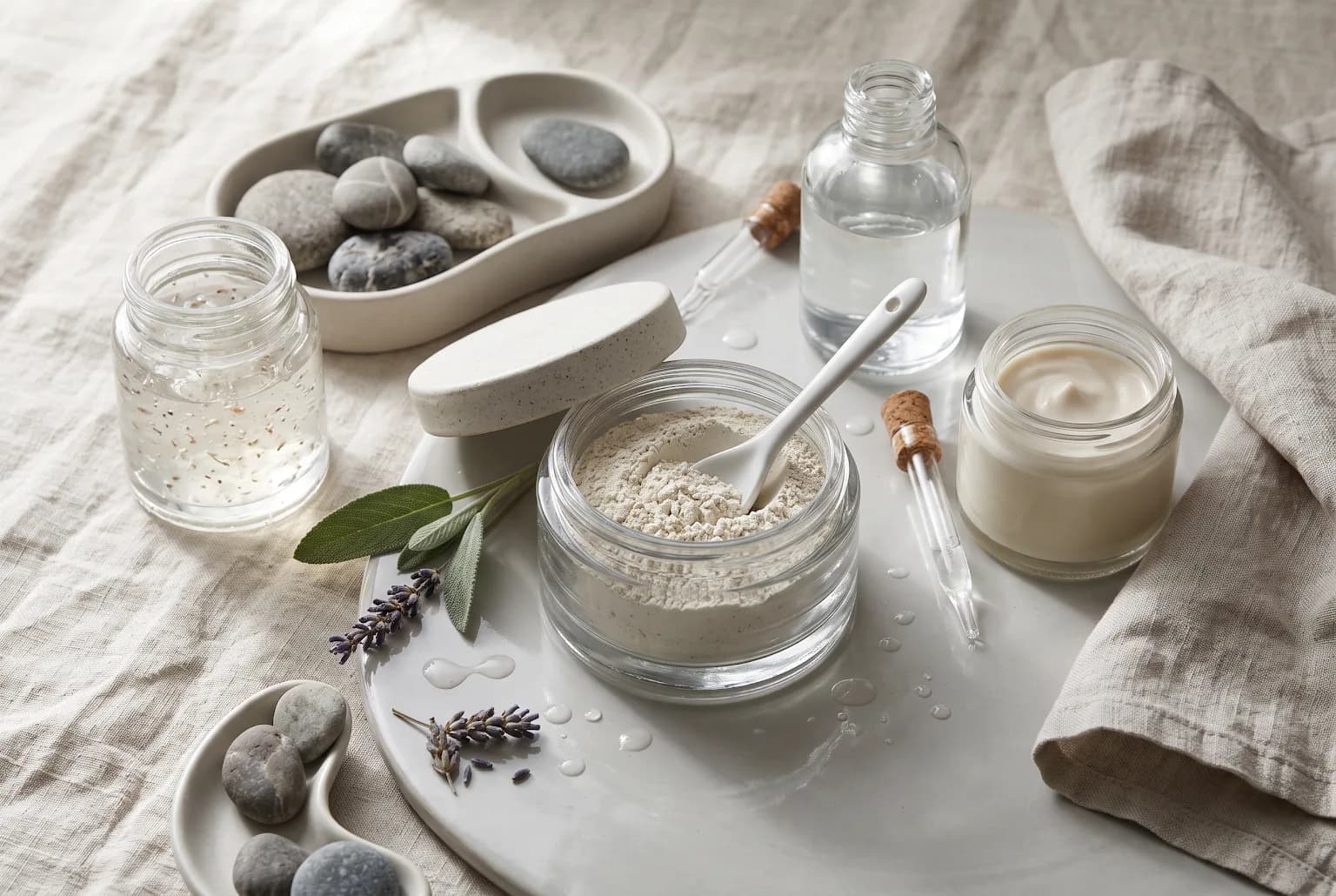
The best face powder for oily, acne-prone skin is usually a finely milled, non-comedogenic loose or translucent powder with silica or kaolin to take down surface shine without a thick, heavy layer. Choose a simple formula, apply it sparingly through the T-zone rather than across the whole face, and remove it completely before bed.
That sounds straightforward, but powder is where an otherwise comfortable makeup routine can become dry-looking, uneven, or overly built up. The useful goal is not a flat, powdery matte finish. It is strategic shine control that lets skin still look like skin.
Why powder choice is different for oily, acne-prone skin
Oily skin often needs a setting step because foundation, concealer, sunscreen, and natural sebum can meet in the center of the face by midday. Acne-prone skin adds another filter: the formula and application should not encourage a dense makeup film, unnecessary irritation, or a residue-heavy removal situation.
A powder does not need to be elaborate to earn a place in your routine. In fact, a short ingredient list and a weightless feel can be an advantage when you are already layering skincare, sunscreen, and complexion makeup. Look for an explicit non-comedogenic designation where available, then judge the finish and ingredients rather than relying on a “matte” label alone.
The finish to aim for
For most oily, breakout-prone complexions, a soft-focus natural matte is more adaptable than an aggressively flat matte. It blurs the look of excess sheen while leaving room for a realistic highlight on the high points of the face. Very opaque, full-coverage powder can be useful for a short touch-up, but it is easier to overapply when used as an all-over setting layer.
The formula question behind “non-comedogenic”
Non-comedogenic is a valuable shopping signal, not a reason to stop reading the label. A product may be suitable on paper yet still feel too dry, fragranced, or heavy for your particular combination of skin, climate, sunscreen, and acne-treatment routine. Keep the rest of the formula in view, especially if you know your skin is sensitive.
What to look for before you buy
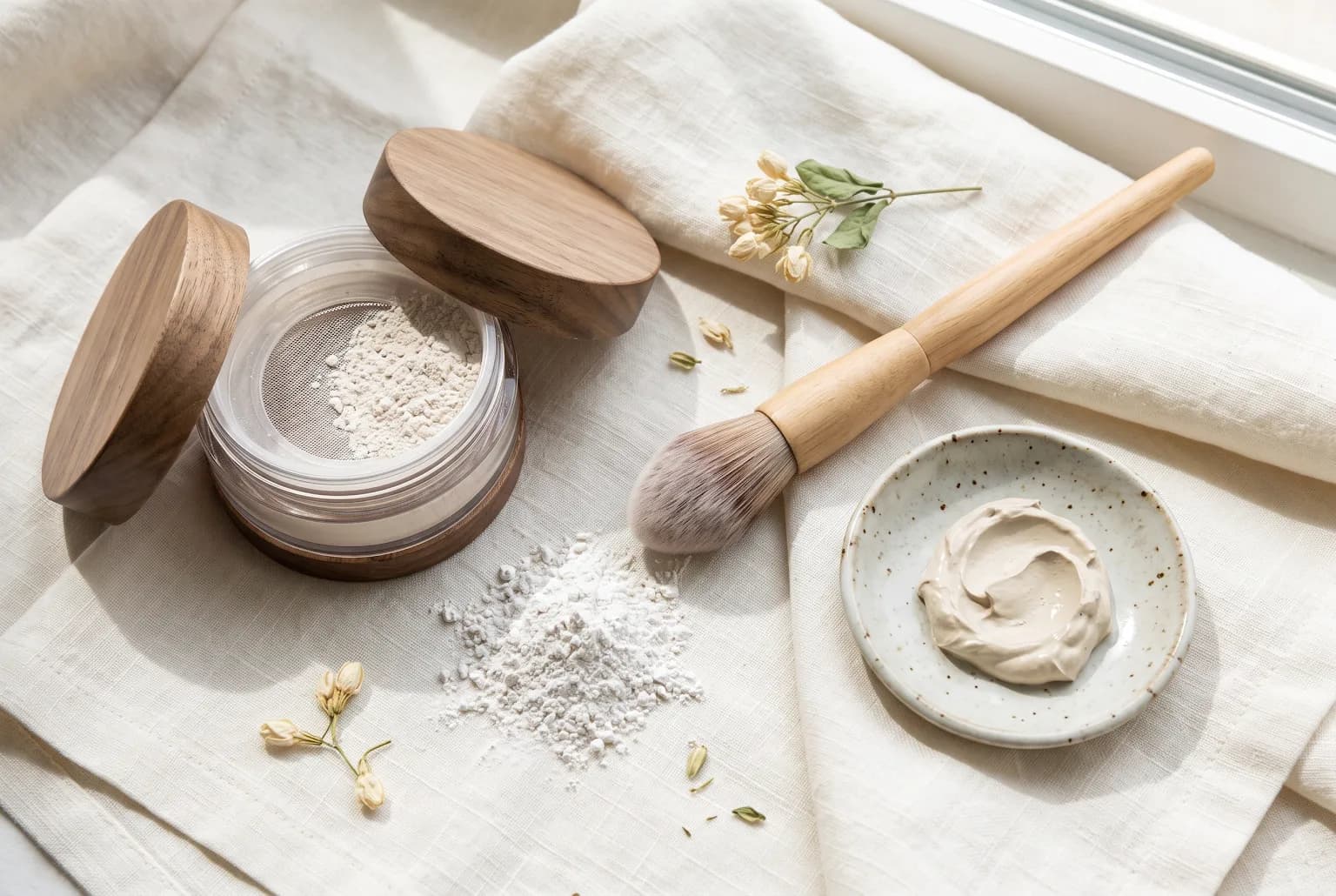
Start with the powder’s job. Is it meant to set liquid makeup, absorb midday oil, add coverage, or do all three? The best face powder for oily skin prone acne is often the one with the narrowest, clearest job description: set the areas that move or shine, without adding another full complexion layer.
Prioritize these purchase criteria:
- A non-comedogenic claim or positioning, paired with an ingredient list you are comfortable using.
- Silica for a dry, finely diffused oil-control effect, or kaolin for a clay-based absorbent approach.
- A finely milled, micronized texture that can be pressed on in a thin veil rather than dragged over skin.
- A translucent or well-matched shade that does not force you to build extra coverage just to correct the color.
- A formula that layers cleanly over your usual sunscreen, concealer, and foundation without pilling.
- Fragrance-free options if your skin tends to react to fragrance; be mindful that some sensitive users also prefer to avoid talc-containing formulas.
| Powder format | What it feels and looks like | Best suited to | Main tradeoff |
|---|---|---|---|
| Translucent loose powder | Airy, fine, and usually nearly invisible when pressed into skin | Setting sunscreen, concealer, and makeup through the T-zone | Can be messy and easy to over-dispense |
| Tinted loose mineral powder | Light coverage with a soft matte effect | Minimal-makeup days or spot-setting over concealer | Shade matching and repeated layers can become noticeable |
| Pressed translucent powder | More controlled and travel-friendly than loose powder | On-the-go touch-ups and compact makeup bags | Some formulas can feel denser than loose versions |
| Kaolin-forward powder | Often has a plush, absorbent matte quality | Noticeably oily zones, especially nose and forehead | Too much can emphasize dry flakes or texture |
| Silica-forward powder | Usually very light with a smooth, blurred finish | Oily skin that dislikes a covered-up feeling | A heavy hand can make the finish look dry or overly matte |
A practical rule: if the formula needs a large brushful to work, it may not be the most elegant fit for a complexion already prone to congestion or texture. Fine powder should make the makeup beneath it feel more stable, not erase every dimension from the face.
Loose, pressed, translucent, or tinted: choose your format
Loose powder remains the most flexible starting point for oily, acne-prone skin because it is easy to use in a thin, localized layer. A sifter lets you control the amount, and translucent versions can set several makeup shades without turning your routine into a color-matching project.
Pressed powder is the better practical choice when your real need is a midday touch-up. It is tidier in a handbag and gives more control around the sides of the nose, chin, and hairline. Choose a puff or a small dense brush over repeated swipes from a large powder brush, which can move the makeup underneath.
When translucent makes the most sense
Translucent powder is ideal when your foundation shade is already right and oil—not coverage—is the problem. It is also useful when you wear only sunscreen and spot concealer, since it does not automatically add a second complexion color across the face.
When a tinted mineral powder earns its keep
A tinted mineral powder can make sense for people who want a little extra evening-out without a traditional liquid base. Look for a non-comedogenic formula and use it as a sheer complexion layer, not as a way to repeatedly cover active spots. Targeted concealer generally gives you more control where you need it.
When a mattifying primer-plus-powder pairing is useful
A mattifying primer can reduce how much powder you need later, particularly around the nose and between the brows. The tradeoff is another layer, so test the pairing with your daily sunscreen and makeup for pilling before committing to a full-face application. If the base rolls or separates, simplify rather than adding more powder to hide it.
The technique that keeps matte makeup looking like skin
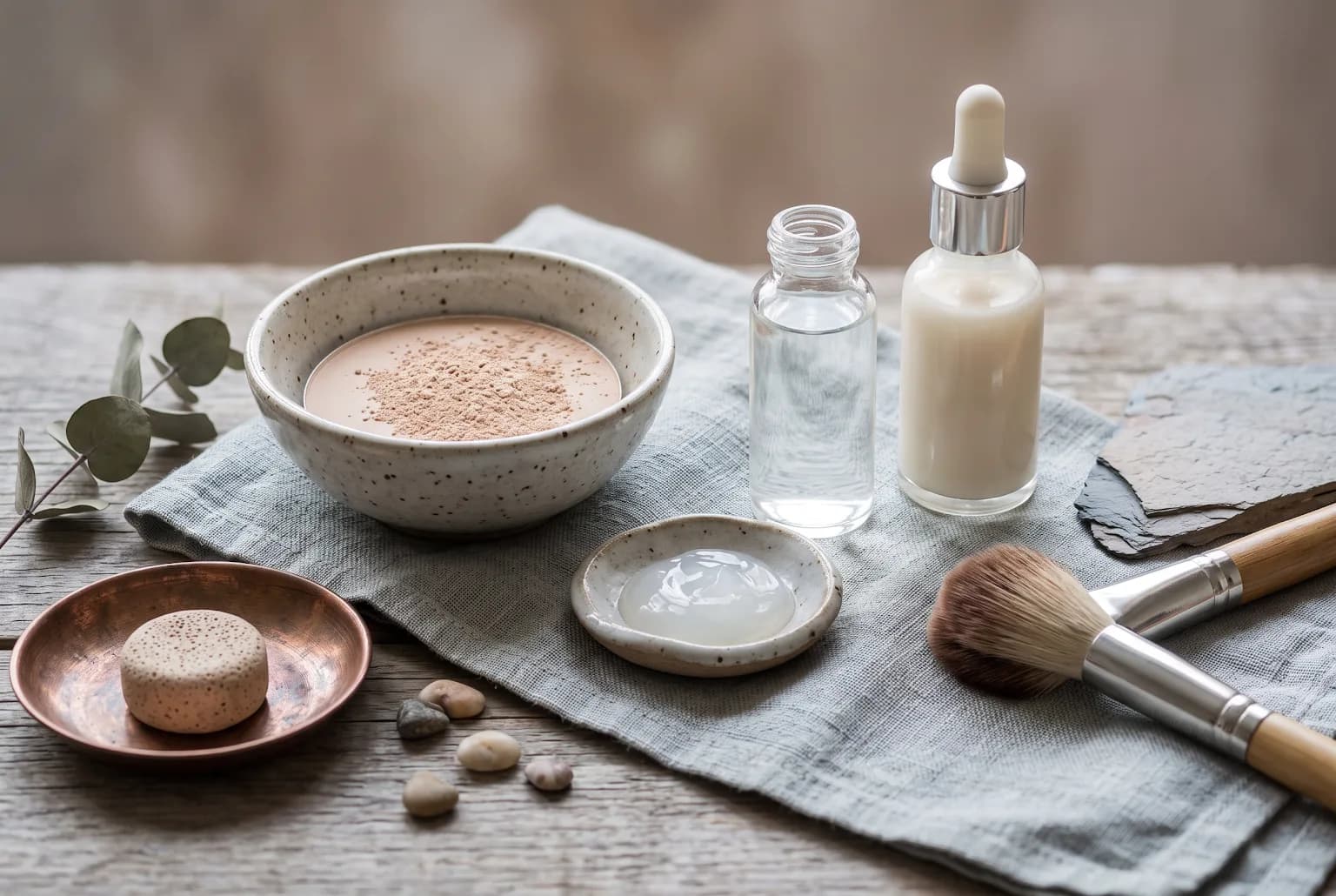
Technique determines whether a beautiful formula reads polished or chalky. The central move is pressing: place the powder where oil appears, then gently press it in. Sweeping is more likely to disturb sunscreen, concealer, or the foundation layer underneath.
How to set makeup in the morning
- Let sunscreen and any complexion products settle until they no longer look wet or mobile on the skin.
- Tip a very small amount of loose powder into the lid, or pick up a minimal amount from a pressed pan.
- Work the powder into a clean puff, then tap or fold the puff to remove visible excess.
- Press first around the nostrils, center forehead, chin, and any concealed marks that tend to crease.
- Use the remaining trace of product around the perimeter of the face; do not reload automatically.
- If the result looks dry, soften the edges with a clean, fluffy brush rather than adding more makeup.
A puff creates the most secure, refined set because it presses pigment and powder together. A small tapered brush is excellent when you only want to set the creases beside the nose or the center of the forehead. A broad fluffy brush is best reserved for a very light finishing veil, not heavy oil control.
How to touch up without building a powder crust
Midday shine is often mixed with sunscreen, foundation, and the natural oils of your skin. Absorb excess oil first, then add a tiny amount of powder only if you still want more blur. This sequence keeps you from packing fresh powder into an oily surface.
- Gently press a clean blotting paper or tissue over shiny areas; do not rub.
- Check whether your base still looks even before reaching for the compact.
- Use a clean puff or brush to press powder only onto the places that need it.
- Avoid repeatedly powdering raised blemishes, dry patches, or areas where skin is flaking.
Pairing powder with acne treatments and complexion products
Compatibility is not only an ingredient question; it is a choreography question. Acne-focused routines may include benzoyl peroxide or retinoids, while daytime makeup involves sunscreen and often a moisturizer or primer. The goal is to let each layer settle so powder has a stable surface to grip.
Morning
If you use an acne treatment in the morning, keep the base routine streamlined and allow each layer to dry down before sunscreen. Once sunscreen has set, use powder only after the finish is no longer tacky. If you see pilling, do not keep brushing over it—reduce the number of layers or reassess how much product you are applying.
Evening
Powder is not a substitute for a makeup-removal step, especially if you wear it alongside sunscreen and complexion makeup. A thorough cleansing routine matters because leftover makeup can leave the skin feeling congested and can interfere with the clean-skin starting point you want before nighttime products.
The nighttime reset matters too
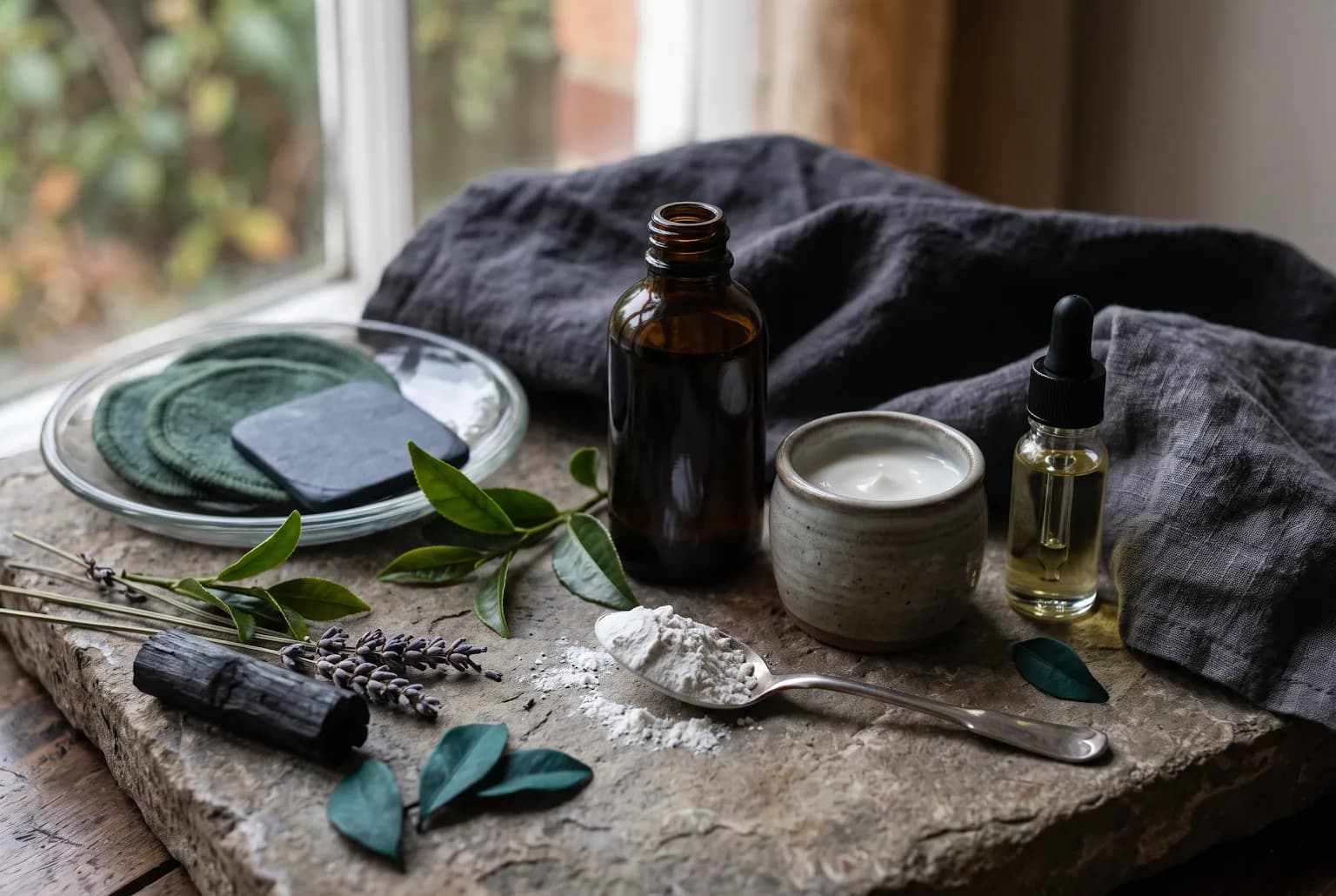
The most thoughtful powder selection can still fall short if removal is rushed. Think of a long-wear matte face as a collection of layers—sunscreen, base makeup, powder, and surface oil—not simply “a little powder.” A full cleanse is part of making powder workable for acne-prone skin.
A simple removal sequence
- Start with a first cleanse that lifts makeup, sunscreen, and powder from the skin’s surface.
- Follow with your regular gentle cleanser to finish the cleanse without aggressive scrubbing.
- Pat skin dry with a clean towel instead of rubbing, then continue with your usual evening skincare.
- Wash powder puffs and brushes regularly, and allow them to dry fully before their next use.
Avoid treating roughness from too much powder with exfoliation on impulse. Texture can come from a too-dry base, too much product, or product settling into uneven areas. Simplifying the next day’s makeup layers is often a more useful first adjustment.
A quick decision guide
Choose a translucent loose silica powder if you want the lightest possible set and your main concern is a shiny T-zone. Choose a kaolin-based option if your skin gets notably oily and you like a more absorbent finish, while keeping the application very light. Choose a pressed translucent compact if portability will determine whether you actually use the product well.
Skip a powder—or use only the smallest targeted amount—when your skin is actively flaking, your sunscreen is pilling, or your complexion makeup already looks dry. The answer is not automatically a different powder. It may be less powder, a more compatible base, or more time between skincare and makeup.
Related reading
- Best Concealer for Oily Skin: Finish Guide
- Best Skincare Routine for Oily Skin: Daily Guide
- Best Serum for Oily Skin: Choose by Concern
Frequently asked questions
Is loose powder better than pressed powder for oily, acne-prone skin?
Loose powder is often easier to apply in an ultra-fine layer, which makes it a strong choice for setting makeup at home. Pressed powder is more convenient for controlled touch-ups. Either format can work when the formula is non-comedogenic, finely milled, and used lightly.
Can face powder clog pores?
A thick buildup of any complexion makeup can be uncomfortable for acne-prone skin, particularly when it is not fully removed. Choosing a non-comedogenic formula, avoiding heavy layering, keeping tools clean, and cleansing thoroughly at night are sensible guardrails.
Should I use silica or kaolin powder for oily skin?
Silica is a good fit for a very light, diffused matte effect. Kaolin is an oil-absorbing clay option that may suit people who prefer a more absorbent feel. Texture, shade, fragrance preferences, and how the product layers with your routine are equally important.
Why does powder look cakey by afternoon?
Usually, too much powder was applied at the start, or fresh powder was layered directly over oil later in the day. Blot first, then press in a minimal amount of powder only where it is needed.
Sources
- Allure — beauty coverage and dermatologist-informed powder roundups
- PubMed — dermatology literature on non-comedogenic product recommendations
- NBC Select — beauty product testing and oil-control coverage
Clear guidance, checked before publication.
Solvi articles are structured by our editorial team and reviewed for clarity, consistency, and responsible health language. We update pages when guidance or product information changes.

Amara Lewis
Sensitive Skin Writer. Amara is fascinated by calm, barrier-first skincare and the small details that make a routine easier to tolerate. She favors thoughtful formulas, slow introductions, and less guesswork.