Best clay mask for oily skin: a practical guide


For oily skin, the best clay mask is one matched to your goal: choose bentonite or green clays for aggressive oil and pore decongestion, or kaolin/white clays for gentler maintenance. Favor formulas that include humectants (glycerin, hyaluronic fragments) or soothing botanicals to avoid over‐stripping; use clay masks 1–2 times weekly depending on oiliness and tolerance.
hero
How to pick a clay by oil-control strength
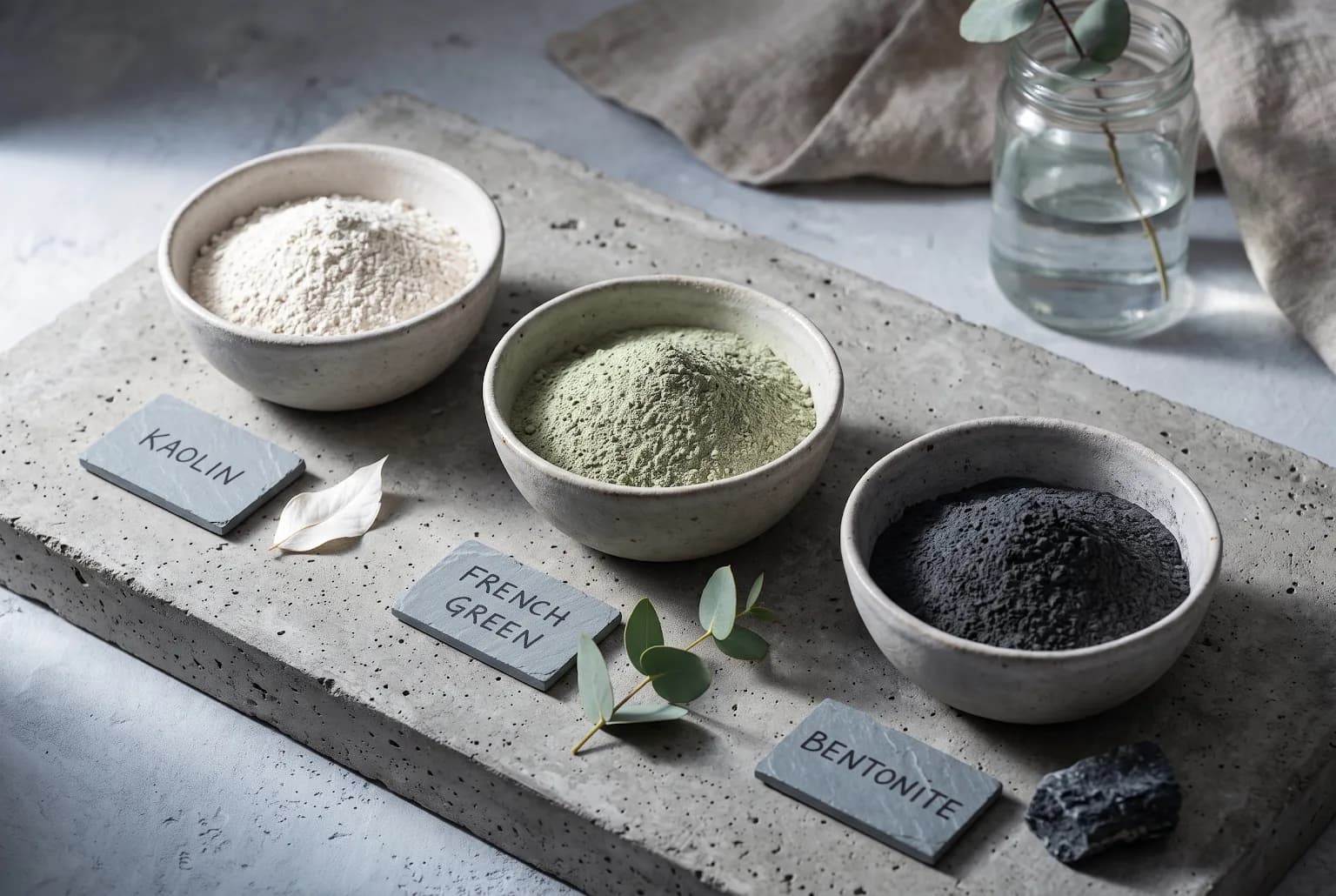
Start by deciding what you want the mask to do. If your priority is quick, heavy oil and surface congestion removal—think midday shine and blackheads—bentonite or high‐iron green clays (Amazonian, French green) are the most adsorptive choices. They bind sebum and particulate congestion aggressively, which is why they appear in deeper‐cleansing formulas. If you need regular maintenance without shouting “tight, dry skin,” kaolin (white or pink varieties) gives milder oil control with less chance of flaking or rebound oil.
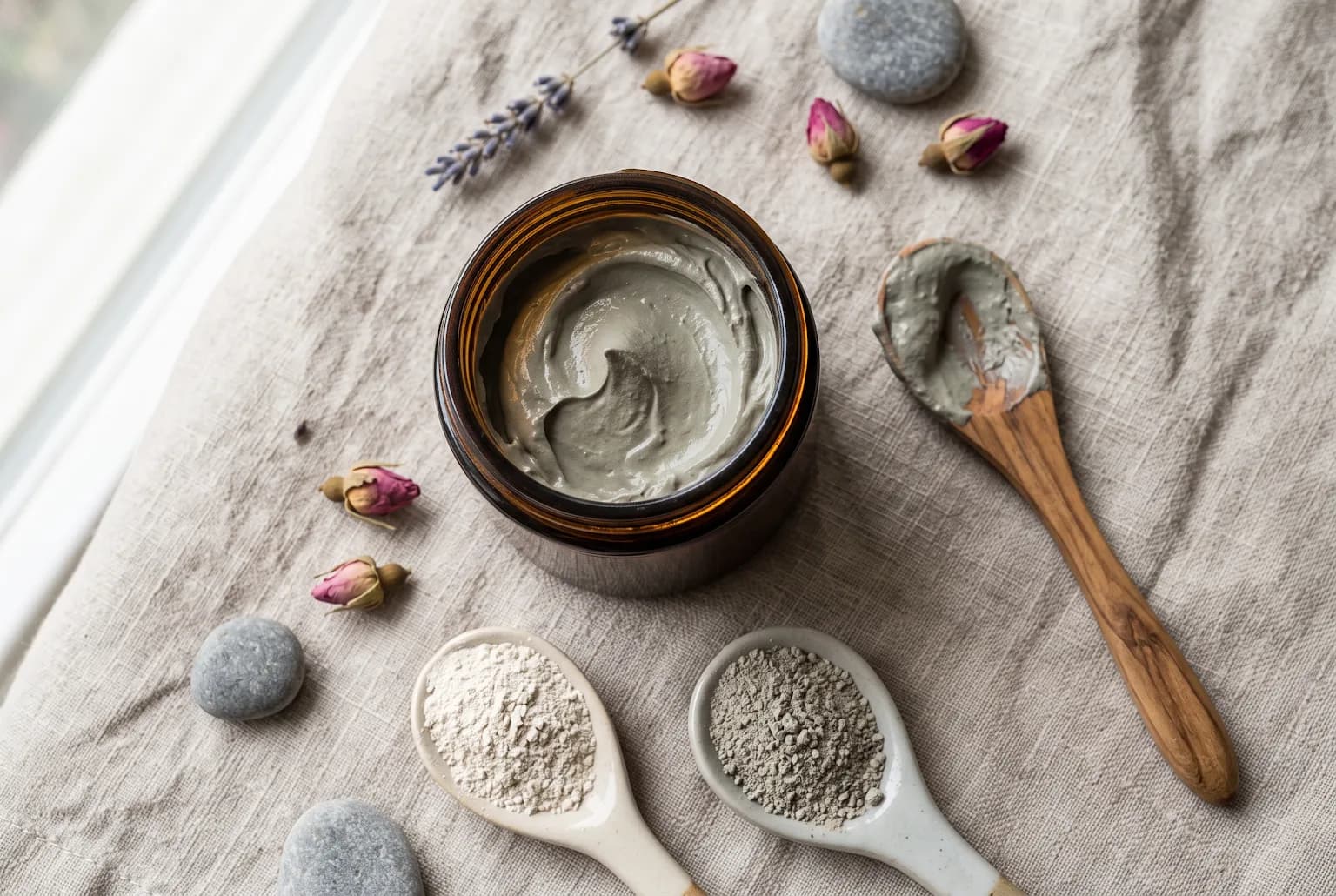
Texture and vehicle matter as much as clay type. Powder-only masks let you control dilution but can be dehydrating if mixed with too little hydrating liquid. Cream or gel clay masks formulated with glycerin, aloe, or light humectants blunt the stripping effect and feel more comfortable for skin that also breaks out. Ingredients like charcoal or volcanic rock add mechanical adsorption but can increase matte intensity and should be used sparingly on inflamed acne.
Choosing by intended result helps you narrow tradeoffs: stronger adsorption often equals more post‐mask hydration needed. If you tend toward dehydration after masks, avoid straight clay powders or choose a formula that lists humectants near the top of the ingredient list. For readers who track formulations, consider the presence of humectants, soothing actives, and alcohols when making a decision.
Textures, application and timing
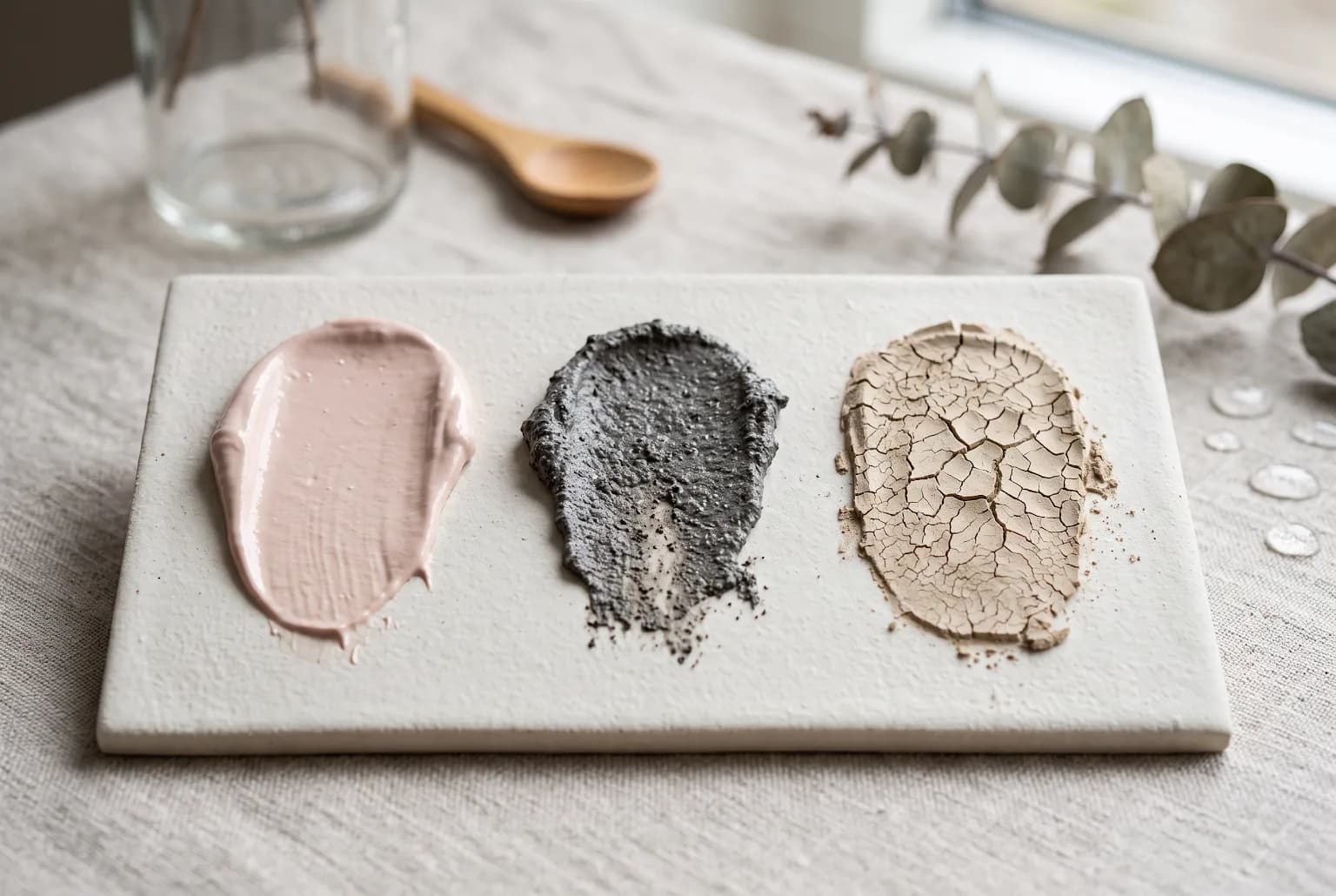
How a mask feels and how long you keep it on determine both comfort and outcome. Creamy kaolin blends feel velvety and remain workable longer, so you can leave them on for 8–12 minutes without hard plastering. Bentonite‐heavy masks often dry to a firm, tightening finish in 5–10 minutes; the faster they dry, the more they pull oils and debris from the surface and pore openings.
Application steps to control efficacy and irritation:
- Cleanse with a gentle, non‐stripping face wash to remove surface oils and makeup.
- Apply a thin, even layer—less is more; thick layers take longer to dry and can irritate.
- Time carefully: 5–7 minutes for strong bentonite masks, 8–12 minutes for milder kaolin creams.
- Rinse with lukewarm water and gently pat dry; avoid hot water or vigorous scrubbing.
Routine frequency should match your skin’s reaction. Use clay masks once weekly for moderate oiliness; increase to twice weekly only if your skin tolerates stronger adsorption without tightness or increased flaking. Because masks can transiently dry skin, always follow with a lightweight moisturizer. Patch‐test new formulas, especially if acne is inflamed.
Why formulation balance matters more than clay alone
A mask’s ingredient list tells the real story. Two products that both list kaolin can perform differently depending on what surrounds the clay. Humectants (glycerin, propanediol, low‐molecular hyaluronic acid) retain moisture in the stratum corneum and prevent the post‐mask rebound oil that often follows heavy stripping. Soothing botanicals—aloe, panthenol, bisabolol—reduce transient inflammation and make masks safer for acne‐prone skin.
Formulation tradeoffs to track:
- High adsorption + no humectants = quick mattifying, higher irritation risk.
- Mild clay + humectants = comfortable control, better for sensitive or combination skin.
- Added exfoliants (AHA/BHA) = faster pore clearing but avoid layering with a strong clay on the same day unless you’re experienced.
If you want to prioritize healing acne scars or dark spots alongside oil control, choose a balanced mask that won’t strip the barrier; over‐drying can exacerbate pigment formation. For planning a longer program that addresses discoloration, consider pairing masks with targeted topicals on non‐mask days; see our guides on Best serum for acne scars and The smart buyer’s guide to creams for dark spots on the face for stepwise layering strategies.
Three clay-mask archetypes and who they're for
| Clay type | Typical strength | Best for | Texture and trade-off |
|---|---|---|---|
| Bentonite / volcanic blends | High | Very oily, congested pores, surface blackheads | Thick paste, dries firm; excellent adsorption but needs post‐mask hydration |
| Green clays (French/Amazonian) | Medium-high | Oily-combination with buildup | Slightly grainy to smooth; good for occasional deep cleanses |
| Kaolin (white/pink) | Low-medium | Combination, sensitive oily areas, maintenance | Smooth cream or powder; gentler, less likely to flake |
Match the archetype to behavior: someone with constant midday shine and visible pore congestion may choose bentonite or a volcanic blend (Origins Clear Improvement or Innisfree Jeju Volcanic archetypes from the brief) for occasional deeper work, but limit frequency and always restore hydration afterward. A person with oil only in the T‐zone benefits from kaolin masks applied as a spot treatment or shorter full-face application.
How to layer with actives and hydrators
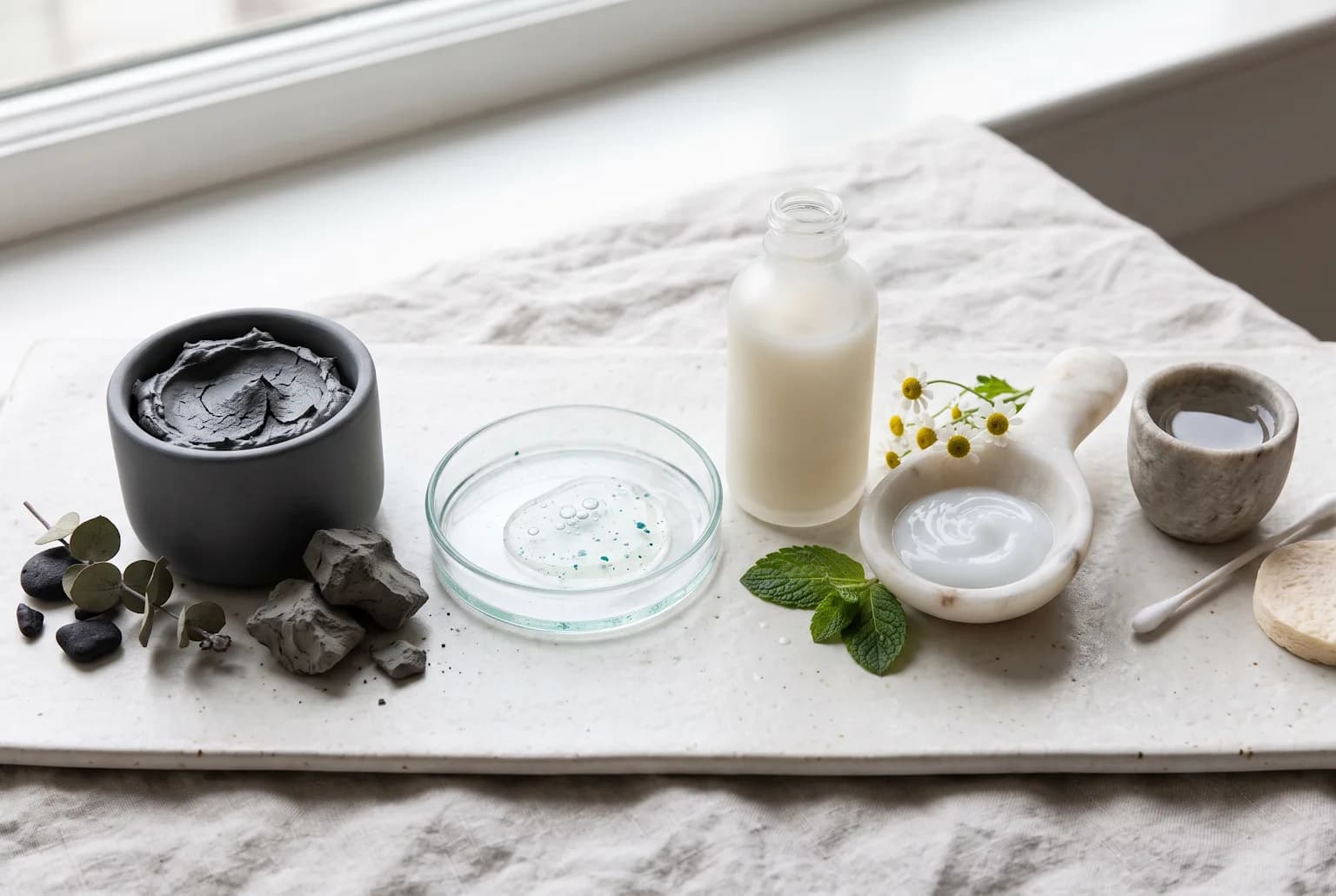
Decide which active treatments you use regularly and plan masks around them. Strong chemical exfoliants (daily BHA or scheduled AHA peels) increase permeability; pairing them immediately with a harsh clay mask raises irritation risk. If you use a retinoid or chemical exfoliant, schedule your clay mask on a different day or wait 24–48 hours after the last application.
Post‐mask hydration should be prioritized to prevent rebound oil. A practical sequence:
- Rinse mask, pat skin damp.
- Apply a hydrating serum with glycerin or low‐MW hyaluronic acid.
- Seal with a lightweight, non‐comedogenic moisturizer. For oily, acne‐prone skin consider oil‐free gel moisturizers; see our guide on Moisturizer for oily acne skin for texture-first options.
If your mask contains sulfur, clay blends with antibacterial botanicals, or localized benzoyl peroxide adjuncts, keep other spot treatments minimal the same day to avoid over-drying the area. For acne‐scar goals, use clays to clear pores but rely on targeted serums on non‐mask days; our Best serum for acne scars guide describes actives appropriate for marks versus active inflammation.
When to avoid or patch test clay masks
Clay masks are not universally safe on inflamed cystic acne or broken skin. If blemishes are open, pustular, or severely inflamed, aggressive adsorption can irritate and delay healing. Patch testing is simple: apply a pea‐sized amount behind the ear or on the inner forearm, wait 24 hours for redness or stinging, and observe for delayed sensitivity over 48 hours.
Avoid others if you have:
- Active dermatitis or compromised barrier; clays can sting or increase transepidermal water loss.
- Recent facial procedures (microneedling, chemical peels) — give the skin time to recover.
- Known allergy to an included botanical extract.
If you’re unsure whether your mask’s texture is too strong, test a shortened application time (3–4 minutes for bentonite masks) and see how your skin feels. A short trial run reveals whether you need a milder clay or a formula with more humectants.
How to use clay masks for acne scars and dark spots
Clay masks help with acne scars and dark spots indirectly by clearing pores and reducing the frequency of new inflammatory lesions that can cause post‐inflammatory hyperpigmentation. They’re not primary brightening treatments but serve as a complementary step. For scar management, avoid daily strong adsorption; instead, schedule a deeper‐cleanse mask once weekly and prioritize reparative serums (retinoids, vitamin C) on mask‐free days.
Practical decision examples:
- If you have oily skin plus flat post‐inflammatory hyperpigmentation: use a gentle kaolin mask once weekly and a brightening serum two to three times weekly.
- If you have recurrent clogged pores and dark spots from past breakouts: use a bentonite or volcanic mask every 7–10 days to decongest pores and then apply targeted pigment treatments (AHAs or retinoids) on alternate nights.
Remember that excessive masking can worsen pigment by compromising the barrier. For structured plans that combine topical brighteners with barrier care, see our deep dives on Treatment for Dark Spots on Face and the smart buyer’s guide to creams for dark spots on the face.
Frequently asked questions
How often should I use a clay mask if I have oily skin?
Most people with oily skin should start with one clay mask per week and increase to two per week only if the skin tolerates it without tightness, flaking, or increased redness. Strong bentonite masks tend to require less frequent use than kaolin blends. Always follow with a lightweight moisturizer to prevent rebound oiliness.
Which clay is best for congested pores and blackheads?
Bentonite and certain volcanic or green clays are better at binding sebum and pulling impurities from pores, making them suitable for congested skin and blackheads. Use them sparingly—once weekly or as a spot treatment—and restore hydration afterward to minimize irritation.
Can clay masks help reduce acne scars and dark spots?
Clay masks can support scar and spot reduction indirectly by keeping pores clear and reducing new inflammatory breakouts that cause post‐inflammatory hyperpigmentation. They are not primary brightening agents; combine masks with targeted serums or topical treatments on non‐mask days for pigment concerns.
Are there clay masks safe for sensitive, oily skin?
Yes—look for kaolin‐based or kaolin‐dominant formulas that include humectants and soothing ingredients like glycerin, aloe, or panthenol. Patch test first and opt for shorter wear times to measure tolerance. Avoid daily use and skip strong exfoliants on the same day.
Related Reading
- Best Concealer for Oily Skin: A Finish-First Guide to Coverage That Stays Put
- The best makeup for oily skin: a finish-first, wear-tested approach
- Best setting spray for oily skin: a performance-first guide
Sources
- Allure — best clay masks and ingredient notes (https://www.allure.com/story/best-clay-face-masks)
- Glamour — curated clay mask picks and rationale (https://www.glamour.com/story/best-clay-masks)
- Derm/beauty labs overview — kaolin vs bentonite uses (https://bestfacialskincare.com/masks-exfoliation/clay-masks-oily-skin/)
Clear guidance, checked before publication.
Solvi articles are structured by our editorial team and reviewed for clarity, consistency, and responsible health language. We update pages when guidance or product information changes.

Maya Bennett
Senior Beauty Editor. Maya is the skincare obsessive who turns big beauty questions into clear, grounded guidance. She is especially interested in routines that respect real skin, real schedules, and realistic budgets.