How to use tretinoin cream for dark spots: a clear plan


Tretinoin cream can reduce dark spots, but the change is gradual and depends on strength, frequency, and sun protection. Start low, introduce it slowly, and pair it with daily sunscreen and targeted brighteners where appropriate to speed and stabilize results.
Tretinoin's role is best understood as a melanin‐modulating, cell‐turnover stimulant: it helps speed the removal of pigment-laden cells and can thin the superficial pigmented layer over months. For darker skin or severe post-inflammatory hyperpigmentation (PIH), professional guidance reduces the risk that irritation will worsen pigment. This guide breaks down how to choose a formula, how to fit tretinoin into a routine, what to expect on the timeline, and practical tradeoffs like texture and layering.
How tretinoin works on dark spots
Tretinoin is a retinoid that accelerates epidermal turnover and affects melanin distribution indirectly. Over time, speeding the skin's cycle can lighten post‐inflammatory marks and lentigines by moving pigmented keratinocytes upward and shedding them. Clinical literature supports tretinoin as a useful agent for hyperpigmentation when used consistently and with sun protection, but alone it is often slower than combination approaches that include direct tyrosinase inhibitors.
Expect a mechanism that is structural and gradual: tretinoin changes cell behavior and encourages remodeling rather than instantly bleaching pigment. That means visible improvement is typically measured in months rather than weeks. The NEJM study and pooled reviews indicate clinical benefit, but also that tretinoin performs best as one piece of a combined strategy.
Choosing strength and formulation
Decision criteria here are concentration, vehicle (cream vs. gel), and how sensitive your skin is. Typical prescription strengths run from 0.025% up to 0.1%; creams often feel richer and suit drier skin, while gels and lotions can be lighter for oilier types. Start low and titrate: begin with a low concentration (0.025%) or a reduced frequency (every other night), then increase to nightly or to a higher strength once tolerated.
Use this quick reference when choosing:
| Strength | Best for | Texture and tradeoff | Irritation risk |
|---|---|---|---|
| 0.025% | First-time users, sensitive skin | Mild cream or lotion, lowest irritation | Low |
| 0.05% | Regular users with mild tolerance | Standard cream, steady results | Moderate |
| 0.1% | Stubborn marks, experienced users | Potent, may need buffering with moisturizer | Higher |
If you have a history of sensitive skin or reactive PIH, a lower concentration or intermittent schedule reduces the chance of irritation that could worsen pigment. For a practical shopping guide to formats and ingredient matches, see our buyer's primer on creams for dark spots: [].
How to layer tretinoin in a dark-spot routine
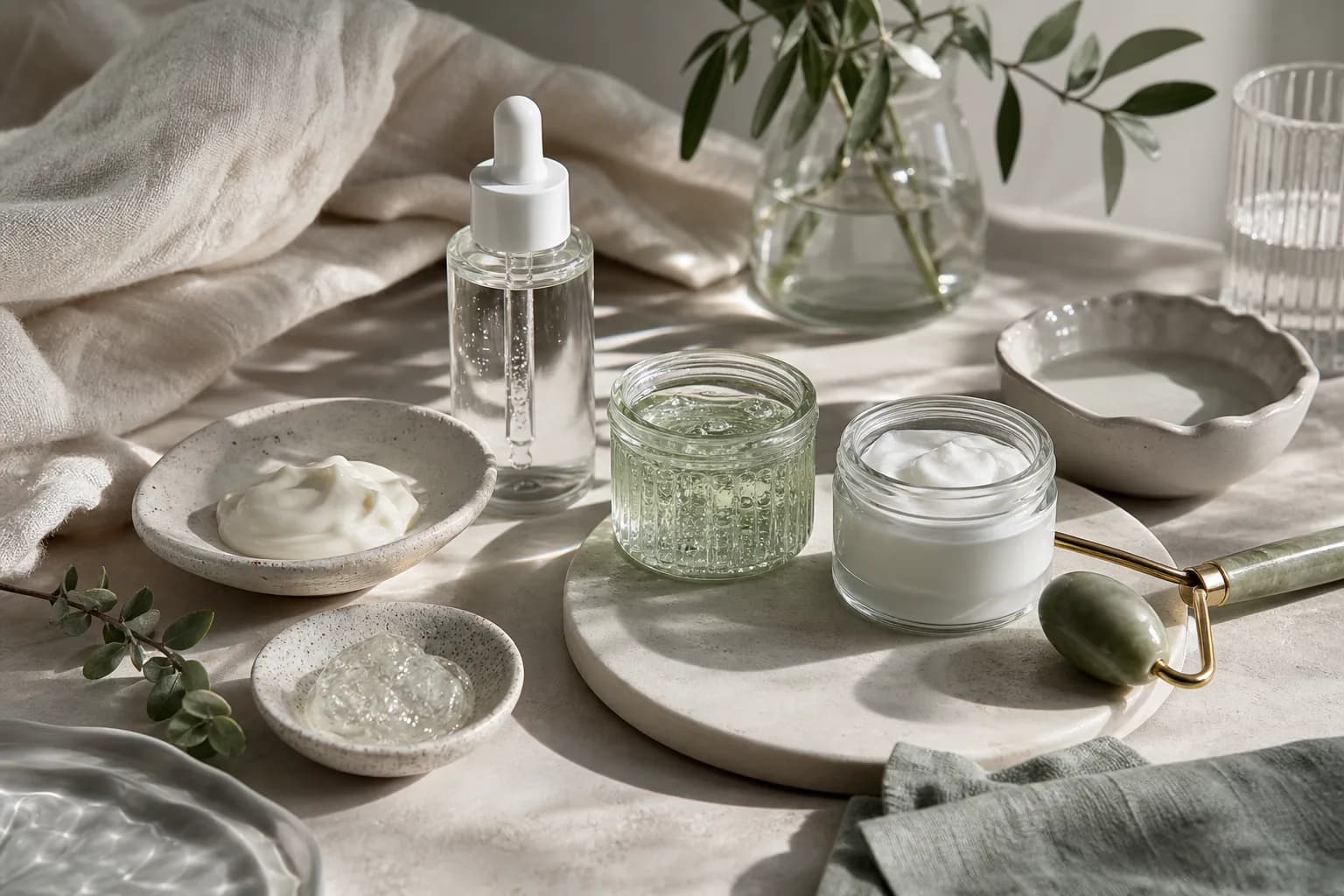
Texture and layering matter because tretinoin can interact with other active ingredients. A simple, low‐irritation evening template: cleanse, wait for skin to dry, apply a pea‐sized amount of tretinoin to the whole face (avoid mixing directly with other actives on the fingertip), then follow with a moisturizer if needed. In the morning, prioritize sunscreen and antioxidants rather than repeating retinoids.
A practical step list:
- Cleanse with a gentle, non‐stripping cleanser.
- Pat skin dry and wait 10–20 minutes so tretinoin doesn't sit on damp skin (which can increase irritation).
- Apply a pea‐sized amount of tretinoin evenly; avoid the nostrils and lip margin.
- Follow with a moisturizer either immediately or after 10 minutes (buffering technique) if you experience dryness.
- Sunscreen every morning without fail; sunscreen is the single most important adjunct.
This layering sequence balances efficacy and tolerability. If you use brightening serums (vitamin C) in the morning, keep them separate from tretinoin's night activity to limit irritation. For a realistic result timeline and pictorial guide to six‐month progress, consult our longform planning piece: [].
Combining tretinoin with other depigmenting agents
Tretinoin partners well with agents that directly inhibit melanin production or stabilize results. Hydroquinone, azelaic acid, and topical antioxidants like vitamin C are common complements. In clinical practice, triple combination therapy (hydroquinone + tretinoin + a topical steroid) is sometimes used under dermatologic supervision for faster clearance, but steroids add complexity and risk and should not be used unsupervised.
Tradeoffs: combining agents can speed improvement but raises irritation risk. If you choose combination therapy, sequence introductions—add one adjunct at a time, observe for four weeks, and adjust. For those seeking a stepwise plan that starts with sun protection and builds up actives, see our treatment roadmap: [].
Safety considerations for darker skin and PIH risk
People with Fitzpatrick skin types IV–VI have a higher baseline risk of PIH and can paradoxically see pigment darkening if tretinoin triggers irritation. The safest approach is conservative: start with lower concentrations, adopt an every‐other‐night schedule, and consider adjuncts like azelaic acid that carry lower irritation potential. If pigmentation worsens or you notice new dark patches, pause tretinoin and seek dermatologic evaluation; professional combinations and in-office options may be preferable.
Practical decisions based on risk:
- Mild PIH on darker skin: start with 0.025% and add azelaic acid as tolerated.
- Moderate to severe PIH: consult a dermatologist before attempting potent combinations or steroid‐based triple therapy.
- History of inflammation-driven marks: avoid simultaneous exfoliating acids and physical exfoliation while establishing retinoid tolerance.
Texture, feel and daily tradeoffs
Tretinoin creams vary from lightweight lotions to richer formulations. Creams can be more emollient and are kinder to dry skin, whereas gels and lighter vehicles absorb quickly for oilier complexions. If your skin feels tight and flaky, a richer cream or a buffering moisturizer layered on top can improve tolerability, but excessive occlusion may slow the release of the active.
Consider these tradeoffs when judging value:
- Texture vs. potency: a richer cream may be less irritating but could slightly slow visible turnover; a lighter gel delivers active more directly but may cause dryness.
- Convenience vs. reaction management: nightly use maximizes efficacy but intermittent use can maintain benefits with fewer side effects.
- Cost vs. dose: higher concentrations often mean faster visible results for tolerant skin, but starting low and titrating delivers better long‐term value by avoiding setbacks from irritation.
Timeline and realistic expectations
Expect to wait. Noticeable reduction in dark spots commonly appears over several months. Early changes—improved skin texture and smoother tone—can show in 4–8 weeks, but meaningful pigment decrease often requires 12–24 weeks of consistent use. Clinical reviews underline that combined regimens and strict photoprotection speed outcomes compared with tretinoin alone.
Concrete decision examples:
- If you want conservative progress with low risk: 0.025% every other night plus daily SPF and topical azelaic acid in the morning; reassess at three months.
- If you need faster improvement and tolerate retinoids: titrate to 0.05% nightly, add vitamin C in the AM, and consult a clinician about supervised combination therapy if results plateau at six months.
- If you have severe PIH or darker skin: consult before increasing concentration; consider in‐office options or supervised hydroquinone combinations.
Frequently asked questions
How long until tretinoin reduces dark spots?
Visible improvements to texture and tone often appear in 4–8 weeks, but significant fading of dark spots generally takes 12–24 weeks of consistent nightly use with sun protection. Timelines vary by concentration, skin type, and whether tretinoin is combined with other depigmenting agents.
Can I use tretinoin with vitamin C or hydroquinone?
Yes, tretinoin is commonly paired with vitamin C (morning antioxidant) and hydroquinone (pigment inhibitor) in staged regimens, but avoid mixing potent actives at once. Introduce one product at a time and monitor tolerance; aggressive combinations are best done under dermatology supervision.
Will tretinoin make my dark spots worse initially?
If tretinoin causes irritation, that inflammation can deepen pigment in sensitive skin types (PIH). Starting with a low concentration, reducing frequency, or buffering with moisturizer minimizes this risk. Pause and consult a clinician if new or worsening dark patches appear.
What strength should I start with for acne-related PIH?
For post‐inflammatory marks after acne, many people begin with 0.025% or an every‐other‐night schedule to build tolerance. If tolerated, titrate up to 0.05% for stronger effect. Match the vehicle to your skin type—cream for dry, gel for oily—and always add daily SPF.
Related Reading
- Tretinoin Cream Before and After Dark Spots: The Realistic 6-Month Guide
- The smart buyer’s guide to creams for dark spots on the face
- Treatment for Dark Spots on Face: A Smart, Stepwise Plan That Starts With SPF
Sources
- PubMed systematic review — formulations for hyperpigmentation (incl. tretinoin)
- NEJM older study — tretinoin for hyperpigmented lesions
- Cochrane Review — treatments for melasma and hyperpigmentation
Clear guidance, checked before publication.
Solvi articles are structured by our editorial team and reviewed for clarity, consistency, and responsible health language. We update pages when guidance or product information changes.

Maya Bennett
Senior Beauty Editor. Maya is the skincare obsessive who turns big beauty questions into clear, grounded guidance. She is especially interested in routines that respect real skin, real schedules, and realistic budgets.